

Irving, Dallas–Fort Worth
Gym and Fitness Equipment Supplier in Texas
- 83Texas markets with a page of their own
- 50+manufacturer partners, so the specification is not tied to one brand
- 2007equipping commercial facilities since
Commercial Fitness Equipment and Facility Design in Texas
Fit Supply's Texas operation works out of Irving, in the middle of the Dallas–Fort Worth metroplex, and serves the state end to end — Dallas, Fort Worth, Austin, Houston, San Antonio, and the smaller markets between and around them.
Where our Texas work sits
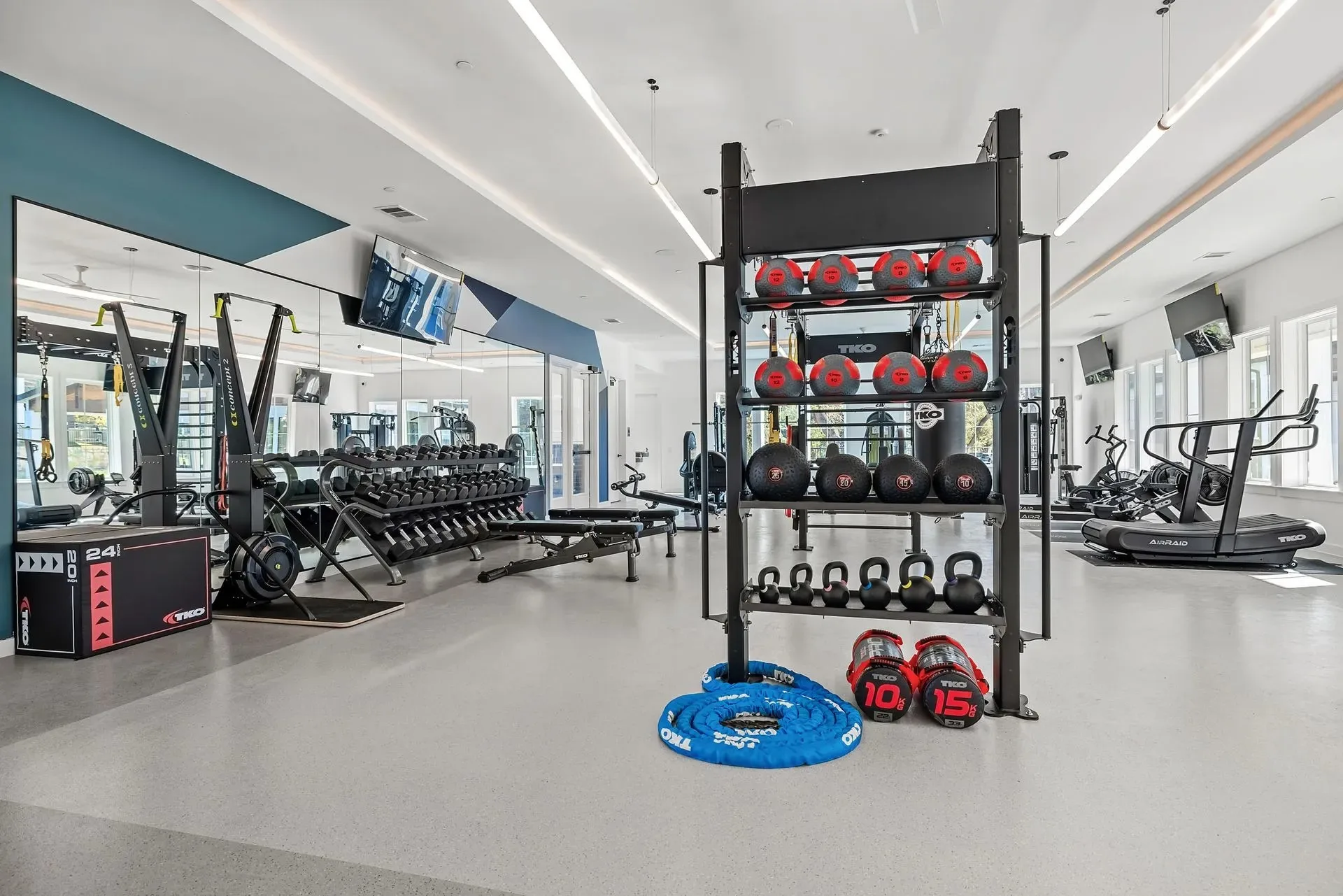
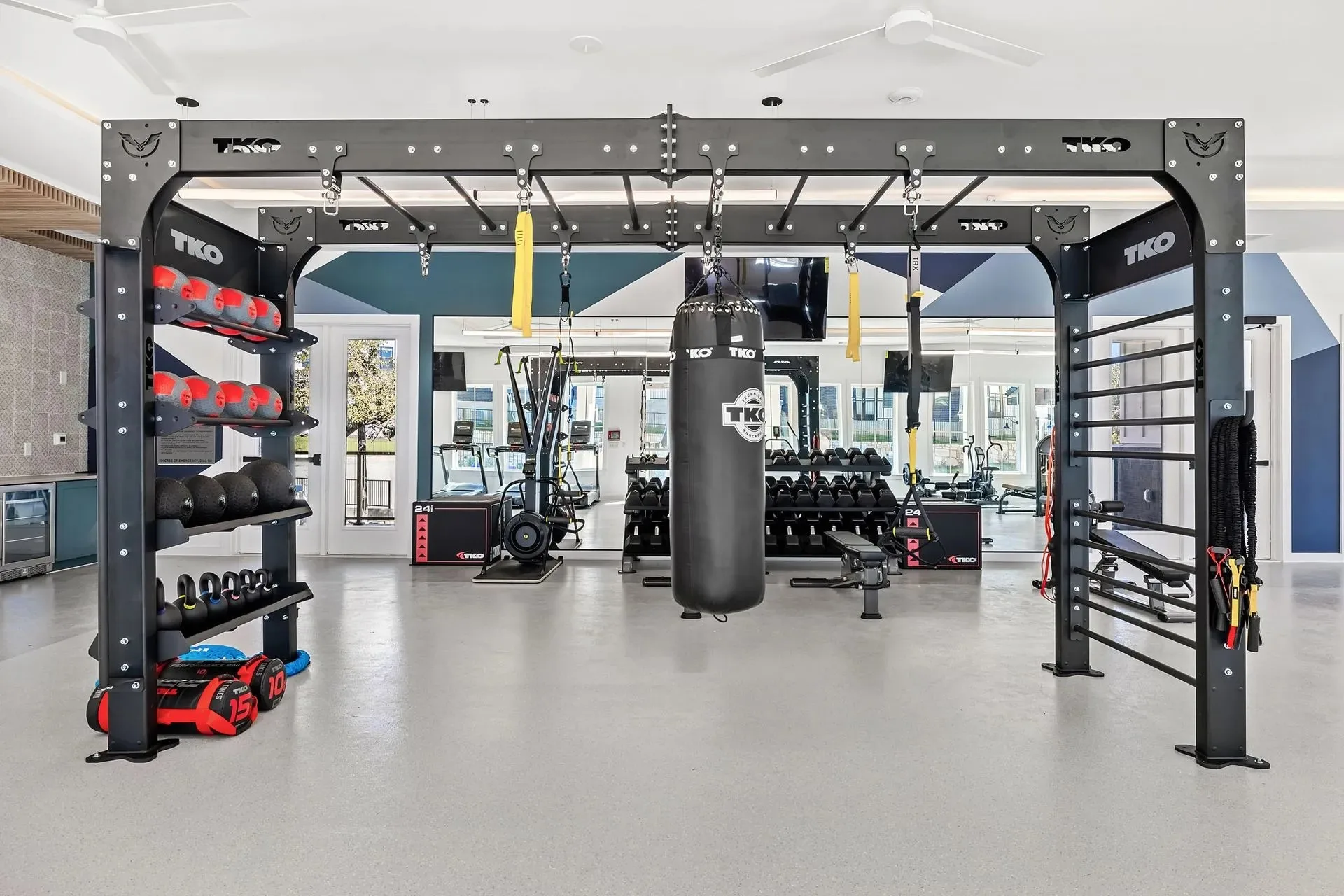
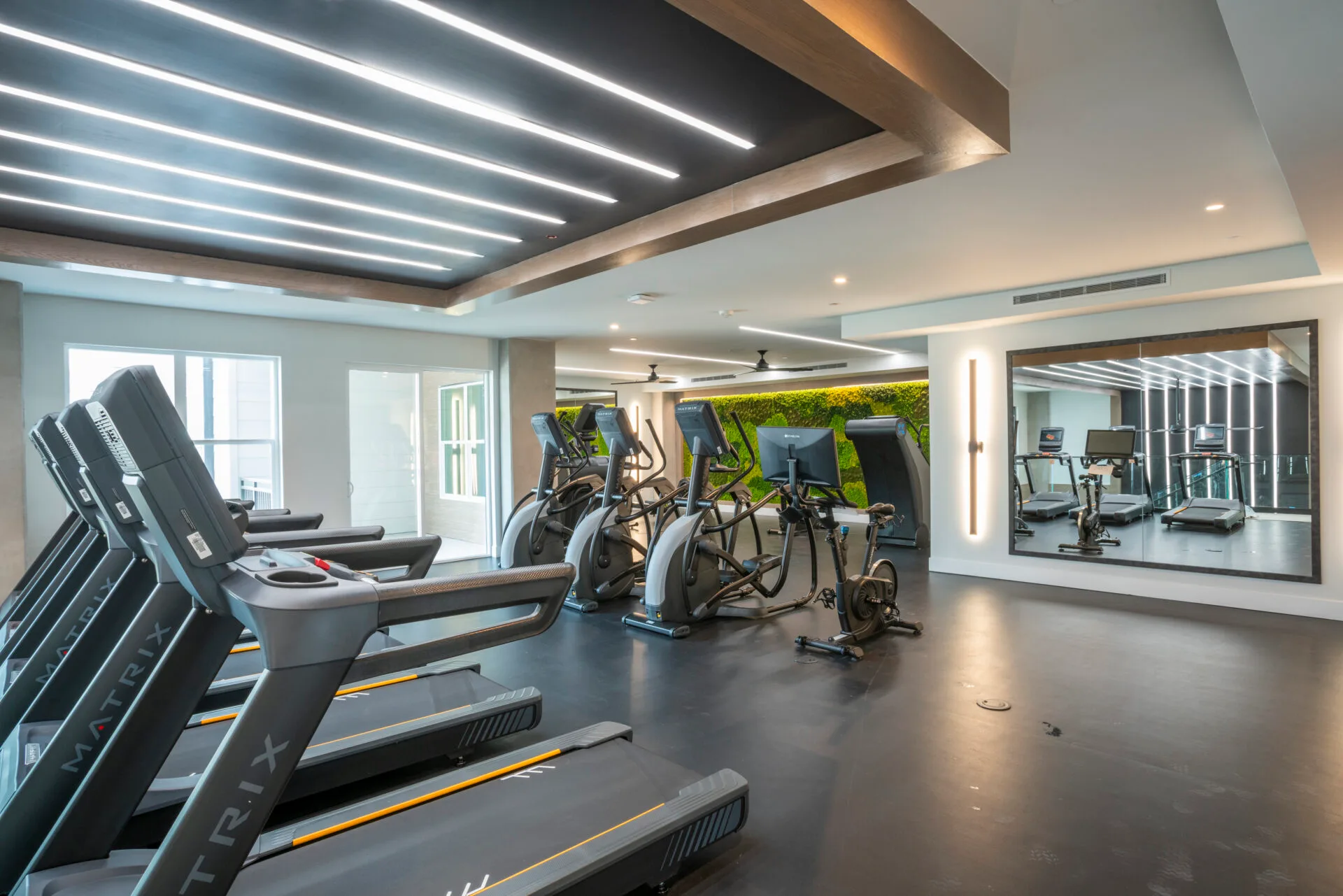
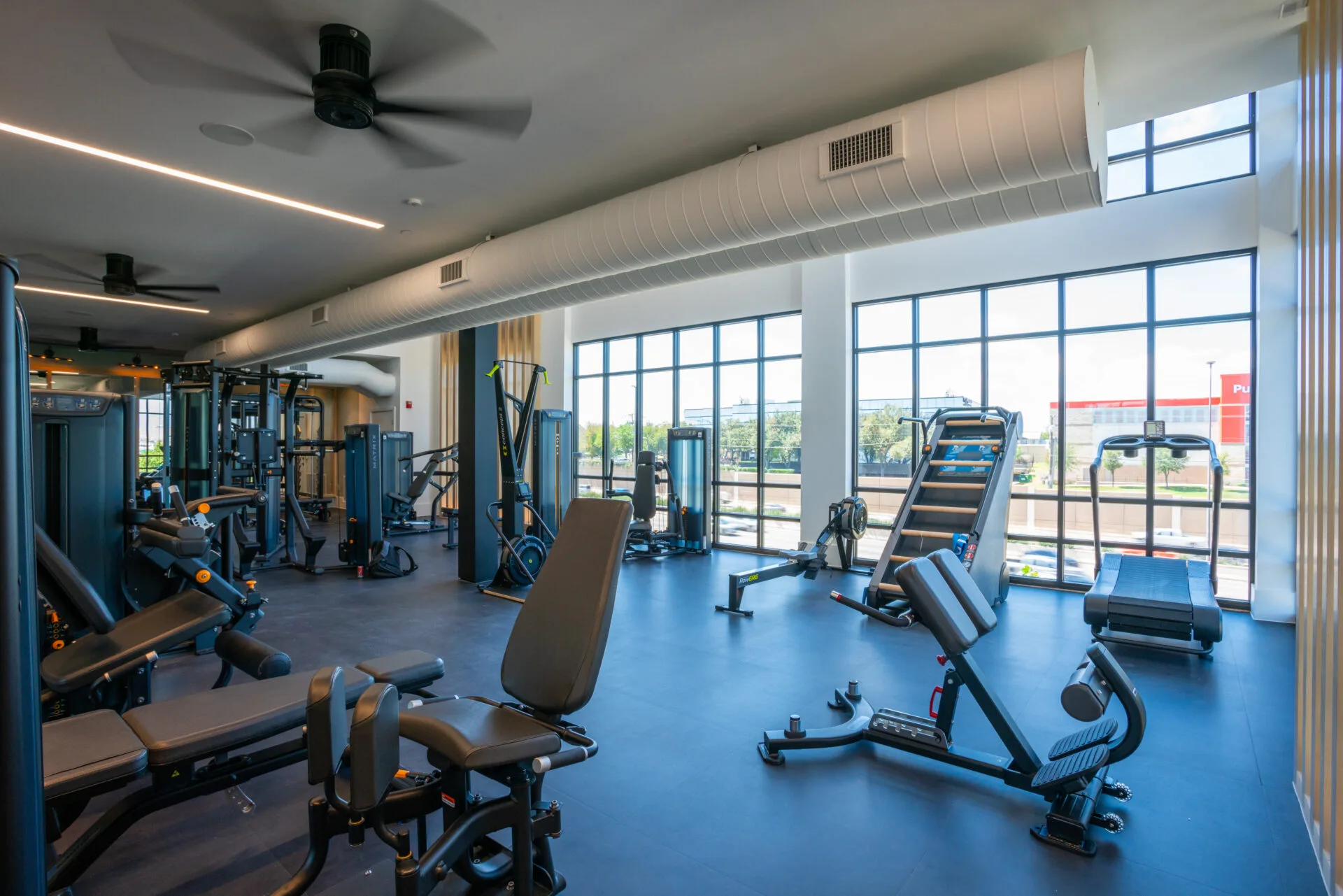
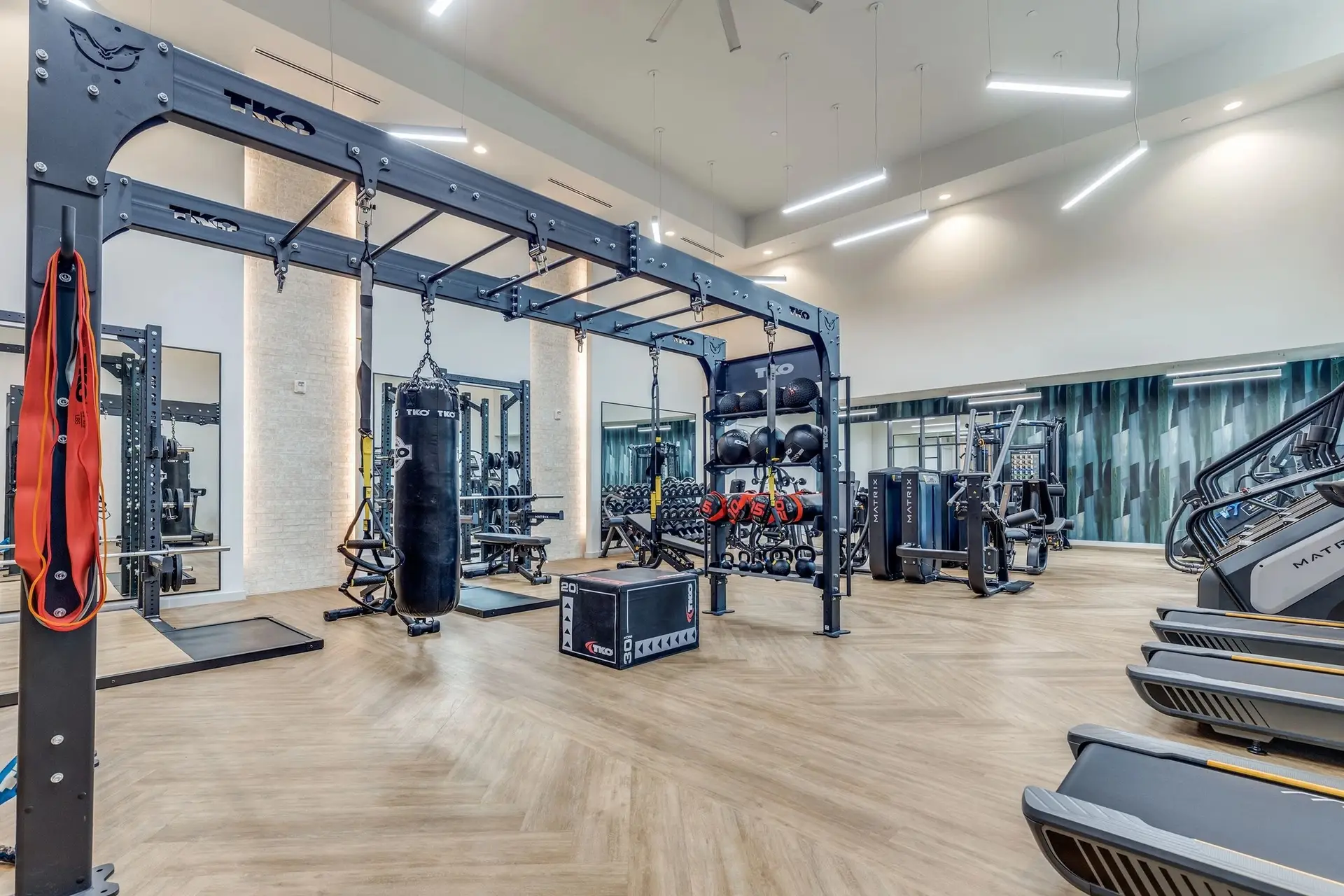
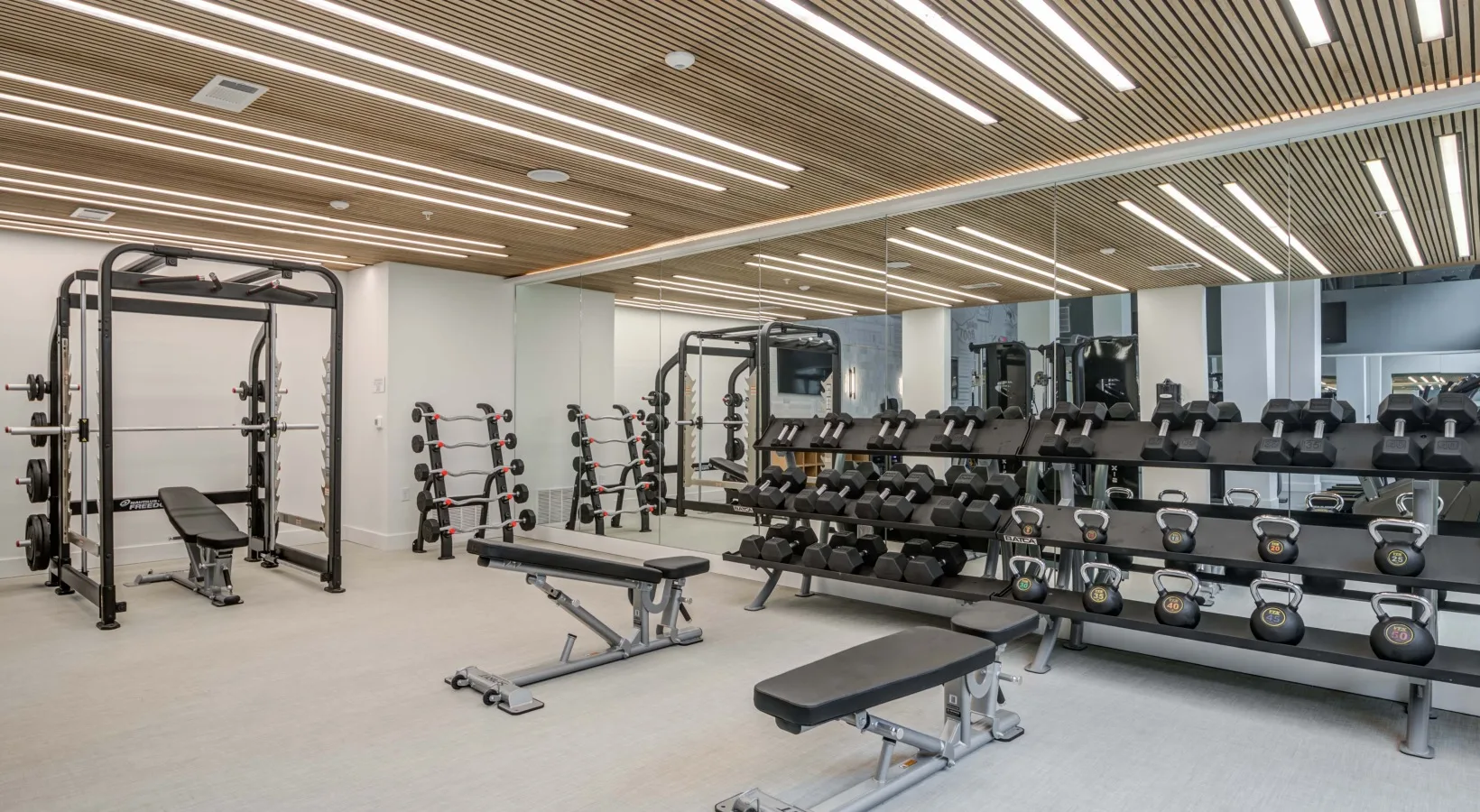
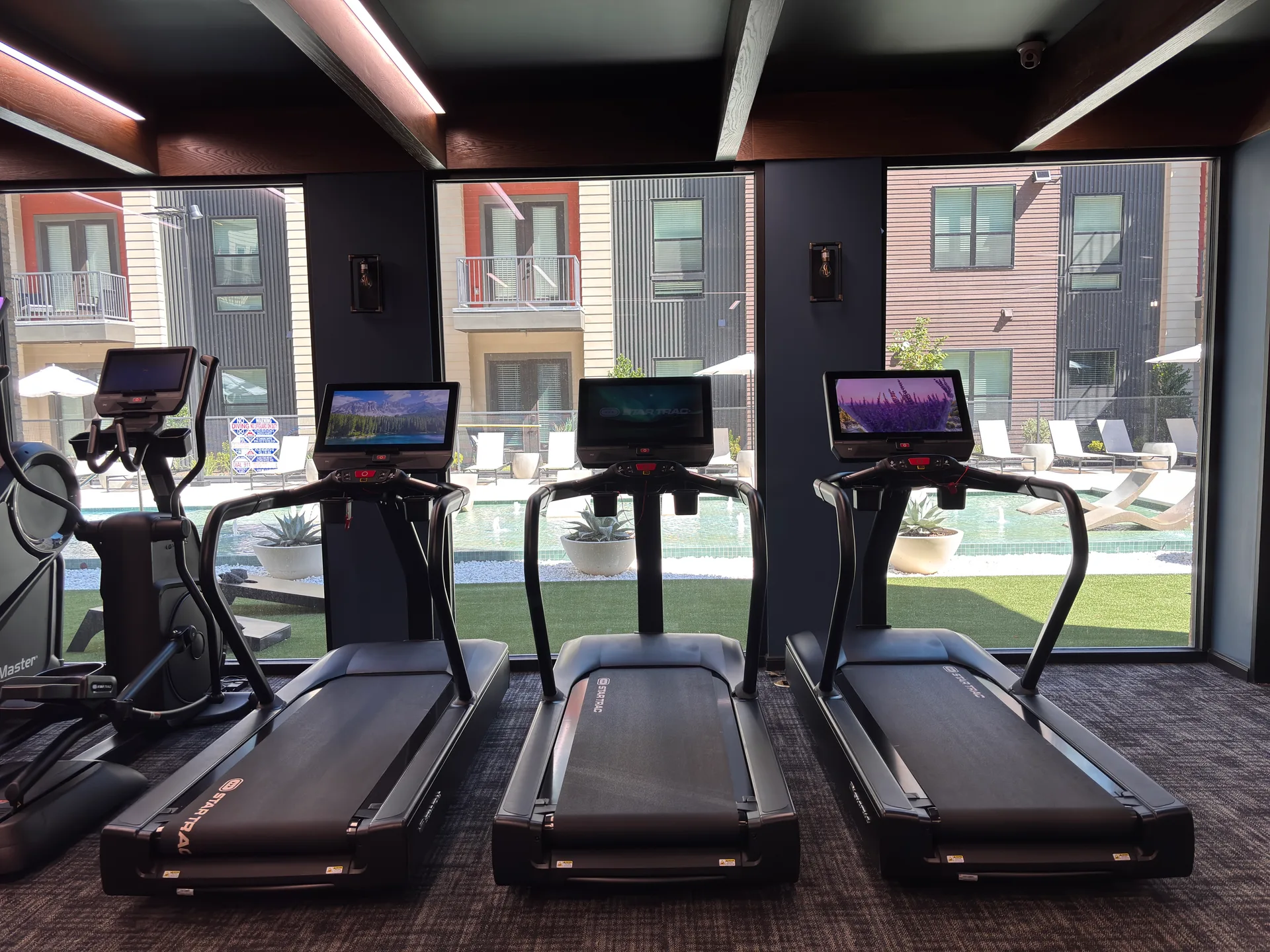
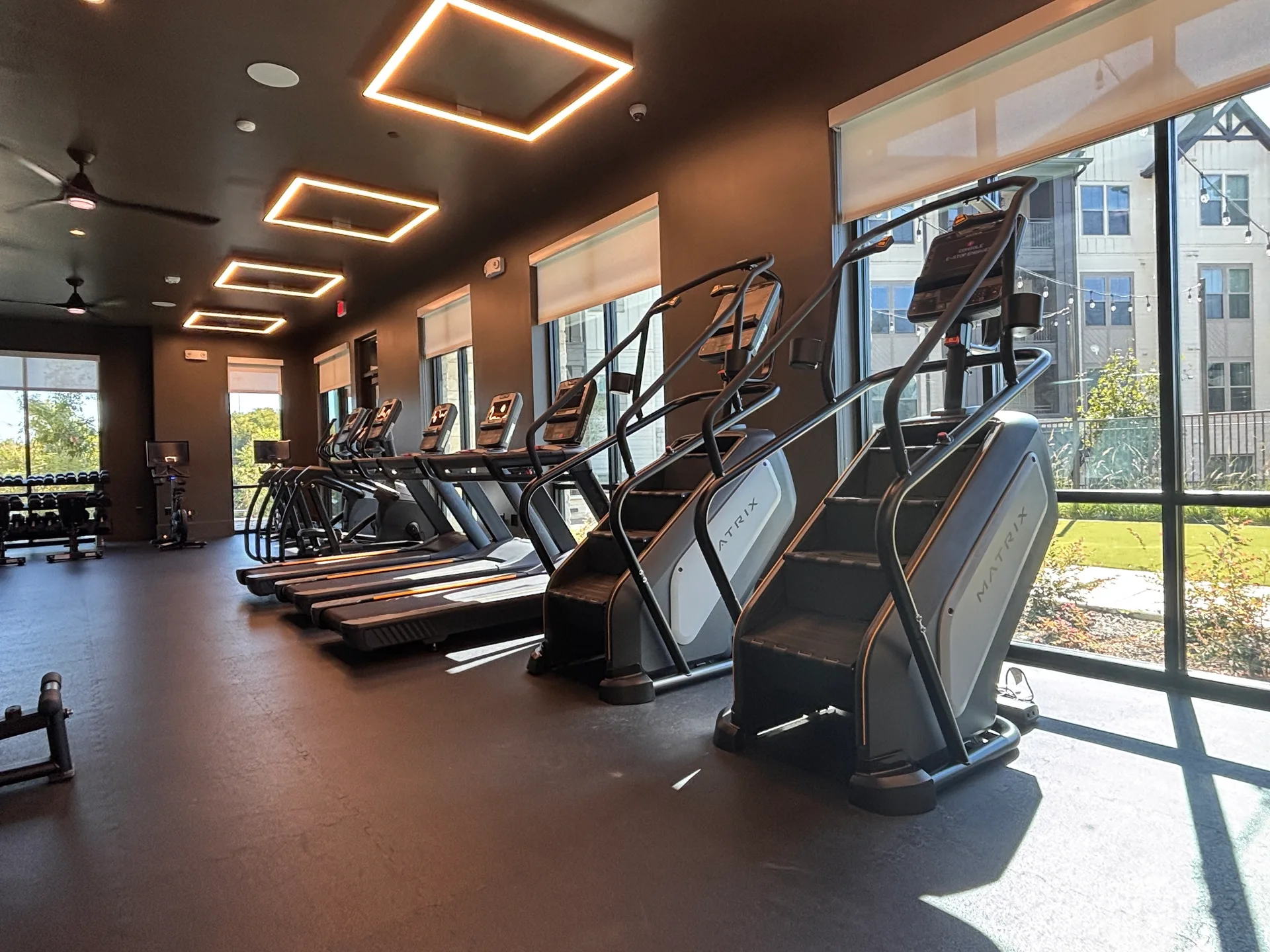
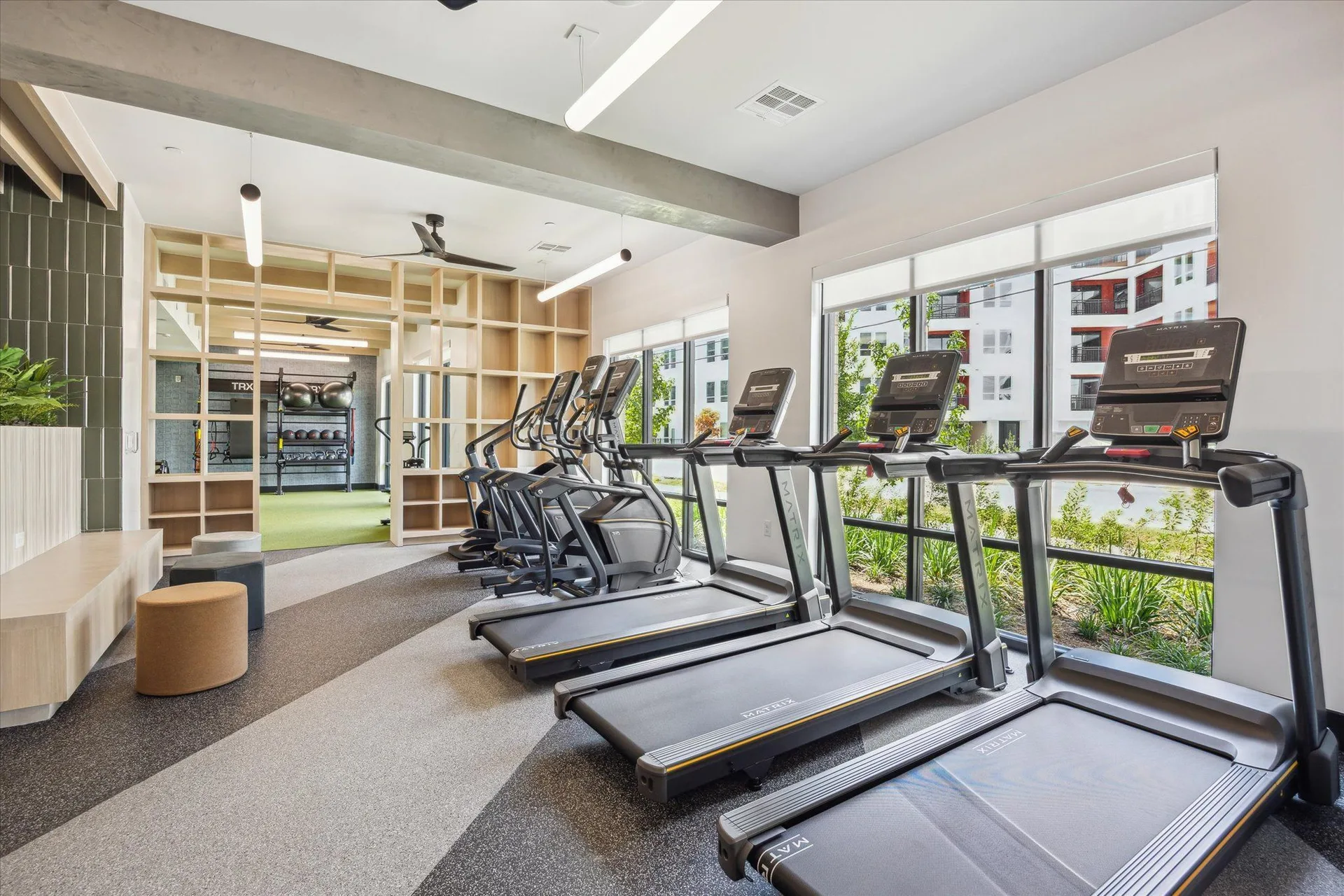
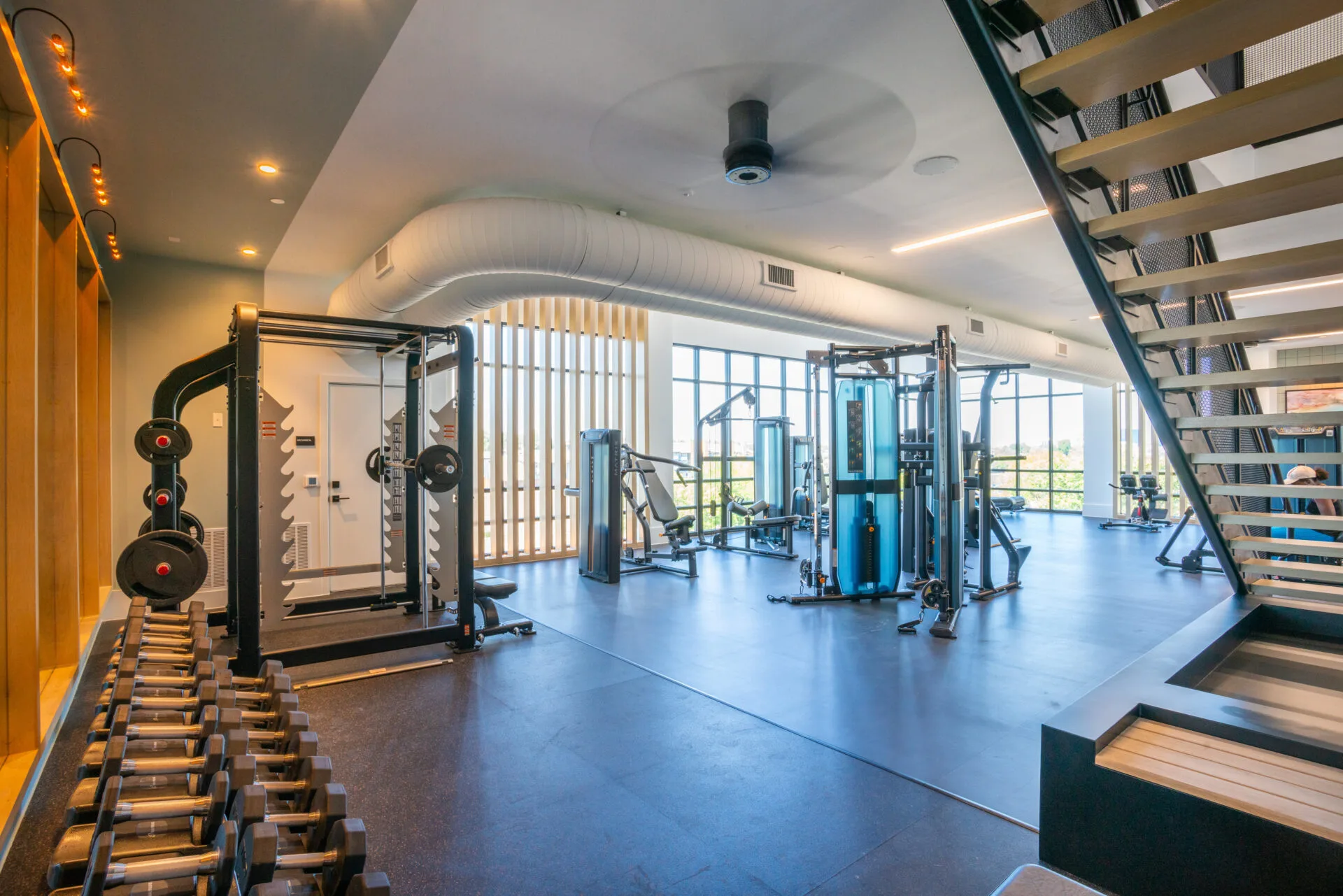
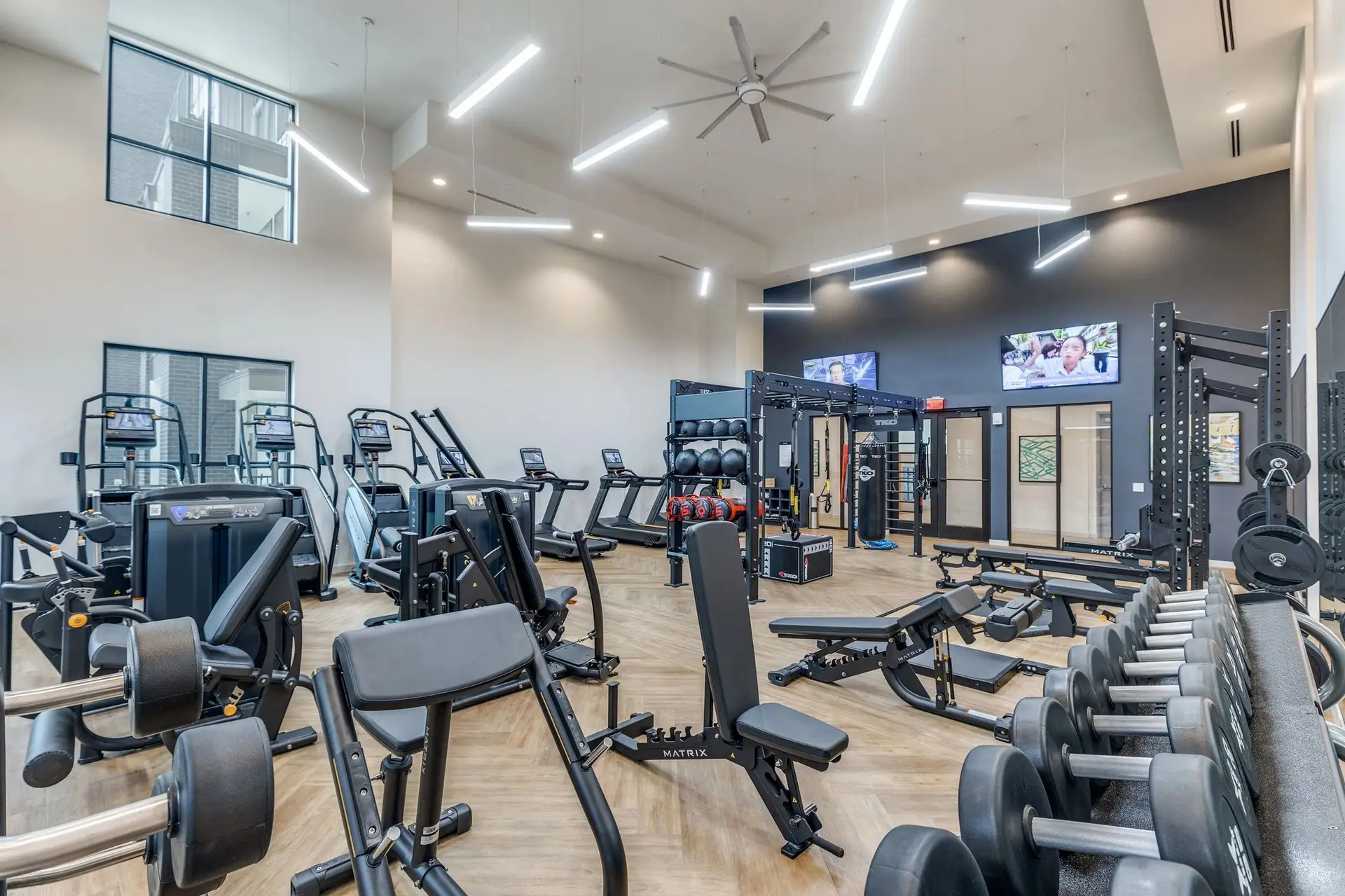
Texas is where the majority of our installed work sits. Apartment and condominium communities we have equipped include communities across Austin, Dallas, Fort Worth, Little Elm and the wider Dallas–Fort Worth metroplex. We also handle recurring work for YMCA branches, municipal fire departments, corporate wellness centers and HOA community rooms across the state.
Installed across Texas
What is different about building in Texas
Texas is the only one of our two home states with an accessibility review of its own, and it sits on the permit timeline rather than beside it — so it is worth knowing at the start of a project rather than the middle.
The TDLR accessibility review, and when it applies
Under Texas Government Code chapter 469, a commercial construction project with an estimated construction cost of $50,000 or more must be registered with the Texas Department of Licensing and Regulation and reviewed by a Registered Accessibility Specialist. Registration is due within 30 days of permit submission, and the same RAS performs the final inspection. Below that threshold the state filing does not apply, though the federal ADA Standards still do — so a layout that holds the 30 by 48 in clear floor space, the 36 in accessible route and the 32 in clear door opening is the right target either way.
Preventive maintenance is scheduled by use, not by the calendar
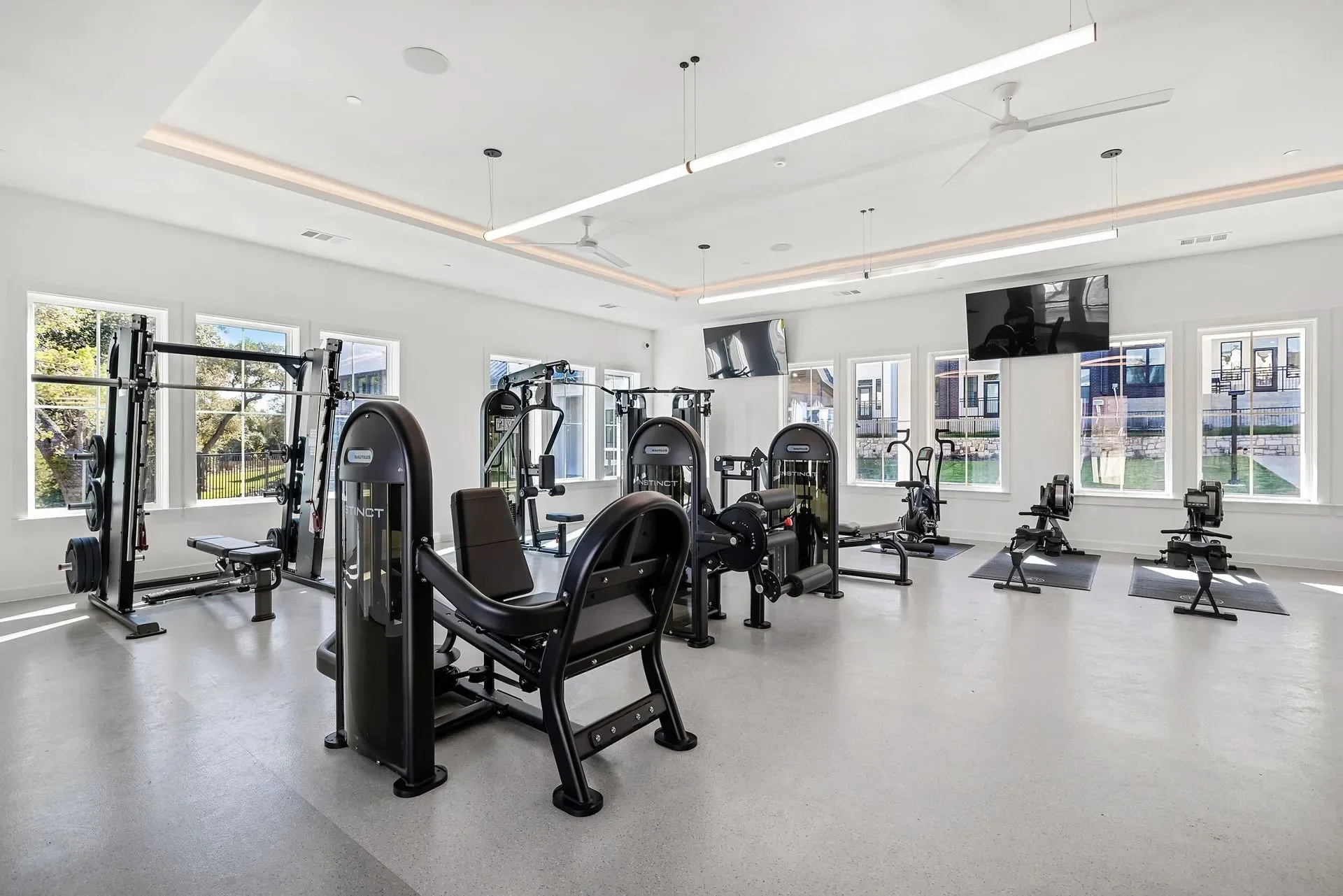
Preventive maintenance runs directly from our own crews here in Texas — the same program reaches every other state through our network of 30+ certified partners, but this is where Fit Supply is that provider itself, and the roster runs from apartment amenity rooms to county sheriff’s offices and Texas jail and detention-center fitness rooms. How often a technician comes out is set by how hard the room is worked: monthly for very high-use facilities, quarterly for most, bi-annual where traffic is light. Quarterly is the right answer for the majority of the amenity rooms we look after in Texas. Three program levels are published under the same names in both states, from inspection and calibration up to a per-machine checklist with electrical and diagnostic checks. Repairs, warranty work and diagnostics are quoted and approved per property; only the preventive program is priced across a portfolio. The three preventive maintenance levels.
Why being based in Texas matters
-
We can walk the site first
Being based in the metroplex means a site survey before quoting rather than after — door openings, elevator access and floor build-up checked against the equipment being proposed.
-
Installation is managed, not dropped off
Equipment is assembled, placed to the approved layout, leveled and function-tested on site by crews we manage or installers we work with — never left on pallets at a loading dock.
-
We can come back
Being local means someone can return when something needs attention, which is a different proposition from a carrier whose job ended at the door.
Every facility type we equip in Texas
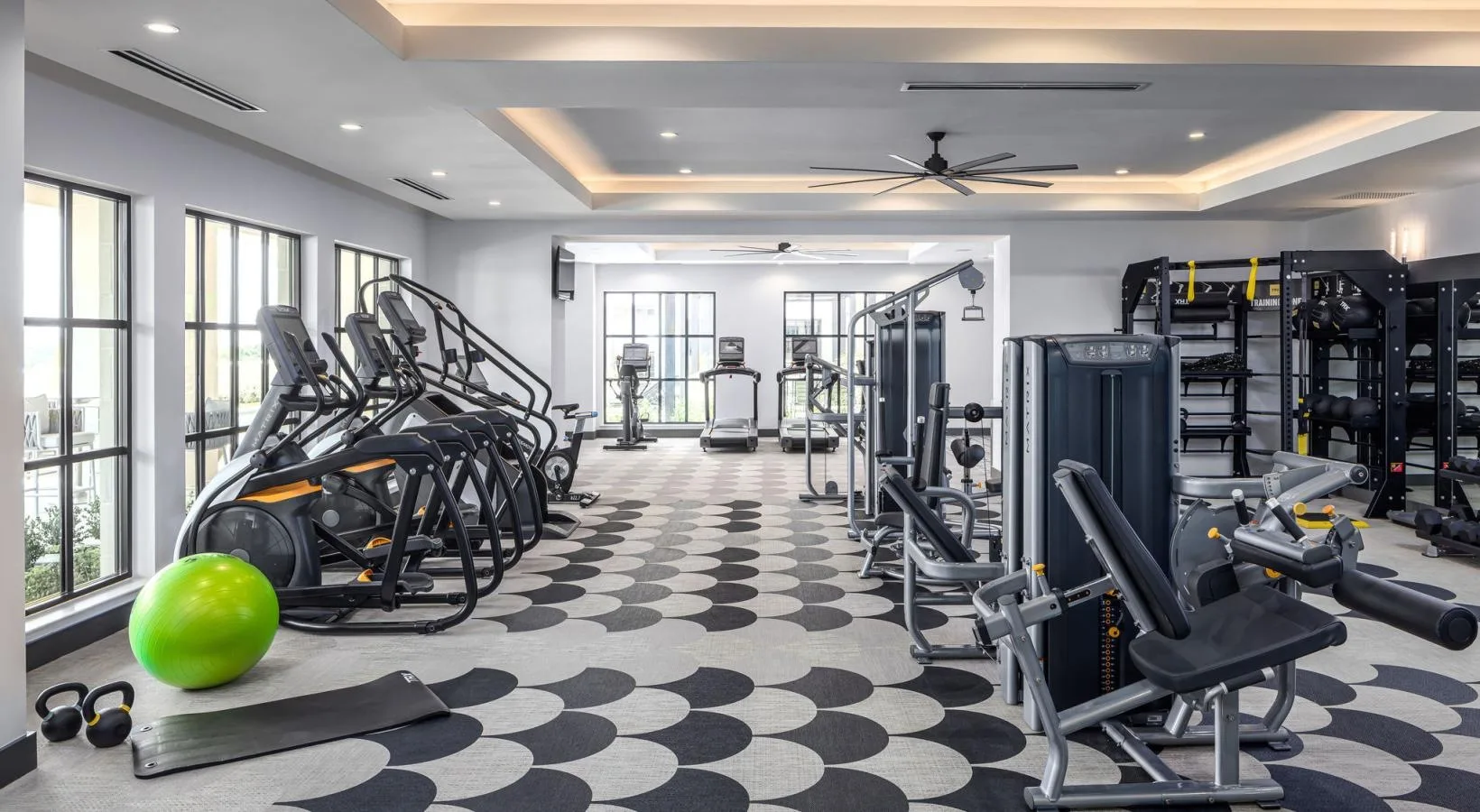
The same thirteen categories we equip nationwide, each with its own page, and each with real Texas work behind it. Apartment and multifamily gyms are the largest share of the business and of the Texas work, with the Dallas apartment cardio room and the Austin apartment strength room both published as render, plan and installed photograph. Student housing gyms run to the College Station indoor-outdoor wellness center; health clubs and training studios and corporate fitness centers are the next largest categories; YMCA and nonprofit gyms include recurring work across the Fort Worth association and its branches.
Public-safety and public-sector rooms are a Texas specialty: fire, police and municipal recreation, with recurring station work in Fort Worth, Grand Prairie, Justin, Katy and Keller and the DeSoto municipal recreation center photographed; Texas jails, prisons and detention centers, with county sheriff’s offices in Longview, Conroe and Decatur; and school and campus recreation, where Texas carries more than 150 college and university orders — university and community college rec centers at UNT, Texas State, TCU, UT Tyler, UTRGV, Baylor, Stephen F. Austin and Tarrant County College, high school, middle school and private school fitness rooms from the Panhandle to the Gulf coast, and the team weight rooms coaches and athletic directors run. The rest of the range is here too: HOA and property-managed gyms, hotel and resort fitness rooms, senior living fitness rooms, physical therapy and medical fitness, and private residences through home gym equipment and luxury home gym design, where 304 Texas home installations since 2020 are the record.
Every service, delivered in Texas by our own people
A Texas project can use the whole range from one office. It starts with fitness facility design and layout, drawn to scale before an equipment list exists; equipment consultation and procurement match the room to more than 50 manufacturers rather than a house line; commercial gym flooring is specified by zone; outdoor fitness covers the courtyards, pool decks and rooftops Texas weather lets a property use most of the year; and recovery and wellness spaces add sauna and cold plunge where a property wants them. Delivery and installation is performed by Fit Supply’s own Texas crews — 3,754 Texas orders shipped as a commercial installation across 2,469 customer sites — and afterwards service and preventive maintenance, extended warranties and finance options keep the room running and paid for. All eleven services.
The brands we supply into Texas
Fit Supply is a multi-brand supplier, and one line is exclusive here: we are the only authorized gym80 dealer in Texas, so that German-built strength line — Pure Kraft, 80Sygnum and the rest — reaches a Texas facility through us or not at all. Alongside it, Matrix cardio and strength, Core Health & Fitness — StairMaster, Star Trac, Nautilus, Schwinn and ThrowDown — FreeMotion, Spirit Fitness and WellnessSpace Brands for recovery, each with real product pages. Every brand page, and the full partner wall on procurement. Which line suits a room depends on budget, feature set and space, not on a house preference.
Texas metros with their own pages
Four metros carry a hub and three spokes each. Dallas–Fort Worth: design, installation, repair. Houston: design, installation, repair. Austin: design, installation, repair. San Antonio: design, installation, repair. Katy has its own repair page, and every installed Texas room with a photograph is on our Texas work, with the full narratives on case studies.
What we handle in Texas

Design and layout
A layout drawn to scale before an equipment list exists, with ADA clearances, floor loading and power planned into it.

Equipment and flooring
Cardio, strength and functional equipment from several manufacturers, plus flooring and mirrors, consolidated into one order and one delivery date.

Installation and after
Delivery, installation and function testing, then finance options, extended warranties and preventive maintenance once the room is open.
Cities We Serve in Texas
We cover 83 Texas markets and the communities around them.
Dallas–Fort Worth
Dallas — metro hub · Fort Worth · Frisco · Coppell · Irving · Grand Prairie · Plano · Lewisville · Forney · Arlington · Carrollton · Southlake · Richardson · Denton · Grapevine · McKinney · Wylie · Keller · Justin · DeSoto · Waxahachie · North Richland Hills · Garland · Mansfield · Euless · Bedford · The Colony · Flower Mound · Hurst · Haltom City · Addison · Little Elm · Farmers Branch · Burleson · Joshua · Midlothian · Allen · Haslet · Rockwall · Roanoke · Prosper
Austin
Austin — metro hub · Round Rock · Bastrop · San Marcos · Pflugerville · Hutto · Georgetown
Houston
Houston — metro hub · Katy · Spring · Cypress · League City · Richmond · Conroe · Pasadena · Pearland · Humble · Sugar Land
San Antonio
San Antonio — metro hub · New Braunfels
North Texas
East Texas
Tyler · Nacogdoches · Longview
West Texas
El Paso · Lubbock · Abilene · San Angelo
the Coastal Bend
the Texas Panhandle
South Texas
the Rio Grande Valley
Southeast Texas
the Brazos Valley
In short
Fit Supply equips commercial fitness facilities across Texas from its Irving office at 1100 North 28th Avenue, Suite 400, Irving, TX 75063, reachable at 877-344-3368, open Monday to Friday, 9:00am to 5:00pm. Installed work spans Dallas, Fort Worth, Austin, Houston and San Antonio, covering apartment communities, YMCA branches, fire departments, corporate wellness centers and HOA fitness rooms, with in-house delivery and installation crews rather than freight drop-off.
Common questions
Sales FAQs
Does our Texas project need a TDLR accessibility review?
If the estimated construction cost is $50,000 or more, yes. Texas Government Code chapter 469 requires the project to be registered with TDLR within 30 days of permit submission and reviewed by a Registered Accessibility Specialist, who also performs the final inspection. Below that threshold the state filing does not apply, but the federal ADA Standards still do.
Which Texas cities does Fit Supply cover?
The whole state. The densest installed volume is across Dallas–Fort Worth, greater Houston, Austin and San Antonio, with coverage extending to the Rio Grande Valley, the Permian Basin, the Panhandle, the Coastal Bend, East Texas and the Brazos Valley. The city list on this page links to a page for each market we serve.
Can you design around columns, low ceilings or an awkward room shape?
Yes — that is the normal case, particularly in a converted amenity space or a retrofit. Columns, soffits, sprinkler heads, door swings and ceiling height all constrain what can go where, and low headroom in particular rules out certain machines outright. We work from the room dimensions you supply, place the constraints first, and then match the equipment mix to what is left.
How long does a gym design take?
Usually one to two weeks, delivered together with an equipment quote. You are not given a single take-it-or-leave-it option: we work through the space with you and typically present two to three quotes at different price tiers, with equipment choices at each, so you can see the trade-offs rather than just a total.
What does your installation include?
It starts with a site survey — we collect the measurements, access details and photographs before anything is quoted, so the install is priced against your actual building. Fit Supply installs essentially anywhere, including situations needing a crane or the temporary removal of railings, and that work is priced into the install rather than surfacing as a surprise. We also handle relocations, extractions, assembly and upholstery, and can provide storage for a fee.
What condition is your used equipment sold in?
In one of three clearly defined conditions. As-Is is sold with no service and no warranty, accepted in its present condition. Cleaned and Serviced means the moving and wear components have been inspected and lubricated, cleaned, calibrated or replaced as needed, cosmetics are not addressed, and it carries a 30-day parts-and-labor warranty. Remanufactured means returned to like-new working condition with a painted frame and replaced wear components, and carries a 90-day parts-and-labor warranty. Used sales are final, and stated model, age, hours and specifications are approximate.
Are you responsible for damage to floors or doorways during delivery?
No, and this is worth planning around rather than discovering. Our terms exclude liability for damage to driveways, floors, walls, doorways, landscaping and other property along the delivery and installation path, including damage from delivery vehicles, which can weigh up to 12,000 lbs. You are asked to disclose conditions likely to cause damage before delivery. In practice the fix is cheap and boring: tell us about the soft driveway, the new lobby floor or the tight turn in advance, and we will protect it, use a smaller vehicle, or price curb-side delivery instead.
Why buy through Fit Supply rather than direct from a manufacturer?
Because a single manufacturer can only sell you what it makes. Fit Supply carries more brands than most dealers, including some of the strongest lines in the industry, and that breadth extends into recovery and flooring where the specialist options genuinely differ. That means the equipment mix is chosen around your facility rather than around one catalog — and it comes with the design, installation and service around it.
Service FAQs
How is a preventive maintenance plan priced?
By the tier, how often a technician comes out, and how many cardio and strength pieces are on the floor, counted in bands of ten — a room with 14 machines and a room with 19 fall in the same band, so growing a little does not change the quote. A portfolio of properties can also be priced together, with the rate improving as more properties come on to the same plan.
Can someone walk our equipment before we commit to a plan?
On many jobs, yes — ask when you request the quote, since a walkthrough of the room first means the plan is priced against what is actually on your floor rather than a guess. Where it is offered, it is written into that quote, and it is a different visit from a paid trip and diagnostic, which is what gets booked once a specific machine is already down.
Does a maintenance plan lower the cost of a repair?
Yes. A facility on a plan gets a reduced labor rate and a discount on parts when a repair is actually needed, not only on the scheduled visits — a plan does not stop equipment from breaking, it catches the problem earlier and smaller, and the repair that follows is billed at the plan rate rather than the standard one. Exact rates are set out in your quote.
Is there a record left after each visit?
Yes, machine by machine, at every tier — not only the top one. It is the same documentation a board, a property manager, a school or a clinic keeps on file, and it is what answers the question that comes up after any incident: was this piece of equipment actually inspected and maintained, and when.
Does staying on a maintenance plan matter for the warranty?
It helps. Under ASTM F2276, manufacturers are required to publish maintenance instructions for their equipment, and several will ask for evidence that a machine was kept to that schedule before honoring a warranty claim. A dated, per-machine service record is exactly that evidence.
Which equipment gets the most value from a maintenance plan?
Strength equipment first, because it fails with no warning at all — a selectorized machine works exactly as well the day before a cable snaps as it did a year earlier. Stair climbers are next, since their cables and springs carry a user’s full body weight, then treadmills, where a rising amp draw shows a motor working harder before anyone using it can feel it.