


Capital, operating, or one after the other
Gym Equipment
Financing and
Leasing
Fit Supply can structure a fitness project as a purchase, a financed purchase or a lease, through a network of finance partners, so the payment matches the budget it has to come from. Available in all 50 states.
- Terms of 12 to 60 months
- Part of a project, or all of it
- Businesses, public buyers and individuals
- Quoted alongside the equipment
- 2budgets a gym can come from: capital or operating
- 12–60month terms through our finance partners
- 100%of a project can be eligible, subject to approval
- 50states
Commercial Gym Equipment Financing, Leasing and Phasing
Capital and operating money approve on different cycles, at different levels and against different thresholds. The equipment is identical. The path to a signature is not, and for many buyers that is what decides whether a room happens this year.
So the structure is settled with the quote, not after it. We set out what applies to your project, put you in front of a provider, and have whatever is agreed written down before you commit.
Timing, not cost
Five Ways to Pay for Gym Equipment
The same room, paid for five ways. Red is money going out; the bar underneath is who has the equipment when it stops.
Buy it
Once, at the start. A capital item.
Yours
Phase it
In two or three budget years, on one drawing.
Yours, room by room
Finance it
In monthly payments over the term.
Yours at the end
Lease it
In monthly payments, for as long as the floor suits you.
Buy, renew or return
Lease-purchase
For a public buyer, one appropriation a year.
Yours when paid
A drawing of when money moves. It shows no amounts, and the lengths are examples: terms are set by the provider.
They look alike month to month
Leasing or Financing Gym Equipment
The difference is at the end, and in which budget the payment sits in meanwhile.
| Usually which budget | At the end | Tends to suit | |
|---|---|---|---|
| Purchase | Capital | It is yours | Owners who keep equipment to the end of its life |
| Phased purchase | Capital, across two or three years | It is yours, a phase at a time | Budgets approved annually |
| Equipment finance | Capital, spread | It is yours | Buyers who will keep it and want the cash for something else |
| Lease with a nominal buyout | Often treated like a purchase | Ownership transfers for a nominal sum | The same, where a lease is easier to approve |
| Fair-market-value lease | Often operating | Buy at market value, renew, or return and replace | Properties that refresh the floor on a cycle |
| Municipal lease-purchase | Annual appropriation | It is yours when the last one is paid | Cities, schools, fire and police |
How any of these is treated on your books is a question for your own finance or accounting adviser, and worth asking before the quote is signed.
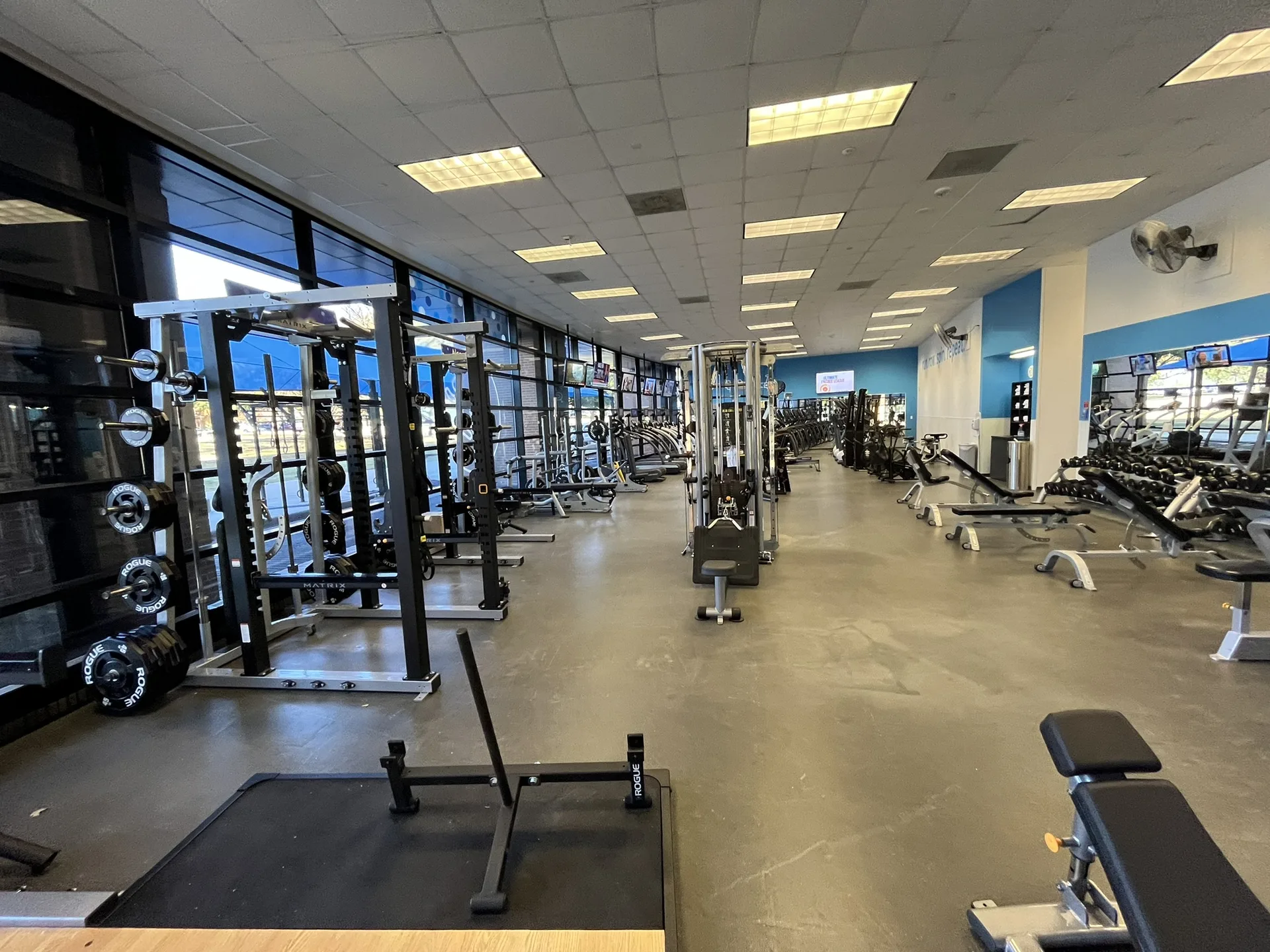 Corporate campus, Fort Worth, TX
Who has to approve it
Capital or Operating Budget?
An outright purchase is generally a capital item. It competes with every other capital request on an annual cycle, and often needs a board or an owner above a threshold.
A periodic payment may fall inside an operating budget that a property or facilities manager already controls. The equipment is the same, and the number of signatures is not.
- Which threshold sends it to a board
- When the next cycle opens, and when this one closes
- Whether a monthly figure can be approved locally
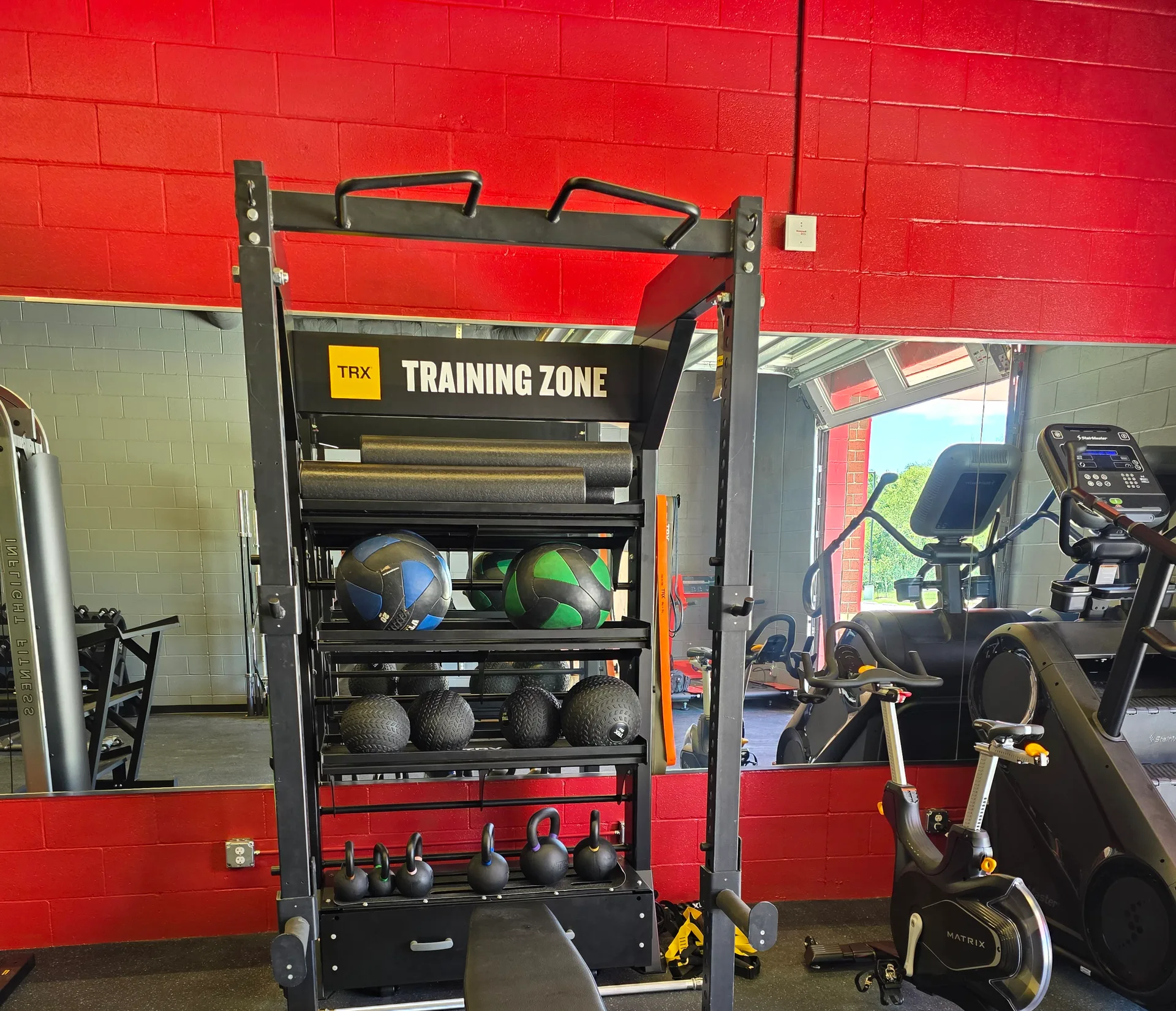 Fire station, Buda, TX
Fiscal years and thresholds
Financing for Cities, Schools and First Responders
Public buyers work to fiscal-year boundaries, procurement thresholds and bid requirements, and some have lease-purchase mechanisms that private buyers do not.
Those rules are easy to build a quote around and slow to retrofit into one. Tell us what you have to work inside, and the paperwork arrives in that shape.
- Dates set to the fiscal year
- Quotes itemized the way the policy asks
- Contract vehicles and bid language, where they apply
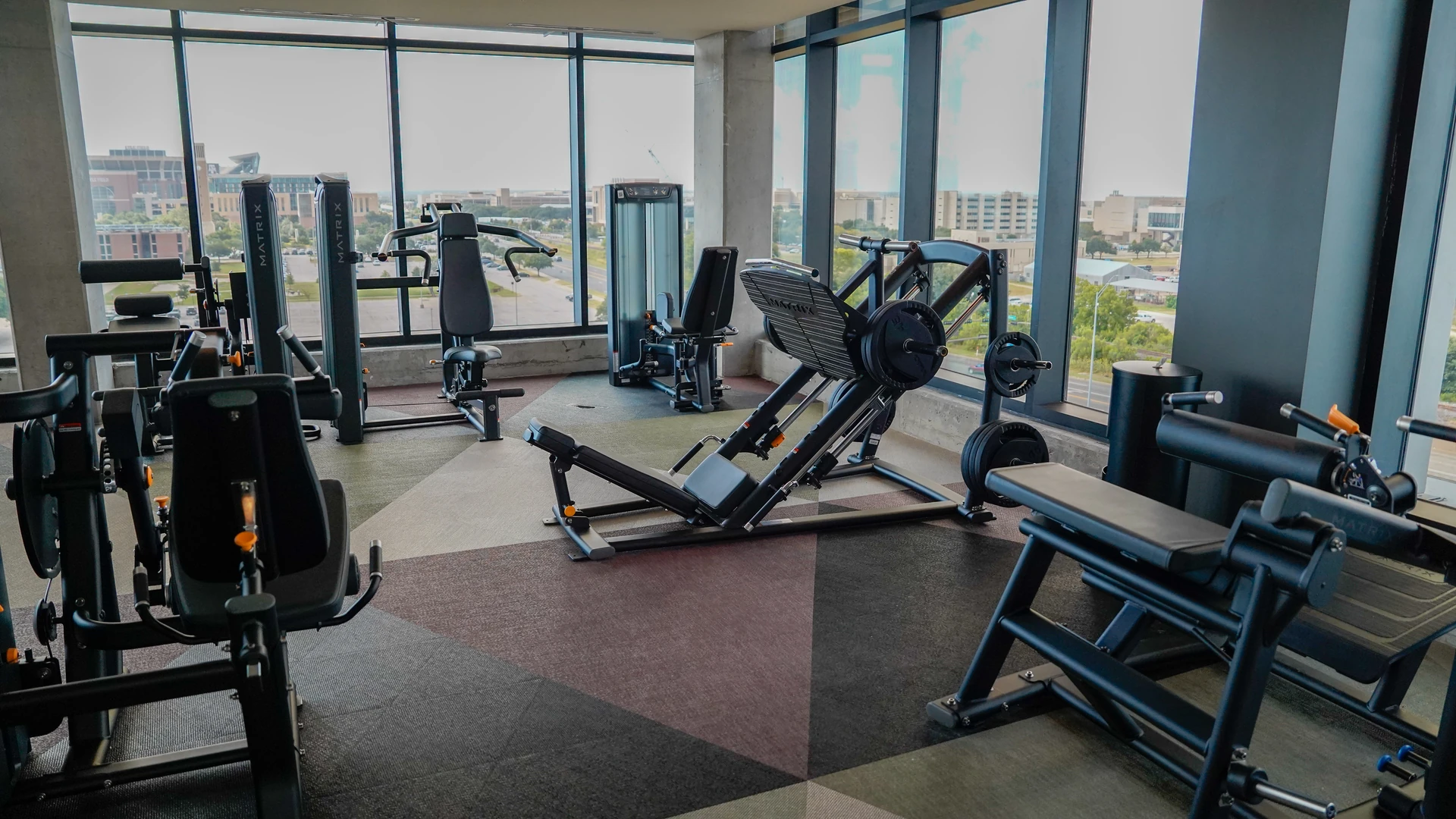 Student housing, Texas
A dozen rooms on a cycle
Equipment Financing for Property Portfolios
A group replacing equipment across a dozen communities has a different cash question from a building that buys a room once. A rolling lease turns replacement into a line that does not spike, and a purchase schedule does the same for owners who would rather hold the equipment.
Either way the rooms are specified to one standard, so a machine from one can keep another running.
- One specification, several properties
- Trade-in value taken off what is coming in
- Turn dates and openings that do not move
More than the machines
What Gym Equipment Financing Can Cover
The wider project can often be included, which matters because floors, installation and removal are a real share of it. What is eligible is the provider’s call, and it is confirmed before you rely on it.
The equipment
Cardio, strength, functional, studio, recovery and technology, from any of the makers we carry, on one agreement.
The floor under it
Rubber, turf, plank, mirrors and wall graphics, so the room is finished from the same approval.
Getting it in, and the old out
Delivery, installation and removal, with the value of what is traded in settled at the same time.
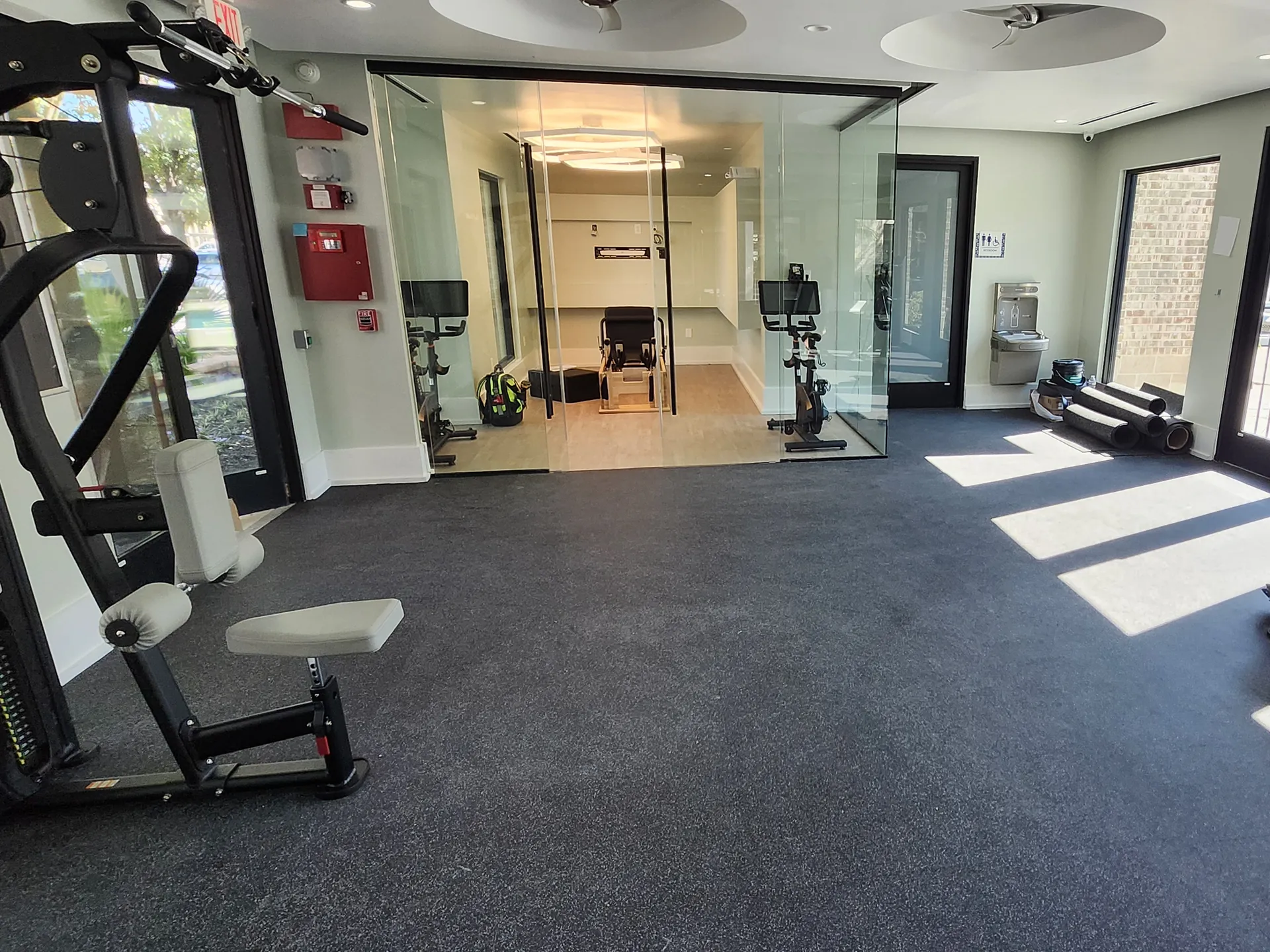
From a quote to a room
How Gym Equipment Financing Works
The application is short. The useful work is in the first two steps.
Quote the room
Equipment, floors, delivery and removal on one proposal, good for thirty days.
Choose the shape
Purchase, finance or lease, set against the budget it has to come from.
Apply online
A short application with one of our finance partners, part of the project or all of it.
Get it in writing
The provider’s decision and terms. Nothing is committed until they are documented.
Order
A 50% deposit applies to every order; how it is met is part of what you agree.
Install
One delivery to a finished room, by our crews or our partners.
Know the number you can approve?
Send the monthly or the annual figure that works, and what the room has to do. We will quote backwards from it and say what it buys.
Before you sign anything
Questions to Ask Before You Lease
None of them is about the payment, and each changes what it costs you in the end.
What happens on the last day?
Ownership, a purchase at market value, a renewal, or a truck to take it away.
Who maintains it?
You do, usually, and a return in good condition needs a service record to prove it.
What if the property sells?
Some agreements transfer and some are settled. It is a common question in multifamily.
Can a room be added?
A second phase, a swap or an upgrade part-way through, and on what terms.
Available in all 50 states
Gym Equipment Financing in All 50 States
Finance options are available nationwide. The buyers they matter most to are the ones running several properties rather than one — a management group replacing equipment across a dozen communities on a rolling cycle has a very different cash-flow question than a single building buying a room once.
- Apartment and multifamilyRolling replacement across a portfolio, on a lease cycle rather than a purchase
- Student housingCapital timed to a turn window that does not move
- TexasWhere a single owner most often runs several properties we already serve
- ArizonaEquipped and serviced from Chandler, on the same terms
Terms vary from deal to deal and a 50% deposit is required on all orders; anything beyond that is confirmed in writing on your quote rather than promised on a web page. Where equipment is being replaced rather than bought new, the trade-in value of what is coming out is worth settling at the same time — see replacing one piece of gym equipment and fitness amenity decisions by project stage. How the order being financed is put together is on gym equipment procurement.
In short
Fit Supply can structure a fitness equipment project as a purchase, a phased purchase, equipment finance or a lease through a network of finance partners in all 50 states, with terms of 12 to 60 months and part or all of a project eligible, subject to the provider’s approval. The choice usually turns on whether the money is capital or operating. Call 877-344-3368.
Gym equipment financing questions
Should we lease or buy our fitness equipment?
It depends less on the equipment than on which budget the money comes from and how long you intend to keep it. Buying is generally a capital item with a longer approval path; a periodic payment may sit inside an operating budget that is already controlled locally. Term-end intentions matter too: whether you expect to keep, replace or refresh the floor. This is worth discussing with your own finance adviser alongside us, since the accounting treatment is specific to your organization.
What finance terms are available?
Our partners’ terms generally run from 12 to 60 months. Which structure and which term apply to you depend on the finance provider, the equipment and the applicant, so anything more specific would be misleading until your situation is assessed. What we can do is set out the options that apply to your project and the equipment in it, and have them confirmed in writing before you commit.
Can a municipality or school district finance equipment?
Frequently yes, and public entities often have mechanisms available to them that private buyers do not, including lease-purchase arrangements structured around fiscal-year appropriations. The constraints tend to be procedural rather than financial: procurement thresholds, bid requirements and fiscal-year timing. Tell us which apply to you at the start, because a quote built to satisfy them is considerably faster than one that has to be reissued.
Is finance subject to approval?
Yes. Any finance or lease arrangement is subject to the provider’s credit assessment and their terms, and nothing is committed until that is complete and documented. We can tell you what options exist for a project of your type and put you in front of them, but neither approval nor a specific rate is something we can promise in advance. Everything that is agreed is written into your quote rather than left to a conversation.
Can financing cover installation and flooring as well as equipment?
Often the wider project scope can be included rather than just the equipment line, which matters because flooring, installation and removal can be a meaningful share of a build-out. What is eligible depends on the provider and the structure, so it is confirmed rather than assumed. If you want the whole scope funded together, say so when you request the quote and we will structure the proposal that way from the start.
Do you finance home gyms?
Financing is available to individuals as well as to businesses, through the same network of providers and subject to the same approval. Tell us it is for a residence when you ask, because the application and the terms differ. The design and the equipment are the same standard either way: see luxury home gym design.
Can a trade-in reduce what we finance?
Where the equipment coming out still has value, yes. We take it in trade, and its value is settled on the same quote, so what you finance is what is left. Tell us what is in the room, with makes and models if you have them, when you ask for the proposal.
Are you financial advisers?
No. We supply fitness equipment and can connect you with finance providers. We will explain how the structures usually differ, but which one is right for your books, your taxes or your covenants is a question for your own accountant or finance adviser.