50+ Brands, One Recommendation
The Brands We Draw From
No house line — the room and the budget decide which of these fits, never a preferred manufacturer.




































How the mix gets decided
Choosing equipment for a population, not a catalog
The right equipment list is a function of who uses the room, when they use it, and what the budget has to cover. A package chosen without those three is a guess with a price on it.

Start from who is actually in the building
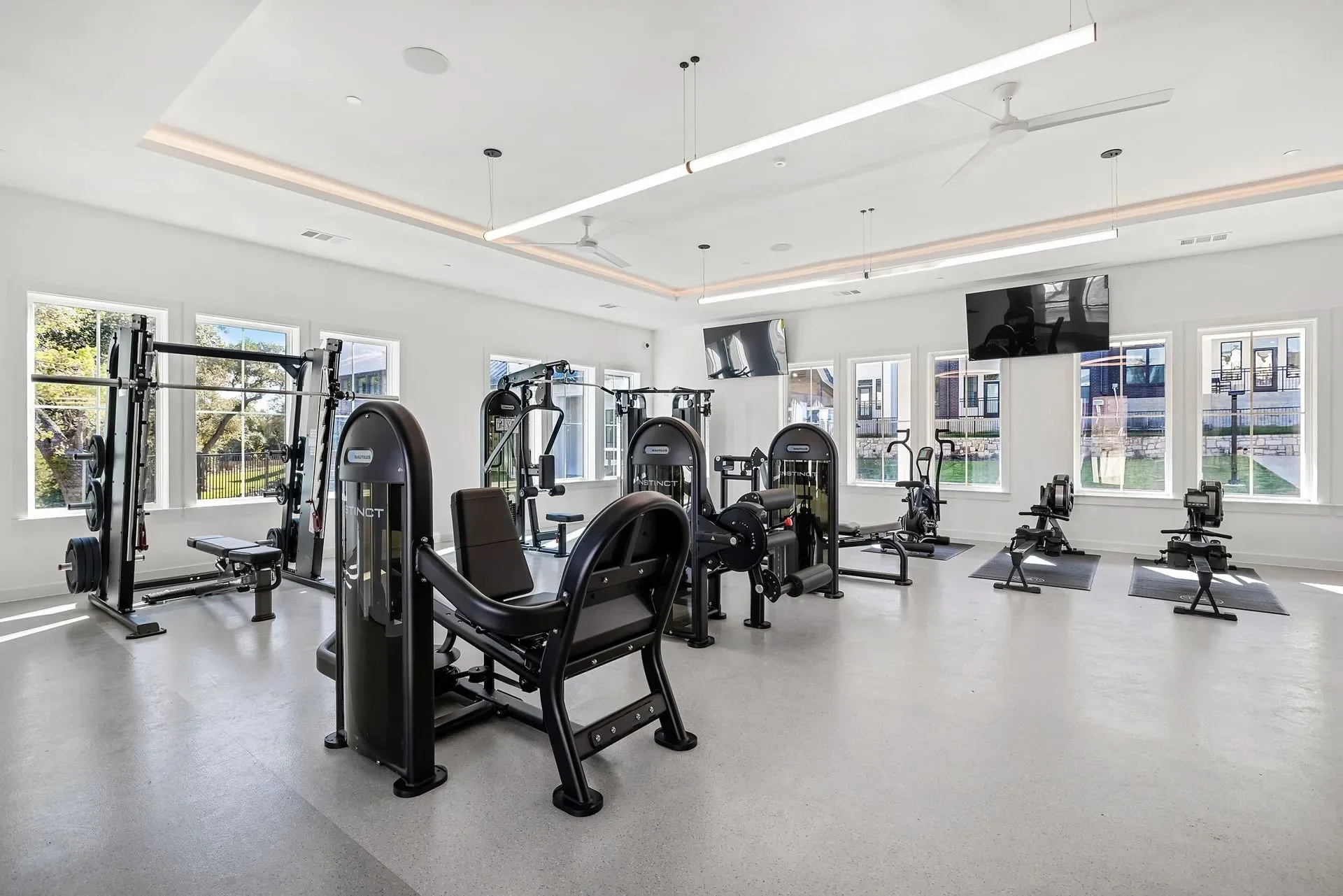
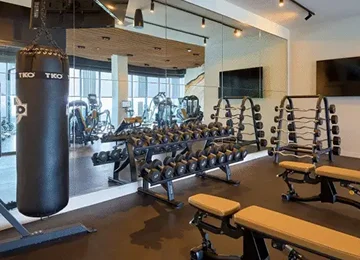
A 300-unit multifamily community, a fire station, a student housing block and a senior living community produce entirely different demand curves from the same square footage. Resident age profile, peak-hour concentration, whether the room is staffed or unattended, and whether users are training or maintaining all change the mix. Unattended amenity rooms in particular favor equipment that is safe to use without instruction — which narrows the free-weight side considerably.

Ratio before brand
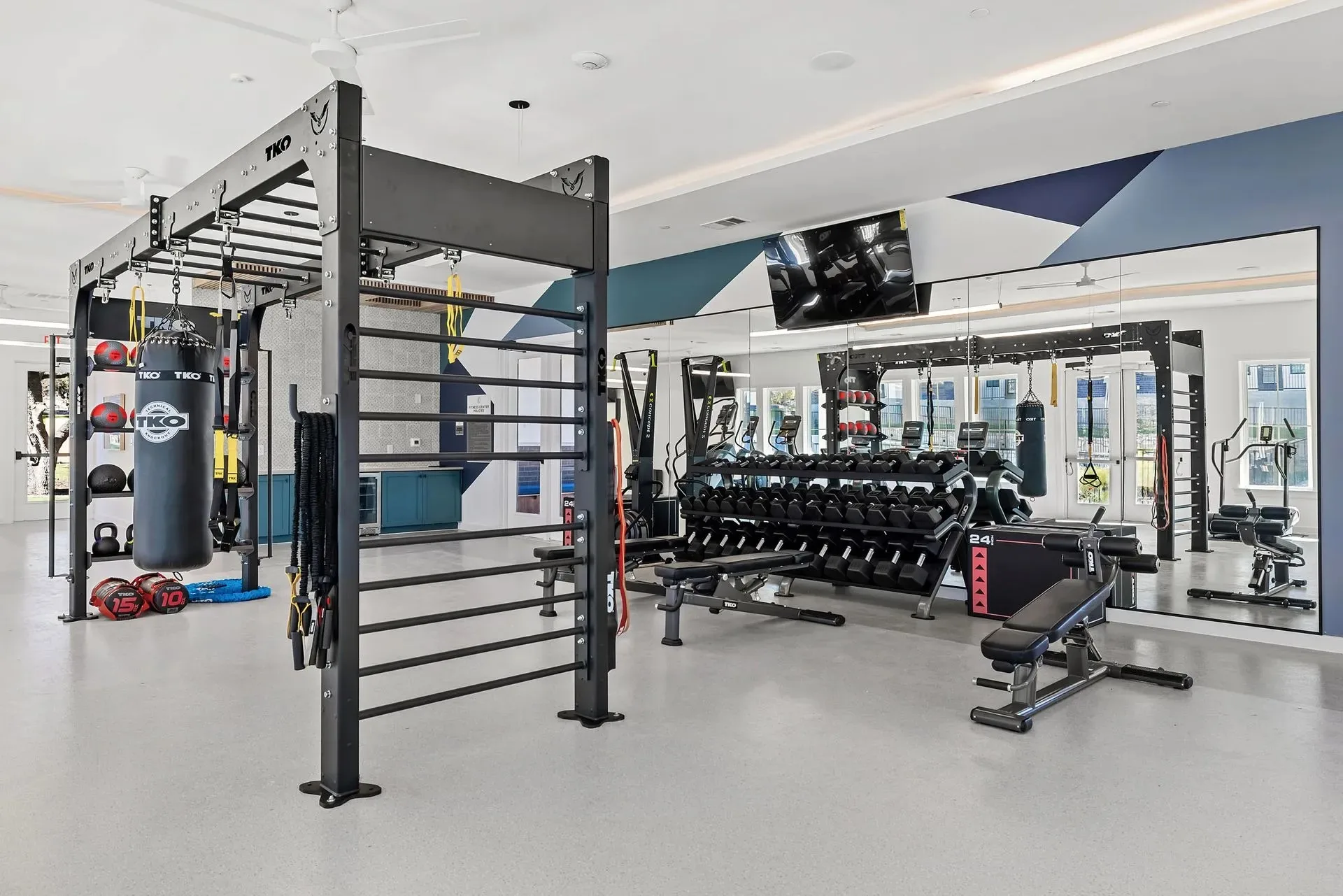
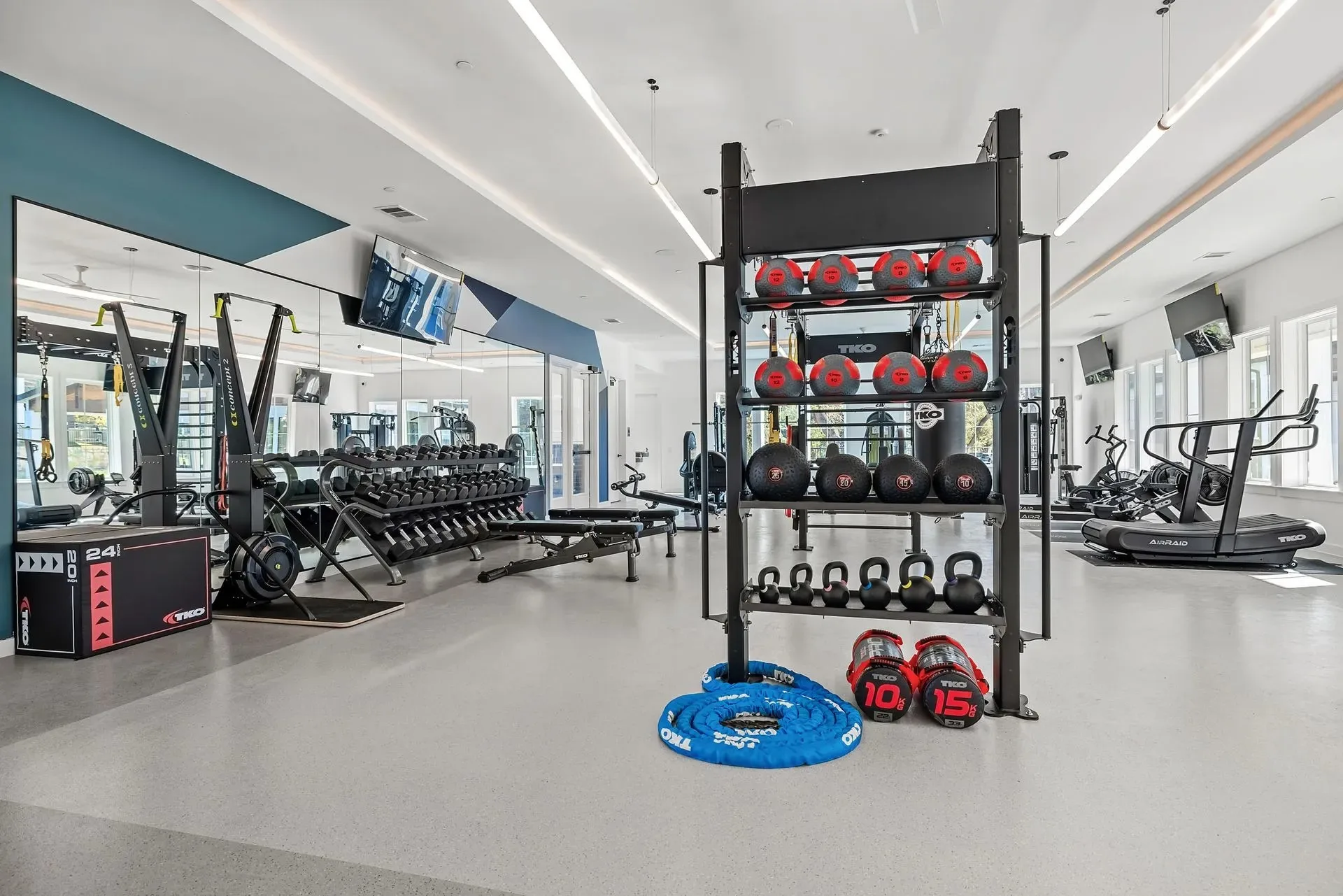
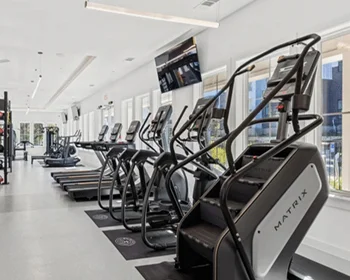
The split between cardio, selectorized strength and free-weight or functional training is the decision that shapes the room; which manufacturer supplies each piece comes after. Getting the ratio wrong is what produces the familiar failure of six treadmills with a queue at 6 pm and a strength section nobody touches. We work the ratio against your population and your floor area first, then bring brands to it.

Options at more than one number
We typically present two to three quotes at different price tiers with different equipment choices at each, rather than one proposal. That is deliberate: a single number hides the trade-offs, and a committee approving capital spend generally needs to see what the money buys at each level. Where a budget will not cover the room in one go, phasing is a legitimate answer — and a layout drawn now can leave the second phase a place to land.
The mix changes with the market
The Room Decides, and Rooms Are Local
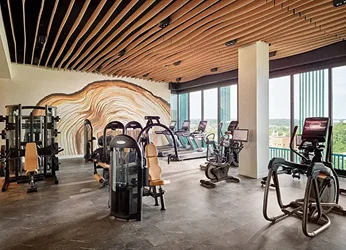
Equipment consultation is nationwide. The reason it is not a catalog exercise is that the right specification genuinely differs by market and by building — the same budget buys a different room in a downtown high-rise than in a suburban clubhouse, and a facility type changes it more than a ZIP code does.
- Dallas–Fort Worth The broadest facility mix we serve: apartments, corporate, municipal and clubs
- Phoenix Weighted toward apartment amenity rooms and active-adult communities
- San Antonio Heavier free-weight and functional specification than a pure apartment metro
- Thirteen facility types From apartment amenity rooms to hospitals, fire stations, jails and student housing
No manufacturer is favored over another here, and that is a commercial position rather than a slogan: carrying more than 100 lines means the mix on a project is matched to what the facility actually needs — budget, feature set and space — instead of to what we are tied to. The two questions that decide most rooms are covered in choosing the equipment mix and how to read a fitness center layout.
Equipment selection questions
What mix of cardio and strength should an amenity gym have?
There is no single correct ratio, because it follows the population and the room. A residential amenity gym serving a broad age range typically leans toward cardio and selectorized strength that is safe to use unsupervised, while a fire station or a student housing facility usually justifies a heavier free-weight and functional allocation. We set the split against who uses the room and the floor area available, then choose specific equipment inside it, rather than starting from a package.
How many treadmills does a 300-unit community need?
It depends on peak-hour usage far more than on unit count, so we size against expected concurrent users rather than a per-unit rule of thumb. What matters is how many residents are likely to be in the room at 6 pm on a weekday, how much of the floor is available for cardio once ADA clearances and circulation are taken out, and whether there are enough dedicated 20-amp circuits to support the bank. We work that through with you as part of the layout.
Do you charge for an equipment consultation?
It depends on the project, and it is confirmed in your quote rather than assumed. Fit Supply can consult on a specification, produce the design itself, or do both, and where equipment is purchased through us design work is frequently included. Ask when you request the quote and we will tell you exactly what applies to your project before you commit to anything.
Can we phase the build-out over more than one budget year?
Yes, and it is common where capital is approved annually. The important part is that phase one is laid out with phase two already located, so the second tranche of equipment lands in a room that was planned for it rather than wherever there happens to be a gap. Power and flooring in particular are far cheaper to provide once, up front, than to retrofit into a finished amenity space two years later.
Should we consider used equipment to stretch the budget?
It is worth considering, particularly where the budget will not cover the room in new equipment. Properly reconditioned commercial equipment will typically outlast new light-commercial equipment at a similar price, and it lets a build-out budget cover more of the floor. Availability moves, so ask what is in stock when you request a quote and we will tell you what is genuinely available rather than what is theoretically possible.