

Infrastructure notes
Recovery amenities have building requirements
Recovery is the fastest-moving category in amenity design and the one most often specified without checking what the room can support. Power, water, ventilation and drainage decide what is actually installable.

Saunas are an electrical and ventilation question
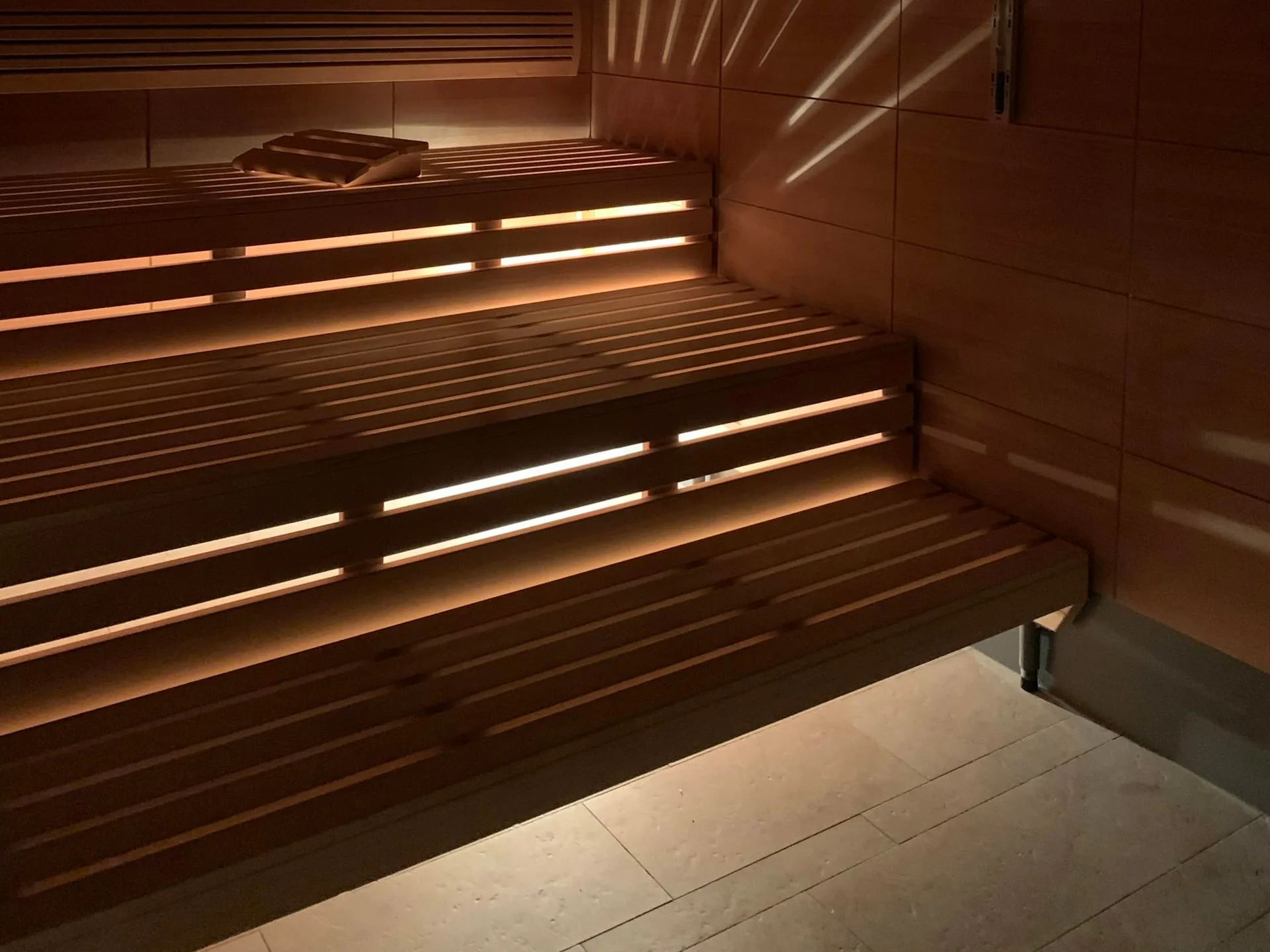
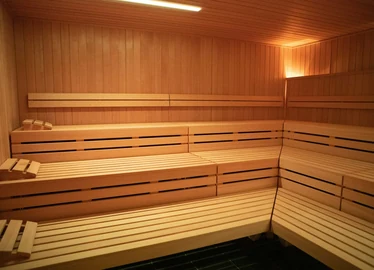
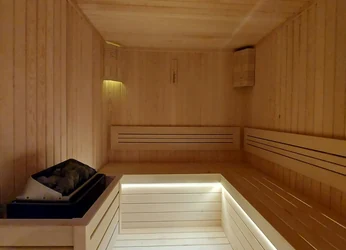
Sauna types differ in how they heat and therefore in what they demand from the building. Traditional and infrared cabins have materially different electrical requirements, and larger units commonly need a dedicated higher-capacity circuit and, in some cases, a hard-wired connection rather than a plug. Ventilation, clearances to combustible surfaces and the wall and ceiling construction around the cabin are part of the specification, not details to resolve after delivery.
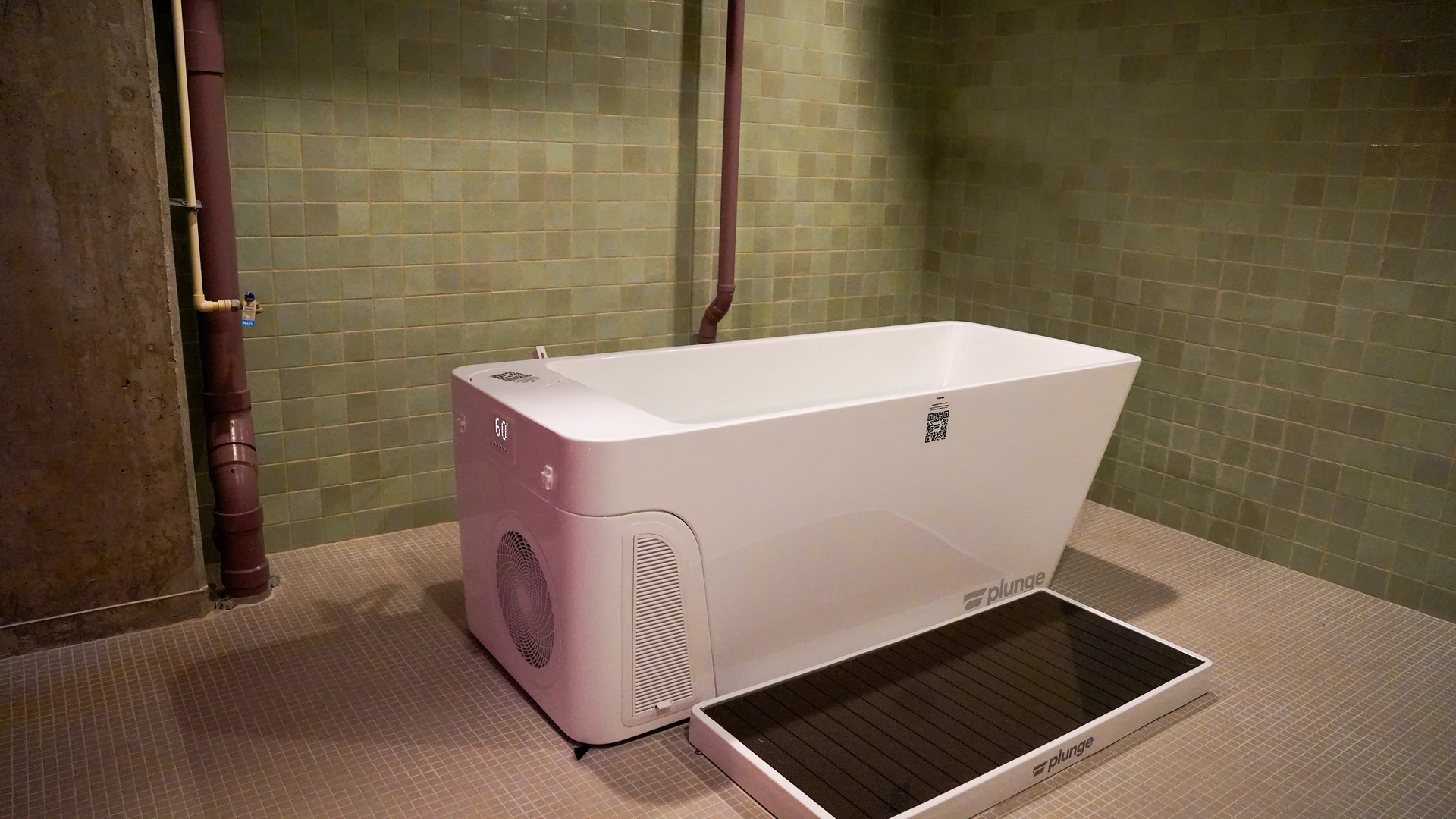

Cold plunge means water, drainage and GFCI
A cold plunge is a powered appliance containing water, which puts it in a different category to everything else on the floor. Fill and drain arrangements, floor drainage or a plan for emptying it, ground-fault protection, water treatment and filtration, and the combined weight of unit plus water on the structure all need answering before it is ordered. Retrofitting drainage into a finished amenity room is one of the more expensive discoveries available.

Low-infrastructure options exist and are underrated
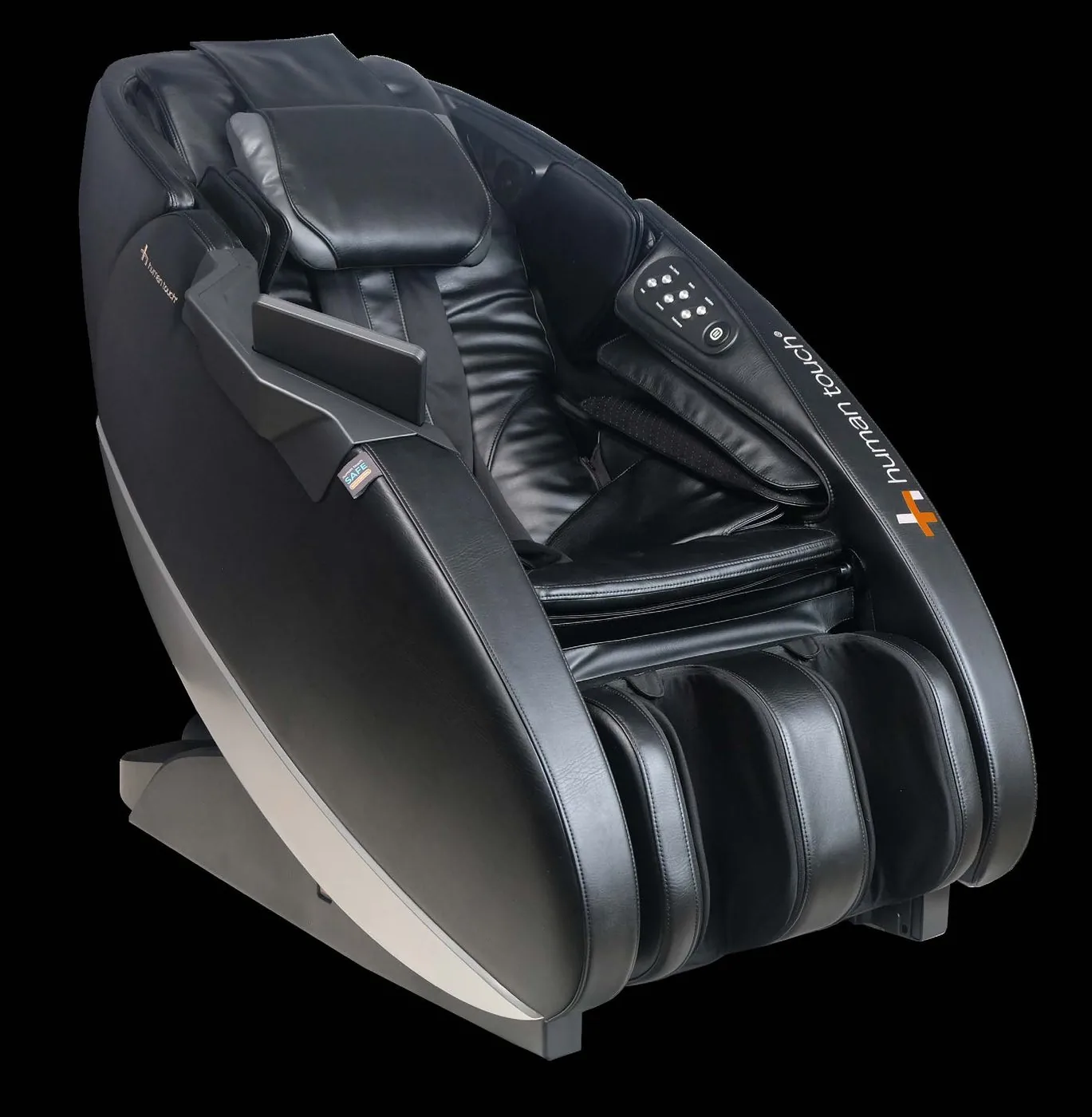
Where a building cannot support water or heavy electrical loads, compression systems, percussive therapy devices, massage chairs and stretching or mobility zones deliver a genuine recovery offer with little more than a power outlet and floor area. For many multifamily and corporate amenity spaces this is the realistic specification, and it can be introduced in phases as budget allows rather than deferred until a full wet-area build-out is affordable.
Recovery is the amenity residents plan their week around
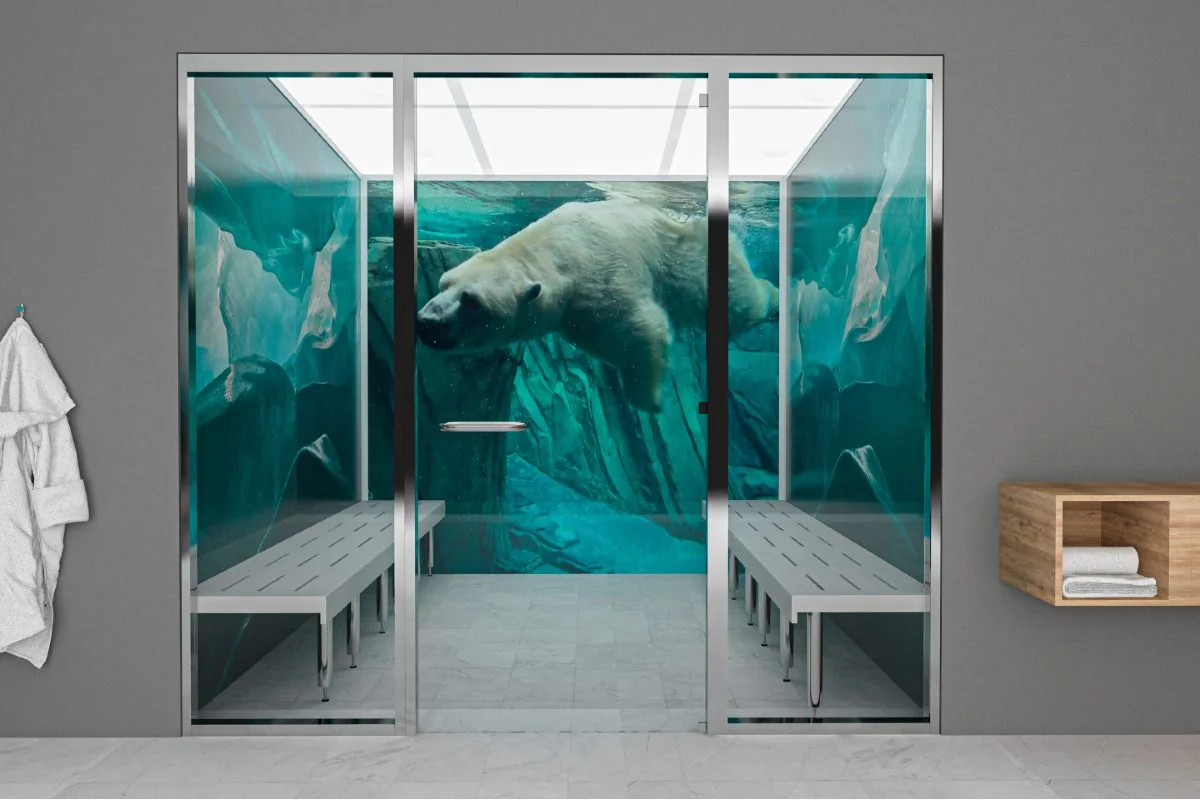
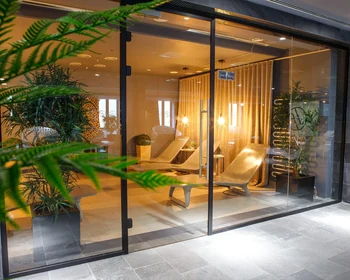
A recovery room is a design job before it is an equipment order. We render the space — benching, lighting, glass, drainage and ventilation — and get it approved before a panel ships, which is why these rooms look designed rather than assembled.
- 7recovery modalities supplied and installed
- 50+manufacturer partners, so the specification is not tied to one brand
- 2007equipping commercial facilities since
What we supply
A complete recovery suite, specified and installed
-

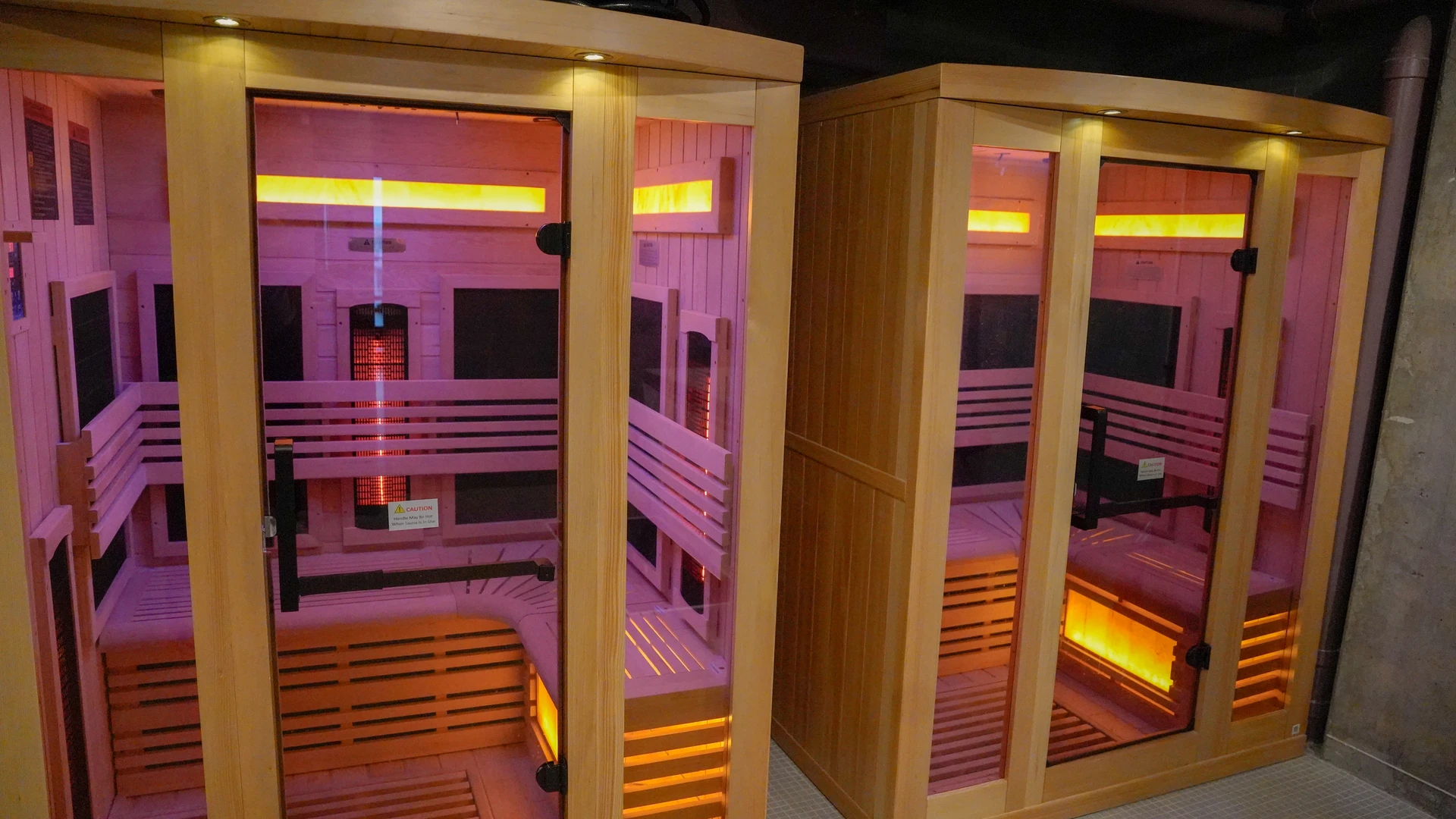
Infrared saunas and frost rooms
Infrared cabins and cold-therapy rooms are rendered like any other space — benching, lighting, finishes and glass approved before a panel ships.
-
Red light therapy
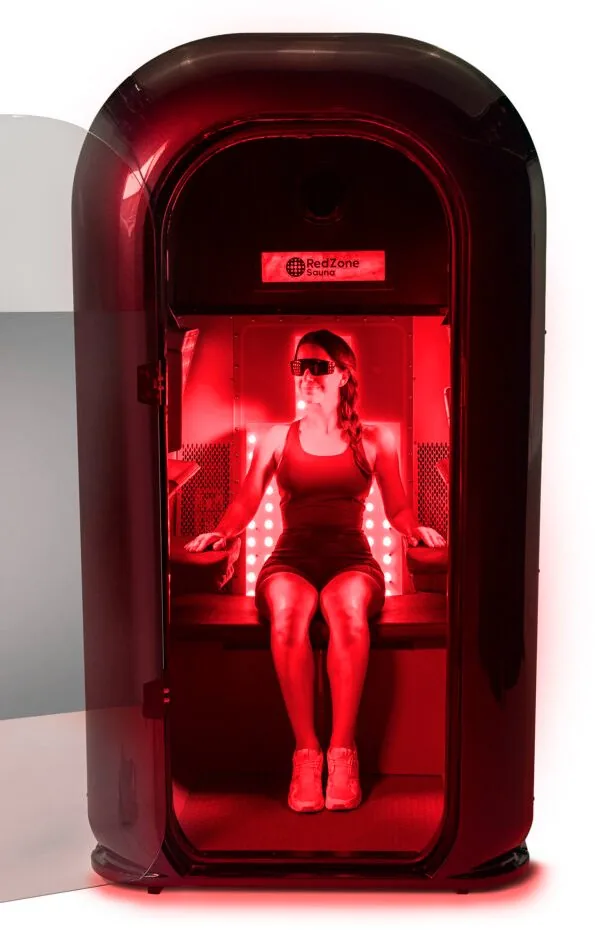
RedZone red-light sauna pods for full-body light therapy, sized to sit inside an existing amenity room rather than needing one of its own.
-
Cold plunge pools
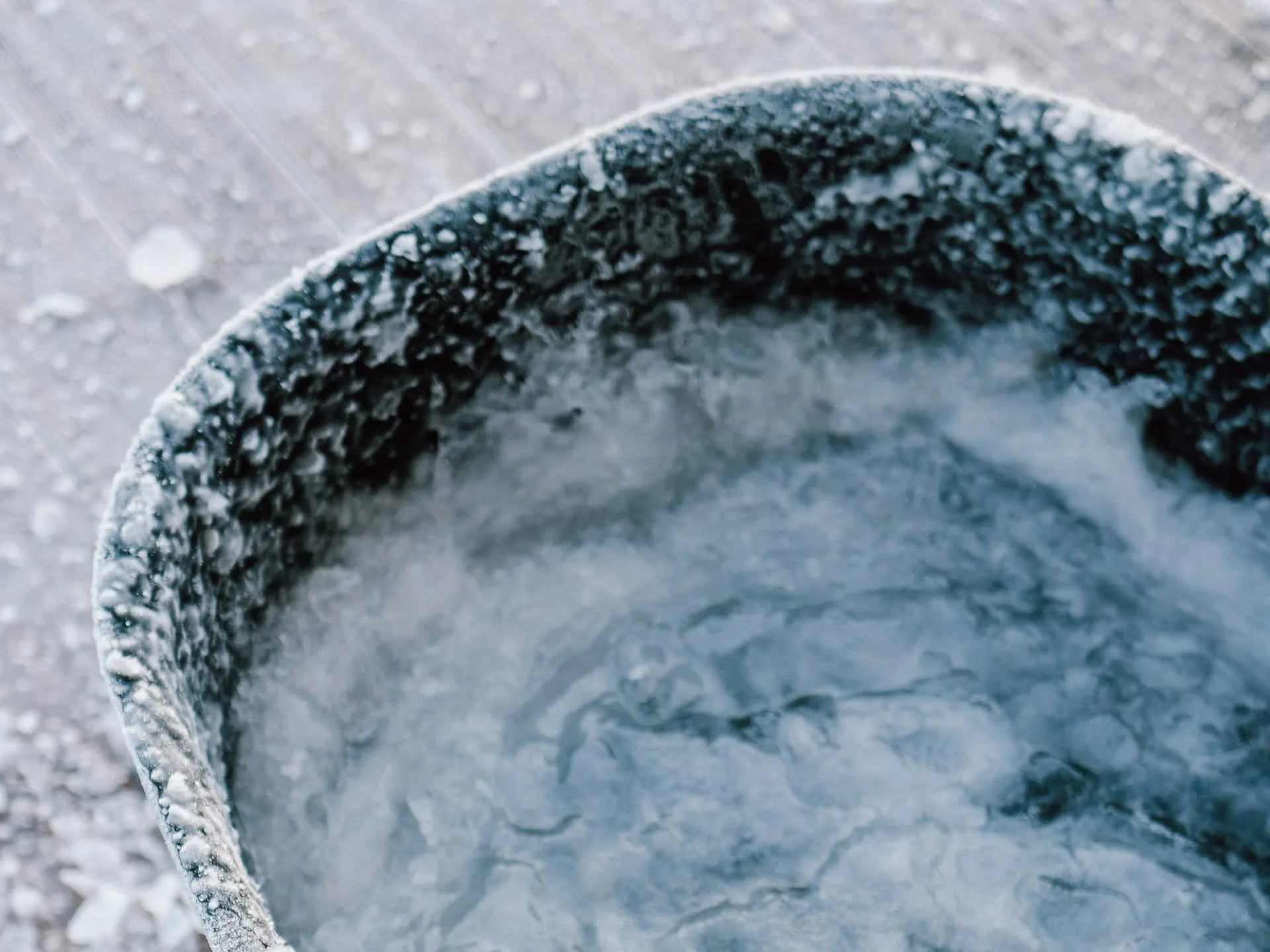
Cold plunge and contrast therapy, the fastest-growing request in multifamily recovery — and the one with the most plumbing and electrical to settle early.
-
Dry plunge pods
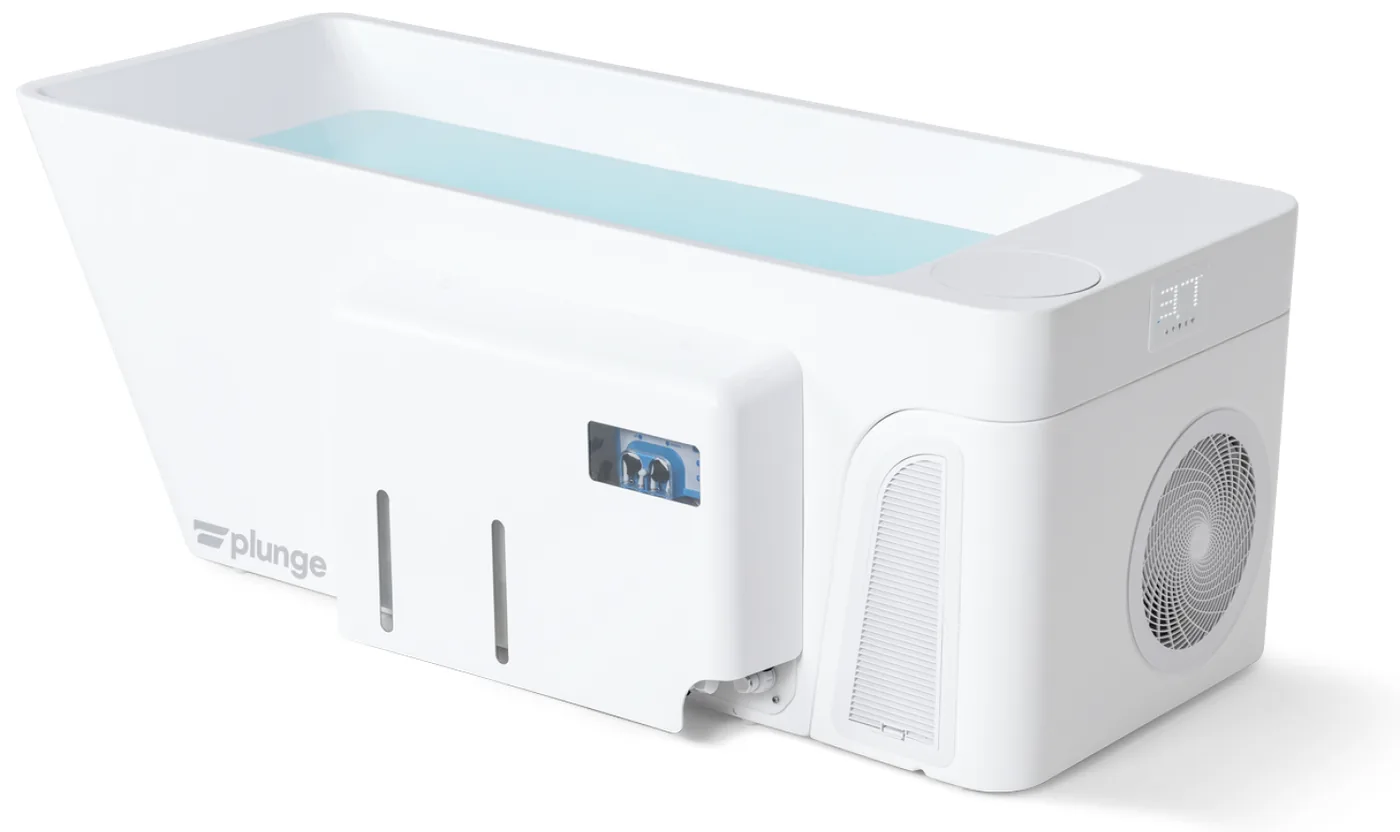
PolarWave dry-plunge pods deliver cold therapy with no water contact and no staff, which removes most of the reason a cold amenity gets refused.
-
Contrast cryo loungers
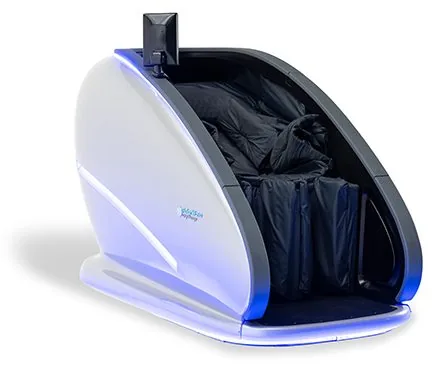
Cryo-massage loungers run zero-staff and all day, so a recovery corner earns its floor space without adding a payroll line.
-
Water-massage loungers
Dry-heat water massage in minutes, with no water contact, no staff and no downtime between residents.
-
Hyperice recovery
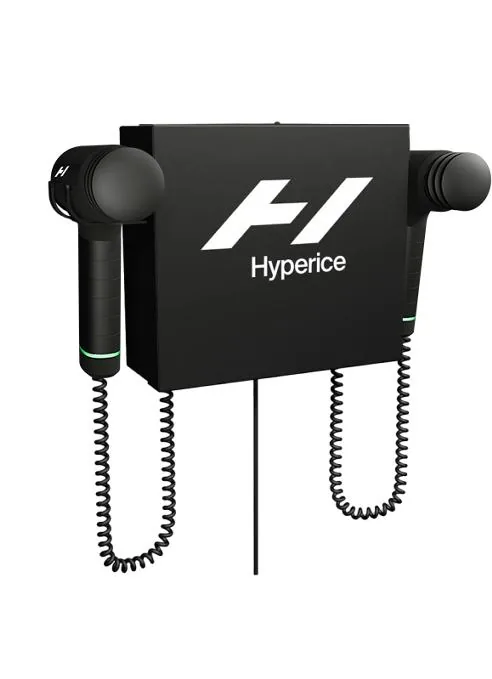
Percussion, Normatec compression and recovery loungers — pro-grade equipment residents already know from their own training.
Where recovery is actually going in
The Fastest-Growing Room in the Building
Recovery is supplied and installed nationwide, and it is the newest category on this site — which makes where it is landing more useful than a job count. It is going into amenity buildings competing for residents, into student housing being built now, and into clinical and training rooms that had a treatment table and nothing else.
- Apartment and multifamily Where a sauna or plunge is a leasing differentiator rather than a fitness purchase
- Student housing The top of this market pairs fitness with a wellness suite as one program
- Austin The Texas metro building the most new amenity space to put it in
- Phoenix Where contrast therapy meets a climate that makes cold genuinely valuable
A recovery room is a building question before it is an equipment question — a plunge needs a chiller, a drain and a floor that can take the water, and a sauna needs clearance to combustible construction and real ventilation. Both are cheap while the walls are open. We wrote up what a cold plunge needs from the building and adding recovery to an existing amenity room for exactly that reason. A real installed example: the Tempe apartment climbing wall and turf deck.
More on recovery and wellness spaces
Saunas, cold plunge and contrast therapy as a building question first — power, water, drainage and ventilation before a product list.
Recovery questions
What does a recovery area typically include?
It ranges from a corner with compression boots and percussive devices to a full wet-area build-out with sauna and cold plunge. Common components are infrared or traditional sauna, cold plunge or cold therapy, compression systems, percussive therapy, massage chairs and a stretching or mobility zone. What is appropriate is usually decided by what the building can support in power, water and drainage rather than by preference — which is why that gets established first.
What power and plumbing does a sauna or cold plunge need?
More than most amenity equipment, and it varies by product. Saunas differ substantially between infrared and traditional types, with larger cabins commonly requiring a dedicated higher-capacity circuit and sometimes a hard-wired connection. Cold plunges need ground-fault protection plus a fill and drain plan, water treatment and consideration of the combined weight of unit and water. We identify the specific requirement for the model being considered so your electrician and plumber can price it before you order.
Can we add recovery to an existing amenity room?
Often yes, though what is feasible depends on what the room already has. Compression, percussive therapy, massage chairs and stretching zones generally need only floor area and a power outlet, so they retrofit easily. Sauna and cold plunge are a different proposition because they introduce electrical, ventilation, water and drainage requirements into a finished space. We assess the room first and tell you which of the two categories your project is actually in.
How much space should we allow for recovery?
Enough that it reads as a distinct zone rather than leftover floor, and the amount depends heavily on the components. A compression and stretching area can work in a modest footprint with clearance around each station; a sauna cabin has fixed external dimensions plus required clearances and access; a cold plunge needs room to enter, exit and service it safely. We size it against the specific equipment and the circulation around it as part of the layout rather than allocating a nominal share of the room.
What maintenance does recovery equipment need?
More than the rest of the floor where water is involved. Cold plunges need water treatment, filtration and cleaning on an ongoing basis, and saunas need their surfaces, heating elements and ventilation maintained. Compression and percussive devices are comparatively simple but have consumable sleeves and attachments. This is worth costing at specification, because a recovery amenity that is not maintained becomes visibly unappealing considerably faster than a treadmill does.