

Recovery
What Recovery Equipment Costs to Keep Running
Cold Plunge, Sauna and Plug-and-Play — What Each One Actually Costs
Recovery amenities get specified off a floor plan and a price sheet. What they cost to run after the ribbon-cutting is a separate question, and it is the one property management inherits, not the one the equipment quote answers. Cold plunge, sauna and the plug-and-play category carry very different ongoing burdens, and the gap between them is not visible in the upfront number.
A commercial service contract, not the chemical line, is the real cold-plunge cost
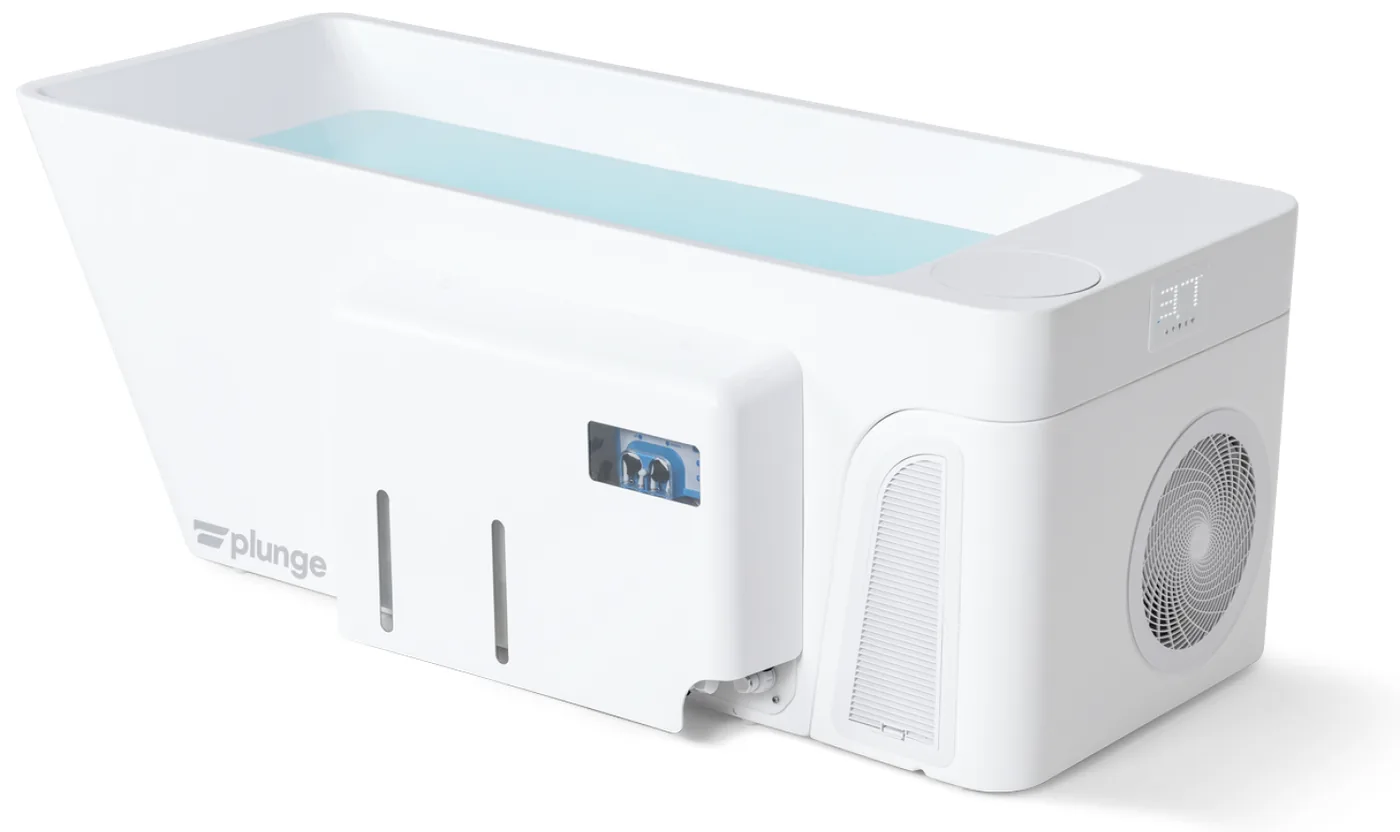
Most of what circulates online about cold-plunge upkeep cost is unsourced — the same dollar figures repeat across a dozen retailer blogs with no study, no named company and no receipt behind any of them. The one figure that is checkable comes from a real vendor's live pricing page: Cold Standard Service publishes tiered commercial service contracts running from $279 per four weeks (one visit per cycle, roughly $3,627 a year) up to $999 per four weeks (eight visits, roughly $12,987 a year), each tier bundling chemistry, filter changes, chiller service and cleaning into one line.
Filter cadence is tighter than most buyers assume. Plunge, a commercial cold-plunge manufacturer, specifies weekly filter changes for commercial units and builds its systems around NSF50-certified filtration — a materially faster cycle than a home unit. The same vendor above also sells a standalone annual chiller deep-service visit at $325, covering a coil clean, refrigerant check, electrical inspection and a performance test, recommended yearly for a plunge in daily use — the building-side questions a plunge answers before installation are covered in what a cold plunge needs from the building.
On durability, American Chillers backs its commercial SPPC and CPPC chiller lines — the tonnage-rated series suited to a multi-user plunge — with a 1-year parts / 5-year compressor limited warranty. That is the actual, checkable coverage term for the equipment's mechanical core, and it is worth confirming against whatever line the finish schedule specifies.
A traditionally heated sauna costs several times more to run than an infrared cabin
Harvia, a sauna heater manufacturer, publishes its own heaters' actual power draw: a 6kW heater pulls about 4-5 kWh in the first hour and 3-4 kWh in the second (7-9 kWh across a roughly two-hour preheat-plus-use session); an 8kW heater pulls 9-13 kWh over the same window. At the $0.17/kWh rate Harvia cites, that puts one session at roughly $1.00-$1.50.
The U.S. Energy Information Administration's Electric Power Monthly put the national average commercial electricity rate at about 13.5 cents per kWh as of mid-2026 (state ranges run from roughly 7 cents in North Dakota to 43 cents in Hawaii). Run that rate against a busy gym amenity room operating near full draw about four hours a day: a 6kW traditional heater lands around $97 a month (about $1,166 a year), against roughly $24 a month (about $292 a year) for a 1.5kW infrared cabin — a gap on the order of $700-$1,450 annually in electricity alone, before accounting for the traditional heater cycling down once it reaches temperature, which would narrow this estimate somewhat.
Element life shortens with duty cycle. TS Heater, a sauna heater seller, gives usage-tiered element life running from 5-7 years at light use down to 2-3 years at four-or-more sessions a week — closer to a commercial pattern. A genuine OEM Amerec heating element, the kind actually used in these units, retails for $126.50; the $500-$1,500 "element replacement" figures quoted on vendor blogs appear to bundle labor on top of that part cost. What determines which type of heater a given room can even take is set out in what a sauna needs from the building.
The Health & Fitness Association — the health-club trade group formerly known as IHRSA — publishes maintenance guidance independent of any equipment seller: sand benches annually with 120-grit sandpaper, clean with mild soap and a soft brush, require patrons to sit or lie on towels to preserve the wood, and never paint or varnish the interior, since it traps moisture and raises surface temperature.
Warranty coverage on percussion and compression gear stops exactly where commercial wear begins
Therabody's own warranty terms cover the Theragun device for one to two years but limit attachment heads to a 30-to-90-day warranty and explicitly exclude "defects caused by normal wear and tear or otherwise due to the normal aging of the product." Batteries and chargers get only 90 days. Individual replacement heads run $24.99 for standard styles and $99.99 for premium heated, cold or vibration attachments — a running cost once a unit sees daily commercial cycling rather than occasional home use.
Hyperice's warranty runs longer on paper but excludes the same thing: one year against manufacturing defects on the Normatec control unit and its sleeves, with "normal wear and tear, cosmetic damage" explicitly carved out either way. A replacement pair of Normatec 3 compression sleeves lists at $400-$410 through an authorized reseller, and a standalone replacement control unit runs $549 through Hyperice directly — over half the cost of a new system.
Commercial massage chairs show the same pattern in sharper relief: manufacturers narrow coverage specifically for business deployment. BodyFriend drops labor coverage to zero for commercial use; Furniture For Life sells a $240-$700 commercial warranty add-on because its standard policy excludes commercial settings outright; Luraco's commercial term is one year parts and six months on-site labor. Fujiiryoki is the exception, building purpose-made commercial chair models with three years of parts and labor included.
This category carries none of the infrastructure overhead the wet-area amenities do. An industry piece aimed at gym operators building a recovery zone describes percussion and compression modalities as having "lower operational complexity, no temperature management," while flagging that cold plunges and infrared saunas "require ongoing upkeep — build that cost into your numbers." A separate recovery-zone cost breakdown puts a 4-person infrared sauna build-out around $9,500 all-in versus roughly $20,000 for a 6-person cold plunge — a gap driven almost entirely by the plumbing and electrical work plug-and-play gear never touches, and the same source notes the ongoing drag on wet-area amenities specifically comes from staff time on water testing and chemical balancing, not from the equipment itself.
Maintenance budgeting industry-wide runs 3-4% of revenue — recovery gear is a line inside that, not a separate one
The Health & Fitness Association's Health Club Business Handbook and its 2015 Profiles of Success data put ongoing equipment repairs and maintenance — an operating expense, distinct from capital reserves — at roughly 3-4% of a facility's annual revenue. Separately, the same guidance recommends setting an annual maintenance capital reserve, the equipment-replacement fund, at about 4% of revenue or $4 per square foot, scaling toward roughly 10% of revenue every five years for a market-driven refresh and 20-30% at a full decade-mark renovation.
No dedicated multifamily benchmark exists the way it does for health clubs. The closest hospitality comparison, HVS's spa-department data, puts operating expense at 75-85% of spa revenue — but that ratio is dominated by staff labor, not equipment upkeep, and it covers an entire spa department rather than recovery gear specifically, so it is directional at best for a residential amenity room. The honest way to budget is by equipment category against the figures above, not against one blended industry number.
Ask these three before specifying recovery equipment
- Cold plunge — what does the service contract actually bundle? Get the vendor's real visit cadence and dollar figure in writing, not a chemical-cost estimate. Confirm filter-change frequency and whether an annual chiller service visit is included or billed separately.
- Sauna — what is the realistic duty cycle, and does the electrical load match it? Traditional and infrared heaters differ by several times in running cost at the same usage level. Size the projection to actual expected sessions per day, not a residential assumption, and confirm what the heater's warranty covers past the element.
- Percussion, compression, loungers — what is excluded from warranty, and who absorbs it? Attachment heads, sleeves and batteries are typically covered for 30 days to a year against defects only, with wear and tear explicitly carved out. At commercial volume, that is a recurring line item, not a one-time repair.
None of this argues against specifying recovery amenities — it argues for budgeting them as an ongoing line rather than a one-time purchase decision. The category, the duty cycle and the service-contract terms all move the number by a wide margin, and all of it is knowable before the equipment order goes in. What each modality involves to build and run is on our recovery and wellness page.
Published August 21, 2026 · 6 minutes read
More on recovery and wellness spaces

What a Cold Plunge Needs From the Building
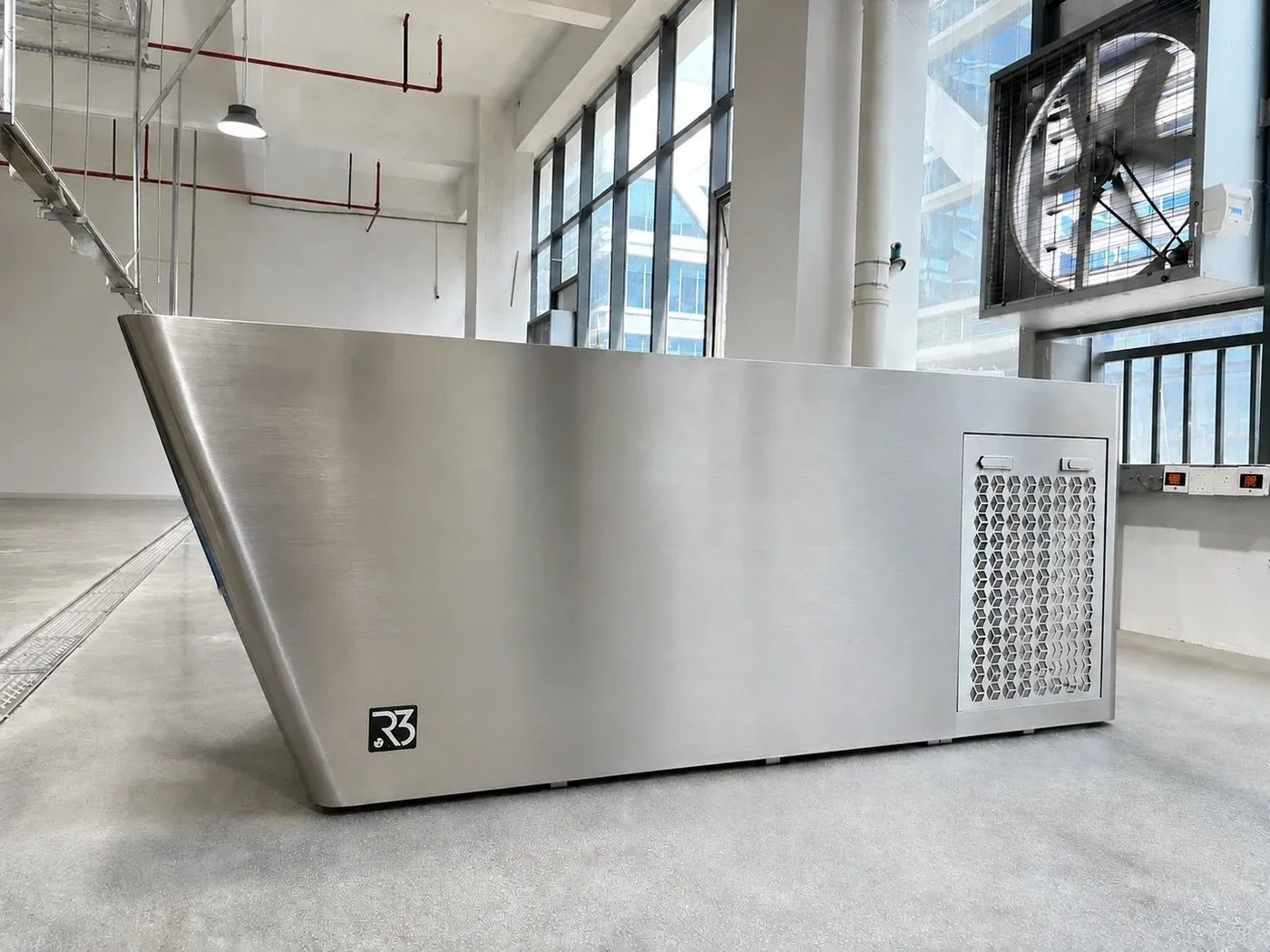
Fresh water weighs 8.34 pounds per gallon, so a 100-gallon plunge holds 834 pounds filled. The four building questions to settle before ordering one. Read the post.

Can You Add Recovery to an Existing Amenity Room?
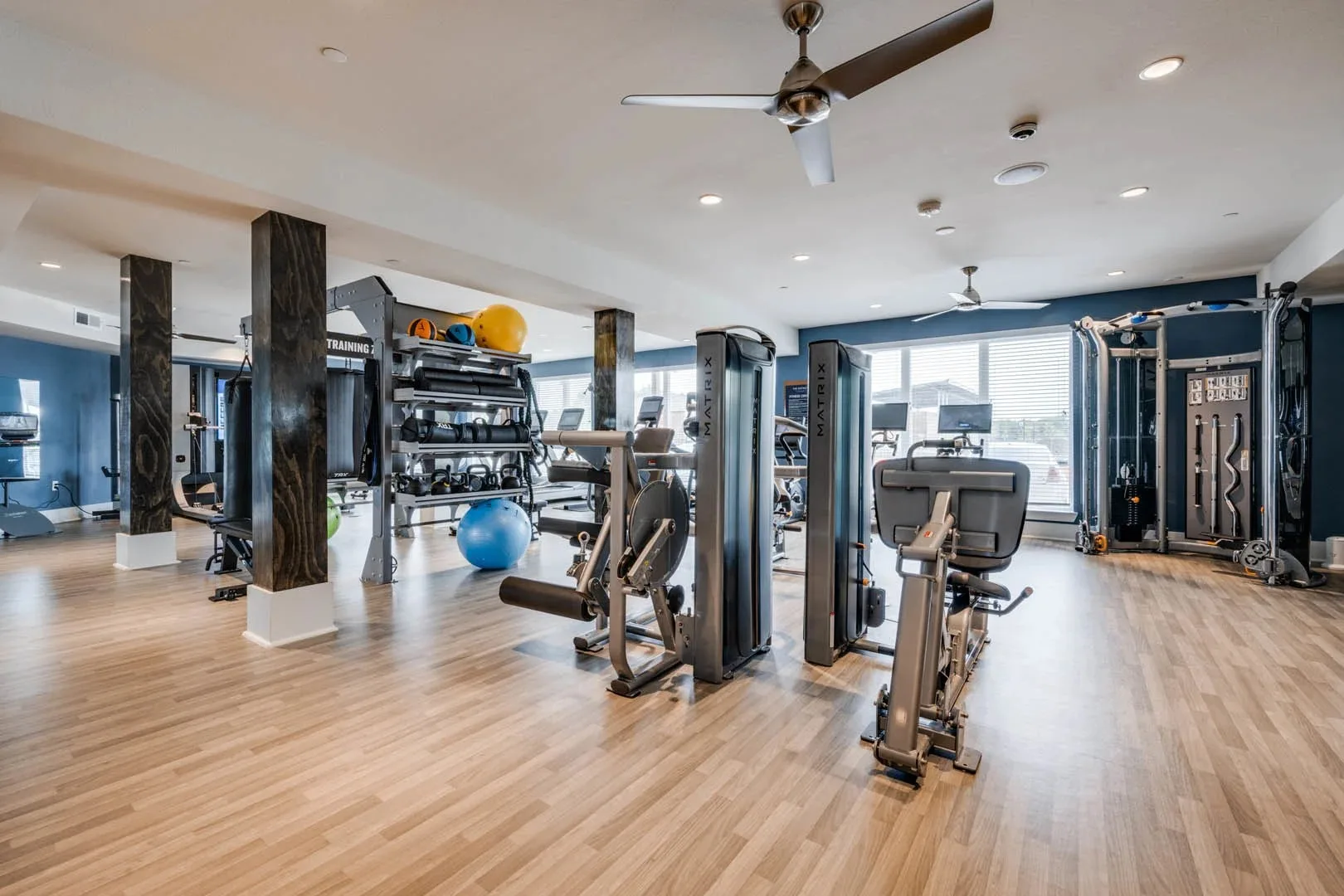
Compression, percussion and massage loungers need floor area and an outlet. Sauna and cold plunge need the building changed. How to tell the two apart. Read the post.

What a Sauna Needs From the Building
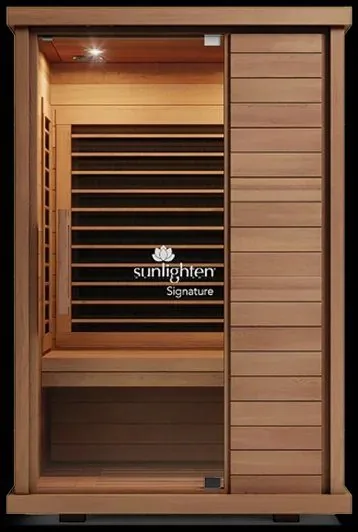
Traditional heaters draw 6-9kW; infrared draws 1.5-2.5kW. What a sauna needs from the building depends on which one is going in. Read the post.
In short
Cold plunge, sauna and plug-and-play recovery gear — percussion, compression, loungers — carry very different ongoing costs once installed, and almost none of it shows up on the equipment quote. A commercial cold-plunge service contract runs roughly $3,600 to $13,000 a year depending on visit frequency. A traditional sauna heater can cost several times more in electricity than a comparable infrared cabin at the same usage level. Percussion and compression attachments carry warranties measured in weeks, not years, against the wear commercial volume causes.
Part of what we do on recovery and wellness spaces.
Common questions
How much does it cost to keep a commercial cold plunge running?
The clearest published figure is a commercial service contract, not a chemical estimate: Cold Standard Service's tiered plans run from about $3,627 a year (one visit per cycle) to about $12,987 a year (eight visits per cycle), bundling chemistry, filters, chiller service and cleaning. Commercial filters need weekly changes, and a standalone annual chiller deep-service visit runs about $325.
Does a traditional sauna cost more to operate than an infrared one?
Yes, by several times at typical gym usage. Harvia's own heater data puts a 6-8kW traditional session at roughly $1.00-$1.50 in electricity; running the current EIA average commercial rate against several hours of daily use puts a 6kW traditional heater around $97 a month versus roughly $24 a month for a 1.5kW infrared cabin.
Are percussion massage guns and compression sleeves covered under warranty for commercial use?
Only against manufacturing defects, and coverage lengths differ by brand — Therabody limits attachment heads and batteries to 30-90 days, Hyperice covers its Normatec sleeves and control unit for one year — but both explicitly exclude wear and tear, the exact failure mode heavy commercial use causes. Replacement parts, heads, sleeves and control units, are an out-of-pocket recurring cost either way.
What should a property budget annually for recovery equipment maintenance?
The health-club industry benchmark, Health & Fitness Association data formerly published as IHRSA, puts ongoing equipment repair and maintenance at roughly 3-4% of facility revenue, with a separate capital reserve around 4% of revenue or $4 per square foot. No multifamily-specific benchmark exists, so budgeting by equipment category — cold plunge service contract, sauna electrical load, wear-part replacement — is more reliable than one blended percentage.
Which recovery amenity costs less to maintain long-term — cold plunge, sauna or plug-and-play gear?
Plug-and-play gear (percussion, compression, loungers) has the lowest operational complexity, no water testing, no temperature management, no chemical balancing, though wear parts and batteries are a real recurring cost outside warranty. Between the wet-area options, a cold plunge's infrastructure build-out runs roughly double a comparable infrared sauna's, driven by plumbing and electrical work the sauna does not require.