

Recovery
What a Cold Plunge Needs From the Building
Weight, Power, Heat and Drainage — Before It Is Ordered
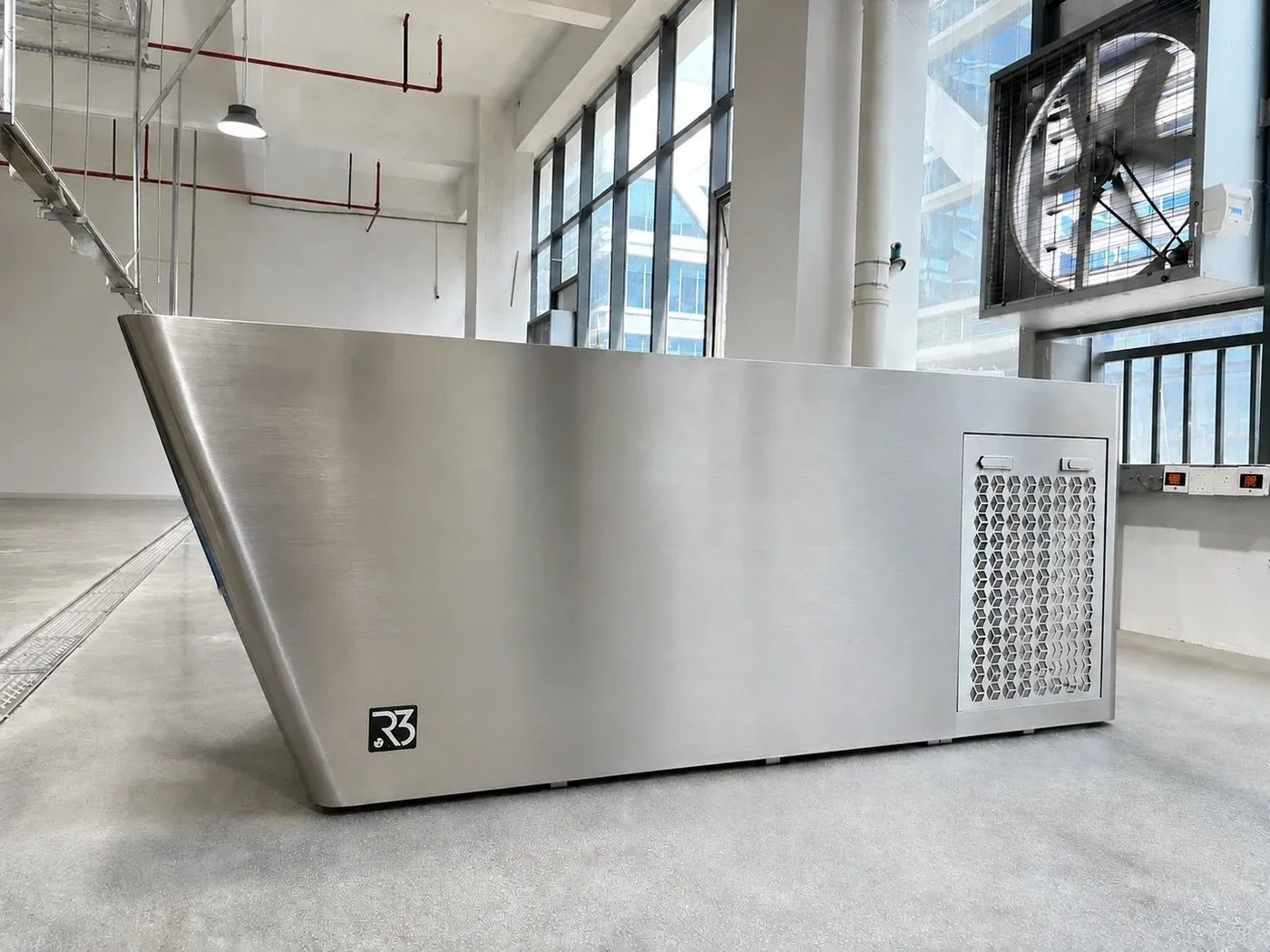
Cold therapy is the fastest-growing request in amenity design, and it is the one most often selected from a product page. The product page is the easy half. Four building questions decide whether the unit you picked can go where you want it.
Water is the heaviest thing in the room, and the arithmetic is not close
Fresh water weighs 8.34 pounds per US gallon, or 62.4 pounds per cubic foot. A 100-gallon plunge therefore holds 834 pounds of water; a 150-gallon unit holds more than 1,250. Add the shell, the surround, an integrated chiller and a person, and a modest-looking box is carrying well over half a ton in a footprint of a few square feet.
The figure a structural engineer will actually want is the filled operating weight divided by the footprint it bears on, compared against what that floor was designed for. IBC Table 1607.1 designs gymnasium and fitness areas for a 100 psf live load and ordinary residential floor areas for 40 psf, with sleeping areas at 30 psf. A plunge on a slab on grade is rarely a conversation. The same plunge on a podium deck, an upper-floor amenity room or a converted unit is a question for the engineer of record before it is a question for us — the same sequence as the live-load question on any fitness floor, only concentrated into a much smaller area.
Two details that change the answer and are easy to leave out of the request: the surround, which can weigh as much again as the tub on a built-in installation, and whether the unit is filled once and maintained or drained and refilled, because a drain-and-refill cycle is also a several-hundred-gallon water event on that floor.
The electrical requirement is set by the model, and ground-fault protection is not optional
A cold plunge is a powered appliance that contains water, which puts it in a different class from everything else on the amenity floor. Manufacturers specify ground-fault protection and, for most commercial chillers, a dedicated circuit at a stated voltage and amperage — and the numbers differ enough between a plug-in residential-scale unit and a commercial chiller that a general allowance is not a specification.
So the useful step is narrow and cheap: get the installation instructions for the exact model under consideration, and hand them to the electrician before the walls close. That is the same discipline the cardio bank needs, where commercial treadmill manufacturers specify a dedicated 120-volt, 20-amp branch circuit per unit with a non-looped neutral and ground. In an amenity room those circuits are usually already committed, which is why a plunge added late so often turns into a panel conversation.
A chiller moves heat out of the water and into the room
This is the requirement nobody anticipates. A chiller does not destroy heat; it relocates it. Every watt it pulls out of the water is rejected into the space around the unit, which means the plunge needs clear air at its intake and exhaust and the room needs somewhere for that heat to go.
Tucked into a closet, boxed into a millwork surround with no air path, or pressed against a wall on the side the manufacturer specifies as clearance, a chiller runs hotter, works harder and holds temperature worse — in a small unventilated room it can warm the space noticeably. The clearances in the installation manual are performance requirements, not packing advice, and they have to survive the joinery drawing.
Drainage decides whether the amenity is maintained or quietly abandoned
Water in a commercial setting needs treatment, filtration and periodic replacement, and every one of those depends on what happens to several hundred gallons when it leaves the tub. A nearby floor drain makes a water change a routine task. No drain makes it a pump, a hose across a finished floor and a decision somebody has to keep making — which is how a recovery amenity ends up looking neglected within a year of opening.
Retrofitting drainage into a finished amenity room is one of the more expensive discoveries available on a fitness project, and it is entirely avoidable at the drawing stage. Filling is the easier half but still has to be planned: a hose bib within reach beats carrying water through a lobby.
Ask these four before the order, not after
- What does this floor carry, filled? Operating weight over footprint, checked by the engineer of record — not the shipping weight on the spec sheet.
- What does this exact model require electrically? From its own installation instructions, priced by the electrician before the walls close.
- Where does the chiller’s heat go? Clearances at the intake and exhaust, preserved in the millwork.
- Where does the water go? Fill and drain resolved on the drawing, with treatment and filtration costed as an ongoing line.
Answered in that order, a plunge is a straightforward install. Answered in reverse — which is the common order, because the product is chosen first — each one turns into a change to something already built. The full picture of what a recovery build involves, from low-infrastructure options to a full wet area, is on our recovery and wellness page.
Published August 17, 2026 · 5 minutes read
More on recovery and wellness spaces

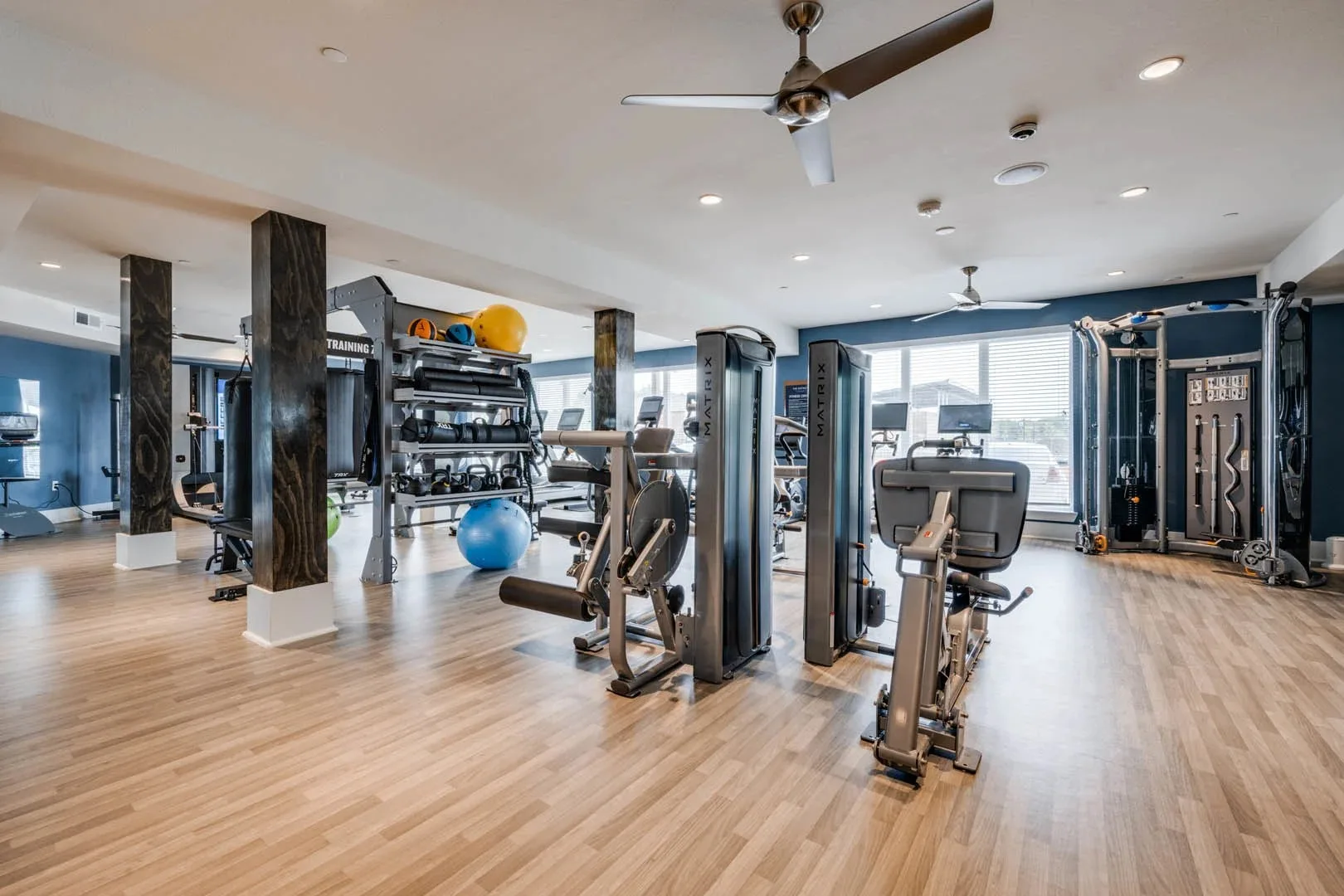
Can You Add Recovery to an Existing Amenity Room?
Compression, percussion and massage loungers need floor area and an outlet. Sauna and cold plunge need the building changed. How to tell the two apart. Read the post.


What a Sauna Needs From the Building
Traditional heaters draw 6-9kW; infrared draws 1.5-2.5kW. What a sauna needs from the building depends on which one is going in. Read the post.

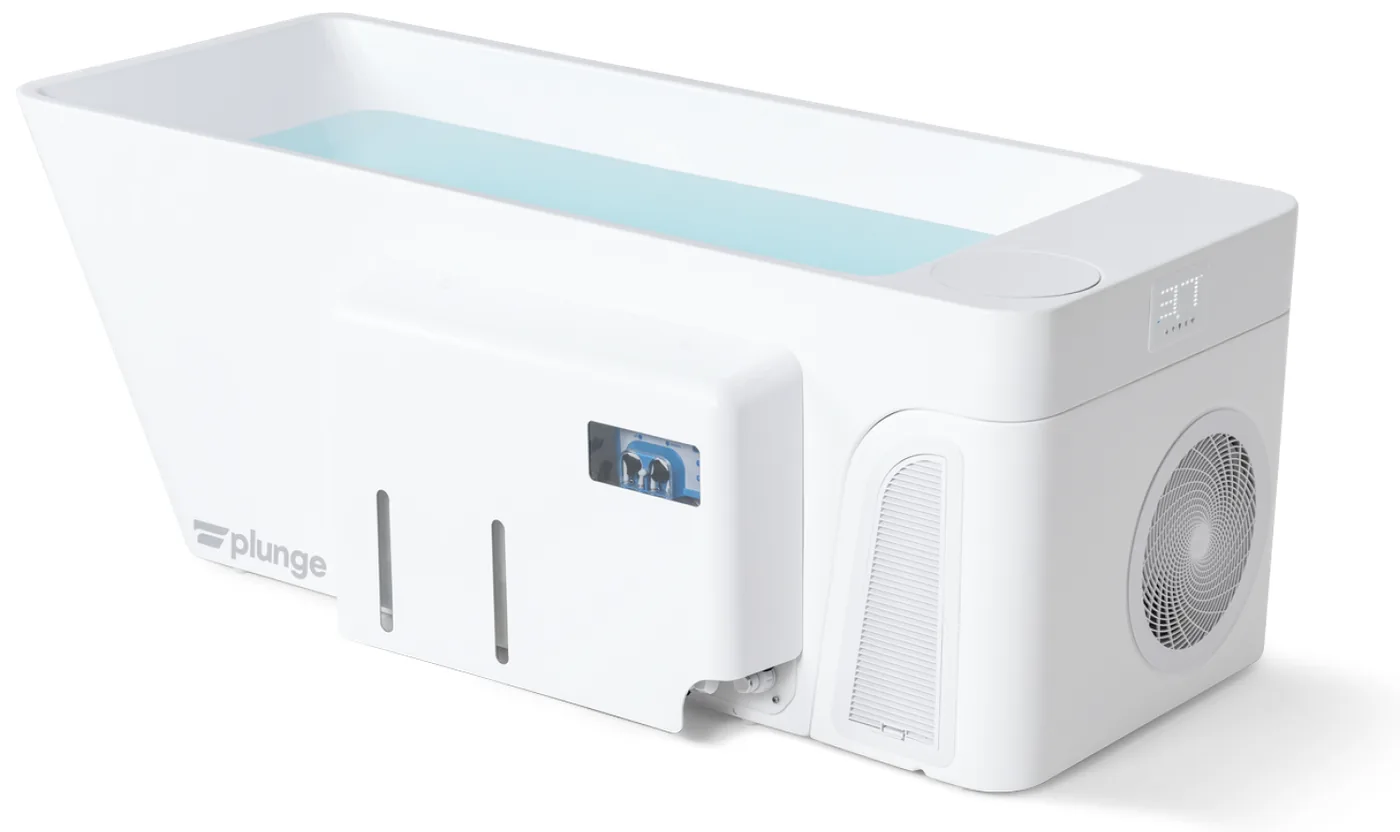
What Recovery Equipment Costs to Keep Running
What commercial cold plunge, sauna and plug-and-play recovery equipment actually cost to keep running, with cited figures, not spec-sheet guesses. Read the post.
In short
A cold plunge is the only thing on an amenity floor that is heavy, wet and powered at the same time. Fresh water alone weighs 8.34 pounds per gallon, so a 100-gallon unit holds 834 pounds of water before you count the shell, the chiller or the person in it — and the room also has to answer for a dedicated circuit, the heat the chiller rejects, and where the water goes when it is changed.
Part of what we do on recovery and wellness spaces.

Common questions
How much does a cold plunge weigh when it is full?
Take the fill volume and multiply by 8.34 pounds per gallon, then add the shell, the surround, the chiller and a person. A 100-gallon unit holds 834 pounds of water alone; a 150-gallon unit holds more than 1,250. The figure an engineer needs is that filled operating weight over the footprint it bears on.
Can a cold plunge go on an upper floor?
Often, but it must be confirmed by the engineer of record for that building. IBC Table 1607.1 designs ordinary residential floor areas for 40 psf and fitness areas for 100 psf, and a plunge concentrates a large filled weight into a few square feet — so the comparison is between the concentrated load and what that specific floor was designed to carry.
What electrical does a commercial cold plunge need?
Ground-fault protection and, for most commercial chillers, a dedicated circuit at the voltage and amperage stated in that model’s installation instructions. Requirements differ enough between plug-in and commercial units that a general allowance is not a specification. Get the instructions for the exact model and price them before the walls close.
Does a cold plunge need a floor drain?
It does not strictly require one, but the absence changes how the amenity is run. Water needs treatment, filtration and periodic replacement, and a nearby drain turns a water change into a routine task rather than a pump-and-hose exercise across a finished floor. Retrofitting drainage into a completed room is expensive; planning it costs nothing.
Does a cold plunge make the room warmer?
Yes. A chiller relocates heat rather than removing it, so the heat taken out of the water is rejected into the space. In a small or unventilated room that is noticeable. The clearances the manufacturer specifies at the intake and exhaust are performance requirements and have to survive the millwork drawing.