

Rehabilitation and clinical
Medical Fitness Center Design and Equipment
How a project runs
How a project runs, stage by stage
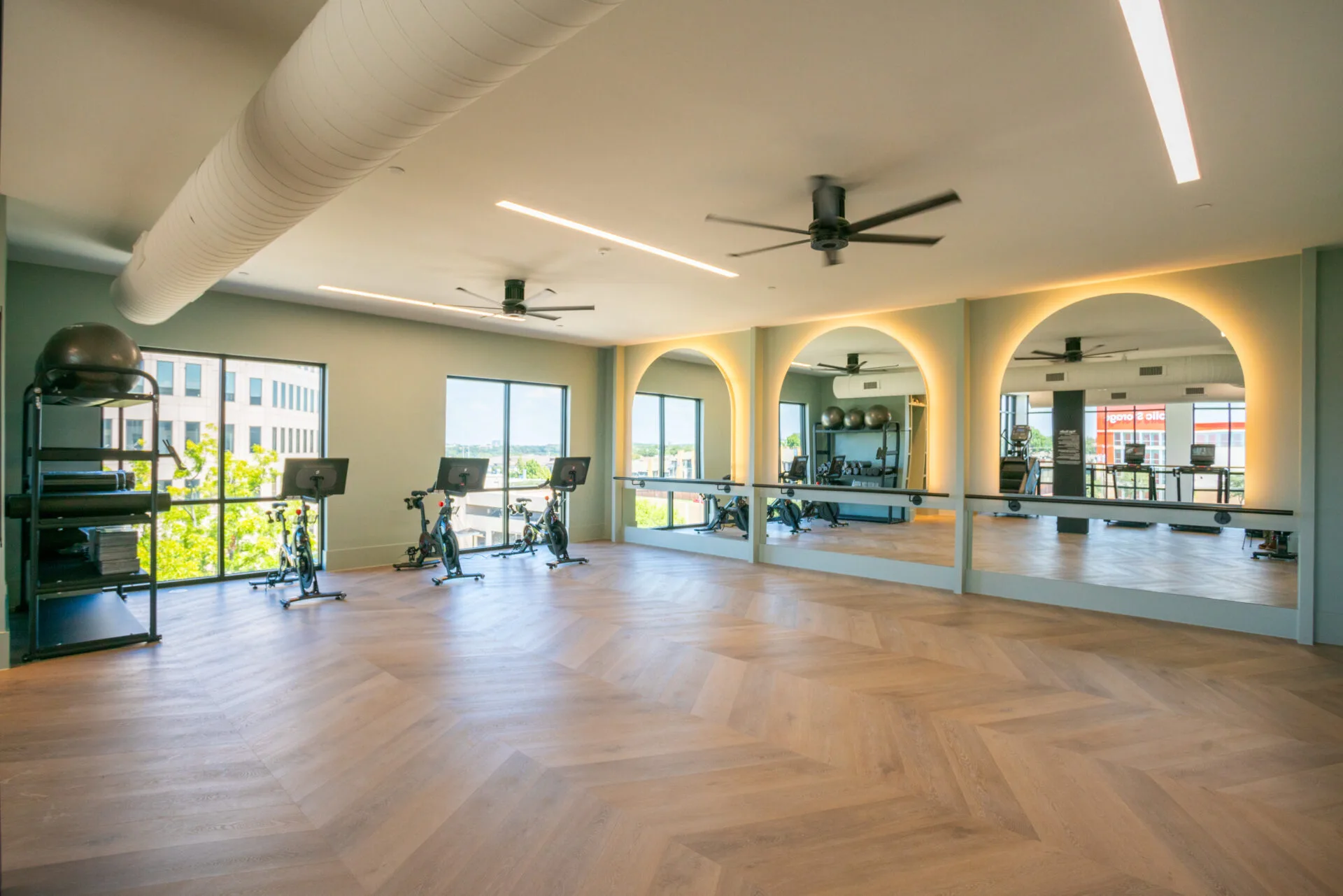
Layout and design
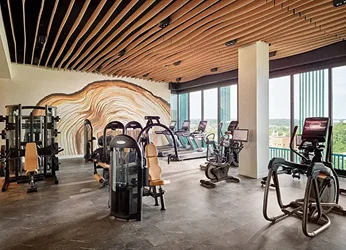
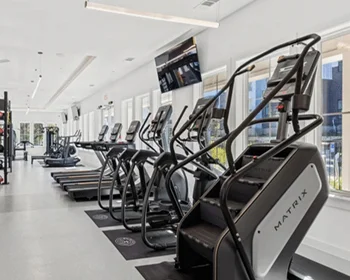
A layout that leaves a therapist room to work beside the equipment, with access planned for patients who are not independent.
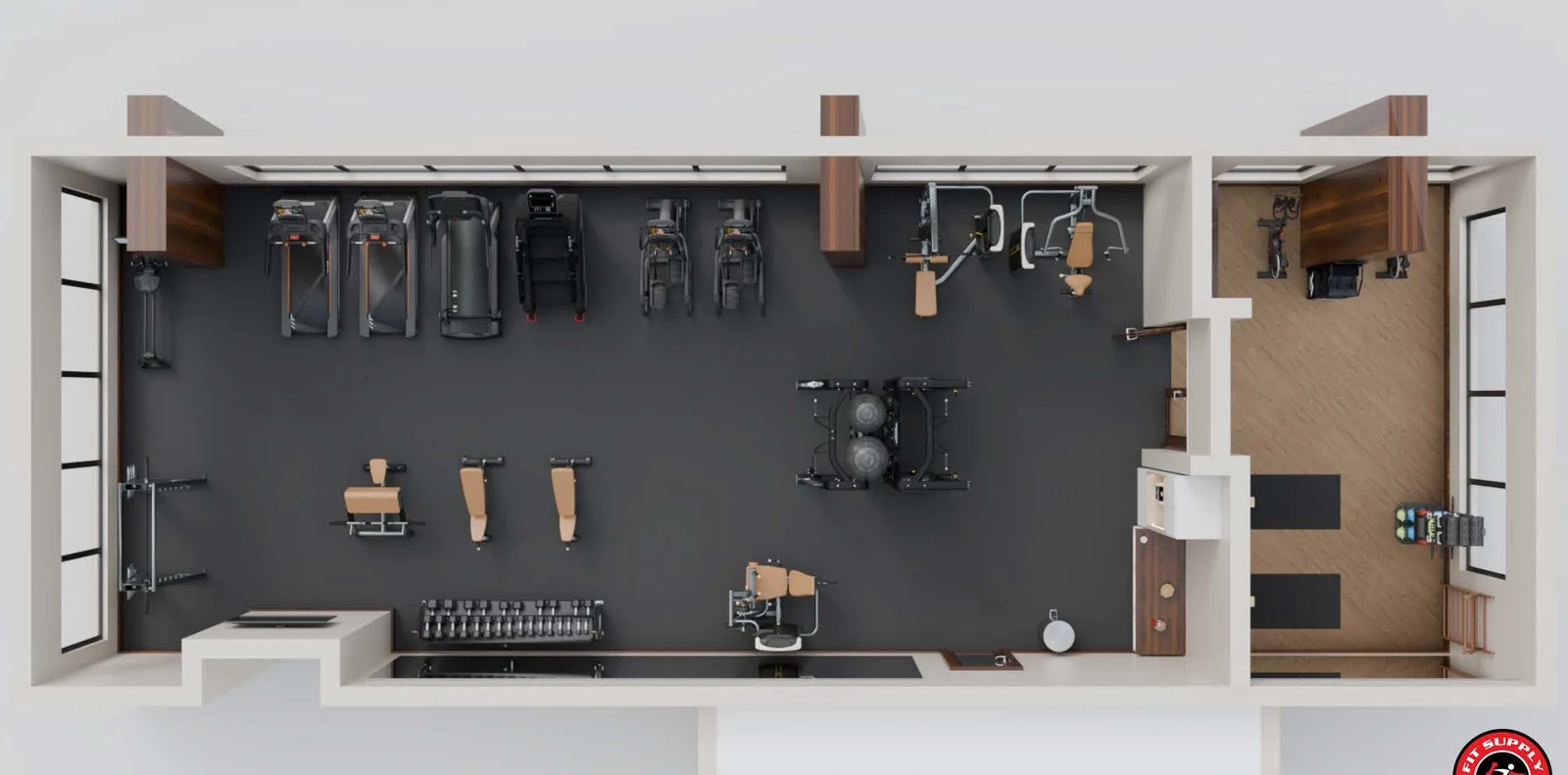
Procurement
Pneumatic resistance and low-load equipment chosen with the clinical directors who will use the room.
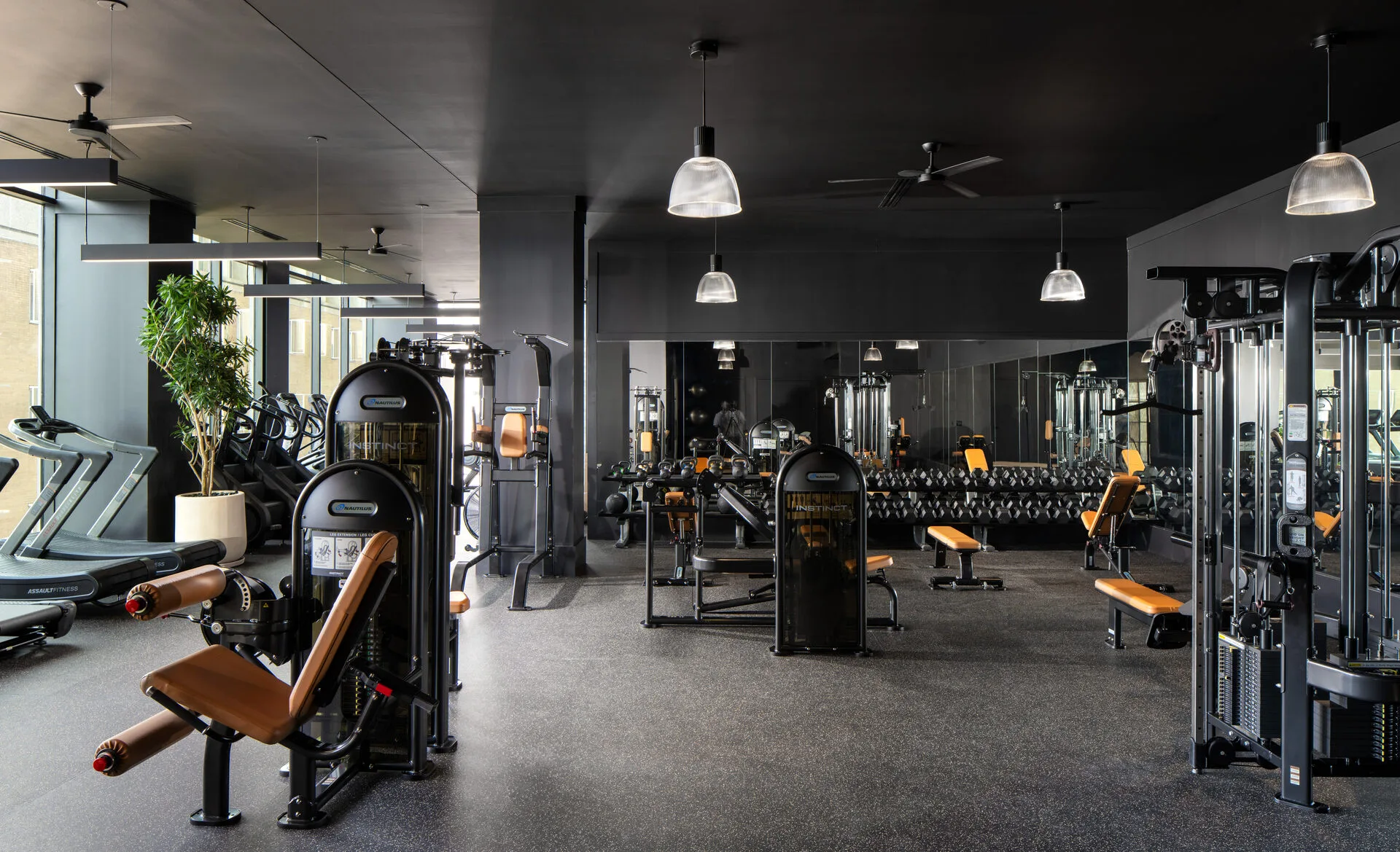
Delivery and installation
Installed around a clinic schedule, in a space that usually cannot close.
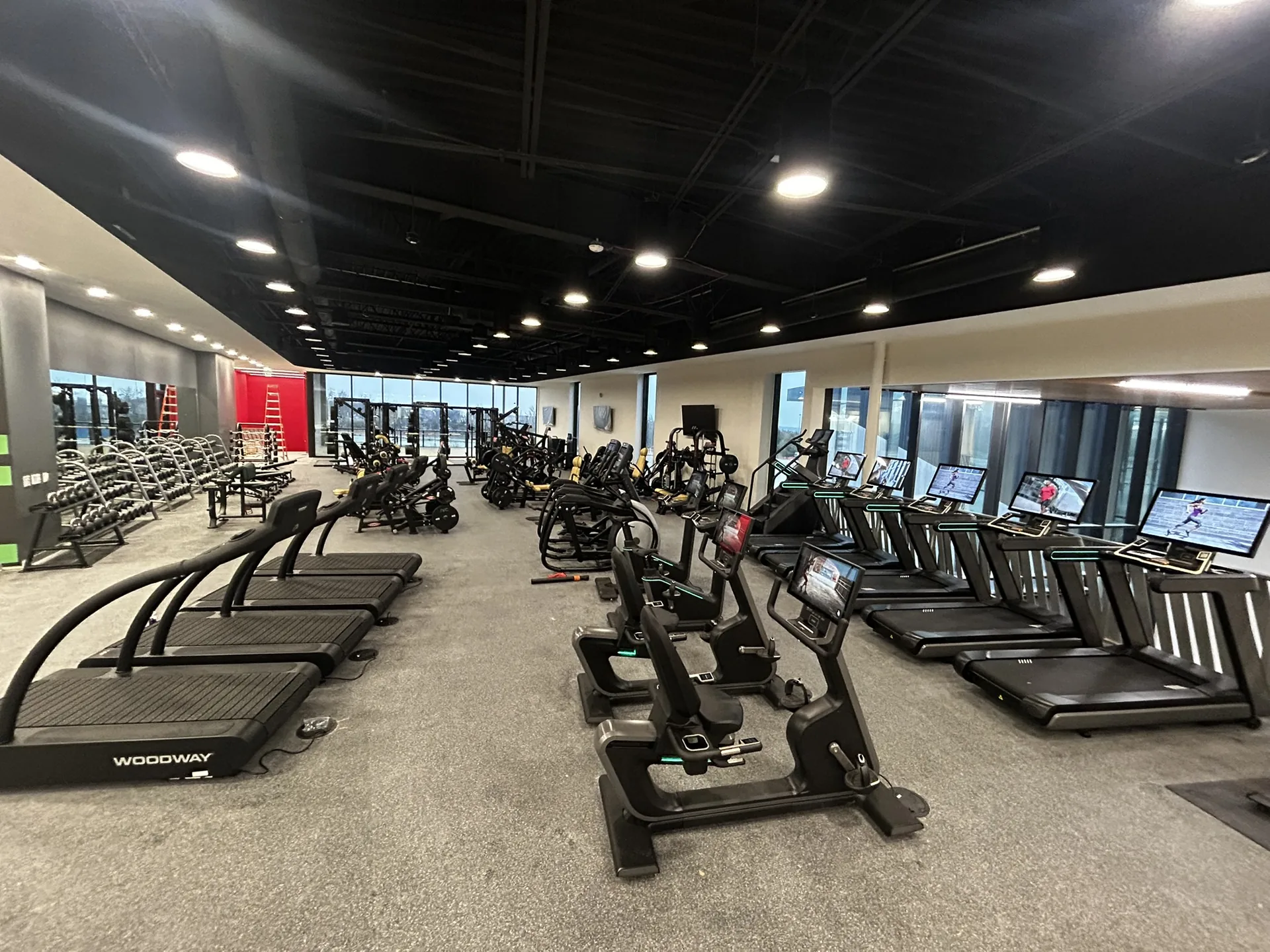
Service afterwards
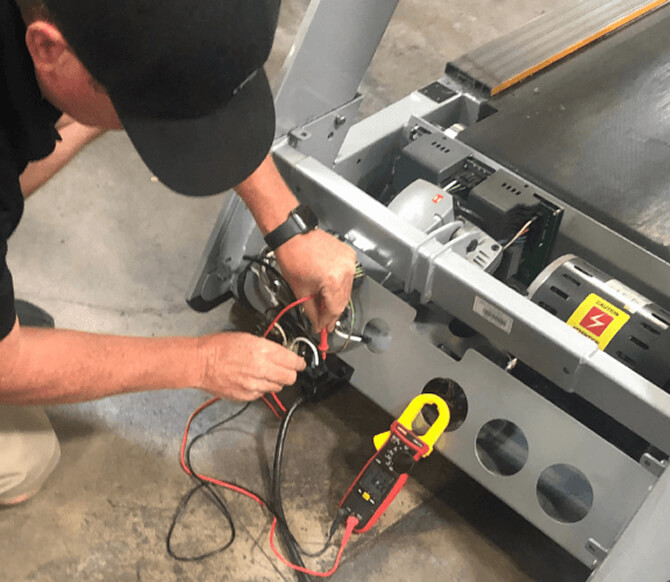
Servicing documented, because equipment used in a treatment plan has to be demonstrably maintained.
Equipment for Rehab Clinics and Medical Fitness Facilities
Clinical spaces are specified around a treatment plan rather than a workout. Fit Supply equips physical therapy and rehabilitation clinics, hospital-affiliated medical fitness centers, and chiropractic and sports medicine practices nationwide.
What matters is controllability. Equipment has to start at very low resistance, increment finely, and reproduce a setting exactly from visit to visit so a clinician can measure progress — which rules out much standard commercial equipment, where the lightest setting is already beyond an early-stage patient.
What a clinical space needs from us
The scope is the same on every project. In a clinic it is specified around the therapist and the patient population, not around a training floor.
Clinical equipment requirements

Controllable, reproducible resistance
Accessibility requirements are absolute. Wheelchair transfer space, step-through frames, seated and supported positions, and unobstructed clinician access on both sides of a station are functional necessities in a room where patients may be recovering from surgery or working with limited mobility.

Access and clinician space
Space is usually the binding constraint. Clinics carve treatment space out of leased medical suites, so the specification has to deliver a wide range of movement patterns in a small footprint, alongside plinths, parallel bars and open floor for manual work.

Working in a small footprint
We supply NuStep, SciFit, Keiser pneumatic resistance, Matrix, Total Gym and Oakworks into clinical settings, and work directly with the therapists and clinical directors who will use the room on what their patient population actually requires. Life Fitness, Precor and Cybex are not lines we carry new; where a specification calls for them we supply them pre-owned, and we say which is which on the quote.
In short
Fit Supply equips physical therapy clinics, medical fitness centers and sports medicine practices nationwide. Clinical equipment is specified for controllability — very low starting resistance, fine increments and exactly reproducible settings so progress can be measured — with wheelchair transfer space and two-sided clinician access as functional requirements. Clinic floors carry more circulation than a commercial gym, holding the ADA 60 in diameter turning space and a 36 in minimum clear route.
Frequently asked questions
What makes equipment suitable for rehabilitation?
Controllability. Clinical equipment must start at very low resistance, increment finely, and reproduce a setting exactly from visit to visit so a clinician can measure progress objectively. That requirement rules out much standard commercial equipment, where the lightest selectorized plate is already beyond an early-stage post-surgical patient and increments jump 10 to 15 lb at a time. Pneumatic and air-resistance lines are common in clinical settings precisely because they solve both problems.
What accessibility does a rehab clinic need?
Wheelchair transfer space beside every station, step-through frames, seated and supported positions, and unobstructed clinician access on both sides of a station — a therapist frequently needs to work alongside a patient mid-exercise. ADA minimums of 36 in routes and a 60 in turning circle are the floor rather than the target, since patients may be using walkers, crutches or parallel bars in the same space.
How do you fit clinical equipment into a small suite?
By specifying for range of movement patterns per square foot rather than for machine count. Most clinics carve treatment space out of leased medical suites, so multi-function stations, adjustable equipment and open floor for manual work and gait training earn their place over single-purpose machines. Plinths, parallel bars and clear floor are part of the same space budget and are planned together with the equipment, not after it.
Do you work with therapists on the specification?
Yes — directly with the therapists and clinical directors who will use the room, rather than specifying from a catalog. The patient population determines the equipment: a sports-medicine practice and a post-acute rehabilitation clinic need substantially different resistance ranges and access provisions even though both are described as rehab.
What warranty comes with the equipment?
Manufacturer warranties are passed through to you in full, and Fit Supply warrants its own installation work for 30 days. Warranty terms differ by manufacturer and by product line, so the specific coverage for what you are buying is set out in your quote rather than generalised here.
How long does installation take?
It varies enough by job that a site survey is the only honest answer. What drives it is access rather than piece count: door widths, elevator availability, stairs, tight or turning hallways, and whether equipment can come in assembled or has to be taken apart and rebuilt in the room. Two identical equipment lists in two different buildings can be a day apart. We assess it on the survey and tell you before the schedule is set.
Can I cancel or return equipment after I order it?
It depends what it is. Custom and modified products cannot be cancelled, returned, rescheduled or refused, and they require full payment up front. Standard stock products can be returned only with our prior written authorization, in new and resalable condition in the original packaging, at your expense and risk, and are subject to a 25% restocking charge. After a proposal is executed, cancellation carries a 25% fee of the proposal total. This is why we would rather spend the extra day on the layout than have you order twice.
What happens if equipment arrives damaged?
Inspect before you accept it and note any visible damage on the delivery receipt — that document is what a freight claim turns on, and a clean signed receipt makes concealed-damage claims considerably harder. Where we arranged the carrier, we file and pursue the claim with them on your behalf as an accommodation rather than handing you the freight company’s number. Where you arranged your own carrier or collected the equipment, the claim is yours to file directly with them.