

Dallas–Fort Worth area
McKinney Gym Design and Equipment Supply
- 2007designing and equipping fitness facilities since
- 30,000+commercial orders delivered
- 500+cities served
- 50+manufacturer partners
Installed across Texas
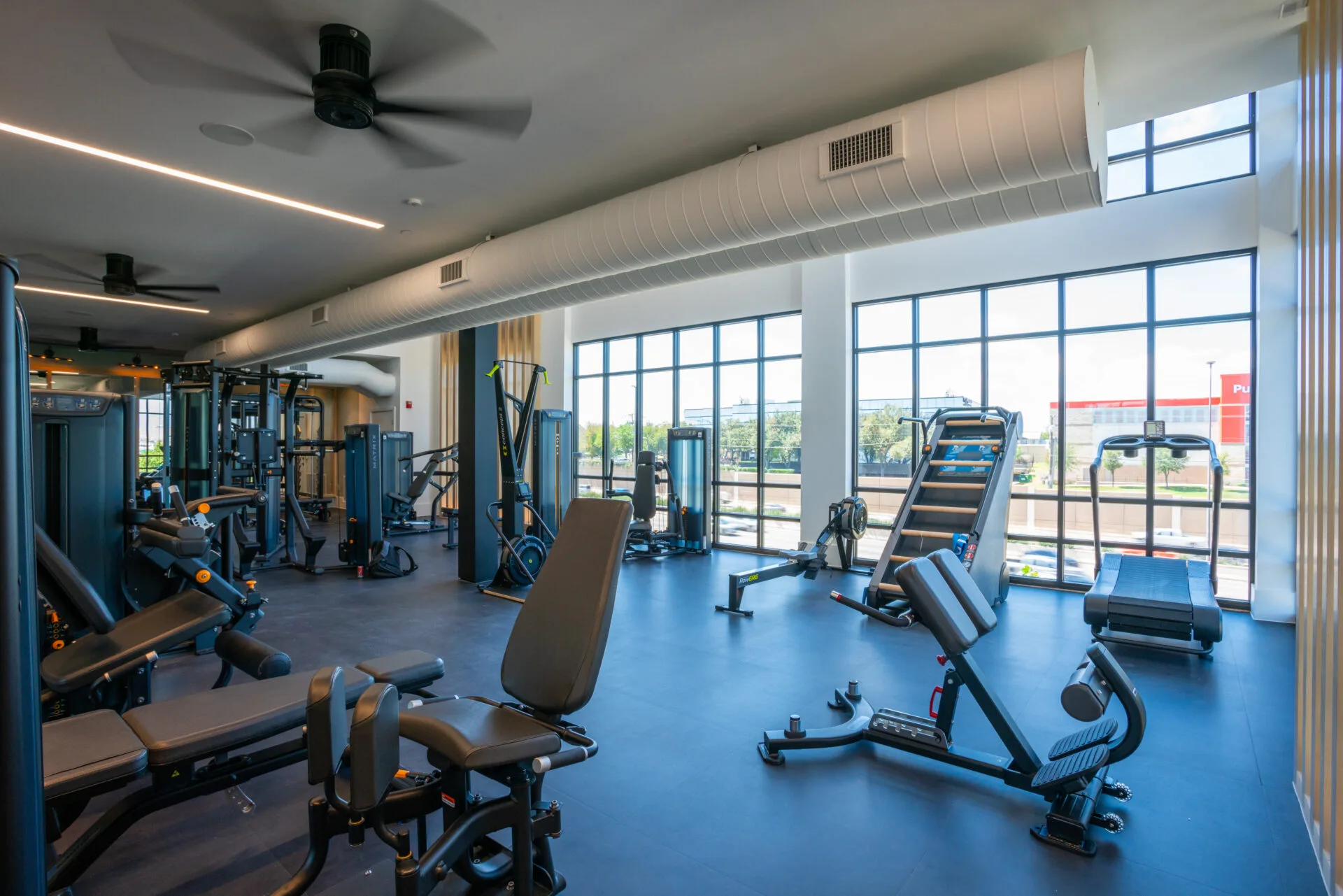
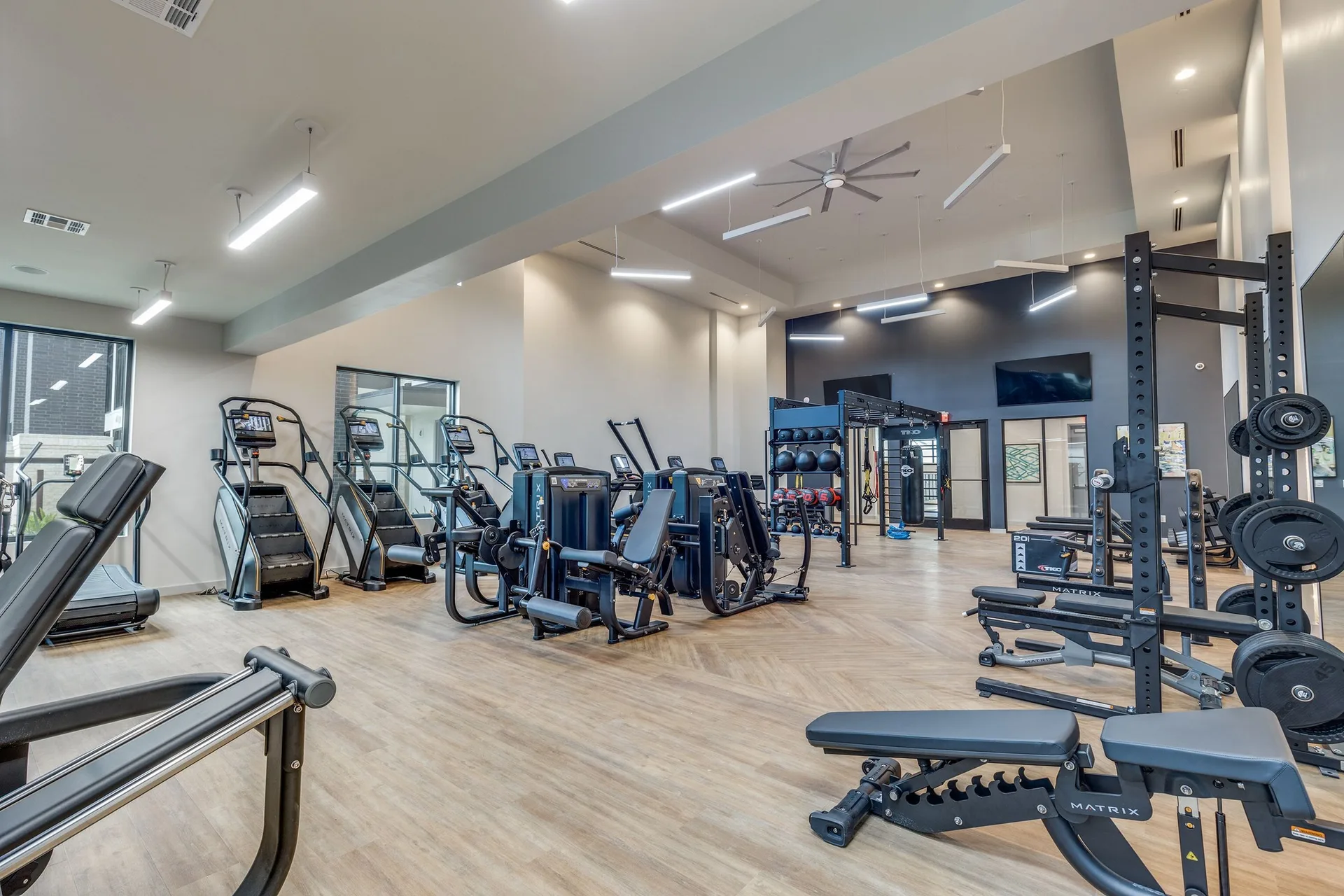
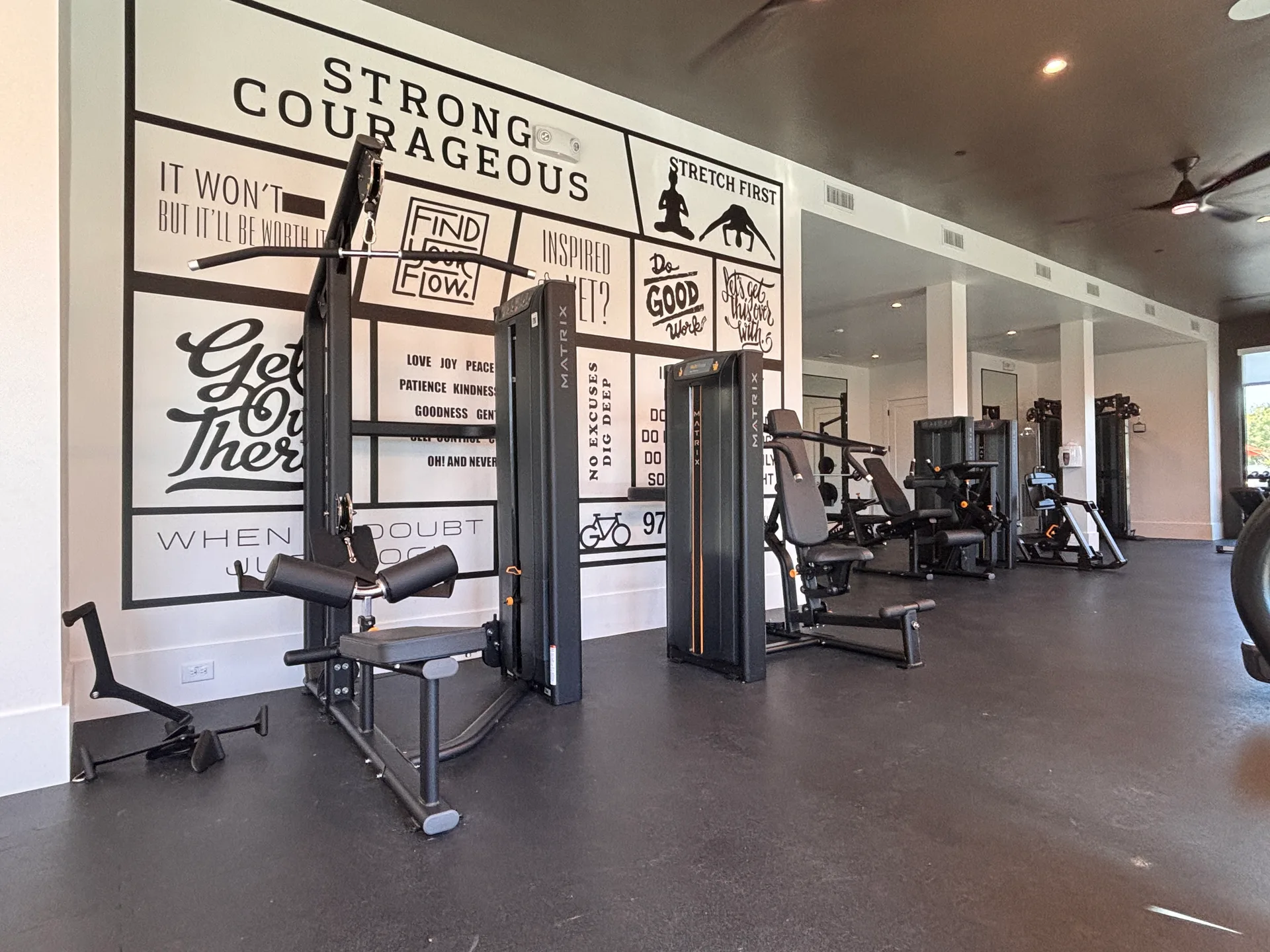
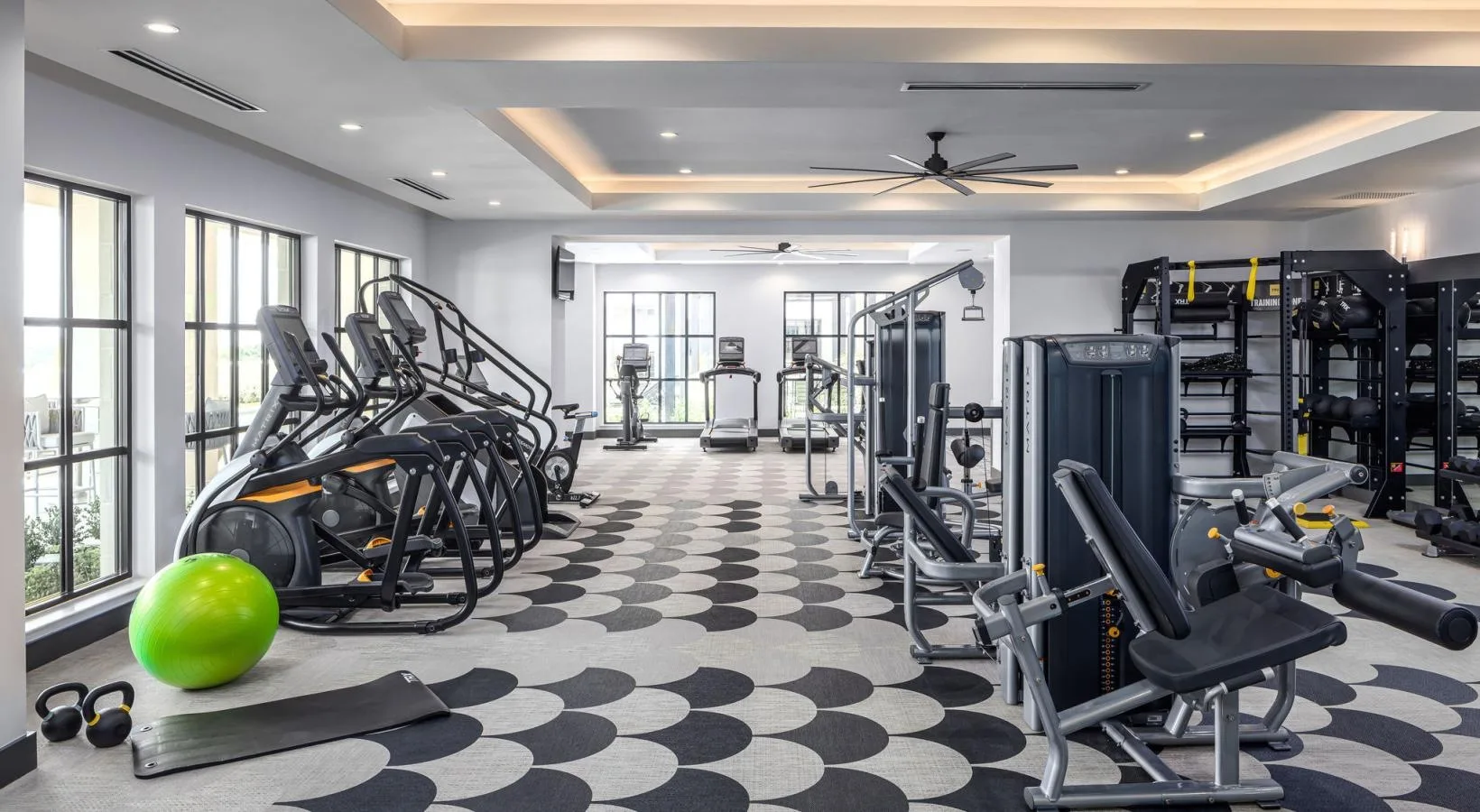
Equipping Fitness Rooms Across McKinney
Commercial fitness projects in McKinney are core Fit Supply territory. Working across the Dallas–Fort Worth area, we handle facility design, equipment procurement and installation for owners and operators of every size.
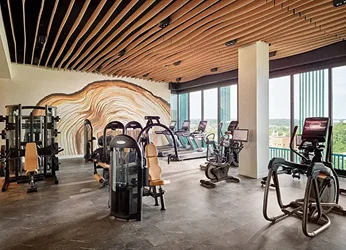
In McKinney our projects concentrate in apartment and condominium communities, home and individual customers, health clubs and gyms. Each carries its own constraints around supervision, liability and traffic, and the equipment package follows from those rather than from a catalog.
A McKinney installation is handled by the same crews working across Allen, Frisco and Prosper, which is why we can schedule around your access windows rather than a freight company's route. Equipment is assembled, placed and function-checked on site.
We cover Allen, Frisco and Prosper and the rest of the Dallas–Fort Worth area on the same terms as McKinney itself, so a portfolio spread across several of these is handled as one project rather than several.
The scope in McKinney is complete: equipment consultation, layout and design, procurement, flooring and mirrors, delivery and installation, finance options, extended warranties, and preventive maintenance once the room opens. We also appraise, buy back and remove existing equipment when a room is being replaced.
Working in McKinney
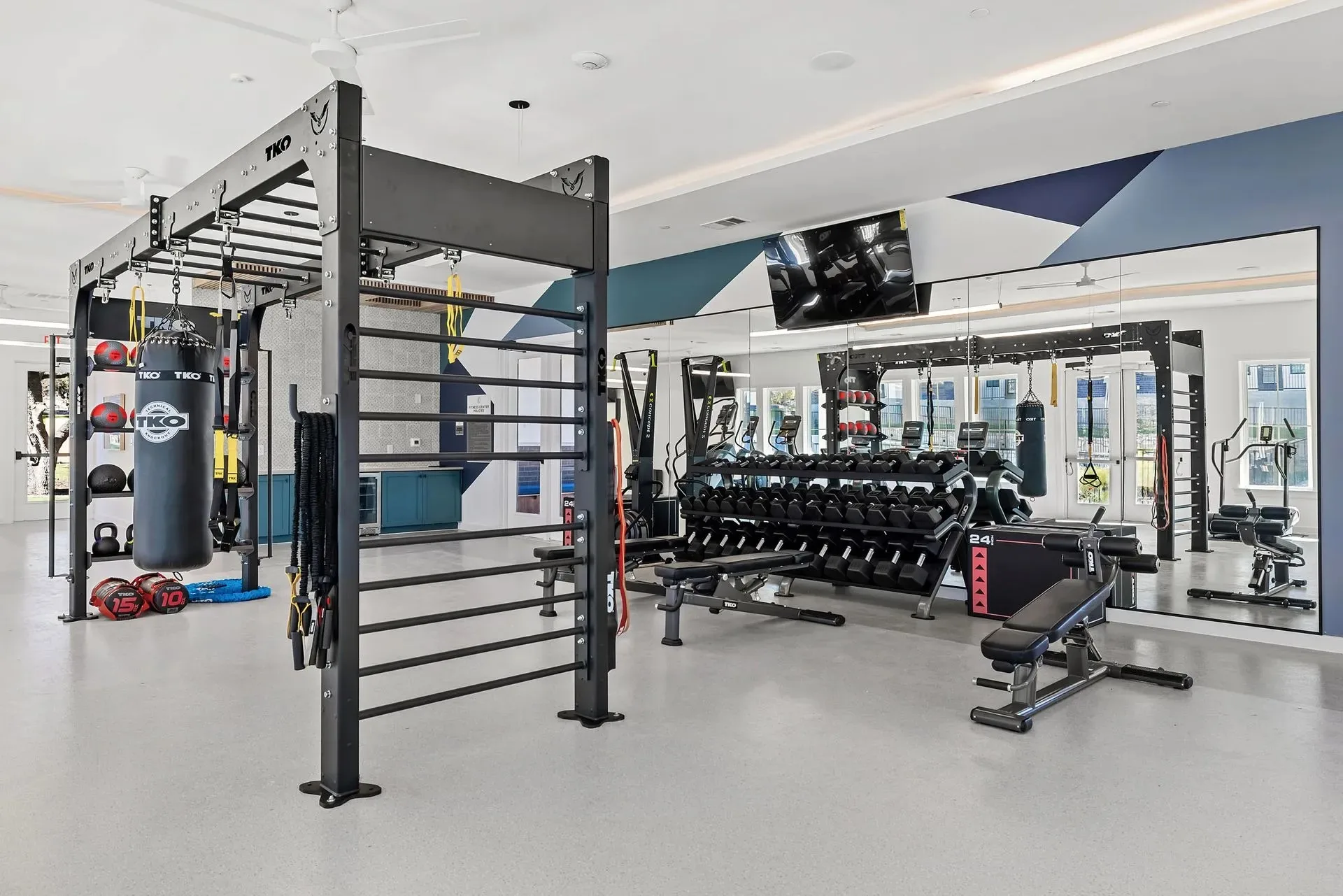
Most of our work in McKinney is apartment and condominium communities, home and individual customers and health clubs and gyms.
The facility types behind our local history
What we equip in McKinney
The three categories below are the ones McKinney works in most, ranked by the volume we have actually supplied there. They are not variations on one specification — the room decides the equipment, which is why we draw it before quoting it.
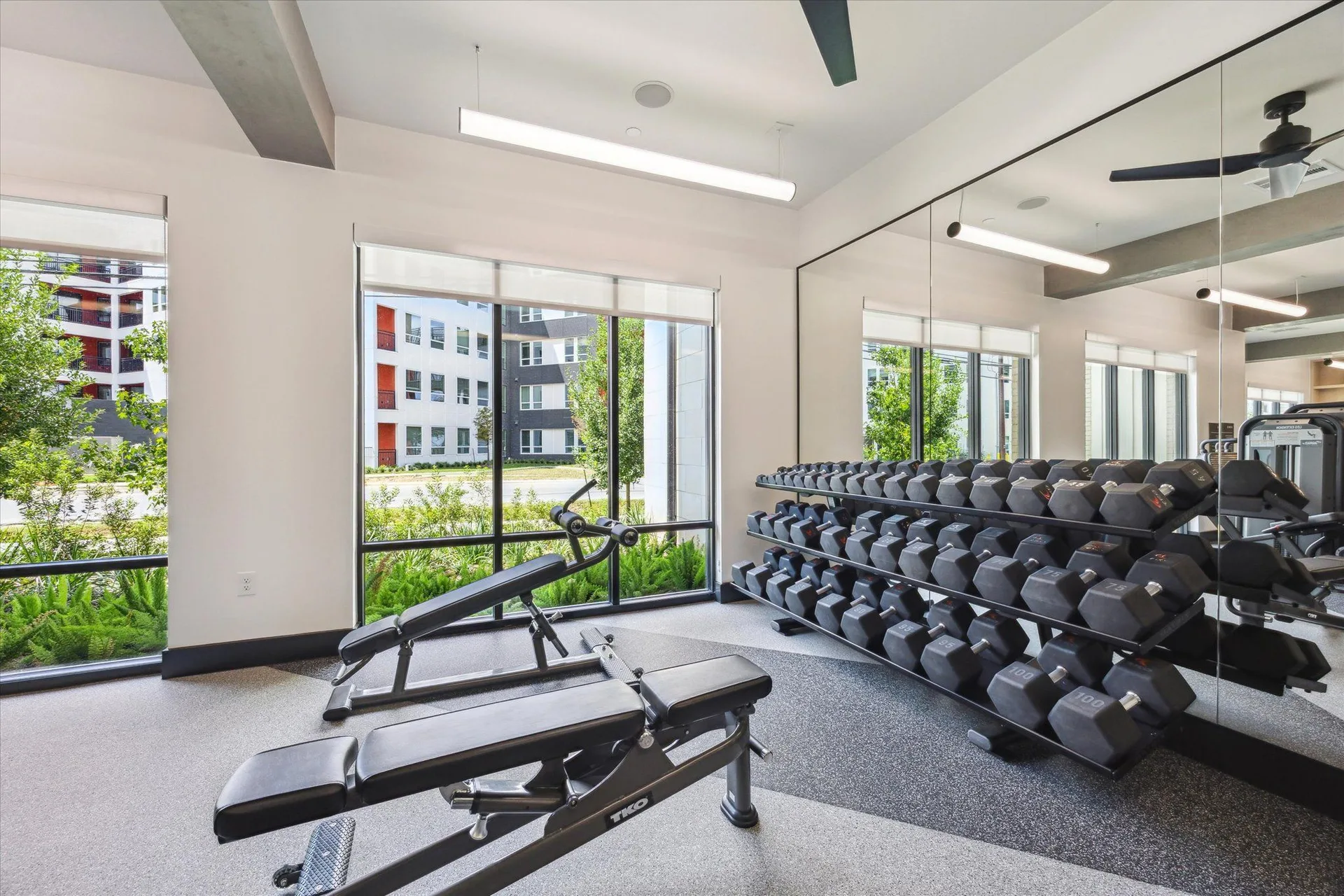
Apartment and condominium amenity rooms
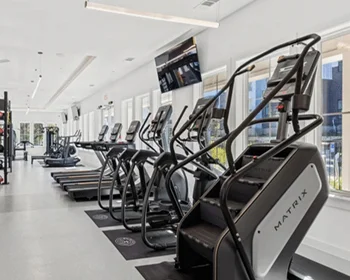
Noise complaints from the apartments around the gym are the fastest way for an amenity to become a management problem, and the floor is where that is won or lost. ASTM F2772 treats force reduction, vertical deformation, ball bounce and surface friction as measured properties of an indoor sports floor, which means a free-weight corner and a cardio row can legitimately be built up differently. Zoning the floor that way is normally cheaper than running the heaviest specification wall to wall, and it is the decision that keeps the residents above from calling. More on apartment gym equipment and design.
Home and private training rooms
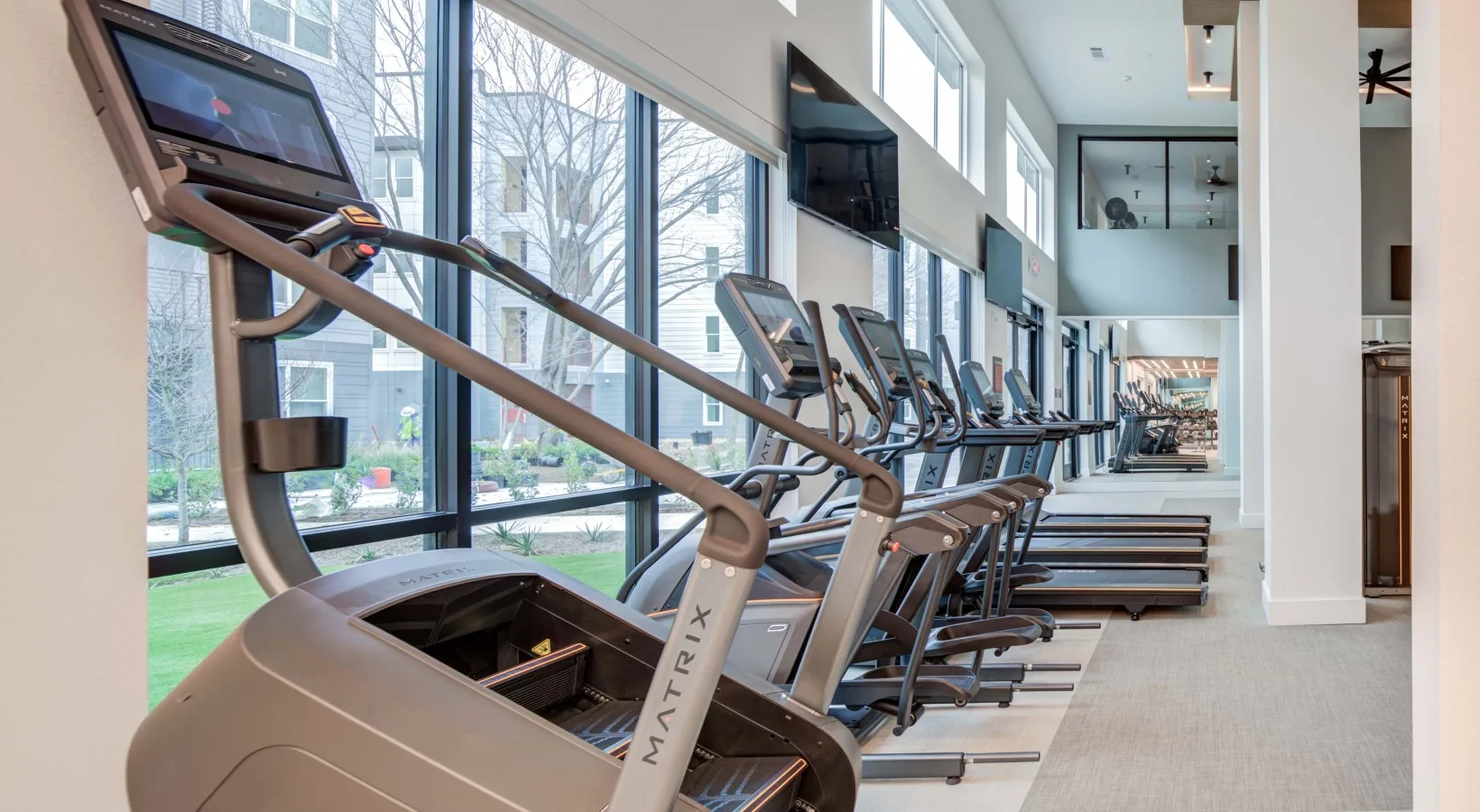
The question that decides a home installation is not whether the machine fits the room — it is whether it fits the hallway, the stair turn and the landing on the way there. We survey that route rather than assume it. The commercial benchmarks are a useful yardstick: ADA sets a 32 in minimum clear door opening measured between the face of the door and the stop with the door open 90 degrees, and 36 in where the opening is deeper than 24 in, and most interior doors and turns at home are tighter. Some machines come apart for the trip and some do not; the ones that do not decide the route, and occasionally the piece. More on home gym equipment and design.
Health clubs and training studios
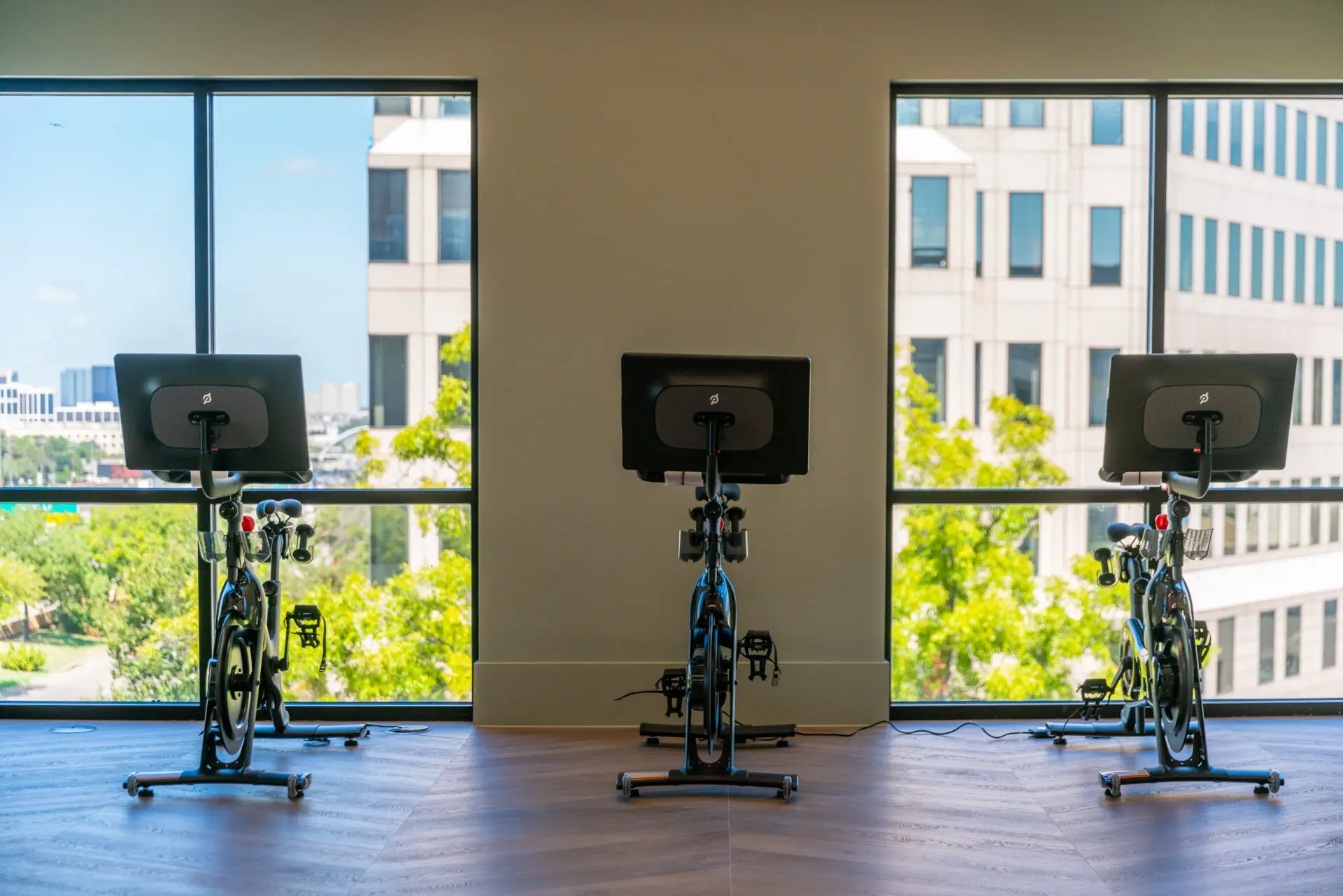
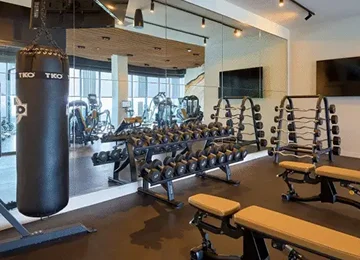
Accessibility is easier to achieve than most operators expect and almost impossible to retrofit, which is the case for drawing the floor first. ADA asks for a 30 by 48 in clear floor space on at least one of each TYPE of machine, served by an accessible route — 36 by 48 in where that space is enclosed on three sides. The part that makes it workable on a dense floor is that the clear space may overlap the route and sit in the aisle behind the machine. Planned in, it costs nothing. Discovered later, it costs a piece of equipment. More on commercial gym and health club equipment.
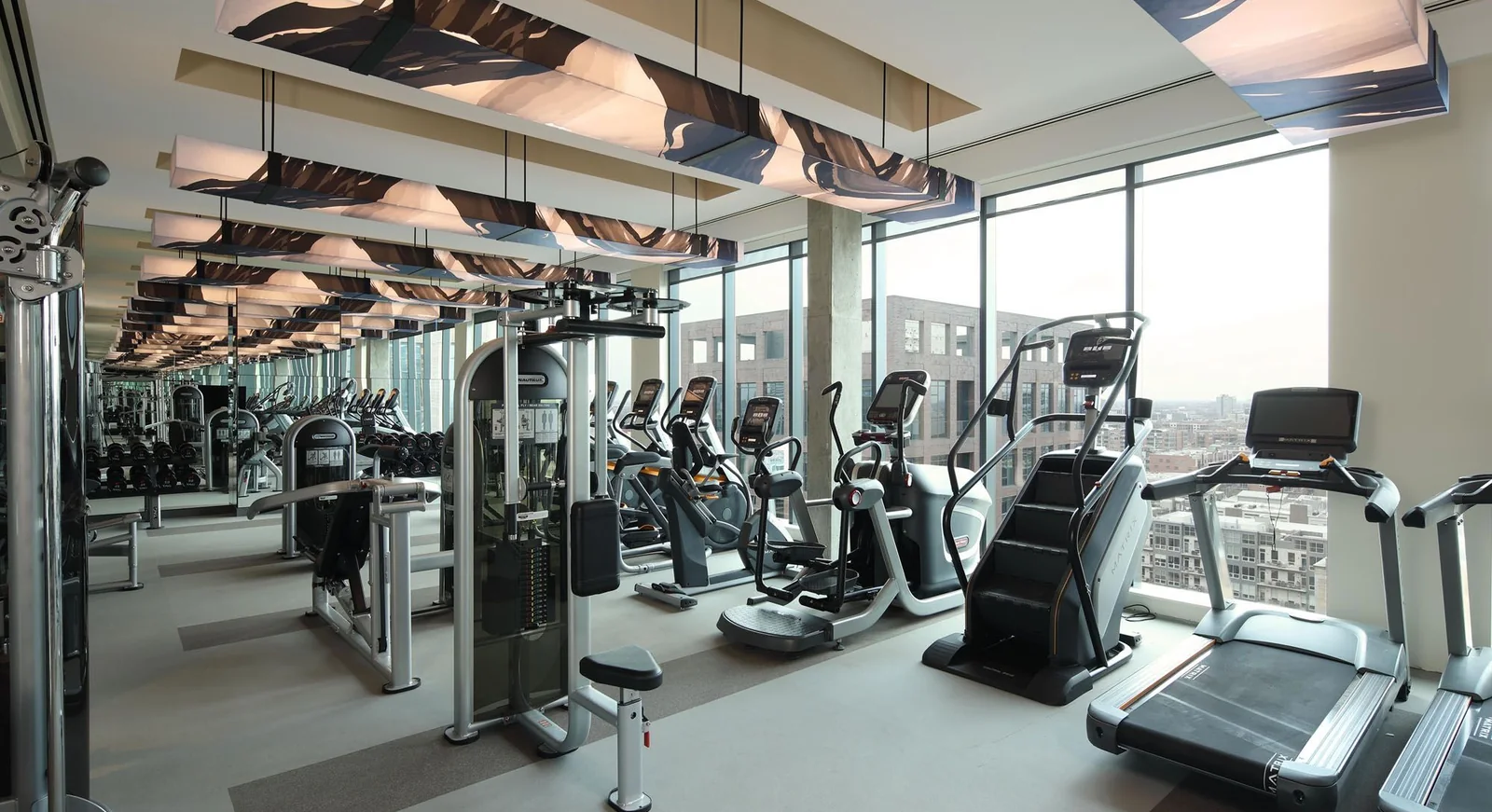
Service, Repairs and Preventive Maintenance in McKinney
Fit Supply provides equipment service, repairs, and preventive maintenance across Texas — delivered directly by Fit Supply or through our sister company, On Site Fitness Service. McKinney is in Fit Supply's home market, minutes from our Irving office.
McKinney is part of our Dallas coverage, where the design, equipment, installation and service pages for this metro all sit.
Service and coverage in McKinney

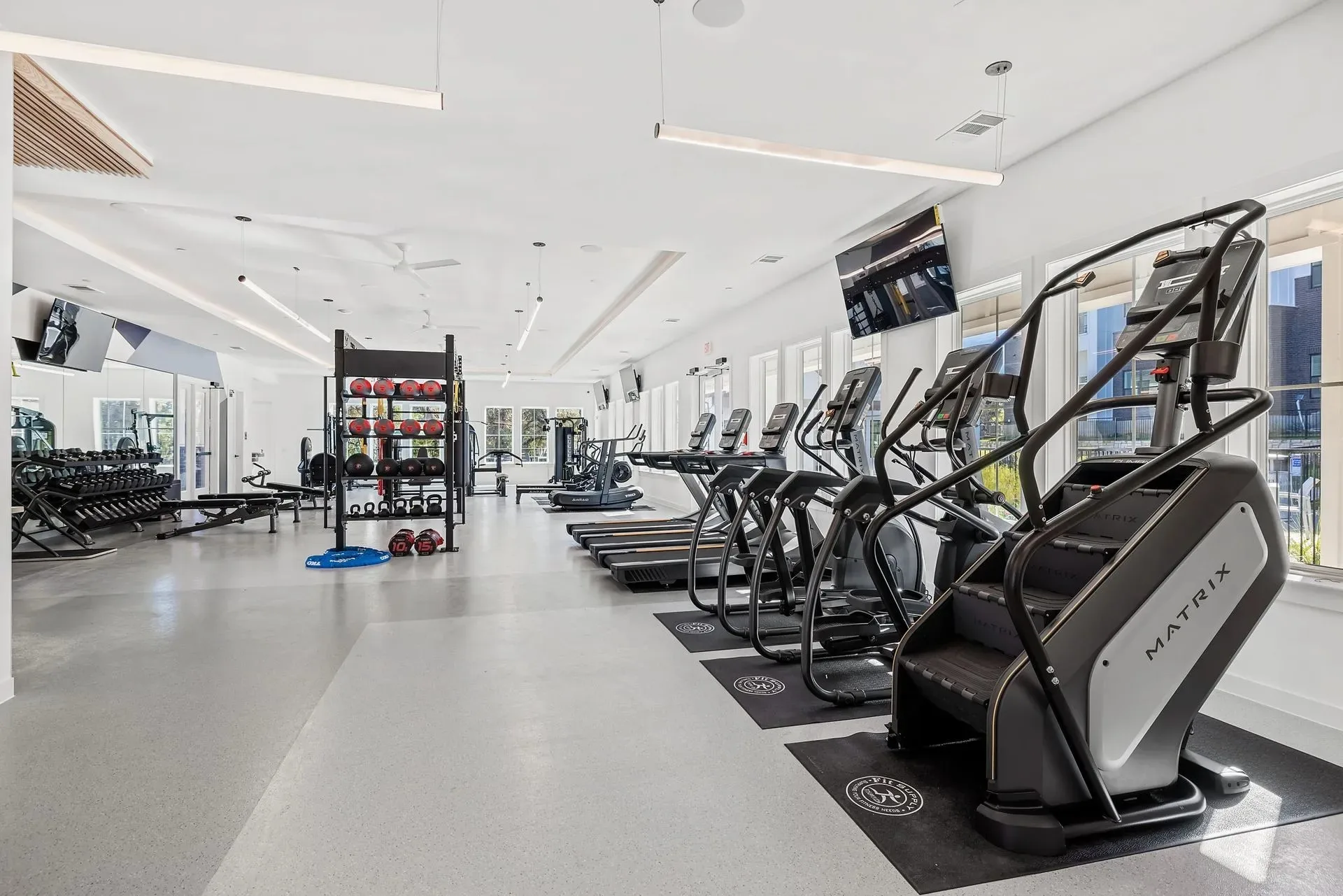
Coverage in McKinney
McKinney is part of our service coverage in Dallas–Fort Worth, alongside Allen and Frisco. We dispatch there for repairs, warranty work and preventive maintenance the same as anywhere else in the coverage area.

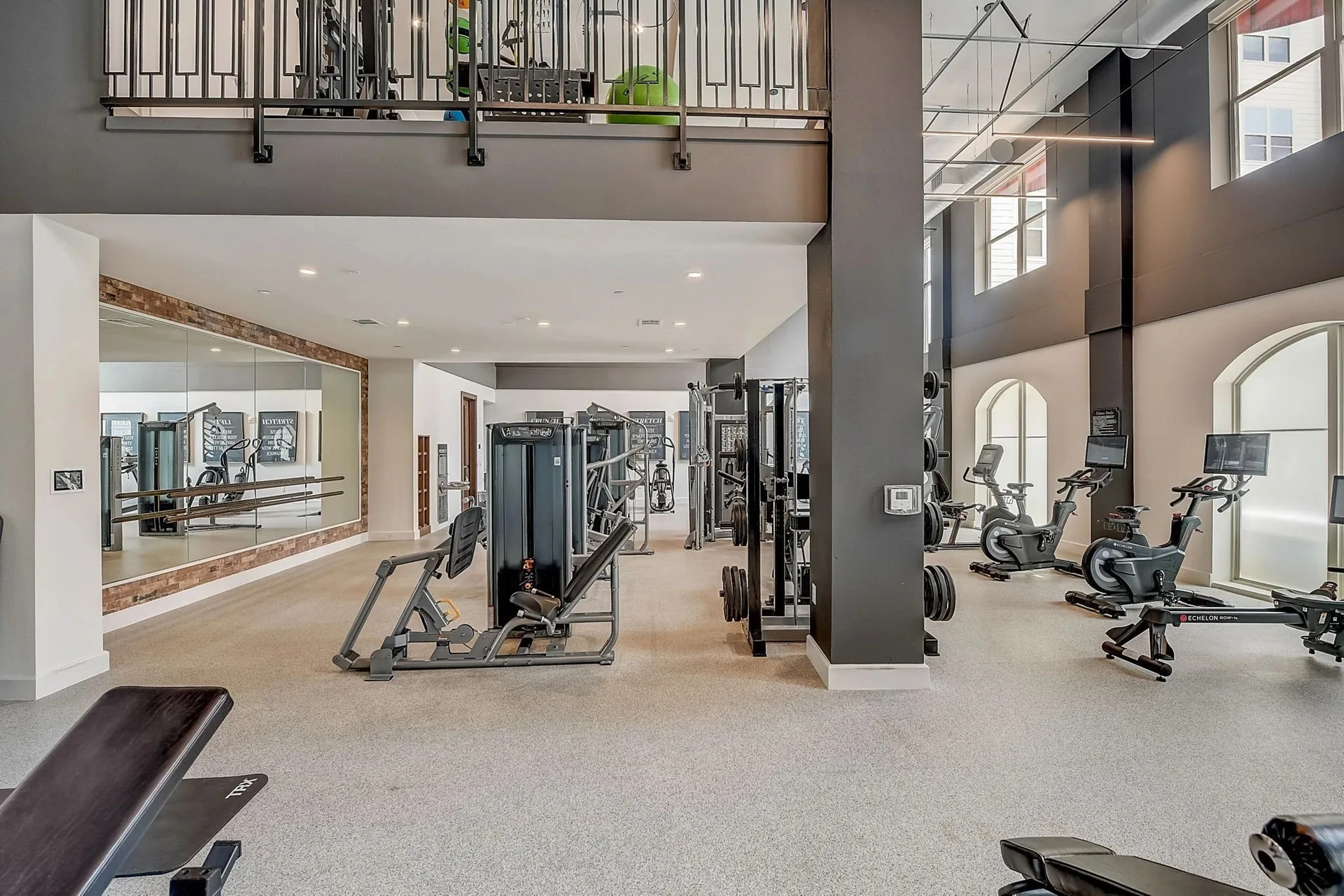
Preventive maintenance plans
Preventive maintenance is offered in three tiers — Silver, Gold and Platinum — see the full PM tier structure. Every repair and PM visit is quoted and approved before work begins.

Nearby cities we cover
We cover Allen, Frisco and Prosper from the same team and the same stock, and publish a page for each.
In short
Most of our McKinney work is in apartment and condominium communities, home and individual customers. Commercial gym equipment, facility design and installation in McKinney, TX, from Fit Supply. Coverage runs across the Dallas–Fort Worth area to Allen, Frisco and Prosper. Slab moisture is tested to ASTM F2170 or ASTM F1869 before a floor is selected, and thickness then follows the zone rather than running 8 mm wall to wall.
Common questions about McKinney projects
Does an alcove or recessed bay change the clearance we need?
Yes. ADA requires a 30 by 48 in clear floor space for at least one of each TYPE of machine, but where that space is enclosed on three sides it becomes 36 by 48 in. In an alcove layout that difference frequently decides whether the last piece fits, which is a reason to settle the plan before the order.
How much equipment fits in a spare room?
Less than the floor area suggests. ACSM allows 25 to 50 sq ft per station on the fitness floor, so a 200 sq ft room is realistically four to eight stations once you keep space to walk and to load a bar. Drawing it to scale first is what avoids a rack that cannot be used from one side.
Can a gym go on the second floor of a retail space?
Often, once the structure is confirmed. IBC Table 1607.1 designs fitness areas for a 100 psf live load, and live loads over 100 psf may not be reduced. The building’s structural engineer confirms what the existing framing carries, and that answer usually shapes the layout by deciding where the heaviest equipment can sit.
Does a Texas fitness build need an accessibility review?
If the estimated construction cost is $50,000 or more, yes. Under Texas Government Code chapter 469, the project is registered with TDLR and reviewed by a Registered Accessibility Specialist, with registration due within 30 days of permit submission, and the same RAS performs the final inspection. It is worth confirming early, because it sits on the permit timeline rather than beside it.
Do you cover properties near McKinney?
Yes. McKinney sits inside our coverage in Dallas–Fort Worth, and the same crews work Allen, Frisco and Prosper. Where a portfolio spans several of those markets, it is one specification and one point of contact instead of renegotiating each site separately.