

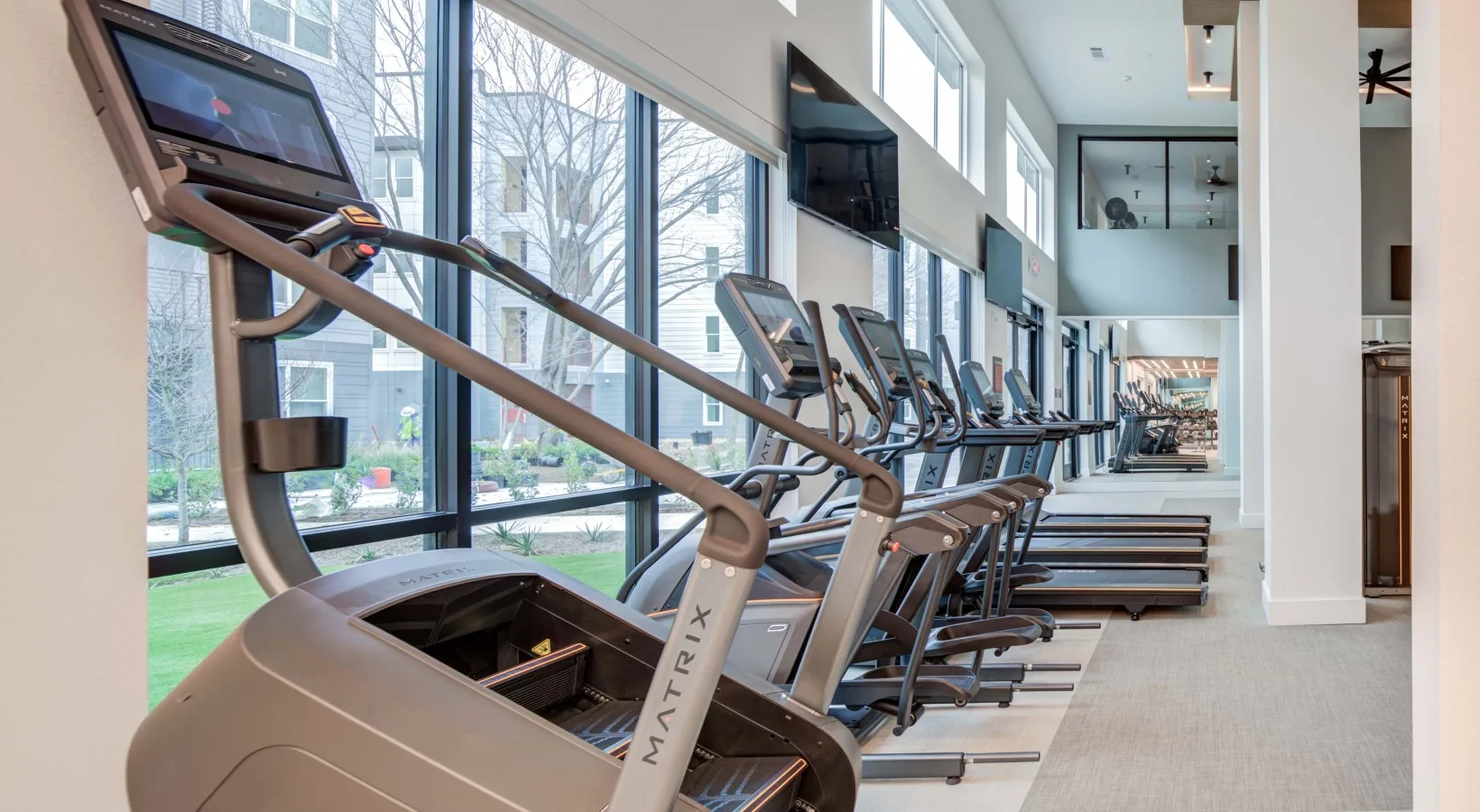
Guest-facing amenity
Hotel and Resort Gym Equipment and Design
How a project runs
How a project runs, stage by stage
Layout and design
A plan that looks right in a booking photograph and still meets the clearances, in a footprint set by the building rather than by use.
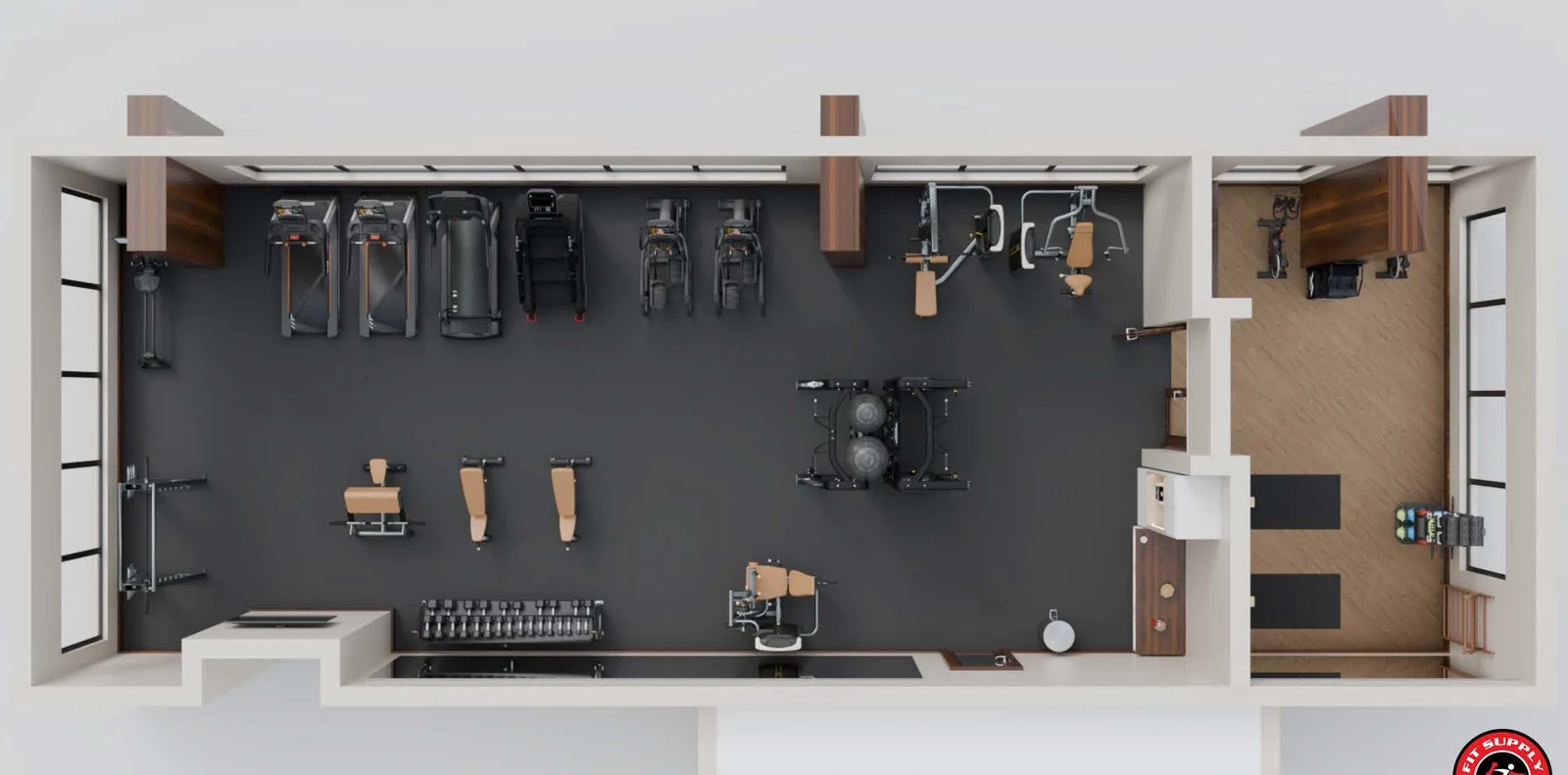
Procurement
Equipment chosen for a guest who will use it once, with brand-flag standards met where a franchise sets them.
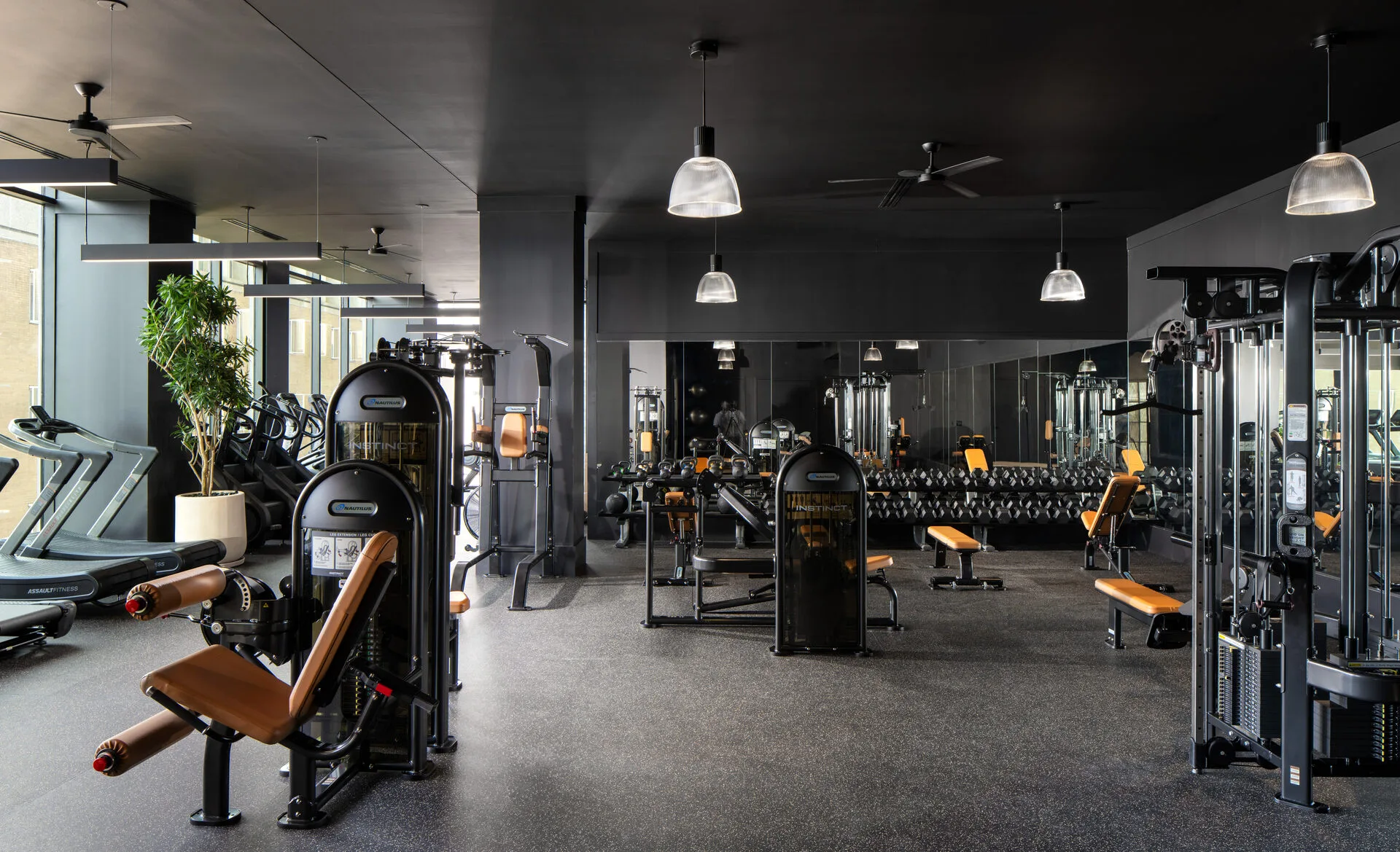
Delivery and installation
Installed without closing the amenity longer than a dated, communicated window.
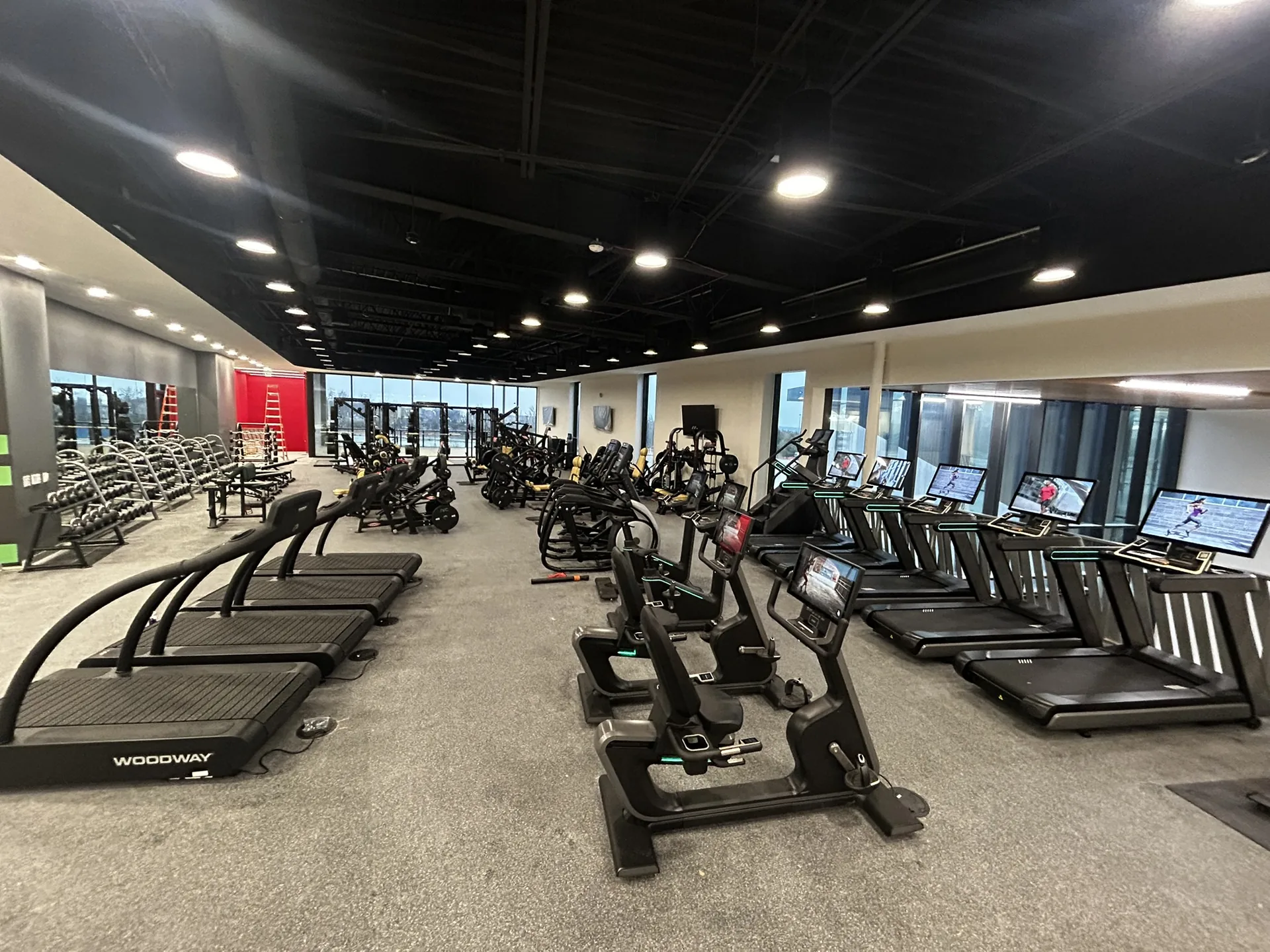
Service afterwards
Maintenance that keeps a room presentable, since a tired hotel gym reaches a review faster than any other room in the building.
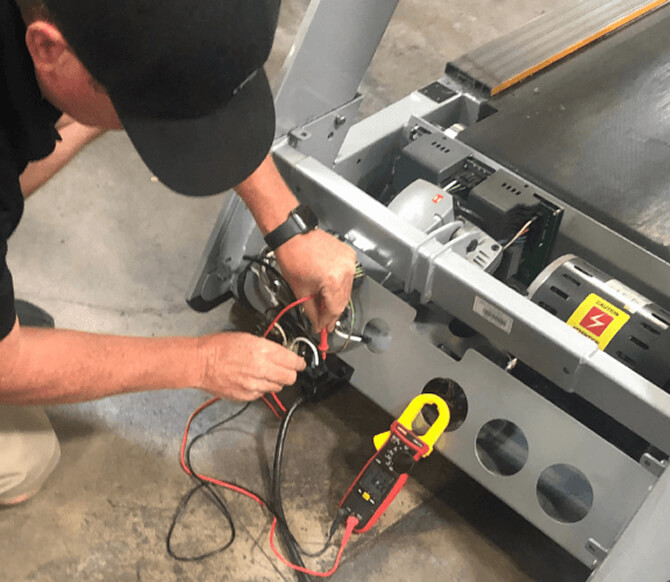
Fitness Centers for Hotels and Resorts
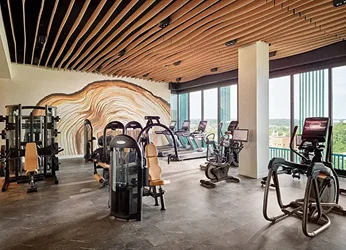
A hotel fitness center is a booking factor. It appears in the amenity list, in guest photographs, and in review scores, and a tired room with a machine out of order costs more in reputation than the repair would have cost.
Fit Supply designs and equips hospitality fitness spaces nationwide, from limited-service properties with a compact guest gym to full resort wellness facilities.
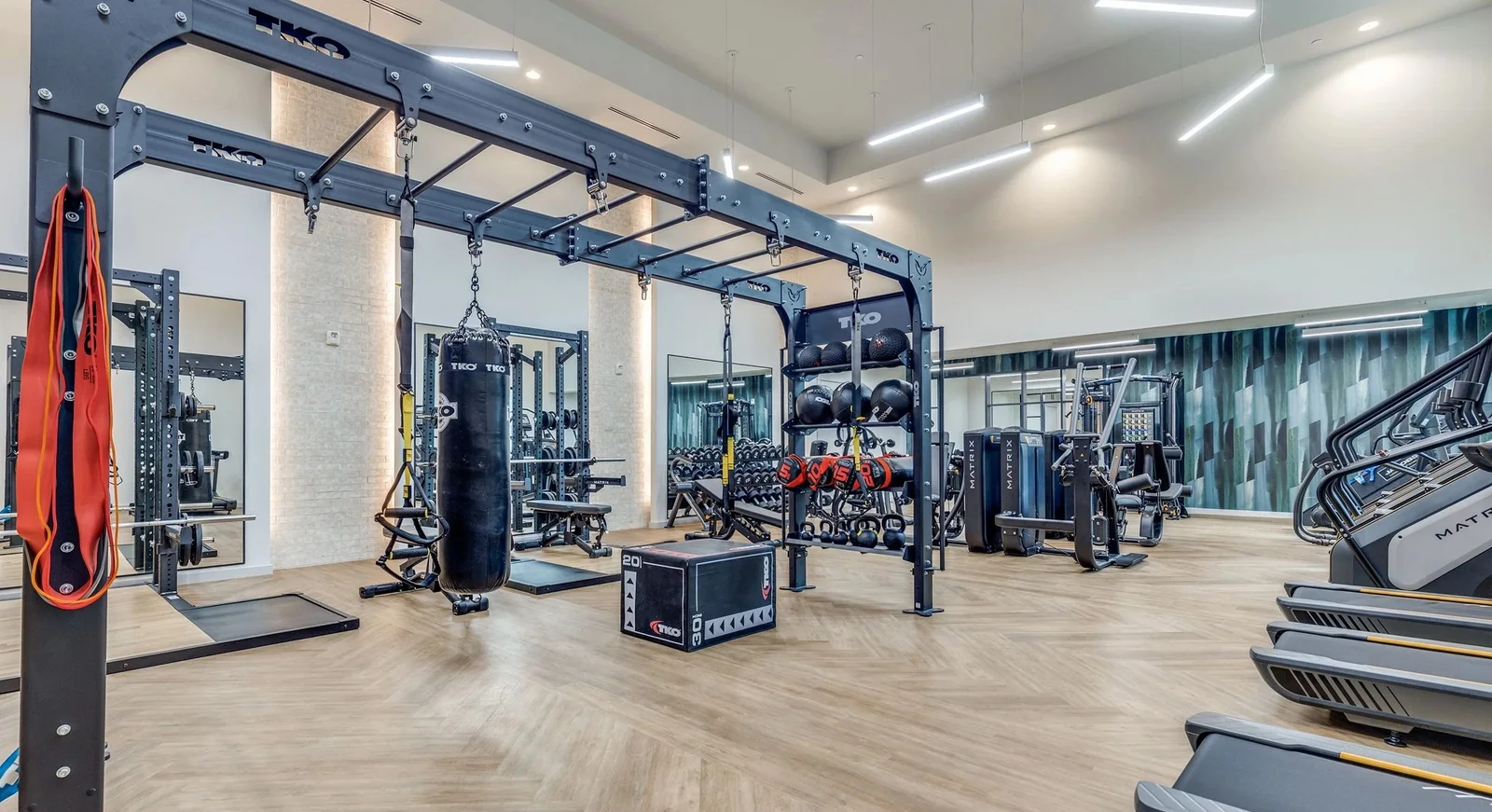
What a hotel fitness room needs from us
The scope is the same on every project. In a hotel it is a guest-facing amenity that is photographed, reviewed, and usually sits above occupied rooms.
Hotel fitness requirements

Meeting brand standards
Brand standards usually set the floor. Most flags specify minimum equipment counts and often approved manufacturers, scaled to room count. We work to those standards and can tell you what a given specification will actually require in floor area before you commit to a footprint.

Designing for guest use
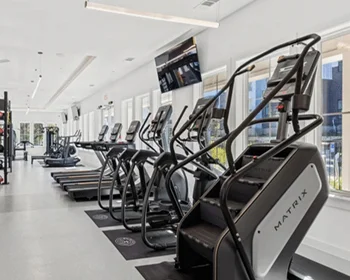
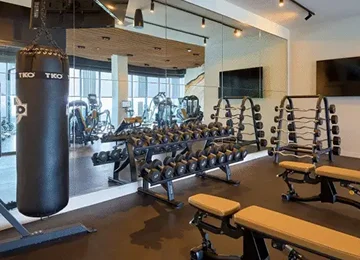
Guest use is unlike any other category: short sessions, unfamiliar equipment, no orientation, and a strong expectation that everything simply works at five in the morning. That pushes the specification toward straightforward cardio with clear consoles, compact multi-station strength, and enough dumbbell range for a quick session — not a training floor.

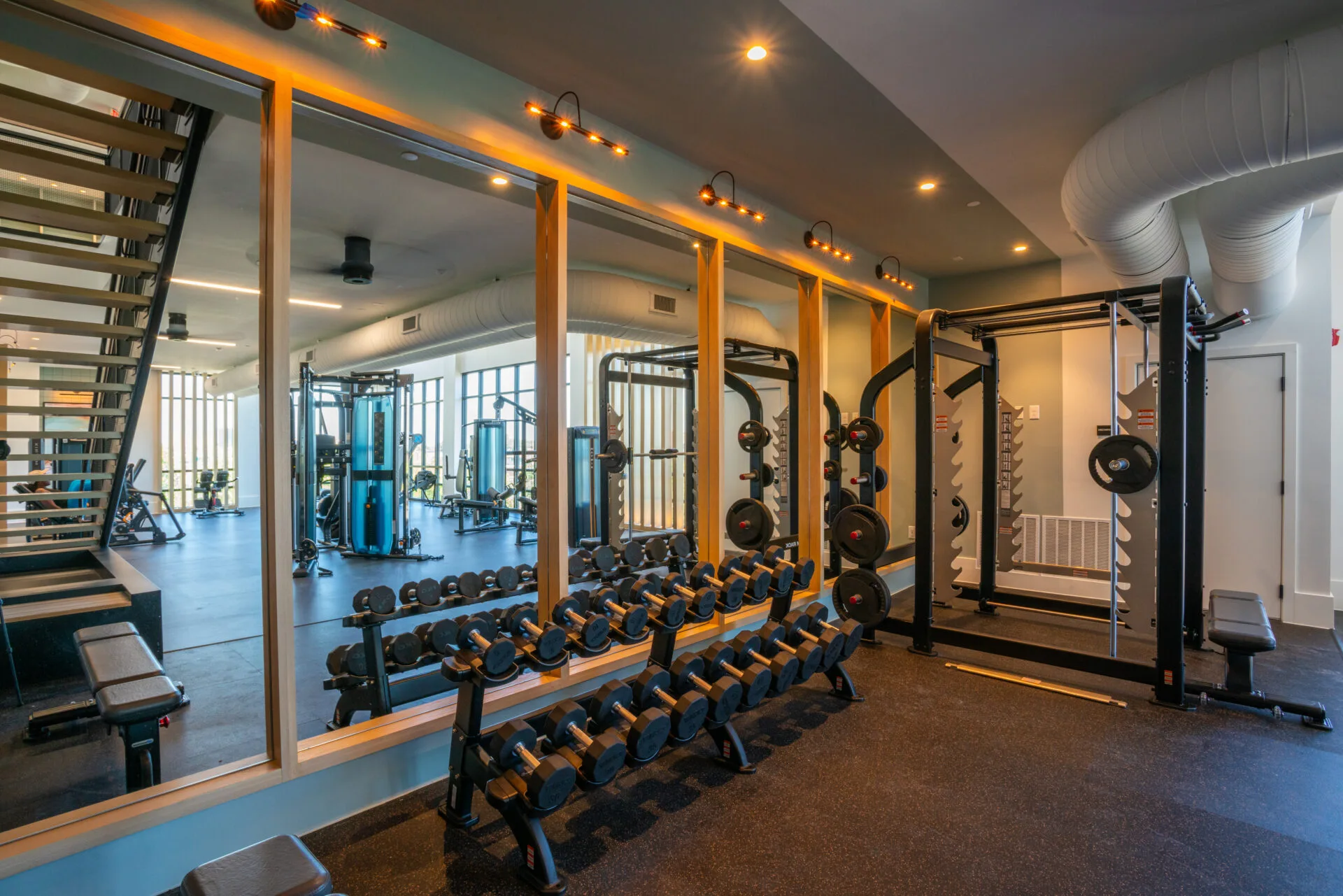
Installing around occupancy
Because a hotel gym cannot close for a week, we schedule installations and refreshes around occupancy, work overnight where required, and keep the room in service in stages when a full shutdown is not an option. Preventive maintenance matters more here than in most categories, precisely because guests, not staff, are the ones who discover a fault.
In short
Fit Supply equips hotel and resort fitness centers nationwide, working to brand-standard equipment minimums and translating them into real floor-area requirements before a footprint is committed. Guest rooms are specified for short unfamiliar sessions with clear consoles and compact strength, and installations are scheduled around occupancy so the room never fully closes. A converted guest room is a change of use: IBC Table 1607.1 designs sleeping areas for 30 psf and fitness areas for 100 psf.
Frequently asked questions
What are hotel brand standards for fitness centers?
Most flags set minimum equipment counts scaled to room count, and many specify approved manufacturers. A frequent baseline is roughly one cardio piece per 50 guest rooms with a stated minimum, plus a multi-station strength unit and a dumbbell range. We work to whichever standard your flag publishes and, importantly, translate it into the floor area it will actually require before a footprint is committed — brand minimums are written as equipment lists, not as square footage.
How much space does a hotel fitness center need?
A limited-service property typically needs 400 to 800 square feet; a full-service or resort facility runs well beyond that. Allow 25 to 50 square feet per cardio piece including circulation, and remember guests arrive with luggage-day stiffness and no orientation, so wider circulation earns its space here more than in a member gym. Mirrors, water and towel provision are part of the expected package rather than extras.
Does the fitness center have to close during installation?
No. Hotel work is scheduled around occupancy, overnight where required, and staged so part of the room stays in service rather than closing it entirely. A gym listed as an amenity and found closed generates exactly the review a refresh was meant to prevent, so keeping it partially open is usually worth the extra scheduling.
Why does preventive maintenance matter more in a hotel?
Because guests discover the fault, not staff. In a member gym a broken machine is reported within hours; in a hotel it may sit unreported through several guests, each of whom experienced the amenity as broken and some of whom will say so in a review. Scheduled preventive maintenance turns that into a planned visit instead of a reactive one.
Does my Texas project need a TAS review?
A commercial construction or renovation project in Texas with an estimated cost of $50,000 or more must be registered with the Texas Department of Licensing and Regulation and reviewed by a Registered Accessibility Specialist, with registration due within 30 days of submitting for permit. Projects under that threshold still have to meet the Texas Accessibility Standards; they just skip the formal state review. Confirm the current requirements with TDLR or your architect for your specific project.
Do you charge for gym layout and design?
It depends on the project, and it is confirmed in your quote rather than assumed. Fit Supply can consult on a design, produce the design itself, or do both — and where the equipment is purchased through us, design is frequently included. Ask when you request the quote and we will tell you exactly what applies to your project before you commit to anything.
How long does a gym design take?
Usually one to two weeks, delivered together with an equipment quote. You are not given a single take-it-or-leave-it option: we work through the space with you and typically present two to three quotes at different price tiers, with equipment choices at each, so you can see the trade-offs rather than just a total.
What warranty comes with the equipment?
Manufacturer warranties are passed through to you in full, and Fit Supply warrants its own installation work for 30 days. Warranty terms differ by manufacturer and by product line, so the specific coverage for what you are buying is set out in your quote rather than generalised here.