

Board-approved, self-managed
HOA and Community Gym Equipment and Design
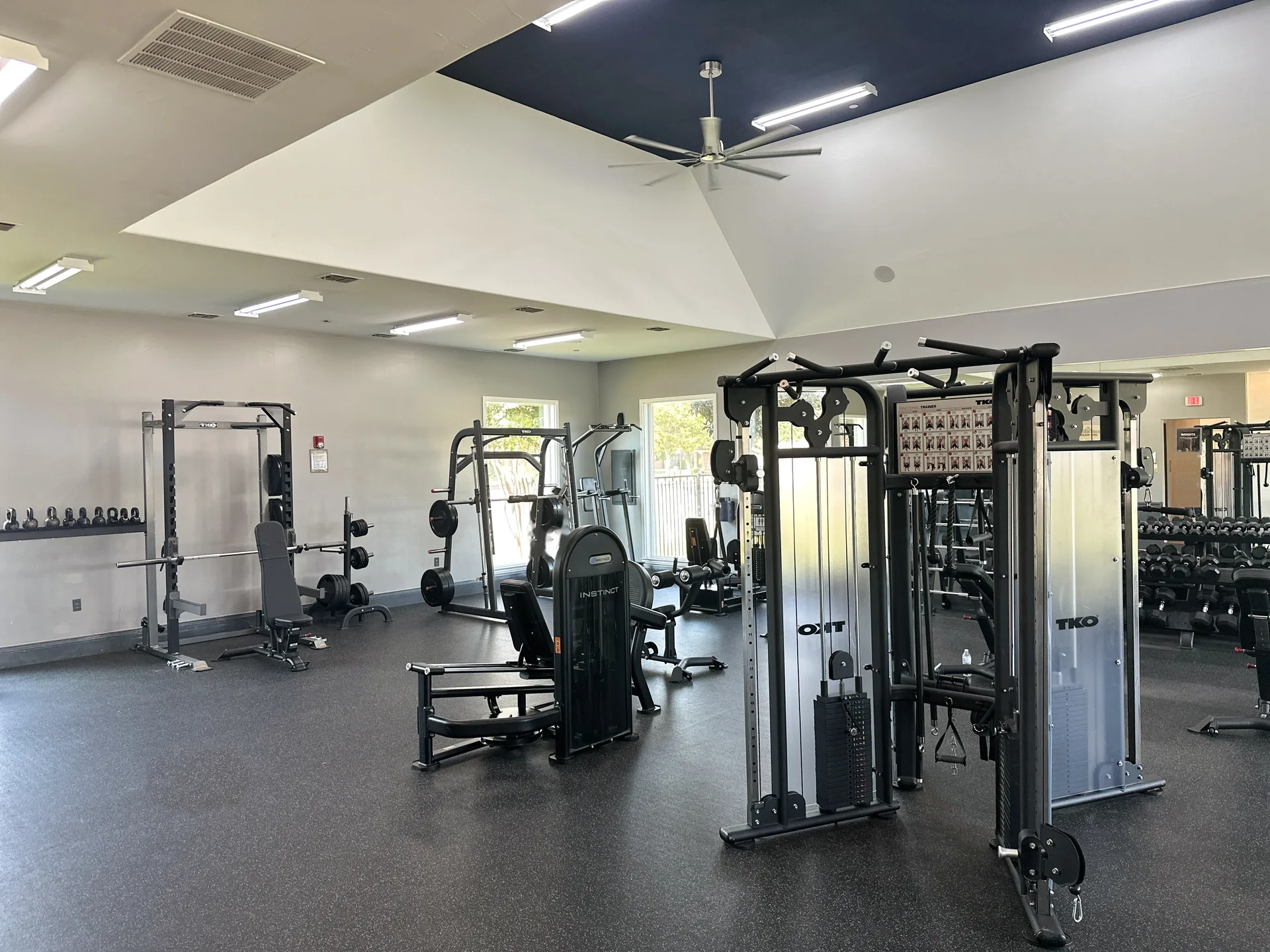
Community Fitness Rooms We Have Installed
7 photos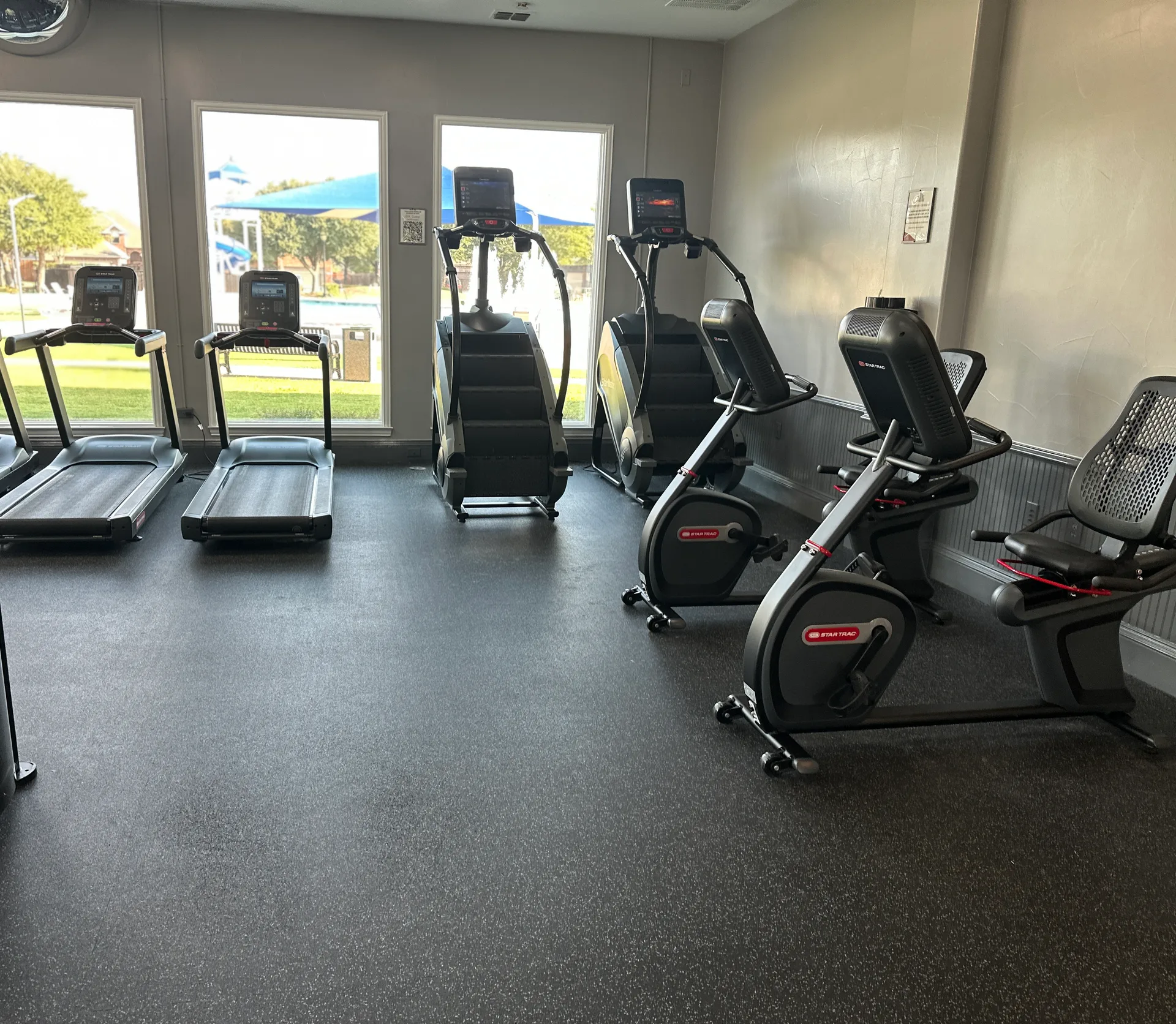
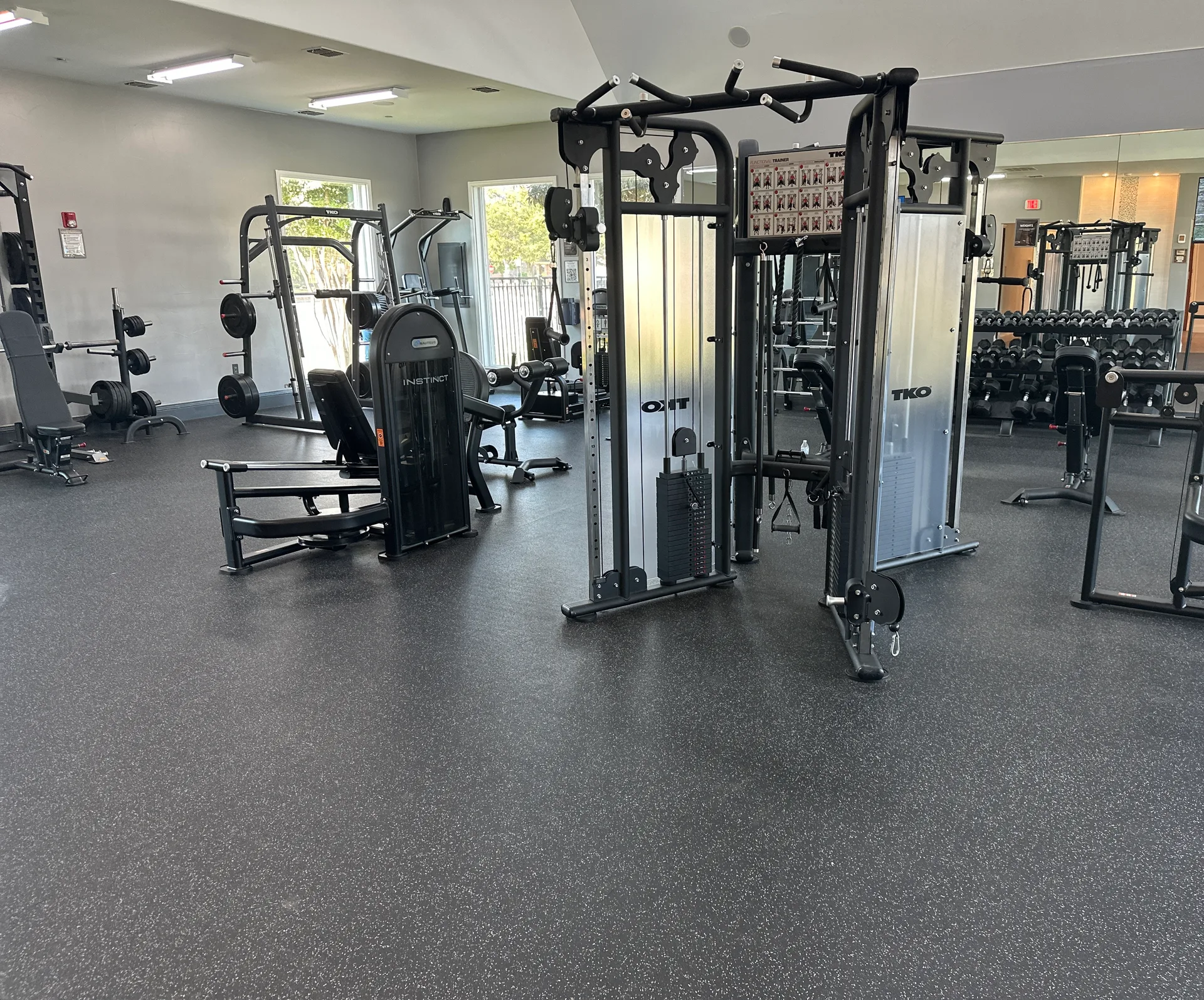
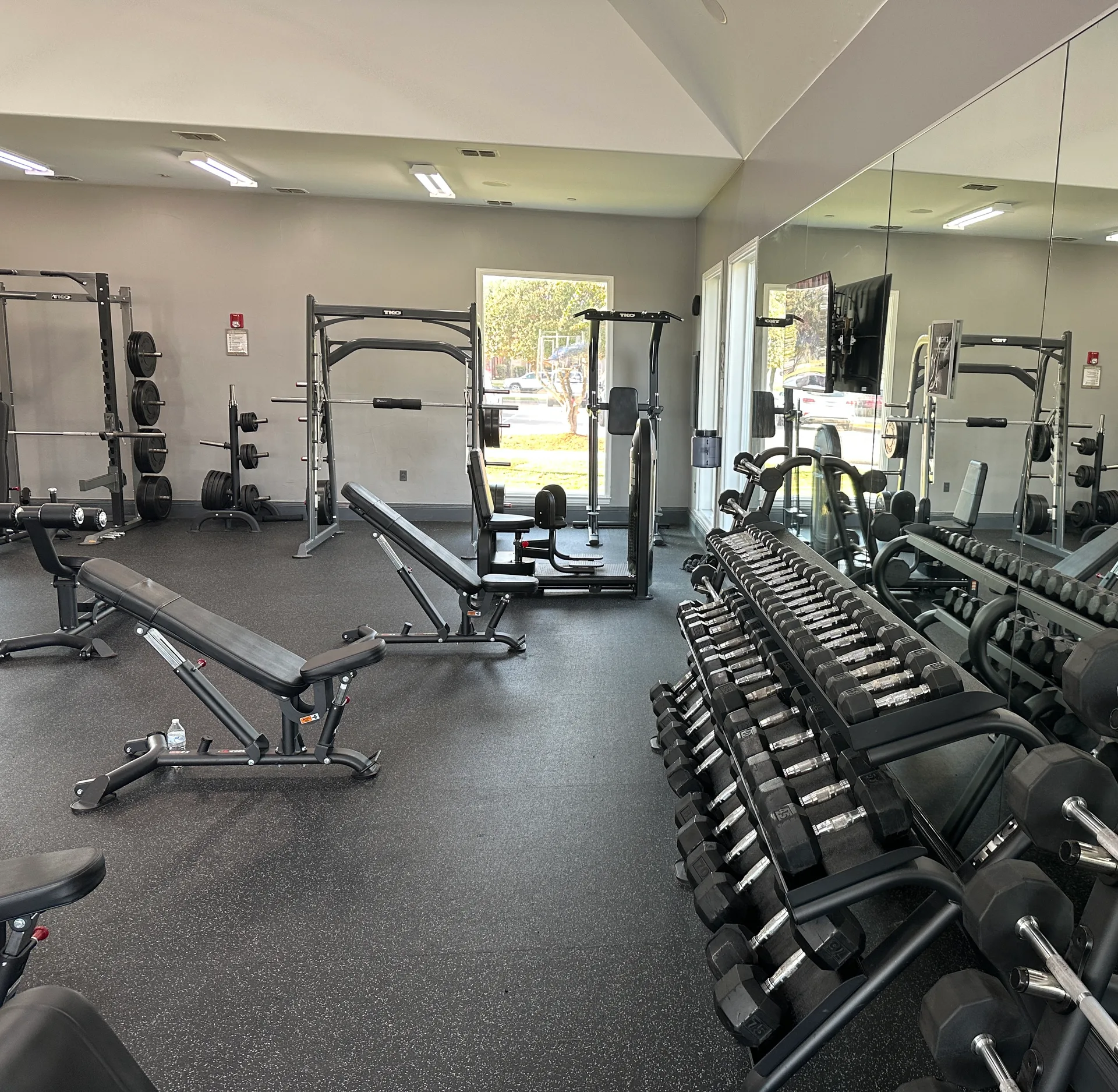
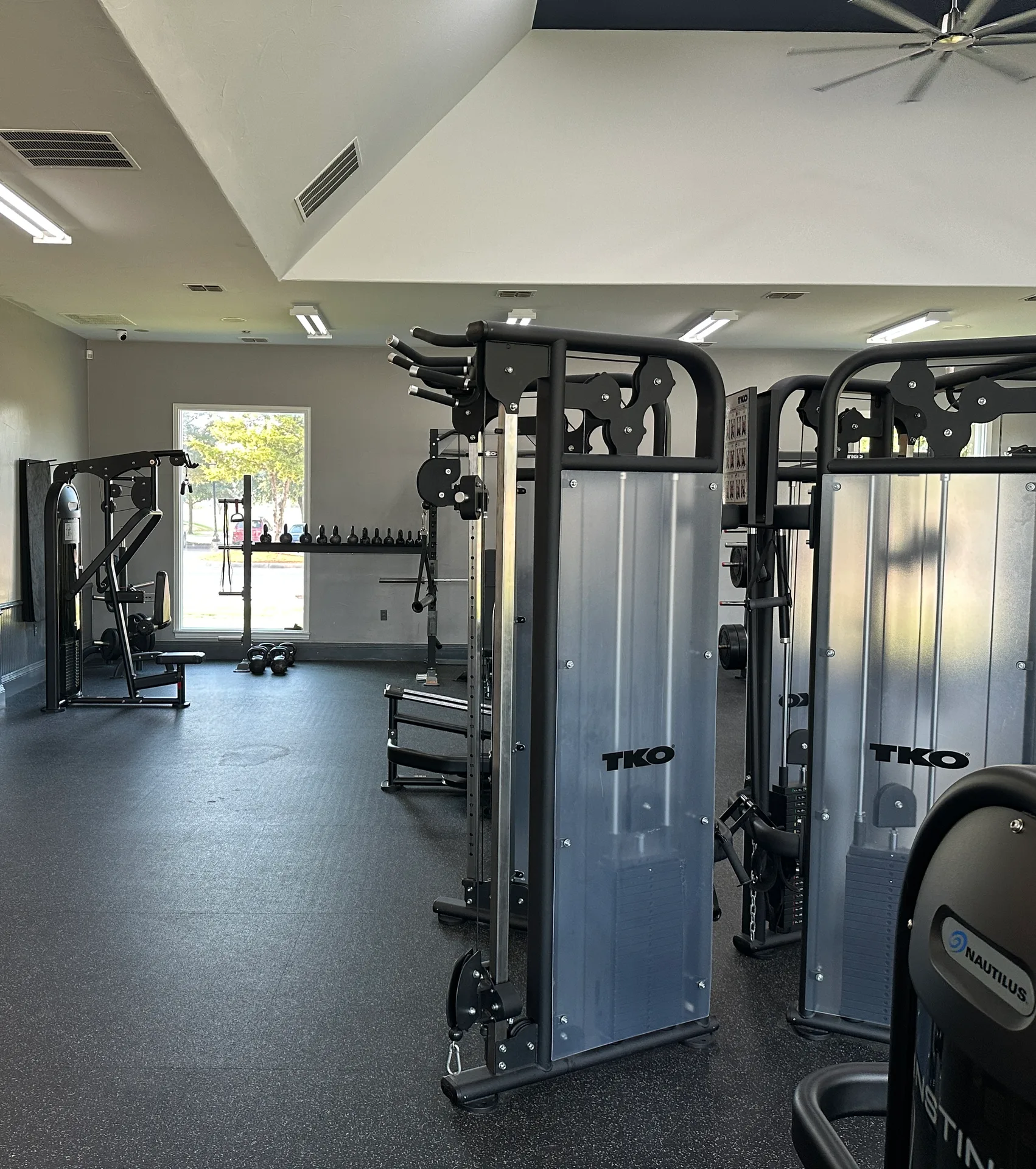
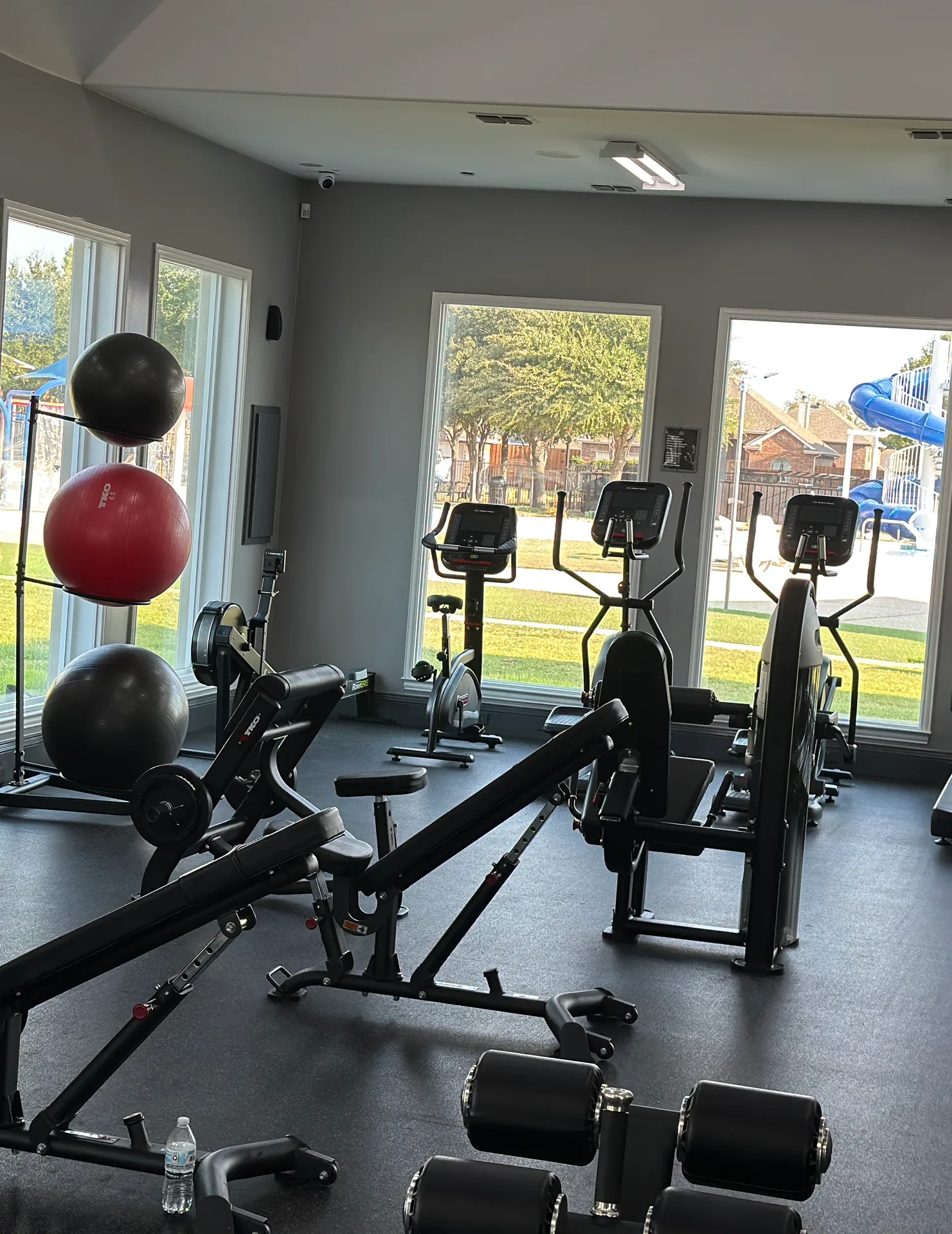
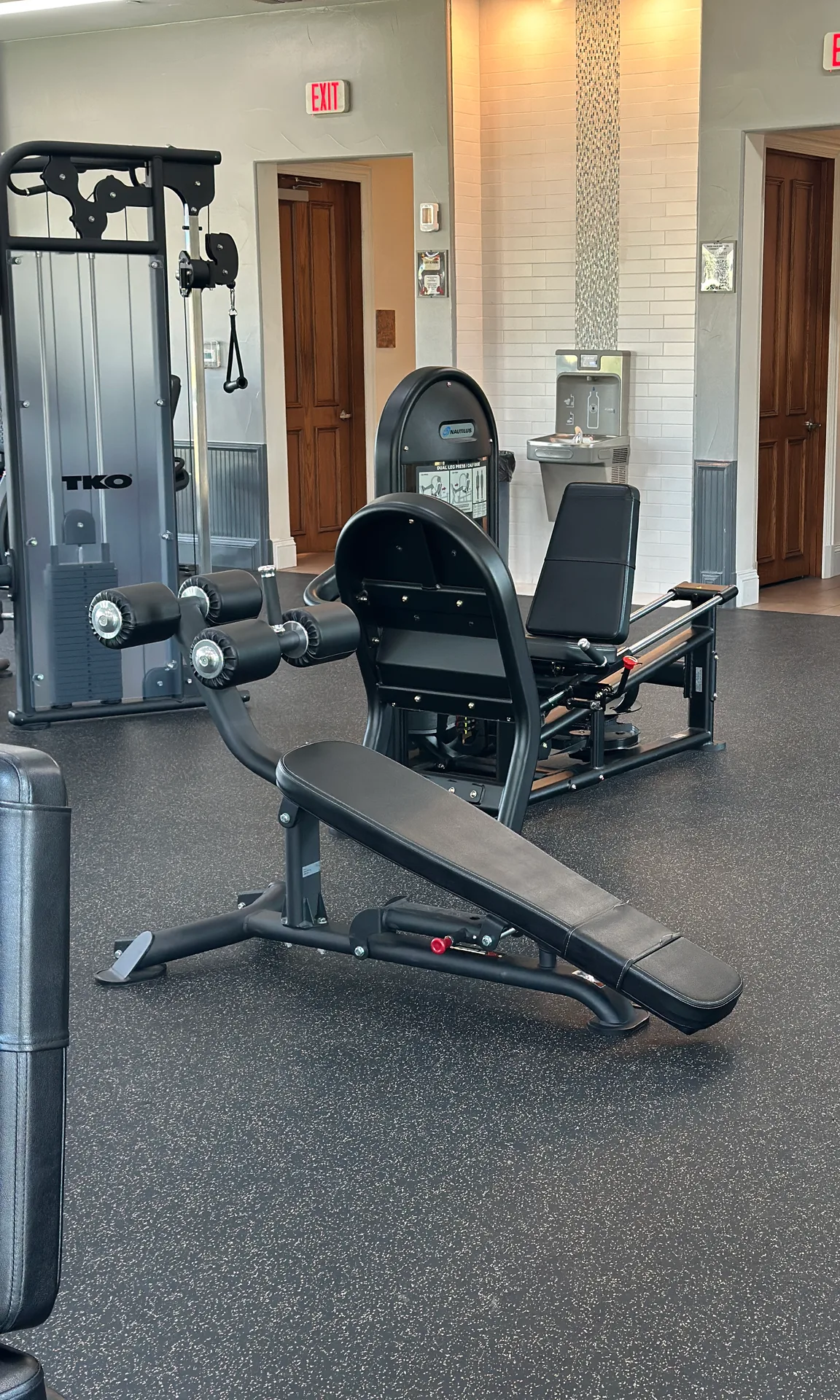
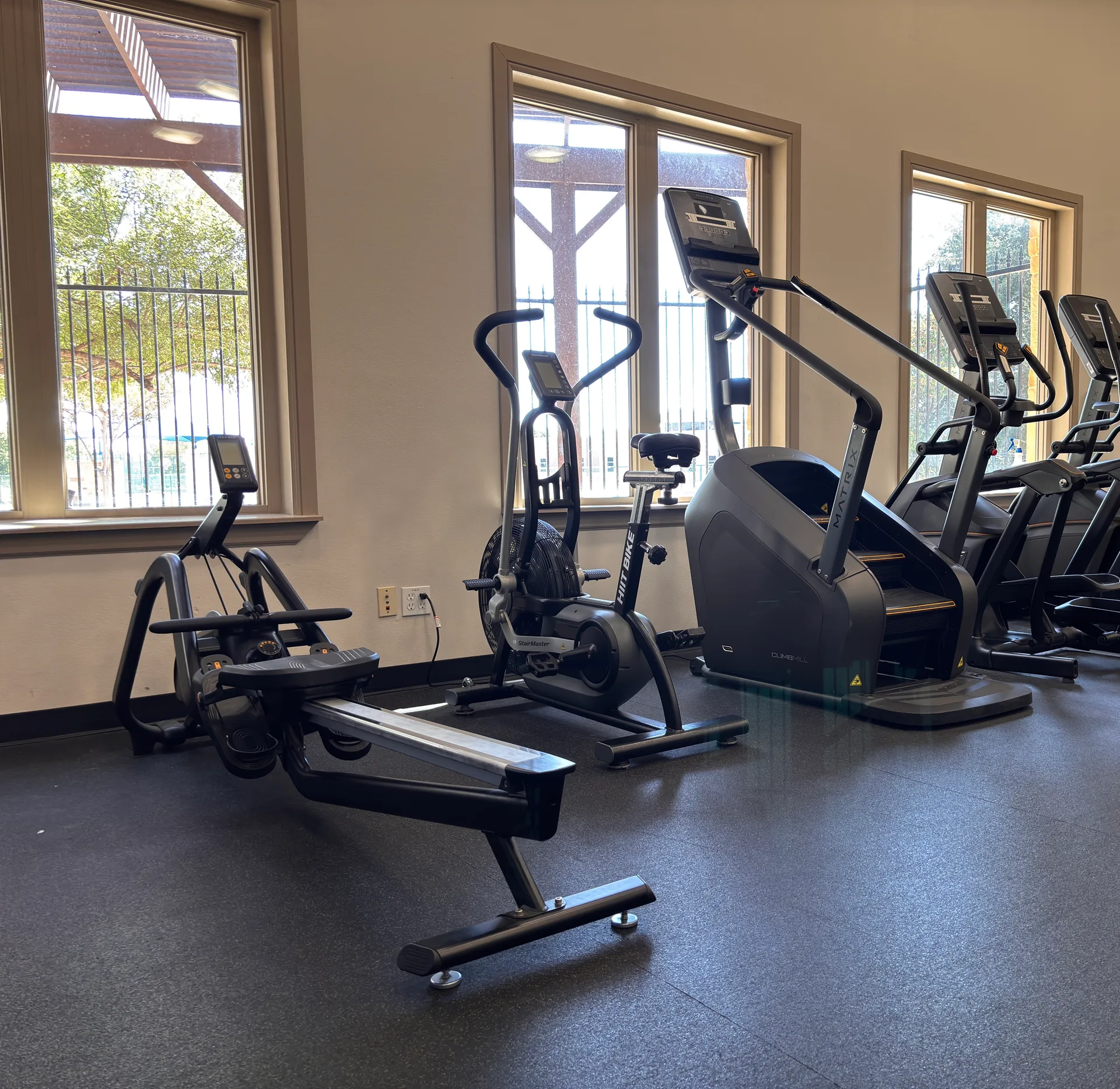 7 photos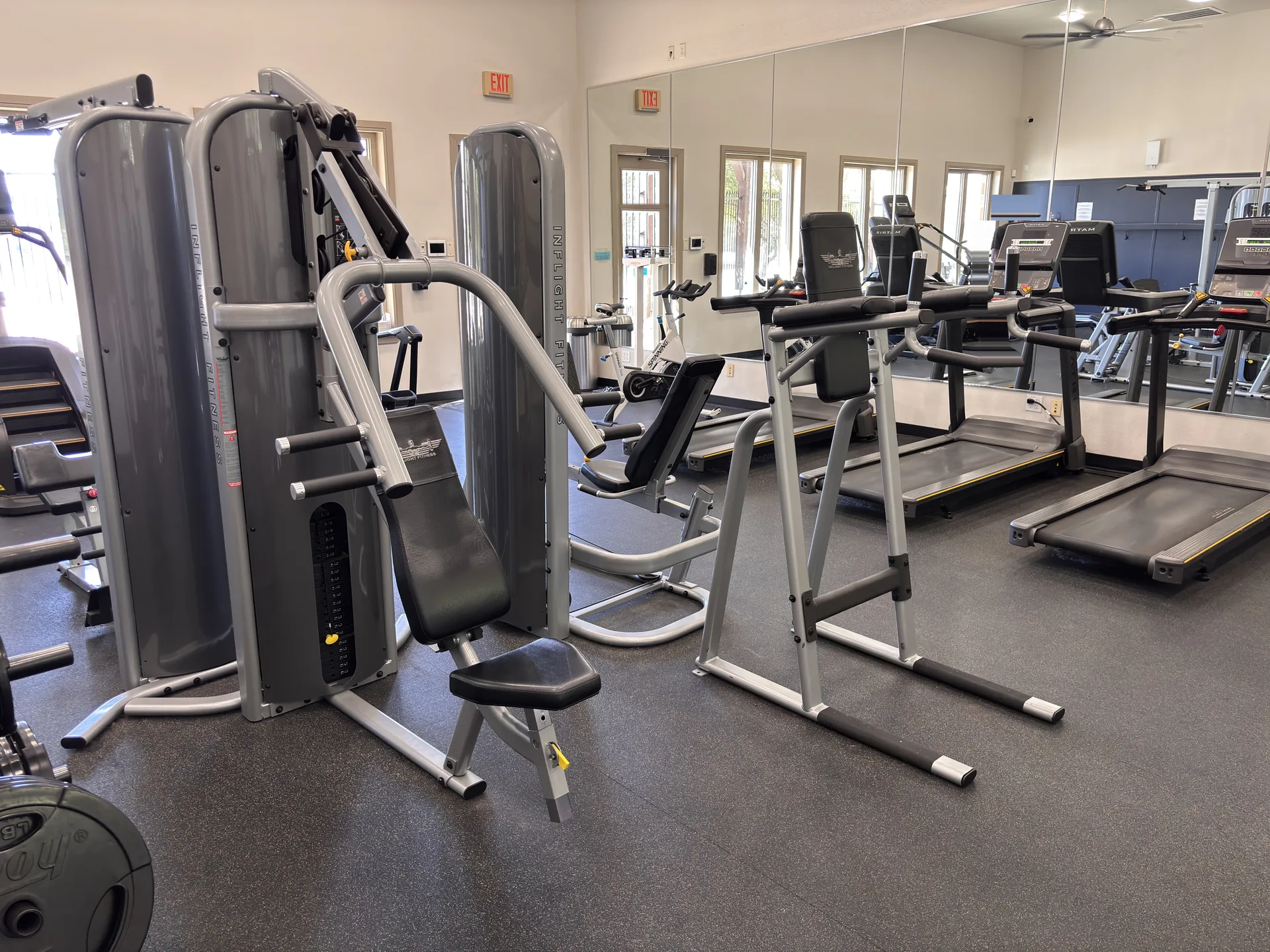
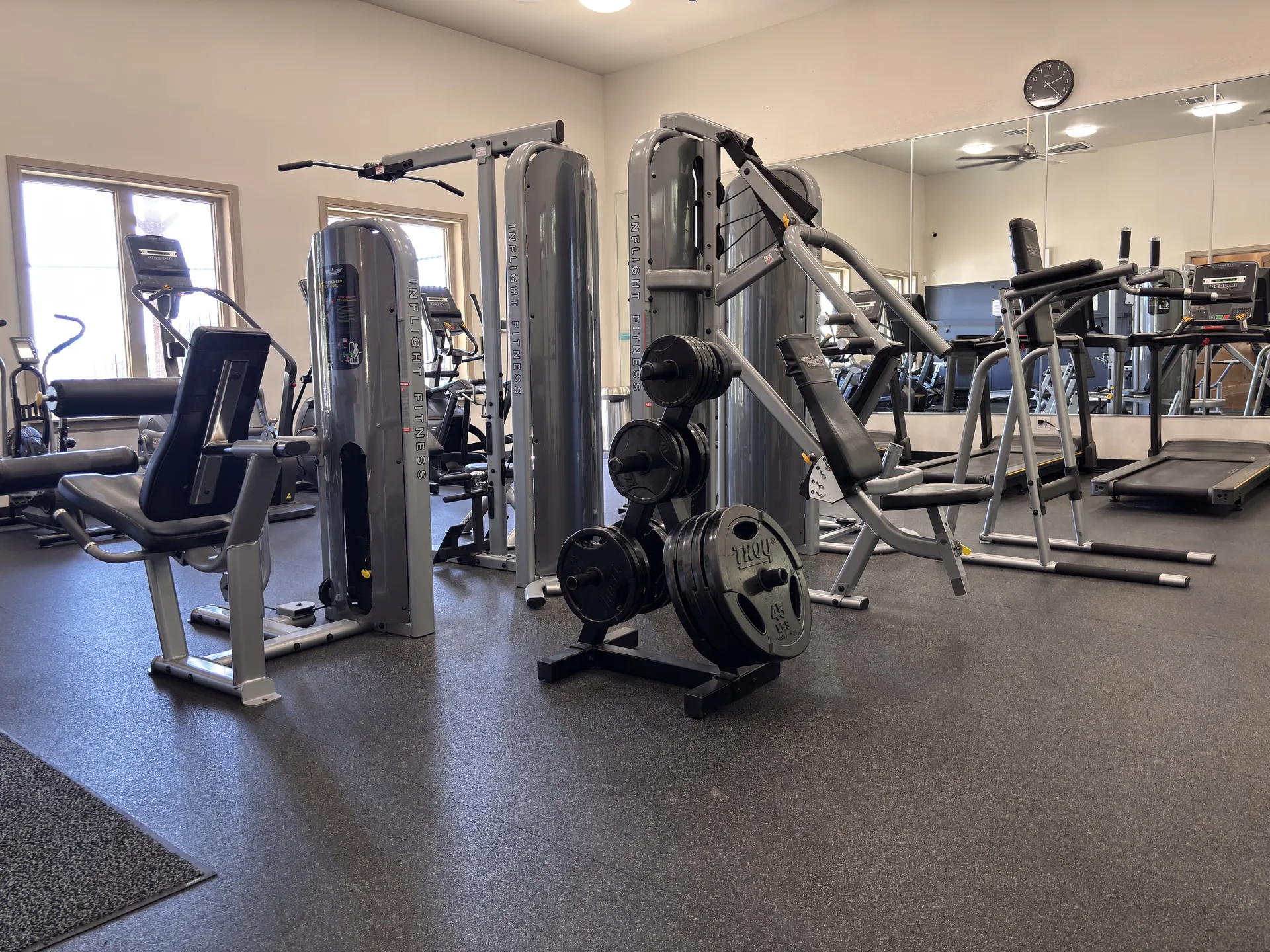
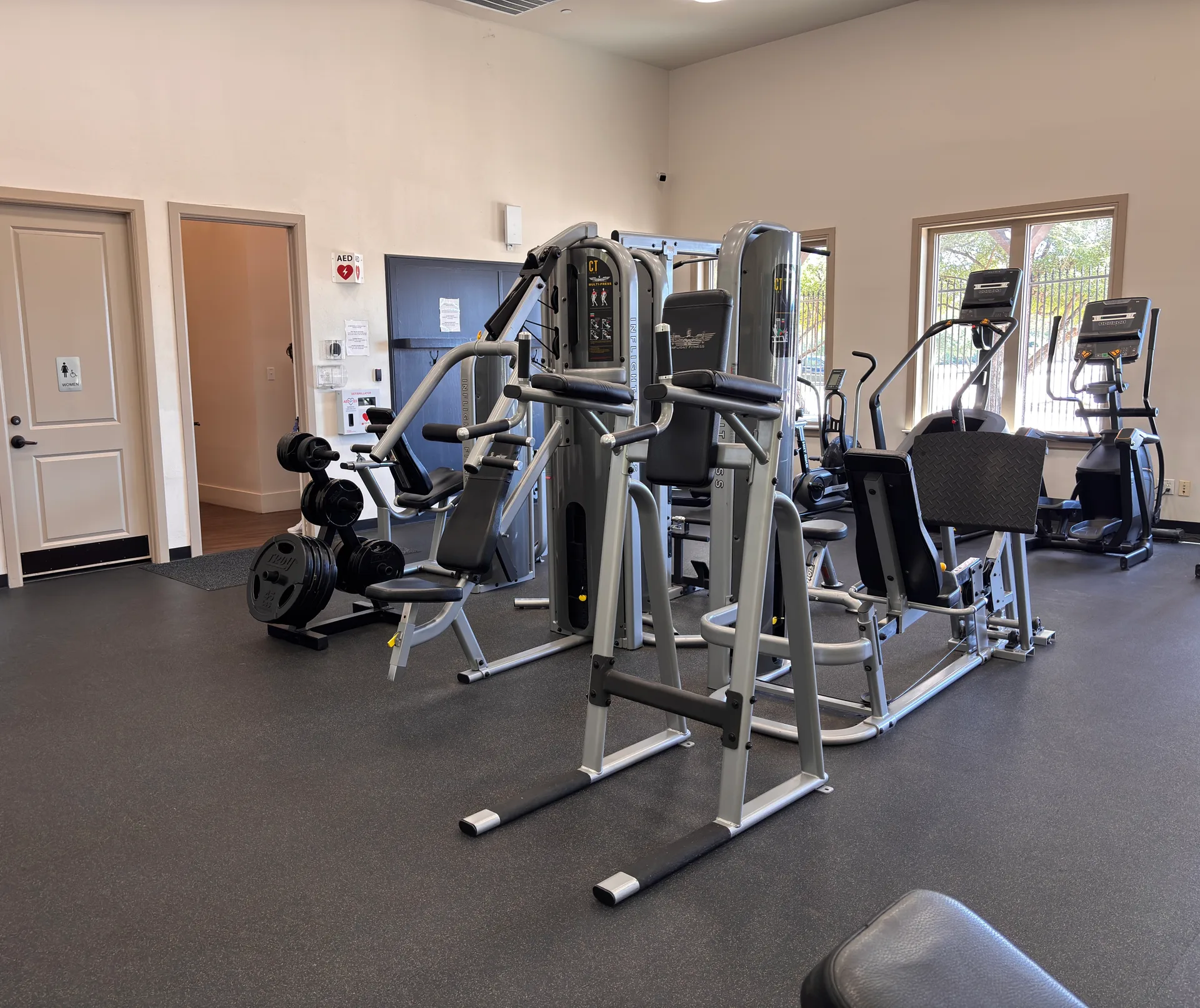
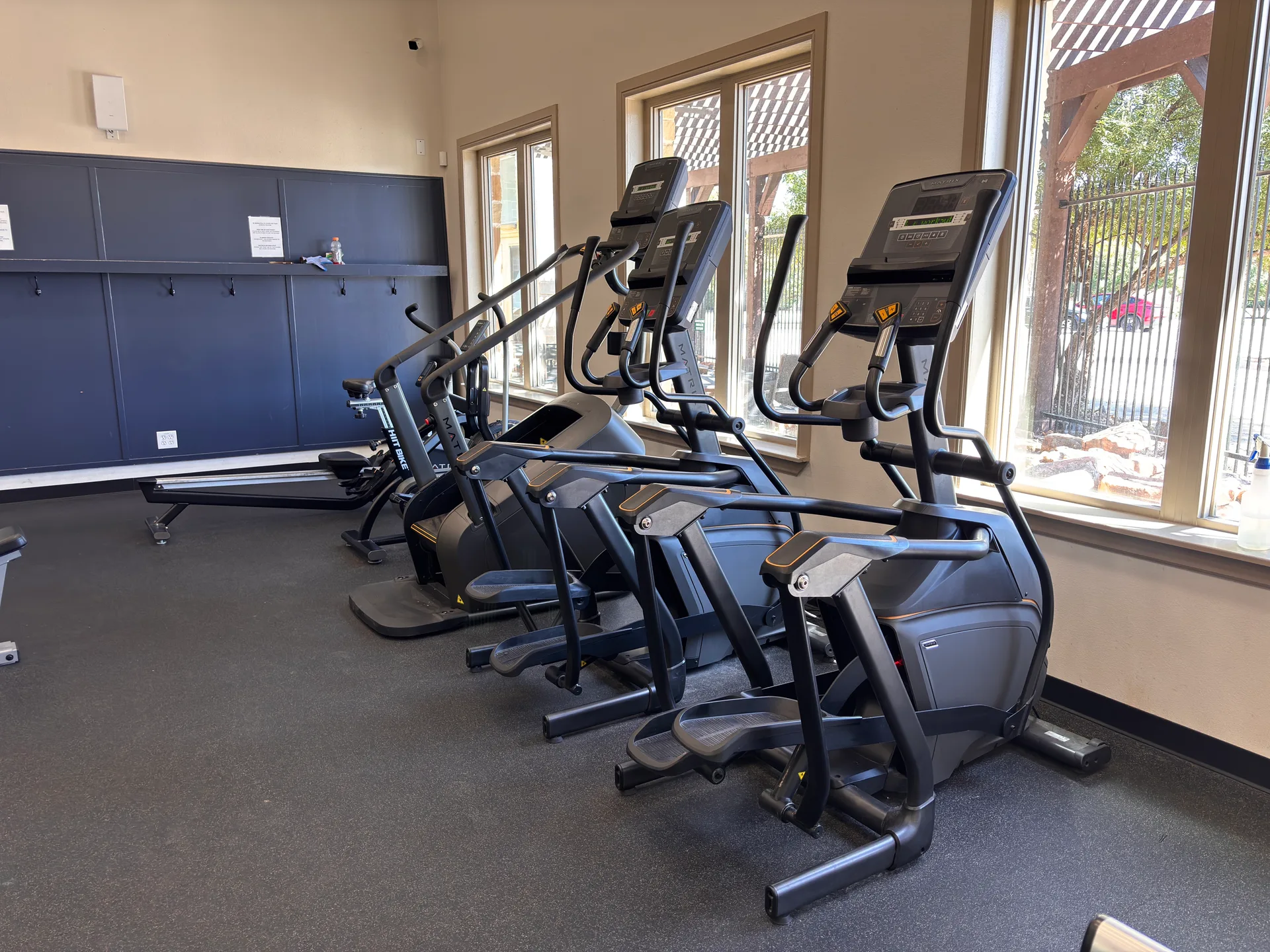
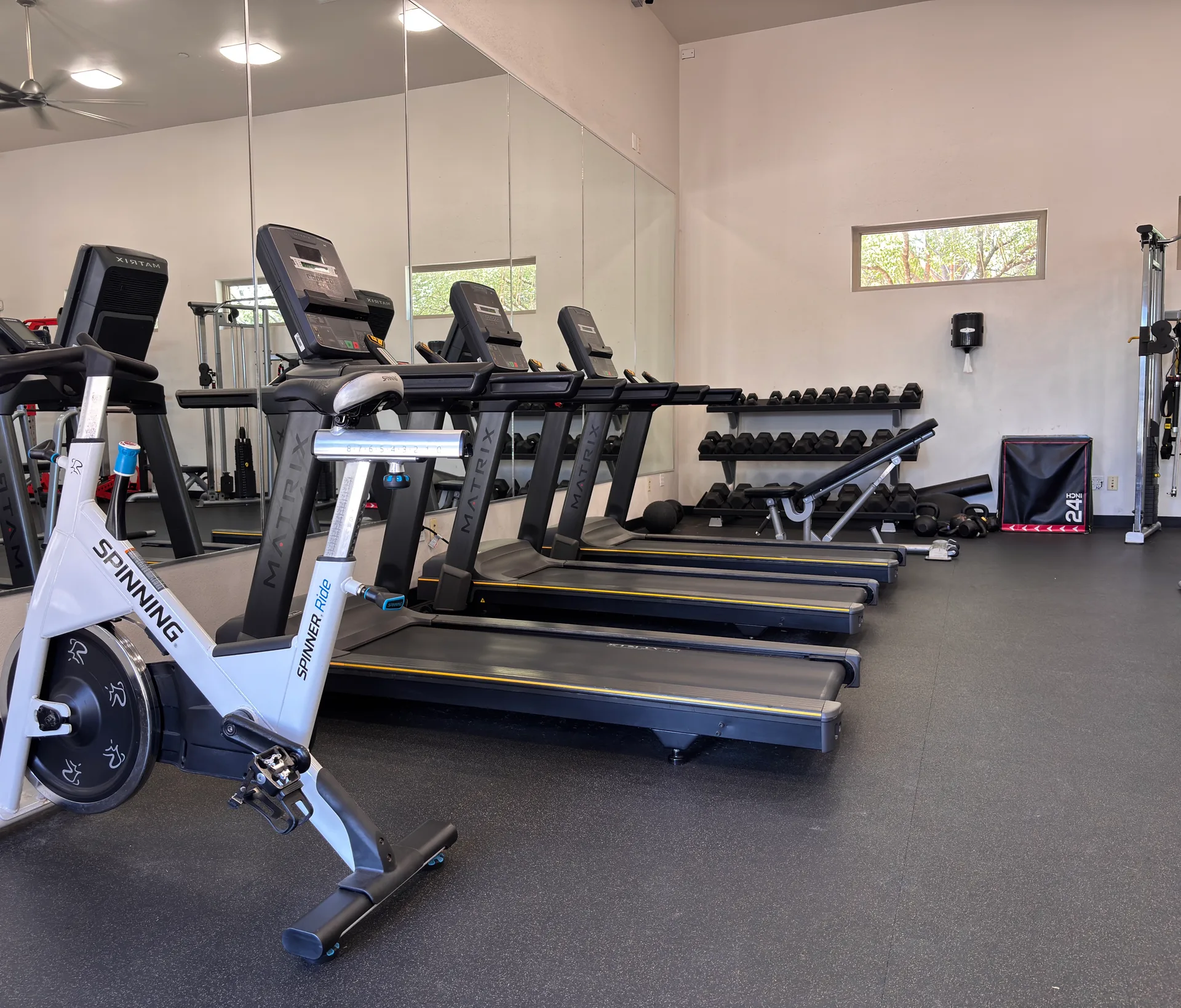
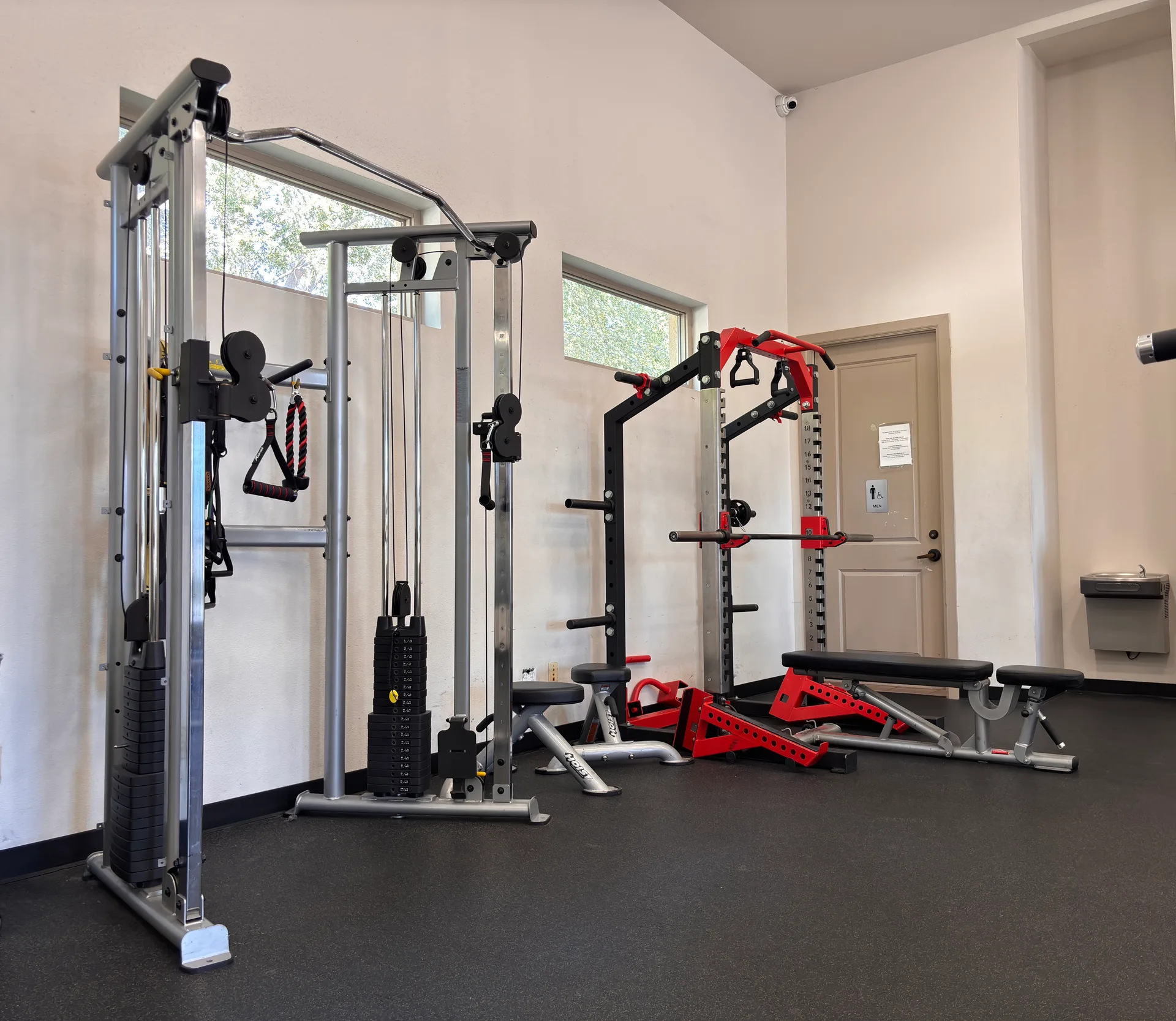
Community Fitness Rooms for HOAs and Property Managers
HOA and property-managed fitness rooms are small, unstaffed, heavily used, and owned collectively — which makes them as much a governance problem as an equipment problem. Fit Supply works with associations and management companies nationwide, with recurring work in Wylie, Forney, Cypress and Plano. The Lavon HOA fitness center case study follows one association’s project end to end, from removing the old room to the maintenance plan.
Boards buy differently from operators. Spending is approved by vote against a reserve schedule, often across a fiscal year, and it has to be defensible to residents who are paying for it. We quote in a form that supports that: itemized proposals a board can adopt, clear replace-versus-repair guidance, and phased options when reserves only cover part of the room this cycle.
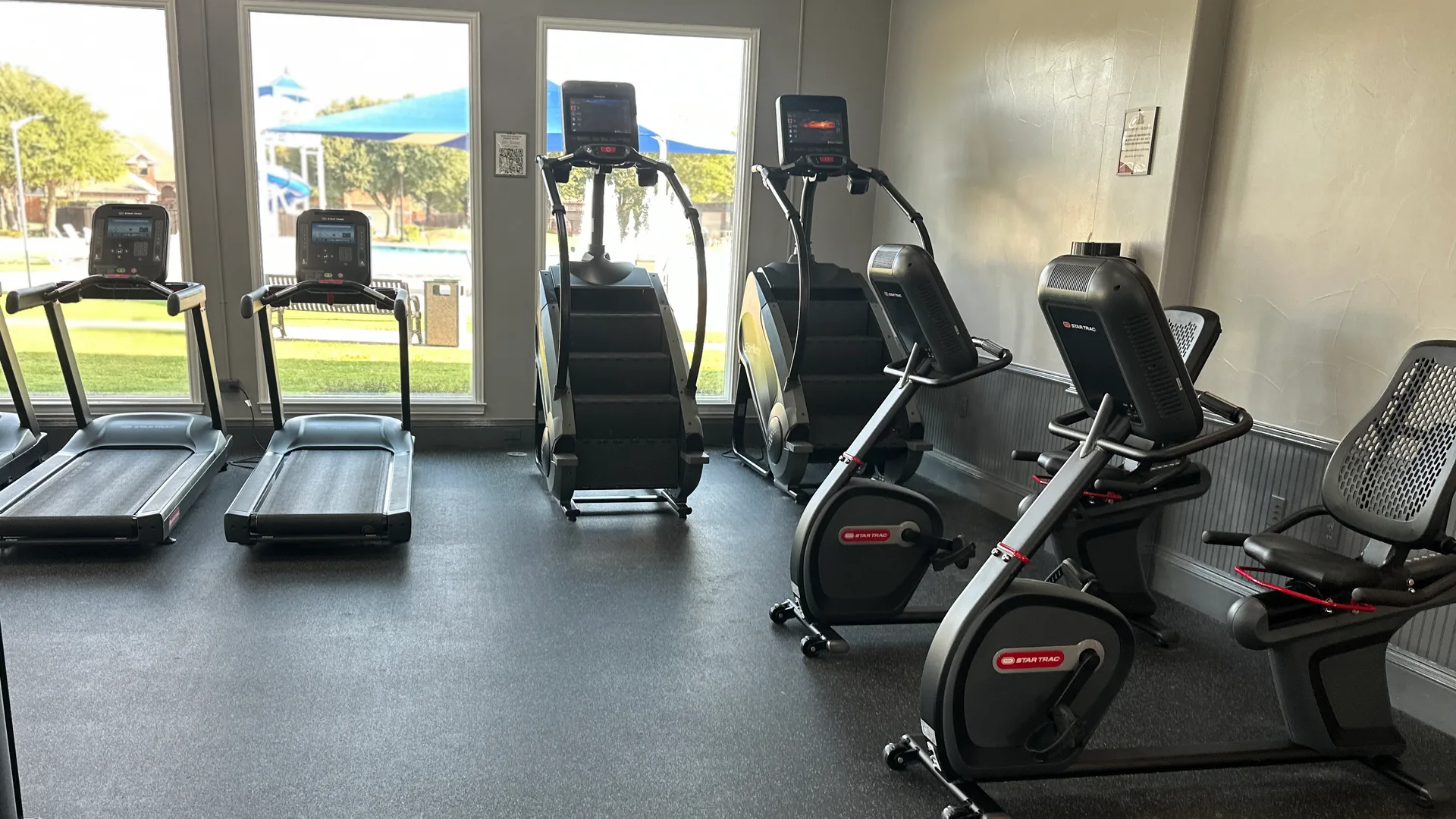
What an HOA room needs from us
The scope is the same on every project. For an association it has to be approvable by a volunteer board and safe in a room nobody staffs.
How a project runs
How a project runs, stage by stage
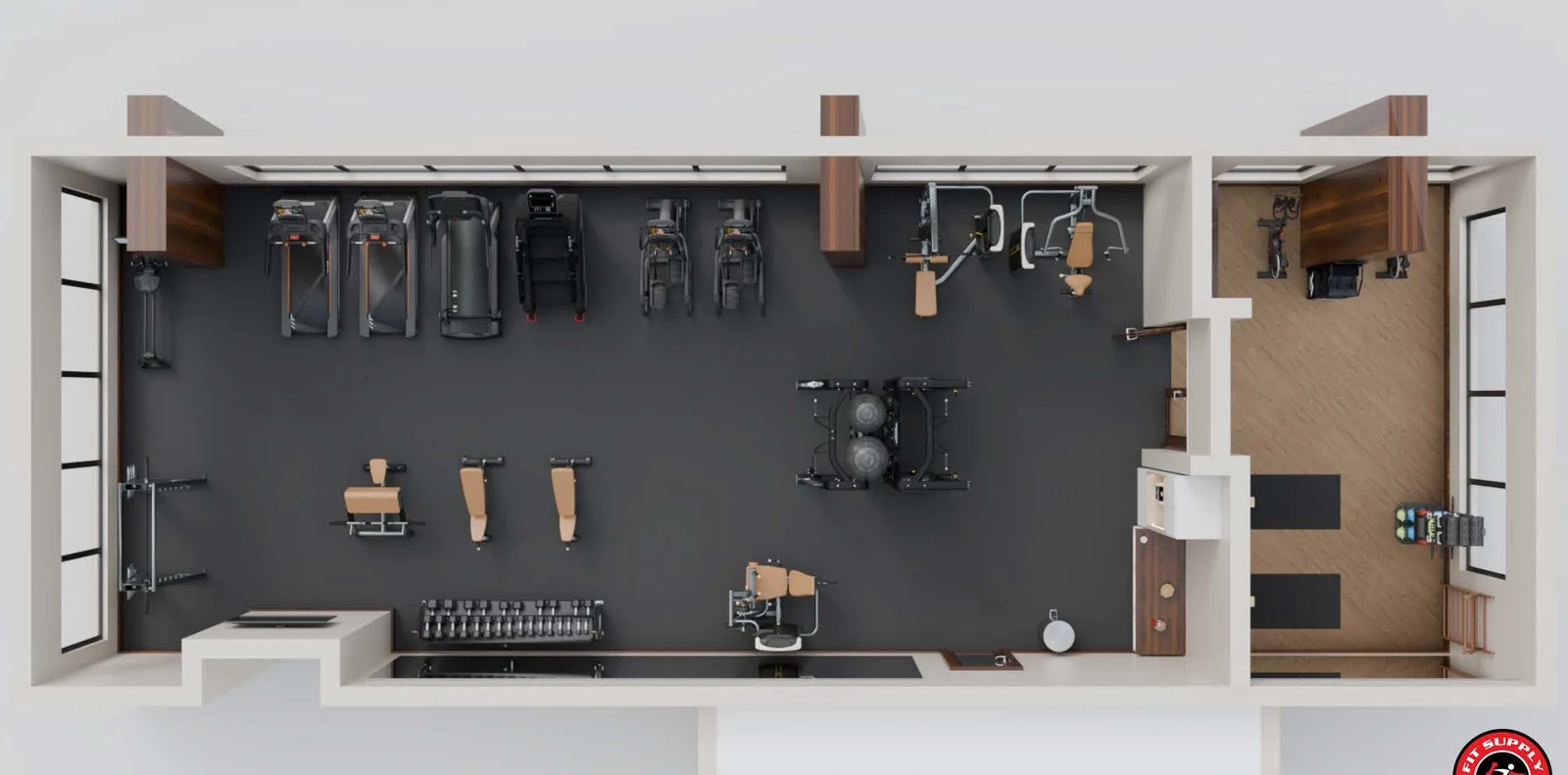
Layout and design
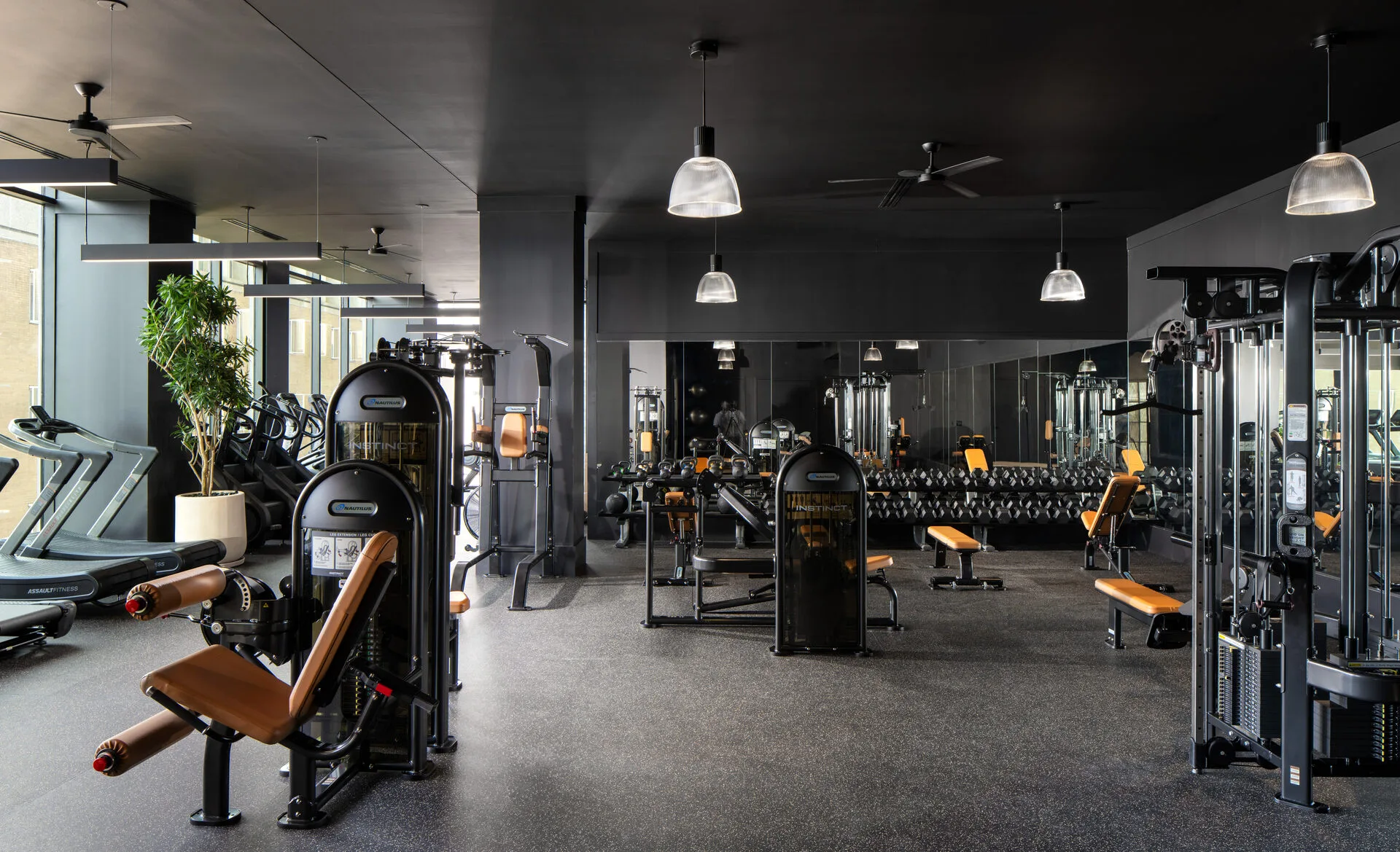
A layout for a small unstaffed room, specified toward equipment that is safe to use without instruction.
Procurement
A written scope and a number a manager can take to a board meeting, because nothing starts without an approved quote for that property.
Delivery and installation
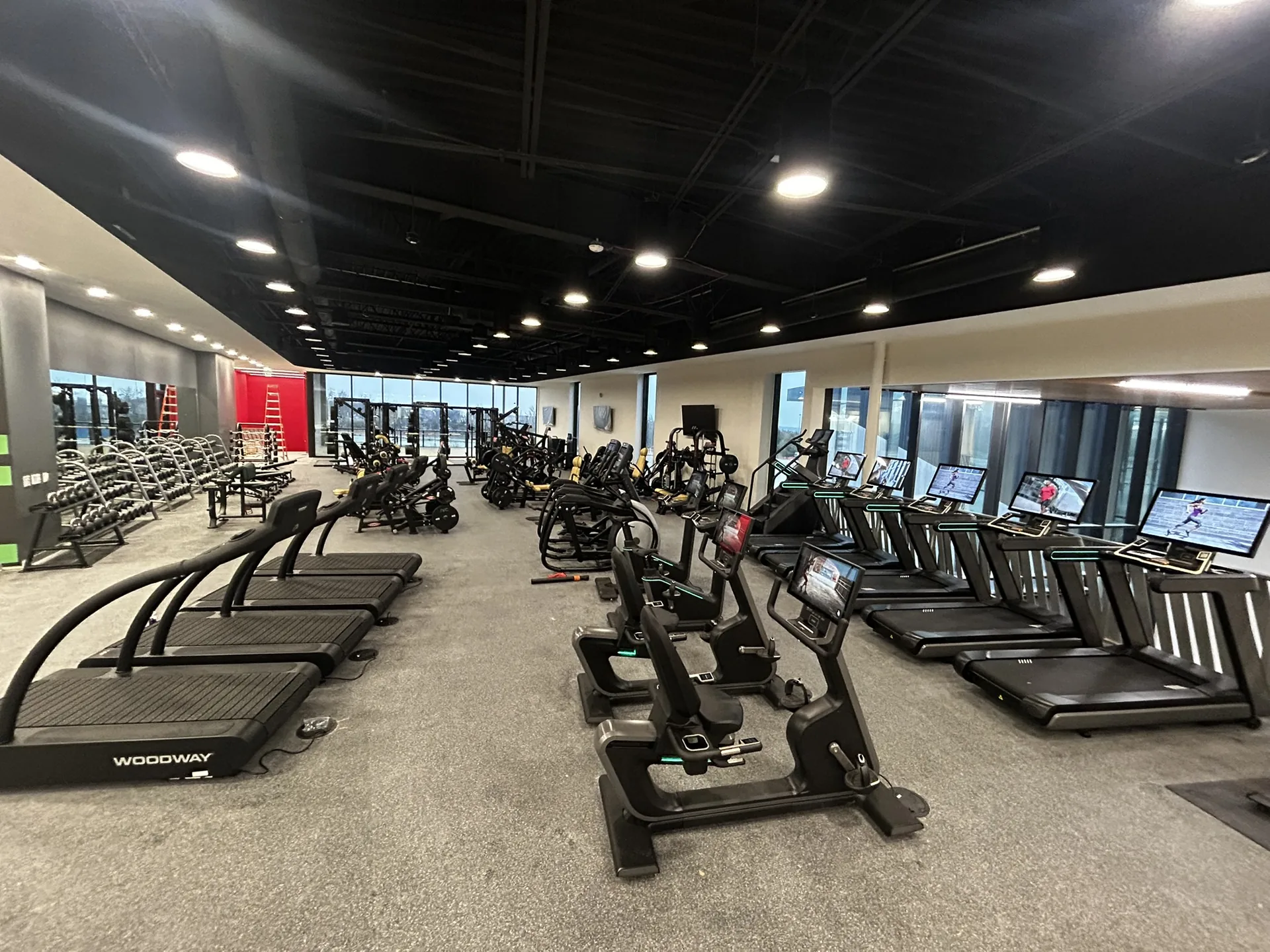
Scheduled around residents, with access, elevators and door widths confirmed before delivery is booked.
Service afterwards
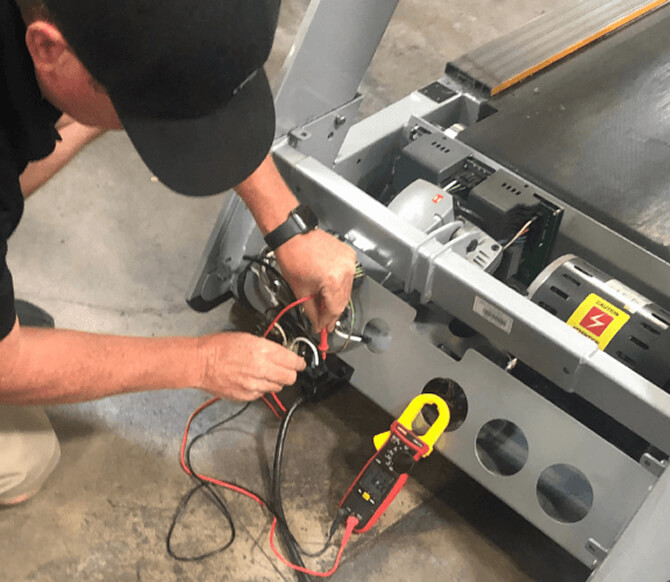
A predictable maintenance line rather than a series of surprises, which is what makes it survive an annual budget.
How HOA fitness projects run

Board approval and reserves
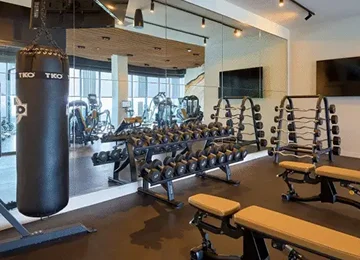
Liability drives the specification. These rooms have no attendant and no waiver at the door, so we favor selectorized strength with enclosed weight stacks, avoid heavy free-weight configurations where an association's insurer objects, and make sure emergency egress and circulation still work once equipment is placed.

Liability in an unstaffed room
Because associations turn over board members regularly, continuity is genuinely useful. We keep the equipment record for a community, so a new board can find out what is installed, how old it is, and what it will cost to refresh without starting from scratch.

Continuity across board turnover
For management companies running multiple communities, the same specification and parts pipeline can be applied across the portfolio, which keeps budgeting predictable and avoids every property negotiating separately.
In short
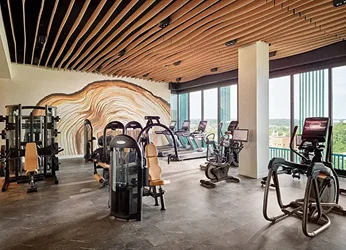
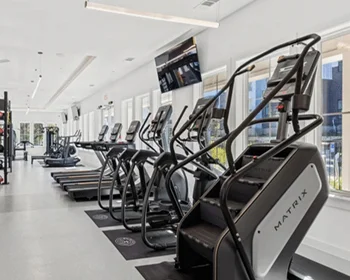
Fit Supply equips HOA and property-managed community fitness rooms nationwide, with recurring work in Wylie, Forney, Cypress and Plano. Proposals are itemized for board approval against reserve schedules and can be phased across fiscal years, and rooms are specified for unstaffed liability — enclosed weight stacks, controlled free-weight exposure and protected egress. Community rooms are planned for unstaffed use, holding the ADA clear floor space of 30 by 48 in for at least one of each type of machine.
Frequently asked questions
How do HOA boards typically fund a fitness room refresh?
From the reserve study, approved by board vote, usually against a replacement schedule that assumes a 7 to 10 year life for cardio equipment and 15 or more years for selectorized strength. Because the spend has to be defensible to residents paying for it, quotes are itemized for adoption as-is, include clear replace-versus-repair guidance, and can be phased when reserves only cover part of the room in the current cycle.
What are the liability considerations in an HOA gym?
These rooms have no attendant and no waiver at the door, so the specification is written around that. Selectorized strength with enclosed weight stacks is favored, heavy free-weight configurations are limited or avoided where the association insurer objects, and emergency egress and circulation are verified after equipment placement rather than on the drawing. Posted rules, an emergency phone and clear equipment instructions are part of the same picture and are worth raising with your carrier.
How often should HOA fitness equipment be replaced?
Plan on 7 to 10 years for cardio and 15 or more for selectorized strength, with the caveat that usage rate matters more than age. A treadmill in a 300-unit community accumulates hours far faster than one in a 60-unit building, and parts availability rather than mechanical failure is often what ends a machine's serviceable life. Preventive maintenance materially extends both.
Can one specification cover several communities?
Yes, and for management companies that is usually the point. One equipment package across a portfolio keeps budgeting predictable, makes replacement parts interchangeable between sites, and means a new board or a new manager inherits a documented standard rather than a room nobody has records for.
How long is a quote good for?
Thirty days from the proposal date, unless it is executed sooner. Prices exclude sales and use tax, freight, and similar charges, and tax is determined as of the taxable event — delivery or installation — rather than the quote date. Equipment lead times move independently of the quote validity, so a quote accepted on day 29 does not hold the manufacturer pricing or the schedule that existed on day one. If a decision is going to take longer than a month, tell us and we will re-quote rather than let it lapse.
Who warrants the equipment — you or the manufacturer?
The manufacturer. New equipment carries the manufacturer’s own limited warranty, which we pass through to you, and the manufacturer’s published warranty controls over any summary shown on a proposal. What Fit Supply warrants directly is its own installation workmanship, for one year from completion. Used equipment is warranted only to the extent of its condition tier. Extended coverage may be available for purchase on some new and used products, and applies only if it is stated on your quote or in a separate warranty document.
What if my space is not ready when the equipment arrives?
Tell us as early as you can and we will re-sequence rather than deliver into an unfinished room. Where product is held at your request more than ten days past the installation date, a storage fee applies; held beyond thirty days, a 25% restocking fee applies as well. Those are the contract terms, and they exist because held equipment occupies warehouse space and gets handled twice. A date moved a week ahead of time normally costs nothing; a truck turned away on the day does.
Do you keep title to the equipment until it is paid for?
Yes. Title remains with Fit Supply until we are paid in full, and our terms grant a purchase-money security interest under the Uniform Commercial Code in the products and their proceeds. In normal circumstances no buyer ever encounters this — it exists so that unpaid equipment does not simply become someone else’s asset, and it is a standard protection for a supplier who orders equipment against a deposit. It does not affect your use of the equipment once the invoice is settled.