Community and non-profit
YMCA and Nonprofit Gym Equipment
How a project runs
How a project runs, stage by stage
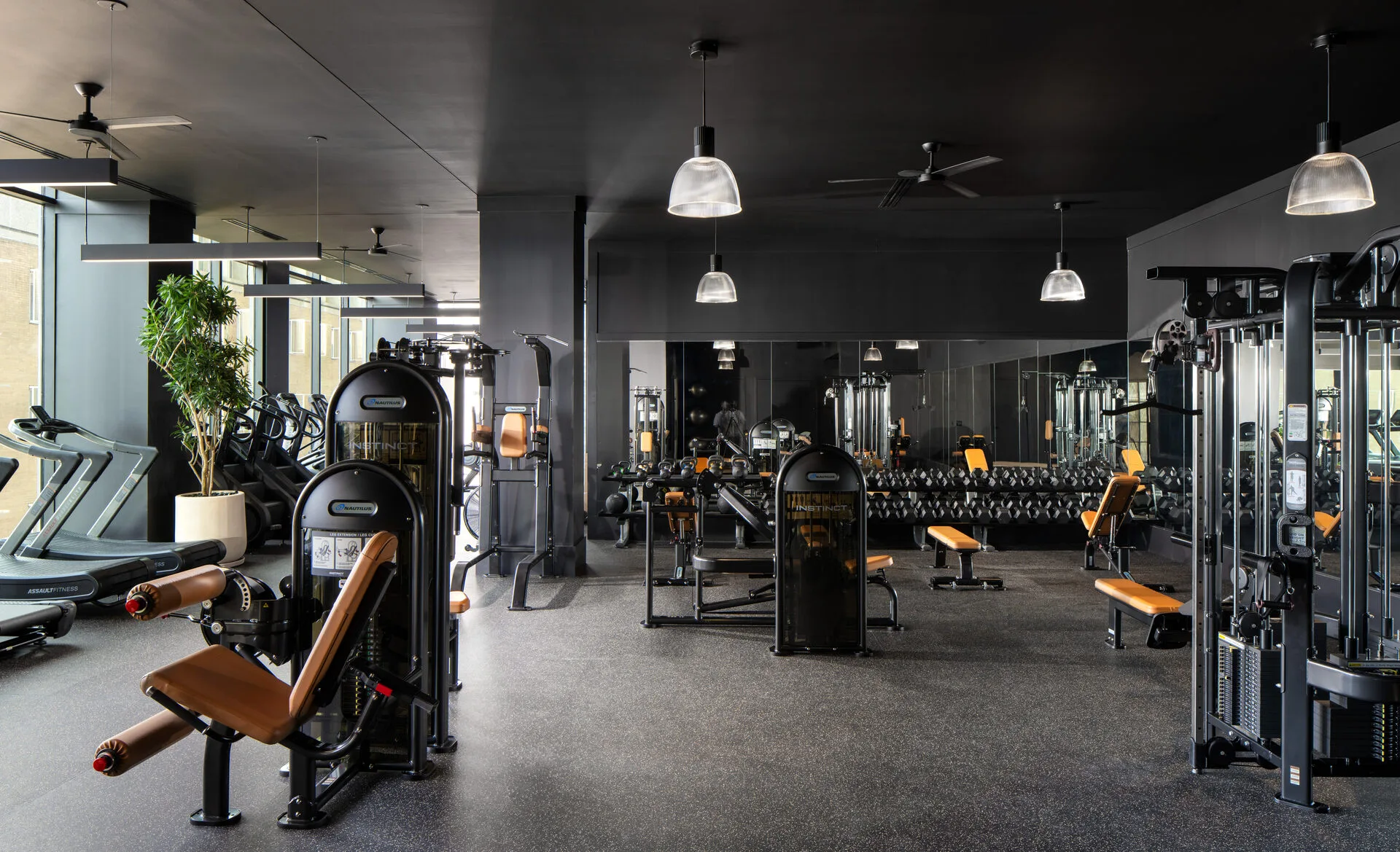
Layout and design
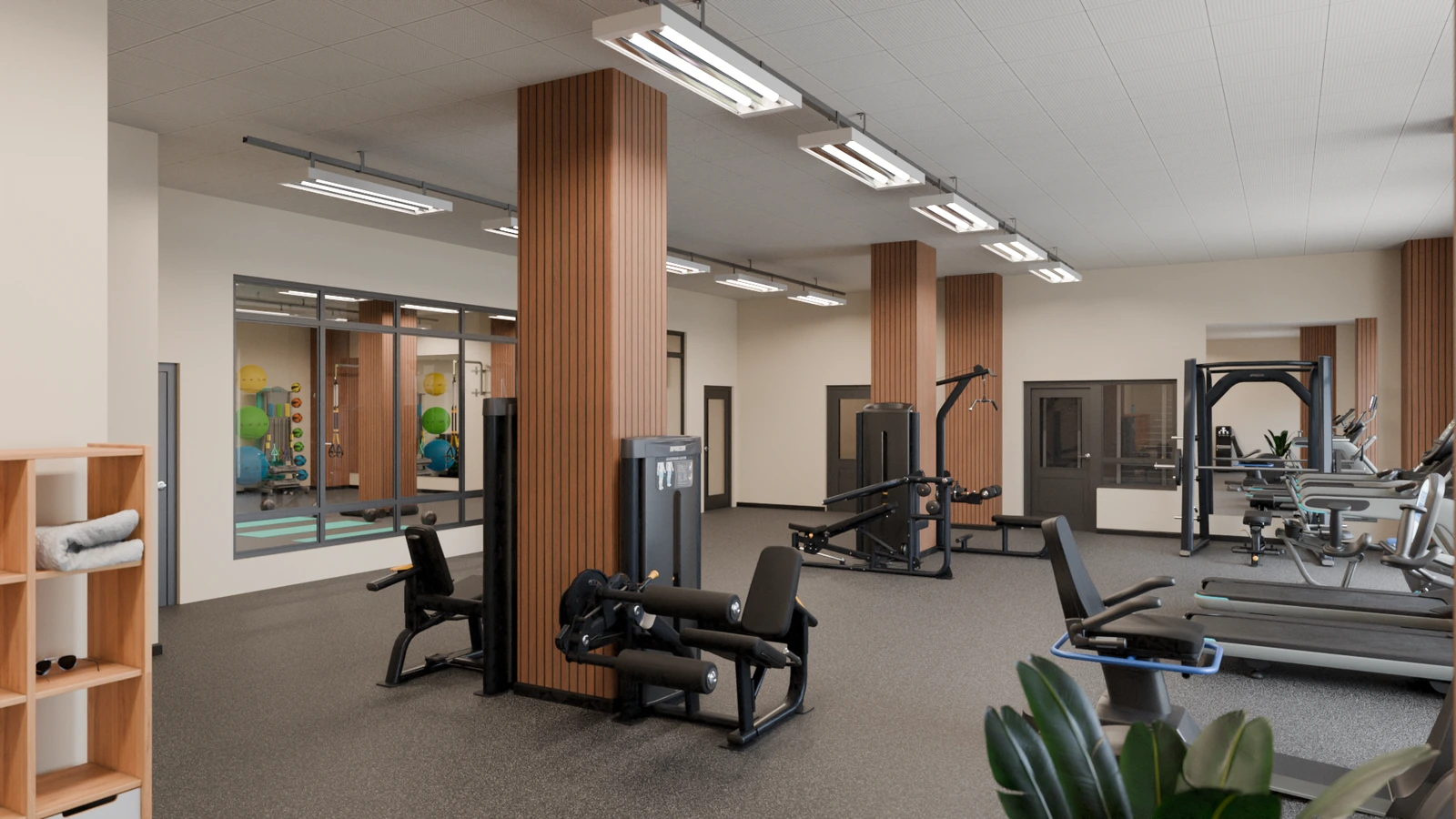
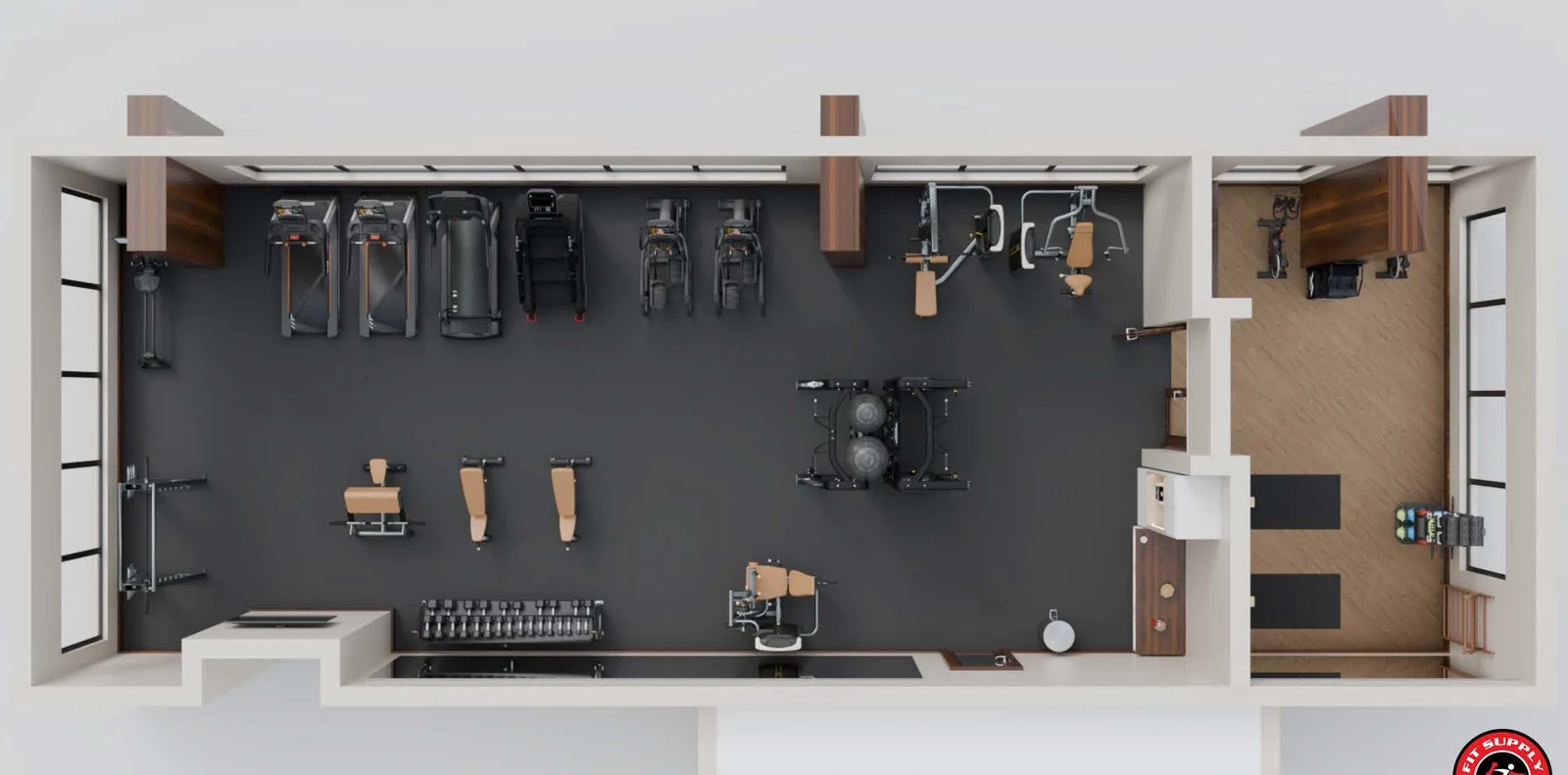
A layout that works for a first-time member and a serious lifter in the same room, with accessible stations planned in rather than added.
Procurement
Quotes formatted for a board or a grant submission, with the documentation a funding decision needs attached.
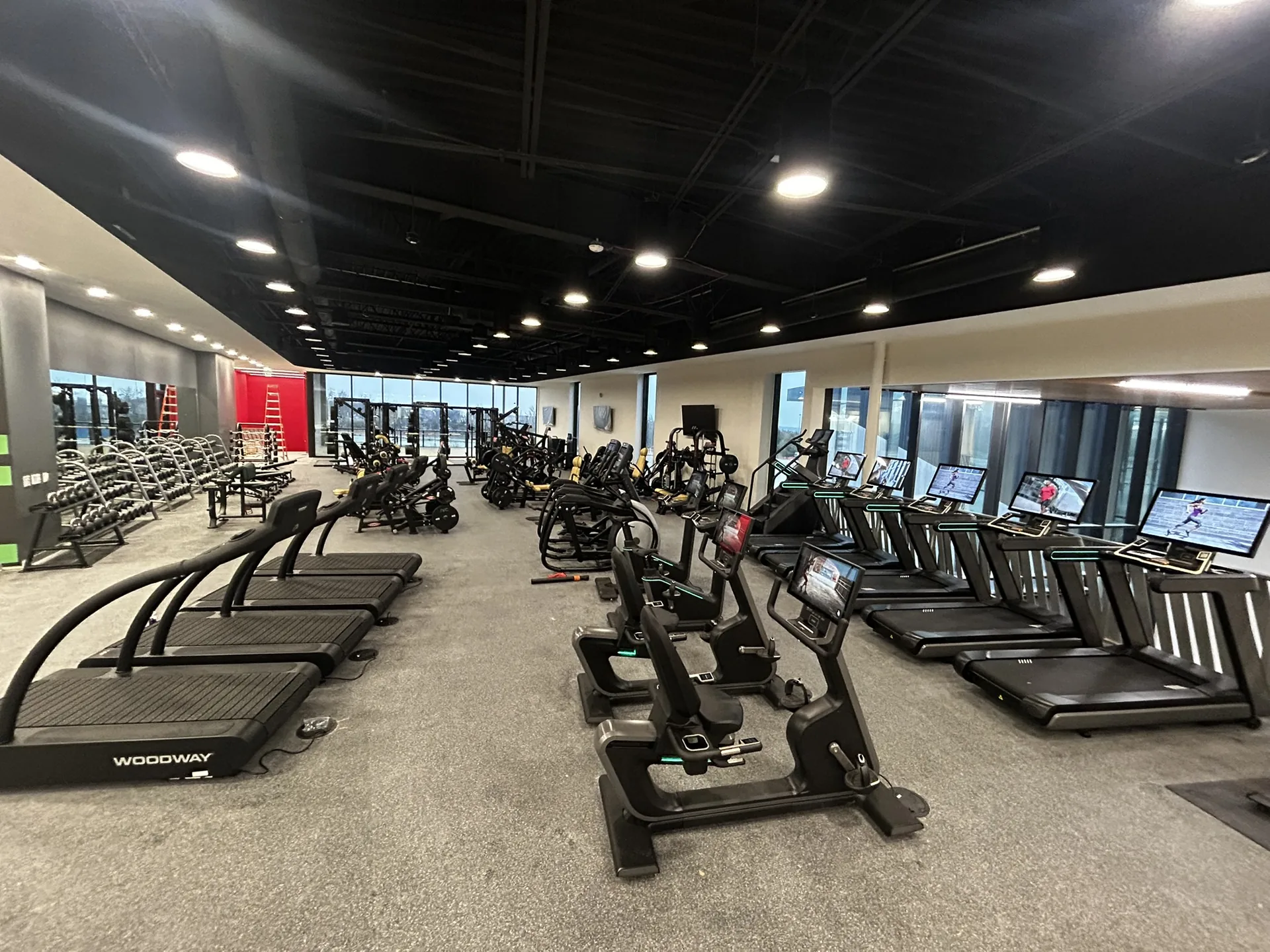
Delivery and installation
Scheduled around programming, so classes and youth hours are not displaced by an install.
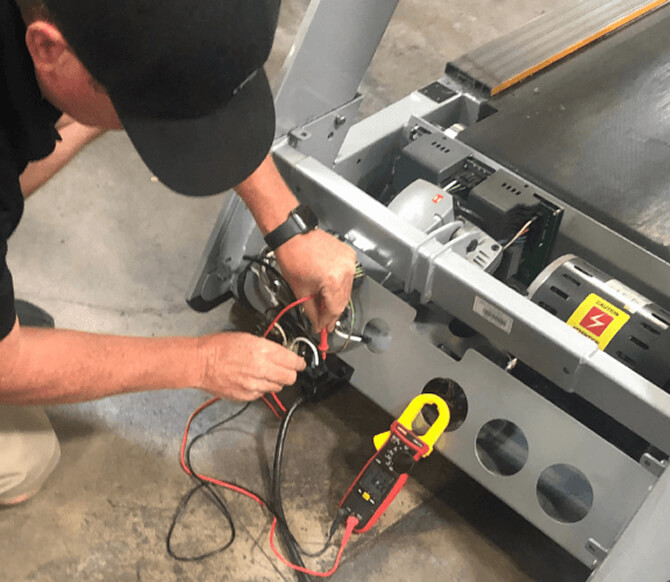
Service afterwards
Preventive maintenance costed as a predictable annual line, which is far easier to approve than a run of unbudgeted repairs.
Fitness Equipment for YMCAs, Churches and Community Organizations
YMCAs and community non-profits are among Fit Supply's longest-standing customers in Texas, with recurring work across the Fort Worth association and branches in Granbury, Keller, Bedford and Joshua.
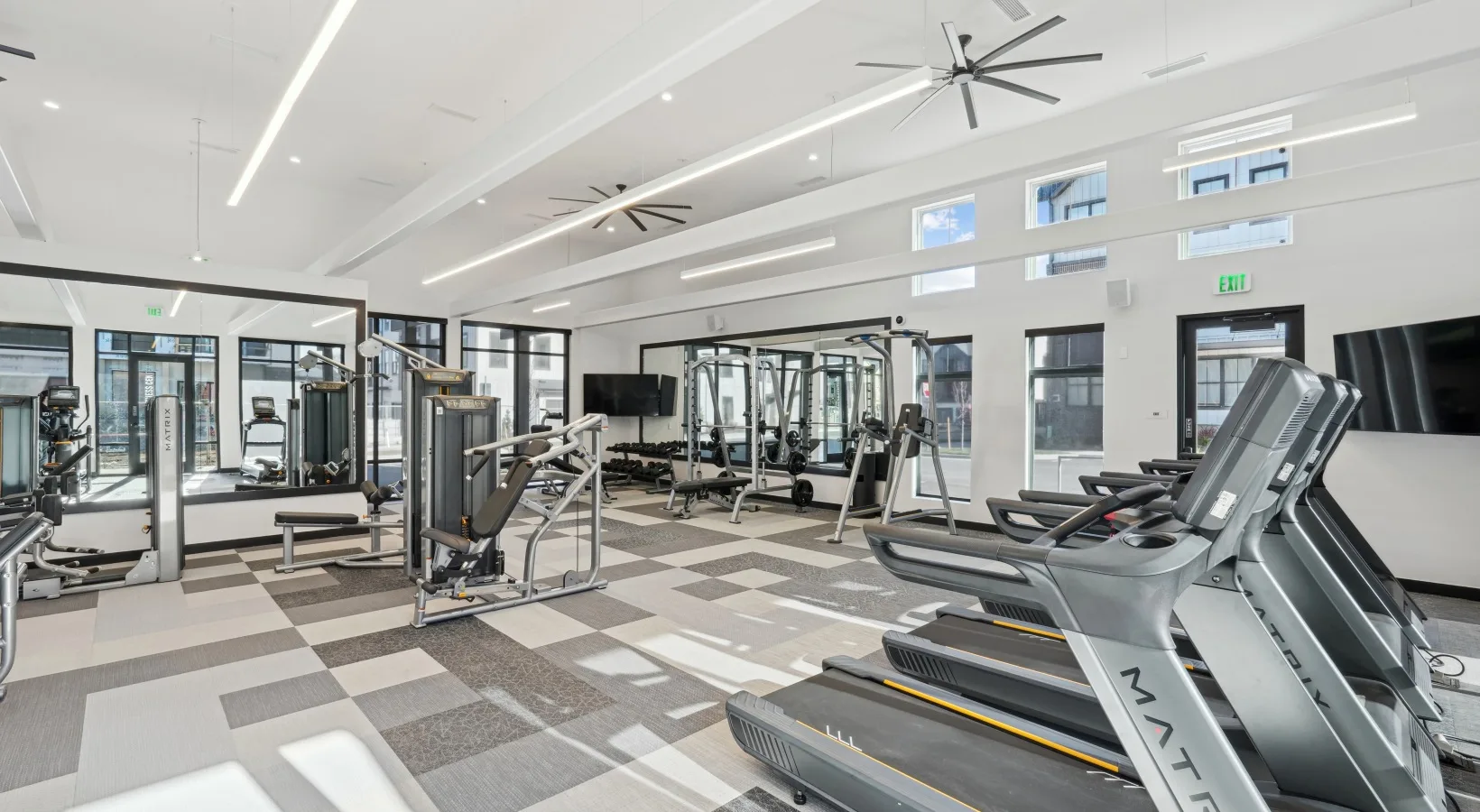
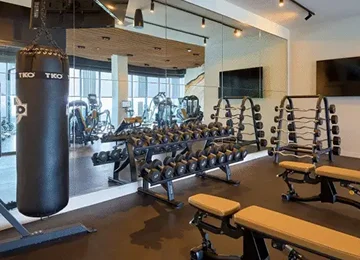
These facilities serve the widest user range of any category we handle — youth programs, adult fitness, senior and active-aging classes, and rehabilitation, frequently in the same room on the same day. Equipment has to be approachable for a first-time user and still credible for a member who trains seriously.
What a community facility needs from us
The scope is the same on every project. In a non-profit facility it has to answer to a board, a grant cycle and a membership with a very wide range of ability.
Working with non-profit facilities

Serving every age in one room
Non-profit procurement also runs differently. Capital comes from grants, campaigns and board-approved budgets on fixed timelines, and it usually has to be justified line by line. We quote to that reality: itemized proposals that survive a board review, phased packages when a campaign funds in stages, and honest guidance on where pre-owned equipment frees money for the rest of the floor.

Quoting for boards and grants
Accessibility matters more here than anywhere else. Step-through frames, recumbent and semi-recumbent cardio, low-start-weight strength stations and clear transfer space are specified as standard rather than as an upgrade, because a Y floor has to work for a member in their eighties and a teenager in the same hour.

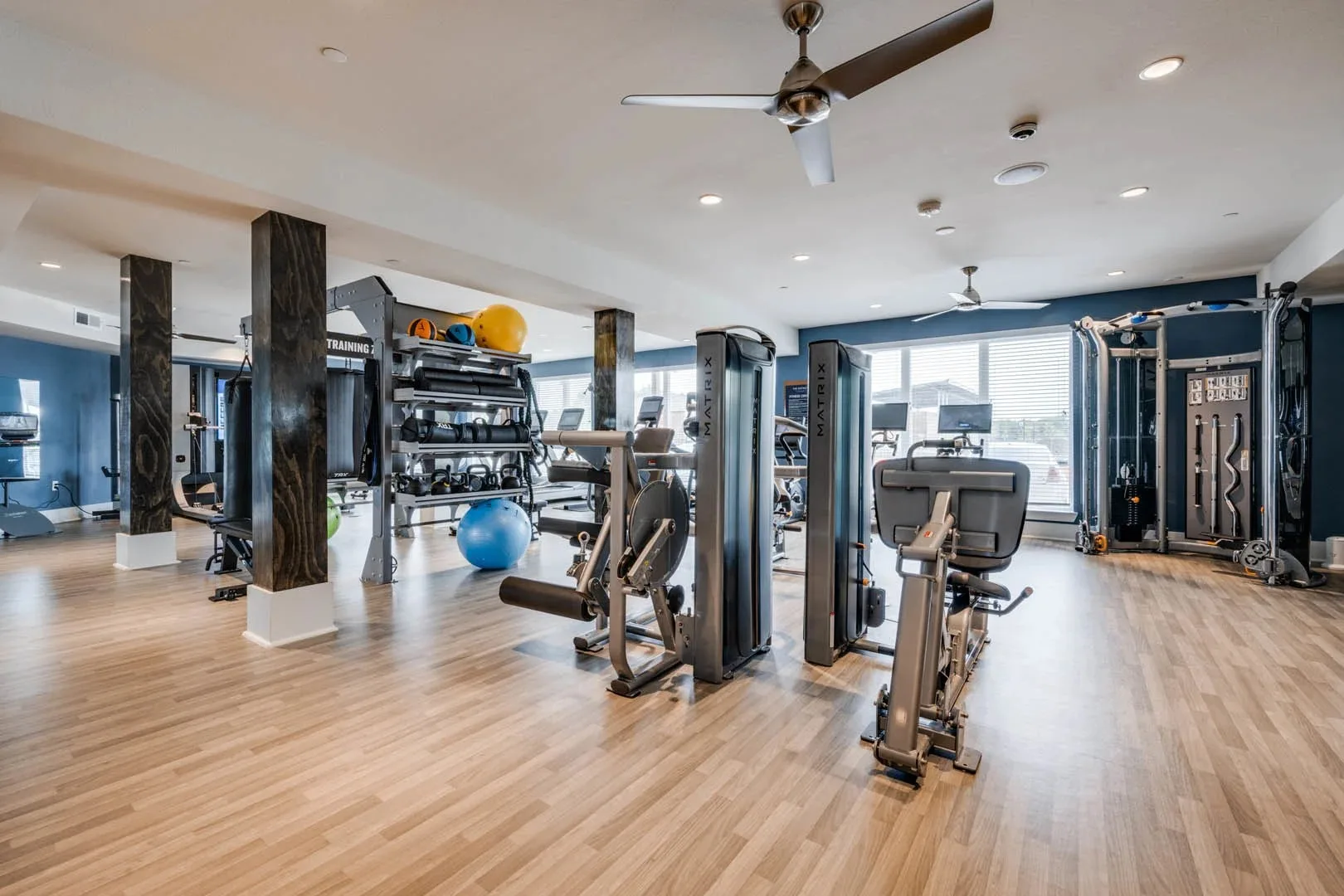
Accessibility as standard
We supply Matrix, Star Trac, Nautilus, SciFit, NuStep, Octane Fitness and FreeMotion into these facilities — matched to the budget and the mix of members rather than to a house preference — then handle the installation, the flooring and the maintenance plan afterward. Life Fitness, Precor and Cybex are not lines we carry new; where a specification calls for them we supply them pre-owned, and we say which is which on the quote.
In short
Fit Supply equips YMCAs, churches and community non-profits nationwide, with long-running work across the Fort Worth association and branches in Granbury, Keller, Bedford and Joshua. Proposals are itemized for board and grant review and can be phased to a campaign, and floors are specified for accessibility because youth, adult and active-aging programs share the same room. Branch floors hold the ADA clear floor space of 30 by 48 in for at least one of each type of machine, on an accessible route.
Frequently asked questions
How do you quote a fitness project for a non-profit board?
Itemized, line by line, so it survives a board review and a grant application without rework. Capital in a non-profit comes from campaigns, grants and board-approved budgets on fixed timelines, so quotes are structured to be adopted as-is, phased across a campaign that funds in stages, and re-costed if a grant lands in a later fiscal year. We will also state plainly where reconditioned equipment frees money for the rest of the floor.
What equipment suits a YMCA serving all ages?
Accessibility is specified as standard rather than as an upgrade, because a Y floor serves an eight-year-old in a youth program and a member in their eighties in the same hour. That means step-through and recumbent cardio, low starting weights with fine increments, high-contrast consoles with large type, stable handrails, and clear transfer space beside stations. Equipment such as NuStep and SciFit recumbent steppers carries a disproportionate share of use in these facilities.
Can equipment be delivered around program schedules?
Yes. Community facilities run continuous programming, so installations are scheduled around class timetables, camps and pool schedules rather than the other way round. Where a full shutdown is not possible, a floor can be replaced in stages so part of the room stays in service throughout.
Do you handle removal of the old equipment?
Yes — appraisal, buyback where there is residual value, and removal otherwise. For a non-profit that matters twice over: it avoids a disposal cost that no grant covers, and any buyback value goes straight back into the equipment budget rather than being written off.
What do I need to have ready before installation day?
A confirmed date, access, and a room that is actually finished. You are responsible for site readiness: adequate space, the flooring down, structural capacity for the equipment, and electrical service matching the proposal — as an example, 110V treadmills each need a dedicated 100–125VAC, 50/60Hz, 20A circuit on a NEMA 5-20R outlet, independently isolated. Electrical is the item most often discovered late and the most expensive to fix after the walls are closed, so it is worth confirming with your electrician against our equipment list well before the delivery date.
How do I know a payment or wire instruction from you is genuine?
Verify it by phone before sending anything, and use a number you already have. Fit Supply does not change its payment or wire instructions by email alone. If you receive any payment, wire or account instruction that appears to come from us — or any change to one — call a Fit Supply number taken from a prior invoice or our official records, never a number contained in the email itself. Email is an insecure channel, invoice-redirection fraud is common in this industry, and payment sent to the wrong account does not discharge what is owed.
What equipment brands do you carry?
Fit Supply carries a broad range of commercial equipment brands rather than any one house line. The mix on a project is matched to what that facility actually needs — budget, feature set and space — with particularly wide options in specialty categories like recovery. No manufacturer is favored over another; the room decides.
What ADA clearances apply to a fitness room?
Under the 2010 ADA Standards, at least one of each type of exercise machine needs a 30-by-48-inch clear floor space connected to an accessible route — 36 by 48 inches where the space is enclosed on three sides. Accessible routes run 36 inches wide minimum, and a circular turning space is 60 inches. The clear floor space is allowed to overlap the accessible route and sit in the aisle behind a machine, which is often what makes a tight room work without losing stations.