

Our Work
Washington Fitness Centers
- 2007designing and equipping fitness facilities since
- 30,000+commercial orders delivered
- 500+cities served
- 50+manufacturer partners
Installed in Washington
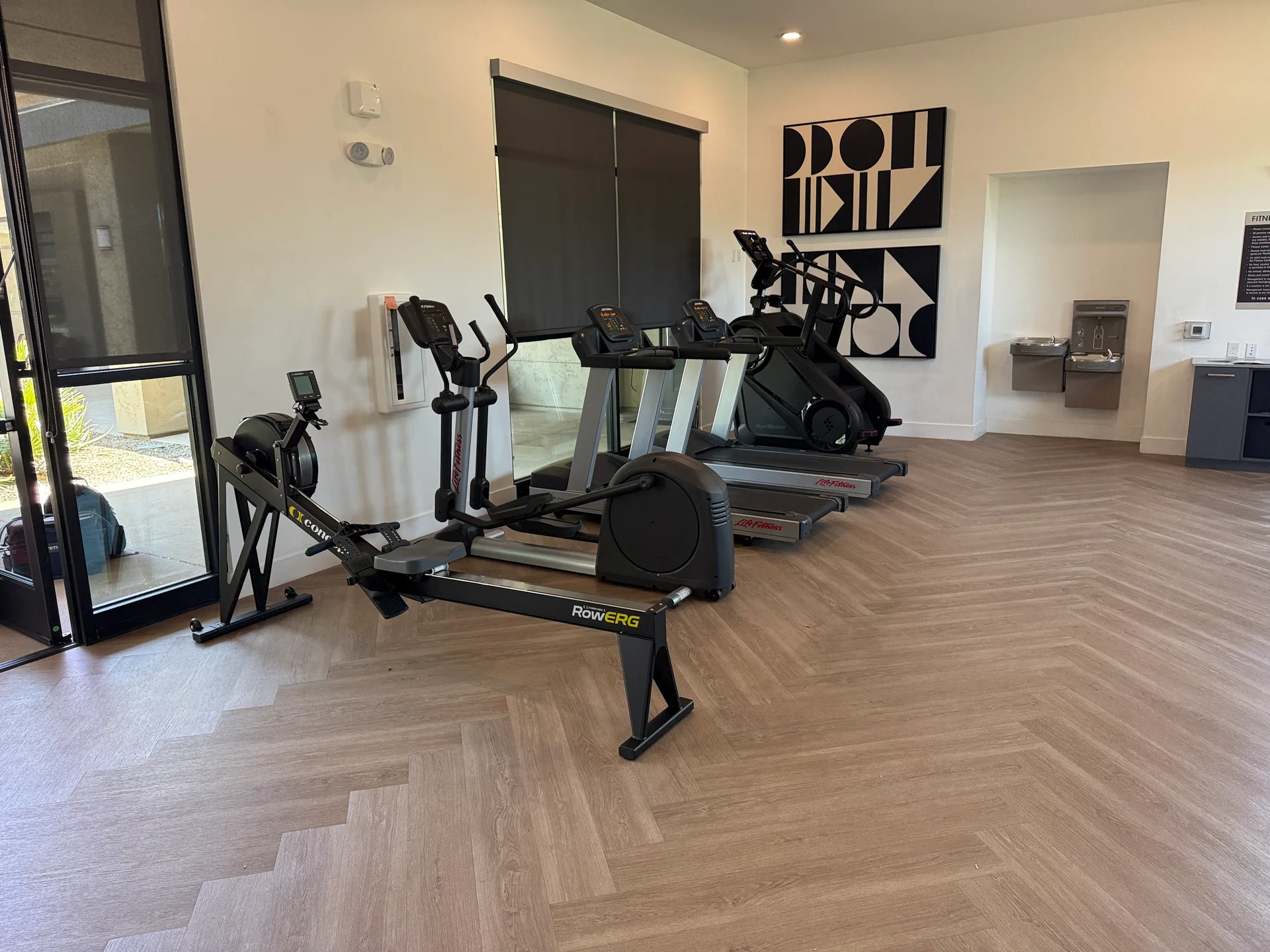
Commercial Fitness Facilities We Have Equipped in Washington
Projects here run the same way they do anywhere: the room is measured and drawn to scale first, the equipment list follows from the layout, and delivery and installation are managed rather than left as a freight drop-off. Coverage is confirmed per project, since some equipment lines carry territory arrangements.
On the Install
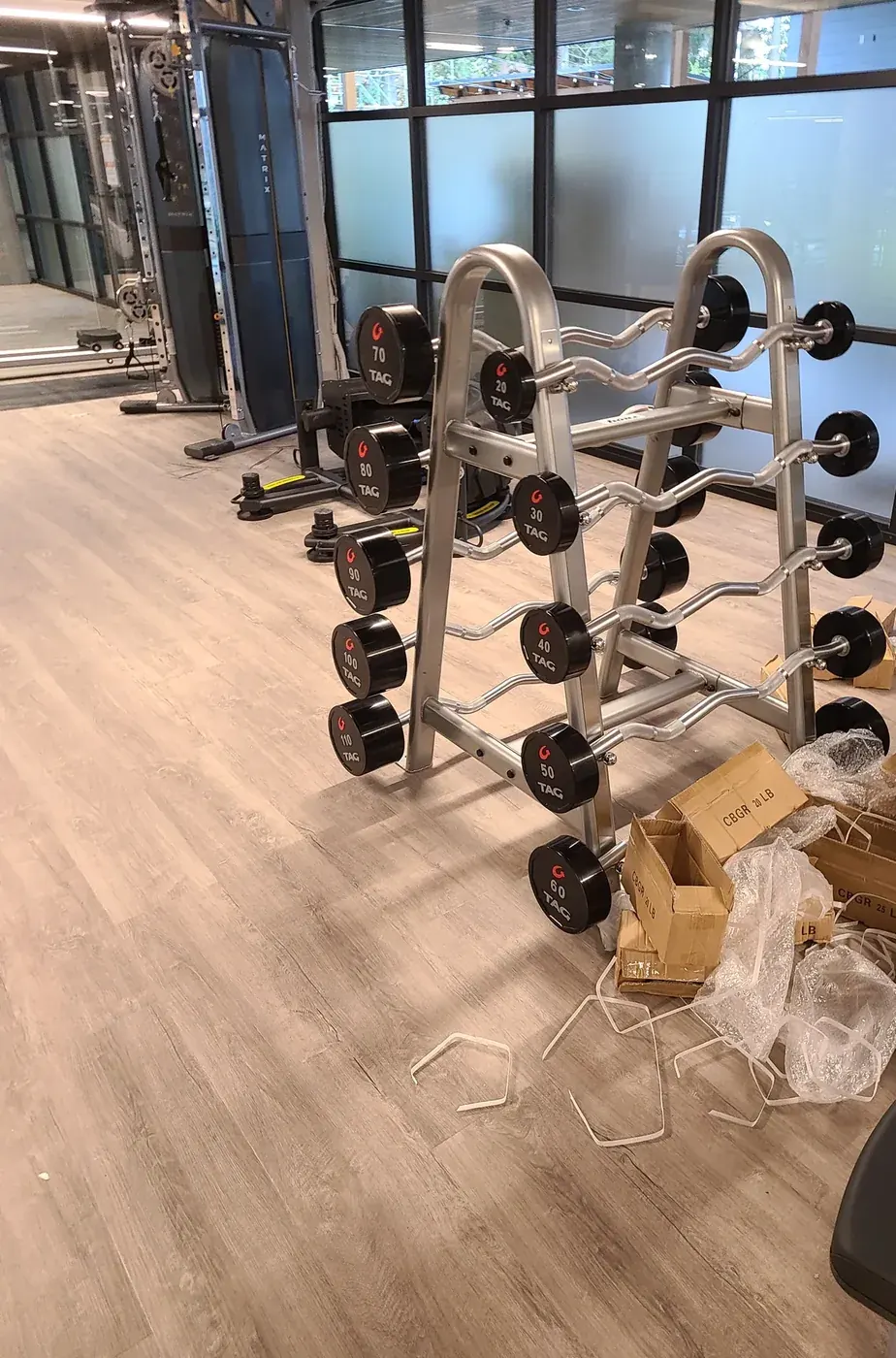
Markets we have equipped in Washington
Seattle, Kent, Federal Way, Bremerton, Bonney Lake and Redmond. Facilities in the communities around them are served from the same projects, so it is worth asking even if your market is not named here.
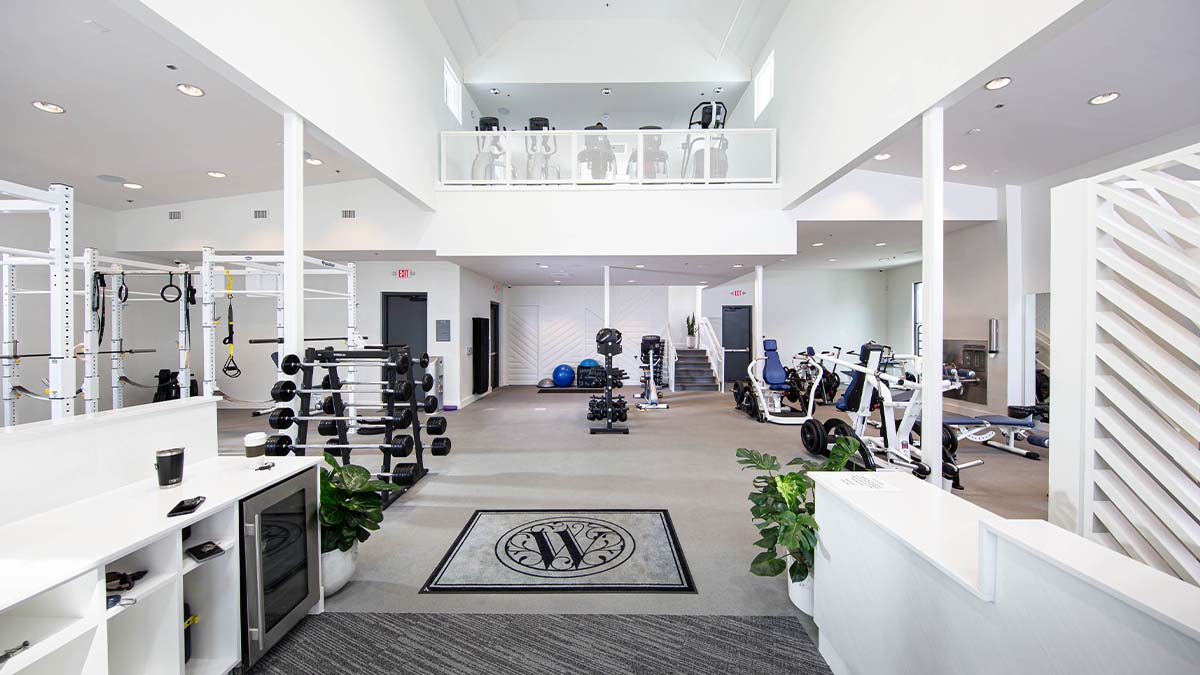
How a project runs, from drawing to installed room
-
The room is drawn before it is quoted
A layout to scale comes first, with ADA clearances, floor loading and power planned into it. Most of the work here is in apartment and condominium communities, senior living communities, and the equipment list follows from the room rather than the other way round.
-
One order, several manufacturers
Cardio, strength, flooring and accessories rarely come from one brand. We consolidate them into a single order and a single delivery date, so the room lands together.
-
Managed installation, wherever it is
Equipment is assembled, placed to the approved layout and function-tested on site by crews we manage or installers we work with — never a bare freight drop-off.
One scope, one team
Design, equipment and installation as one scope
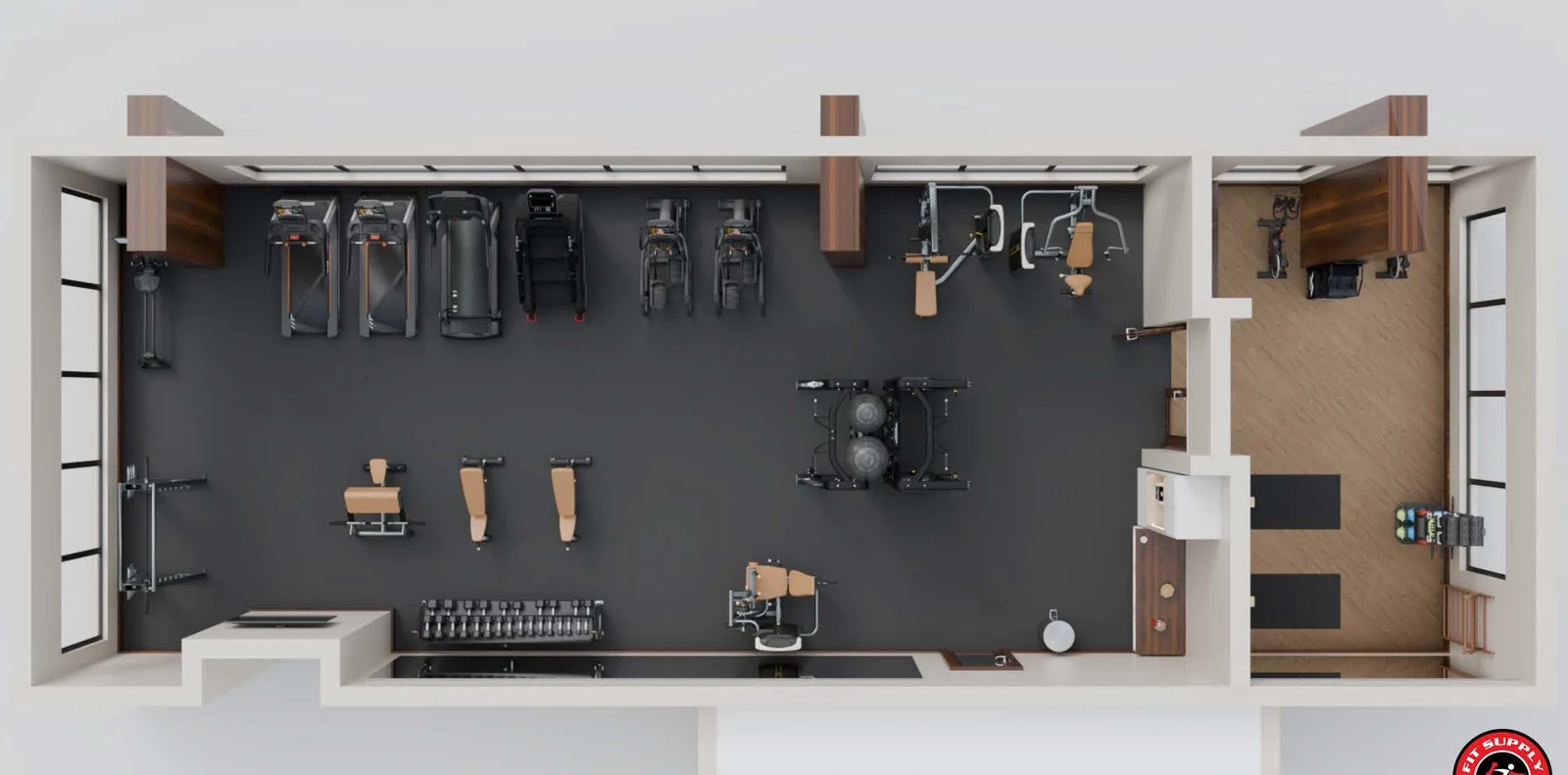
Design and layout
A layout drawn to scale before an equipment list exists, with ADA clearances, floor loading and power planned into it.
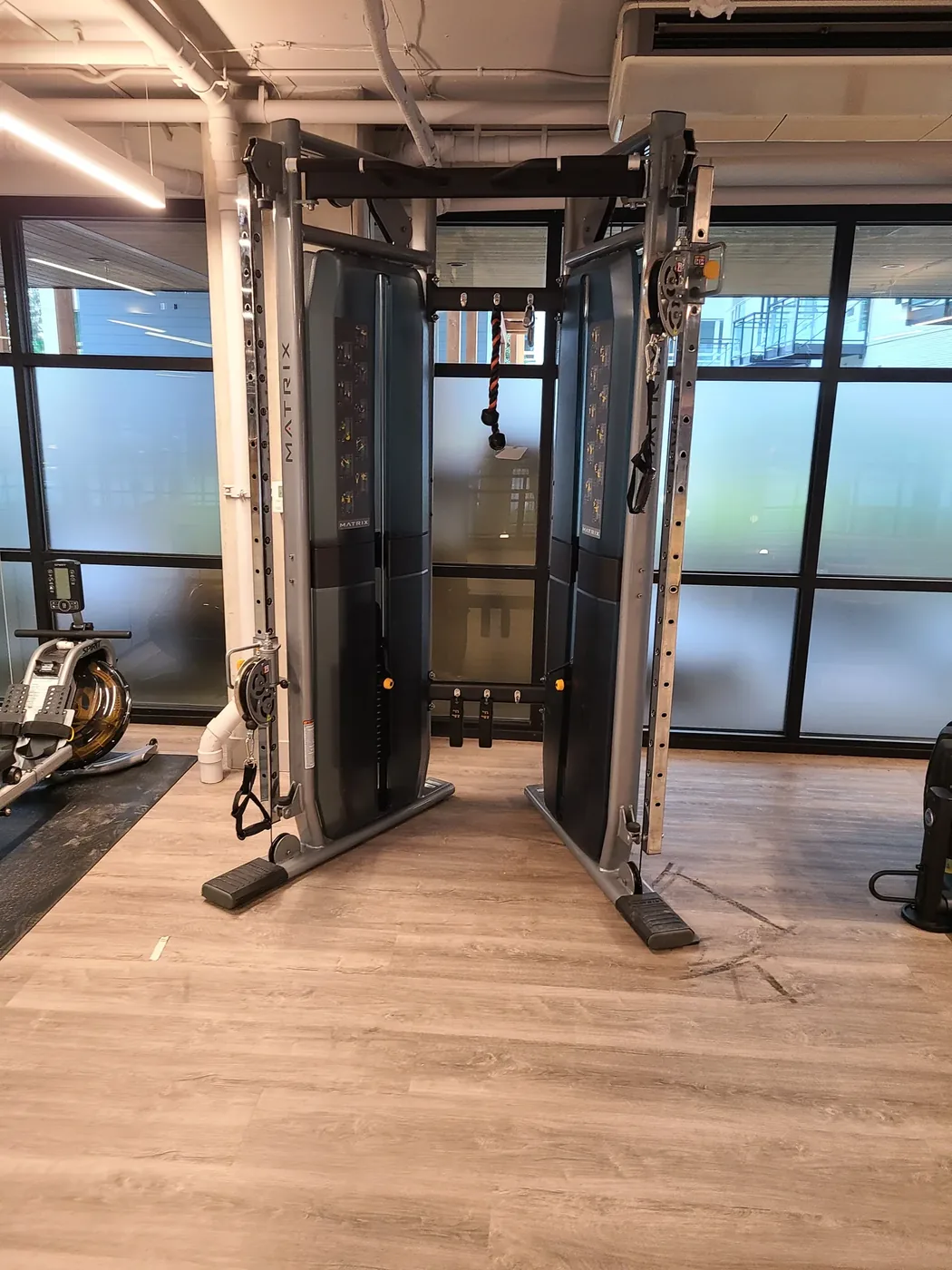
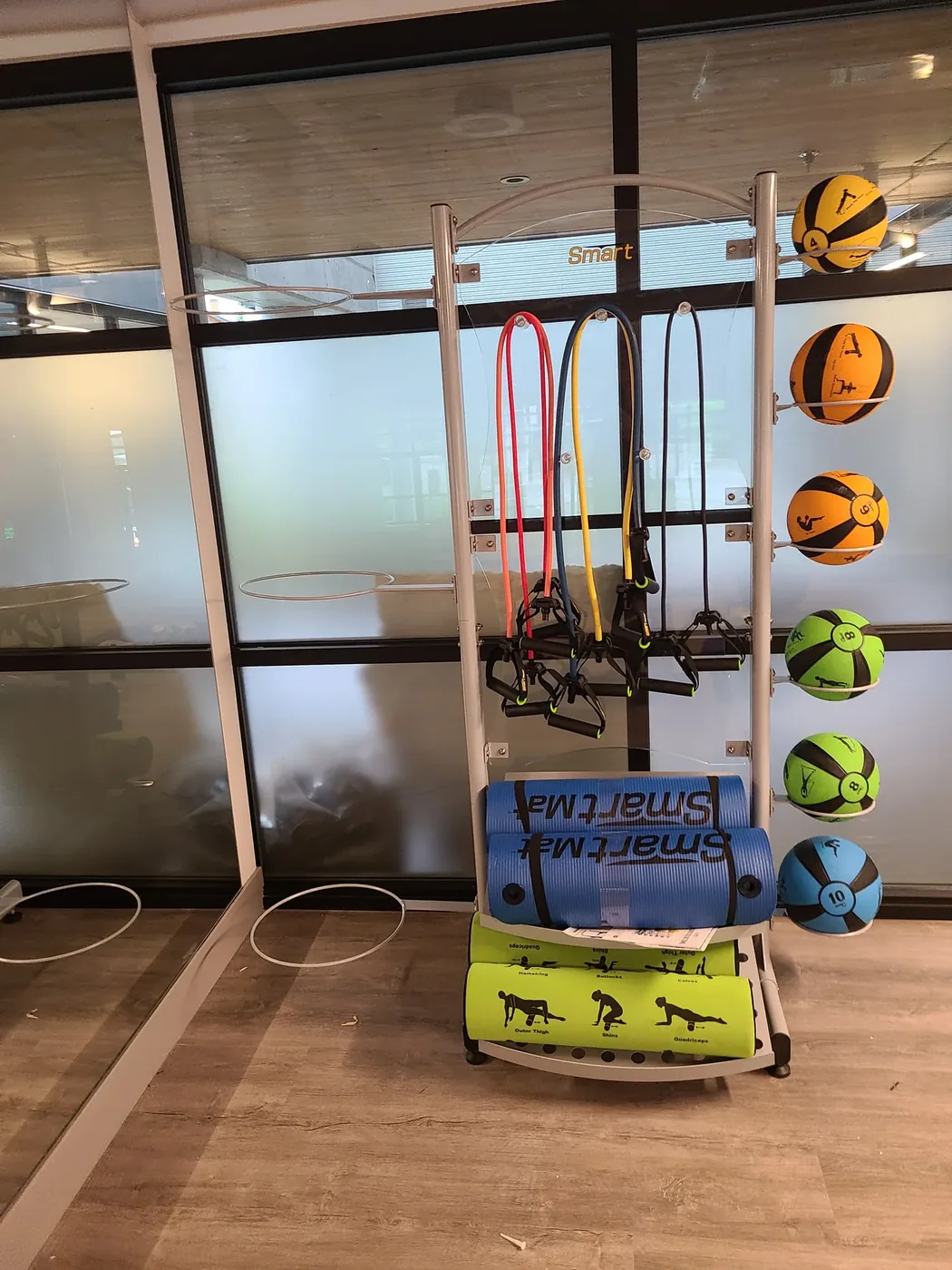
Equipment and flooring
Cardio, strength and functional equipment from several manufacturers, plus flooring and mirrors, consolidated into one order and one delivery date.
Installation and after
Delivery, installation and function testing, then finance options, extended warranties and maintenance once the room is open.
The facilities we equip in Washington
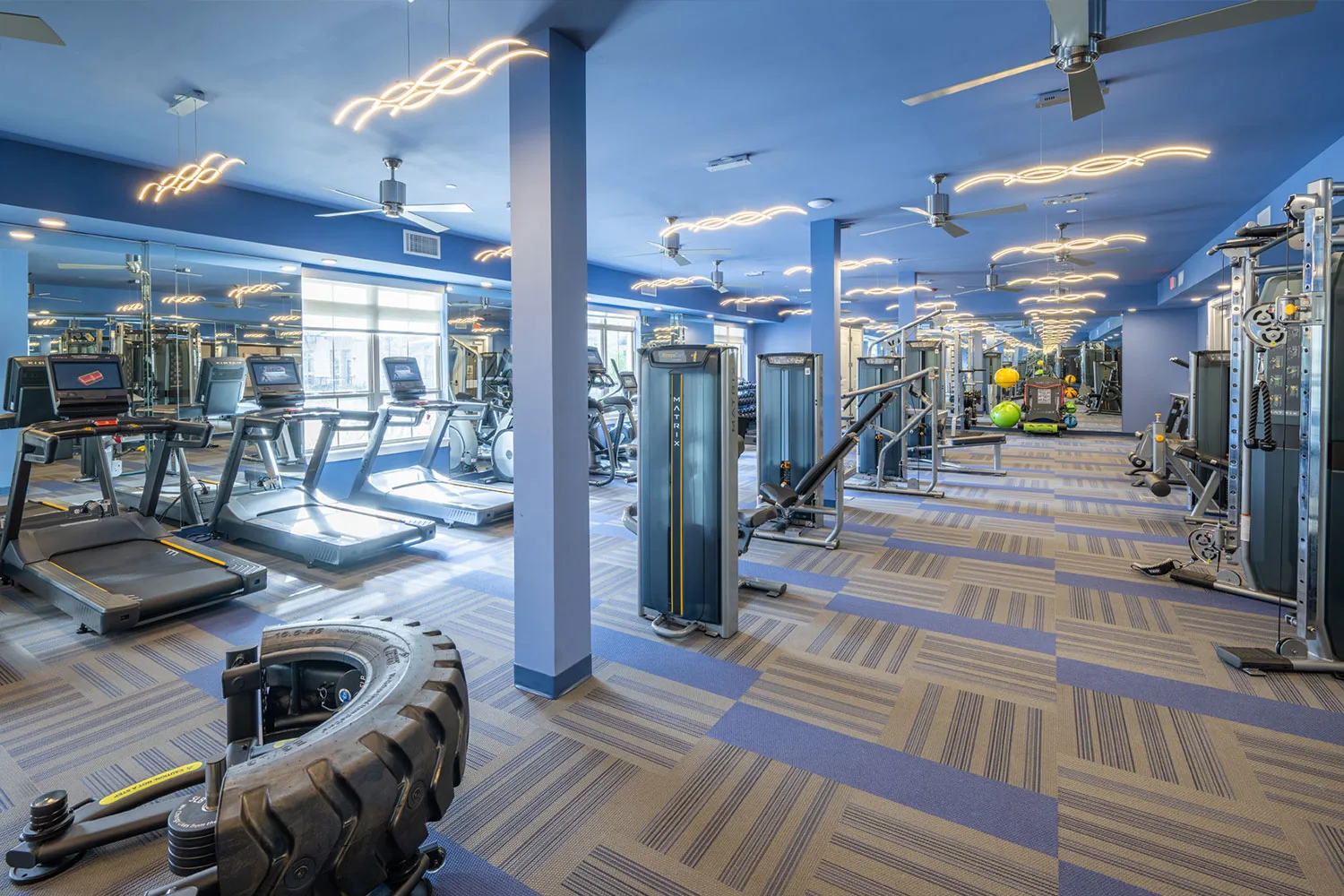
Apartment and condominium amenity rooms
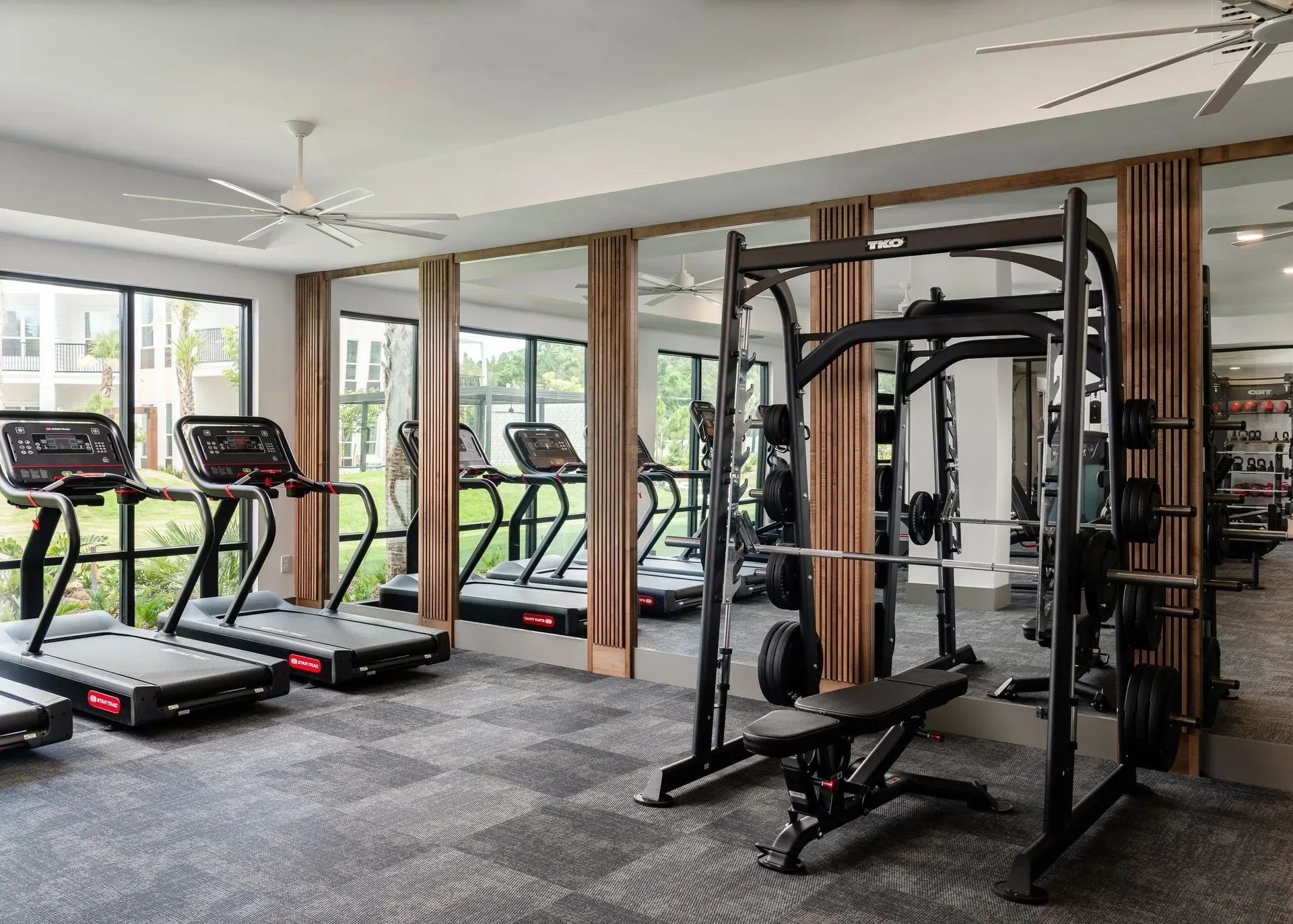
Electrical is the item that most often turns a finished amenity room into a second construction project, because the space was never wired for it. Commercial treadmills need a dedicated 120V, 20-amp branch circuit each, with a non-looped neutral and ground — three treadmills is three circuits, not one shared run. Doors are the companion trap: ADA sets a 32 in minimum clear opening measured with the door open 90 degrees, and a nominal 3 ft leaf does not deliver it once the stop and hardware are counted. Both are cheap to solve while the walls are open and disruptive afterwards, so we raise them during design. More on multifamily gym design and equipment.
Senior living fitness rooms
A machine a resident cannot get onto unaided is occupied floor space, not an amenity. Step-through access, seat height and clear grip points decide use here, and there is a standard for specifying them: ASTM F3021, the standard specification for universal design of fitness equipment for inclusive use by people with functional limitations and impairments. ADA then adds a 30 by 48 in clear floor space for at least one of each type of machine, on an accessible route. More on senior living gym equipment.
The rest of what we equip there
Those two are what Washington orders most, not the limit of what we supply there. The same design, flooring, delivery and installation work covers every other facility type:
- corporate fitness centers
- health clubs and training studios
- hotel and resort fitness rooms
- medical and rehab training rooms
- schools and campus recreation
- fire, police and municipal gyms
- correctional facility fitness rooms
- YMCA and nonprofit gyms
- home and private training rooms
- student housing gyms
- HOA and property-managed gyms
What decides the room before the equipment list

Planning the room before the equipment list
Whatever the facility type, the room sets the equipment list rather than the other way round. ACSM allows 25 to 50 sq ft per station on the fitness floor, and ADA requires at least one of each TYPE of exercise machine to have a 30 by 48 in clear floor space served by an accessible route — 36 by 48 in where that space is enclosed on three sides. Drawn to scale, those two figures usually settle the realistic piece count before budget enters the conversation.

Circulation, and the space nobody budgets for
Rooms fail on circulation far more often than on equipment selection. ADA sets a 60 in diameter circular turning space and a 36 in minimum clear width on the accessible route, and in a room of 400 to 600 sq ft those two dimensions decide how many machines can face which way. Reserving them on the drawing costs nothing; recovering them after delivery usually means sending a piece back.

New, refurbished and remanufactured
Used commercial equipment is sold in three conditions that are frequently conflated: as-is, cleaned and serviced, and fully remanufactured. Properly reconditioned commercial equipment routinely outlasts new light-commercial at a similar price, which lets a fixed budget cover more of the floor — and on a 100 psf fitness floor built for continuous duty, the frame matters more than the badge. Which condition suits a room depends on how hard it will be used and who is maintaining it; we will say which we would put in your room and why.
In short
Fit Supply has designed, supplied and installed commercial fitness facilities in Washington including Seattle, Kent, Federal Way and Bremerton. Work there runs to apartment and condominium communities, senior living communities, health clubs and gyms. One specification, one point of contact and one parts channel across a portfolio, drawing on 50+ manufacturer partners rather than whatever each site was sold locally.
Common questions about Washington projects
Does Fit Supply work in Washington?
Yes. We have supplied and installed commercial fitness facilities in Washington, including Seattle, Kent, Federal Way, Bremerton and Bonney Lake. Facilities in surrounding communities are served from the same projects, so it is worth asking even if your market is not named. Coverage is confirmed per project, since some equipment lines carry territory arrangements.
What electrical do we need for treadmills in an amenity room?
Commercial treadmill manufacturers specify a dedicated 120V, 20-amp branch circuit per treadmill, with a non-looped neutral and ground. Three treadmills means three circuits. This is worth settling during design, because adding circuits to a finished residential building is far more disruptive than routing them while the walls are open.
What equipment suits a senior living community?
Pieces chosen for genuine ease of entry and use — step-through access, seat height and clear grip points. ASTM F3021 is the standard specification for universal design of fitness equipment for inclusive use by people with functional limitations and impairments, and it is the right reference for those decisions. ADA also requires a 30 by 48 in clear floor space for at least one of each machine type.
What if my space is not ready when the equipment arrives?
Tell us as early as you can and we will re-sequence rather than deliver into an unfinished room. Where product is held at your request more than ten days past the installation date, a storage fee applies; held beyond thirty days, a 25% restocking fee applies as well. Those are the contract terms, and they exist because held equipment occupies warehouse space and gets handled twice. A date moved a week ahead of time normally costs nothing; a truck turned away on the day does.
What are the lead times on commercial gym equipment?
Anywhere from in stock to roughly six months, depending entirely on what is ordered. Most cardio and most stock strength runs about two weeks. Accessories and HIIT products are typically one to two weeks. Custom strength is the long pole: custom colors, a different paint process or bespoke upholstery generally runs six to twelve weeks, and fully custom lines such as Atlantis, Gym80 or Panetta can reach six months. Lead time is the thing most likely to move your opening date, so it is worth settling early.