

Jails, prisons and detention centers
Correctional Facility Fitness Equipment Supplier
How a project runs
How a project runs, stage by stage
Layout and design
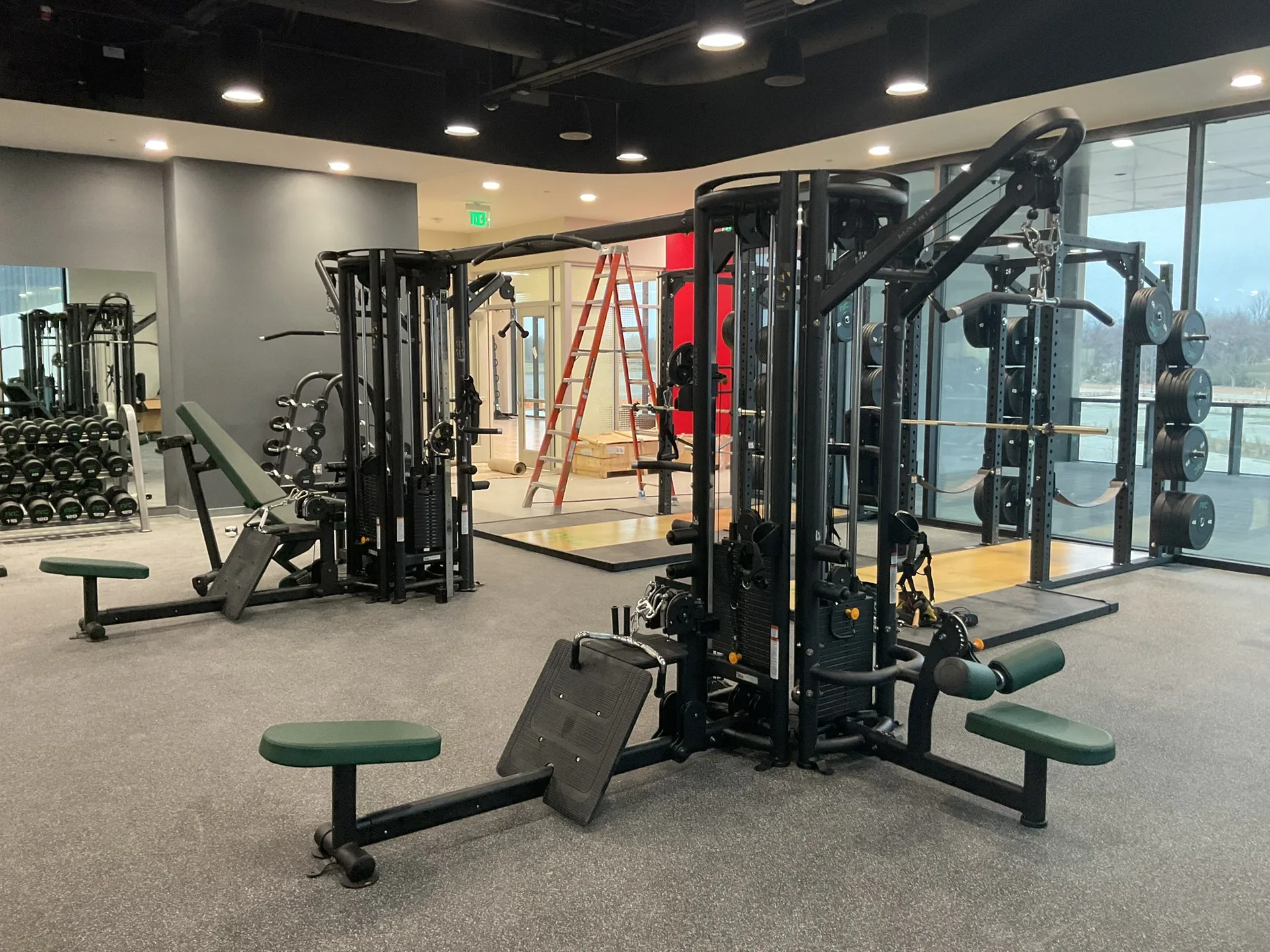
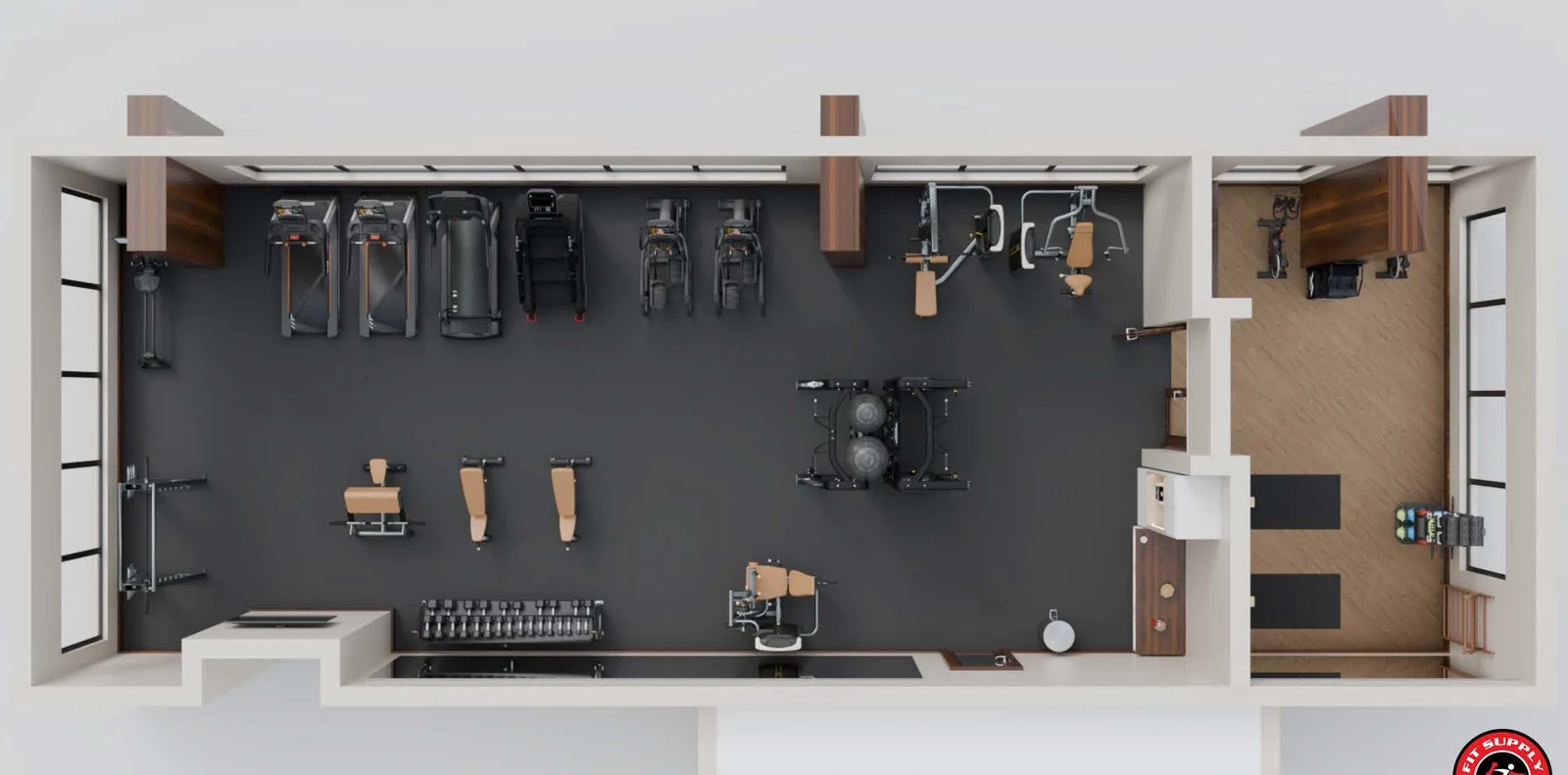
Two layouts in one building: a continuous-duty commercial room for officers and staff, and fixed, anchored, nothing-removable equipment for inmate recreation, drawn to the exercise-area minimums the standards set.
Procurement
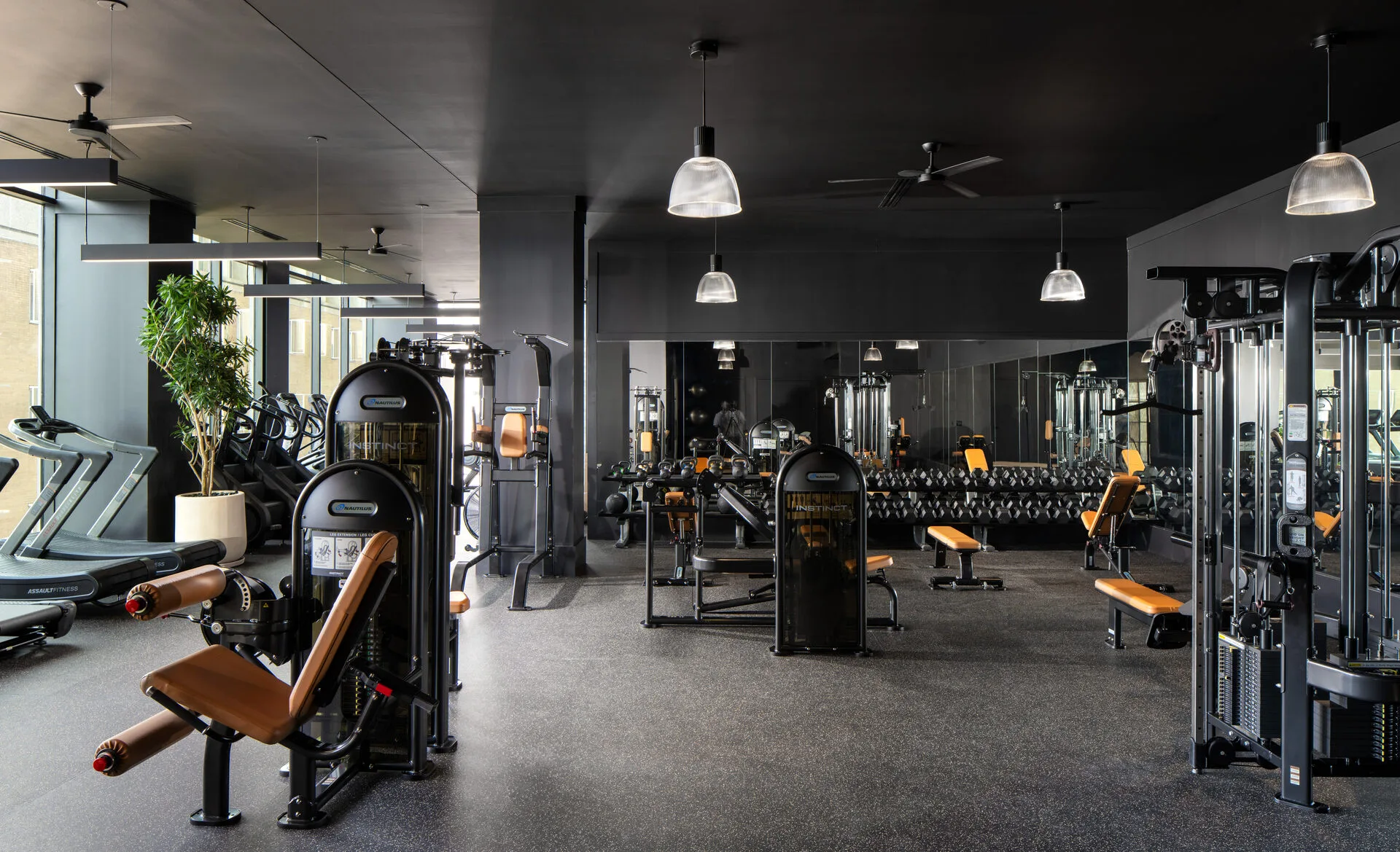
Formal bids, cooperative contracts and itemized quotes that map onto how a commissioners court, an agency or a private operator approves the purchase.
Delivery and installation
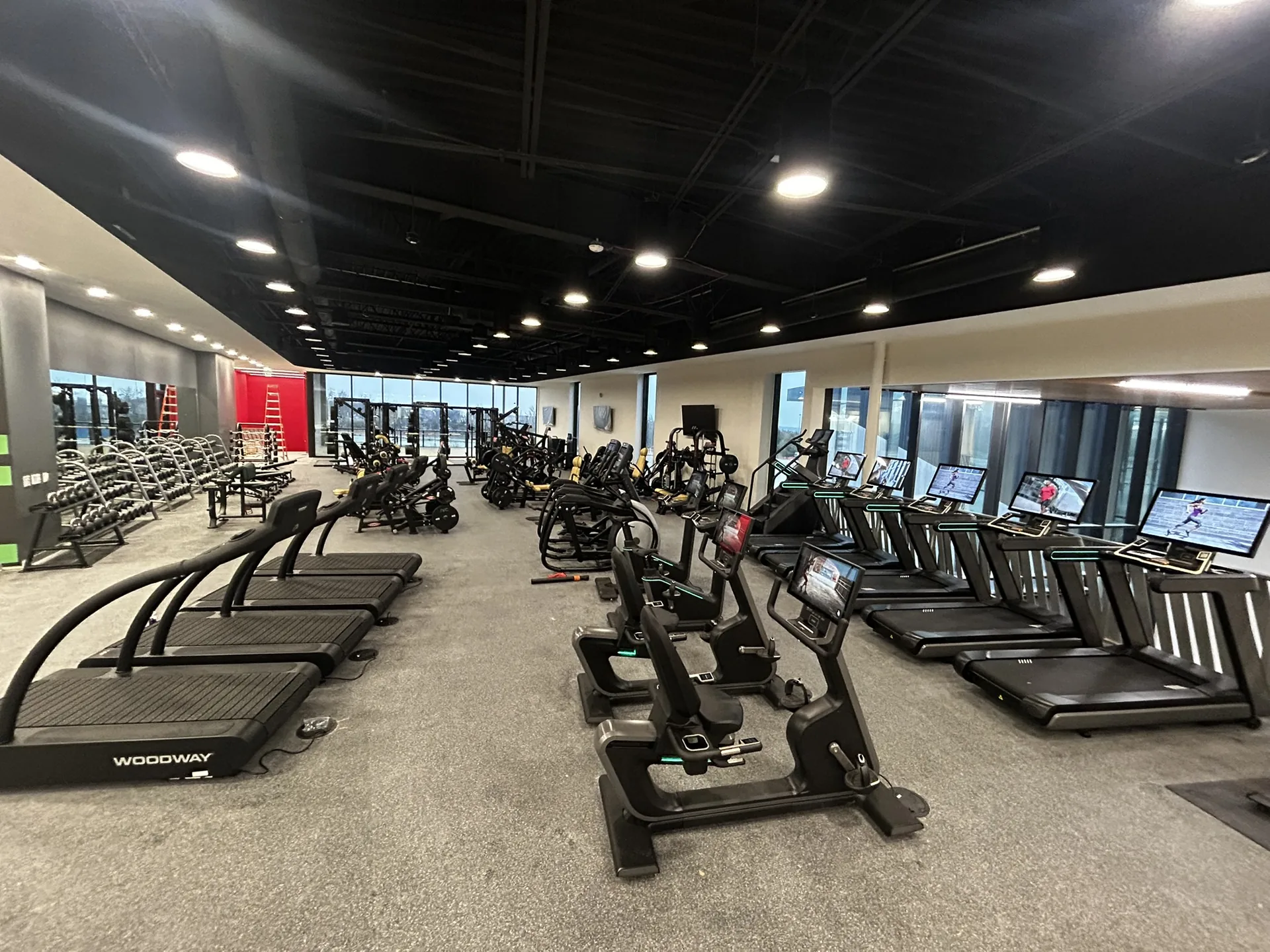
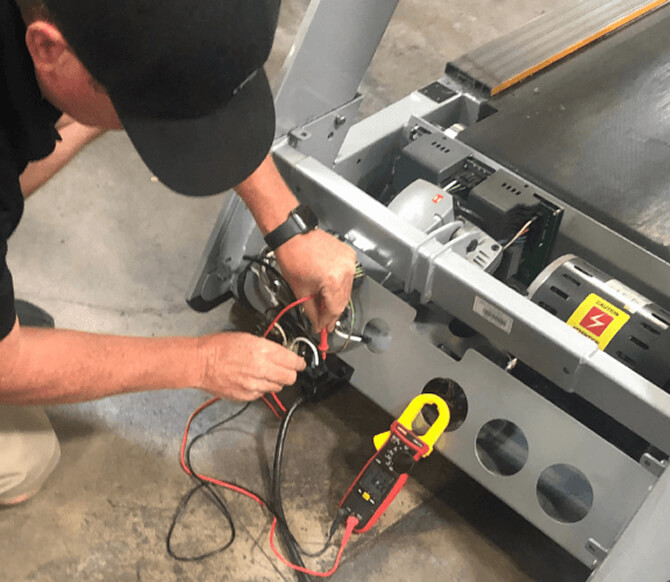
Scheduled around counts, escorts and tool control, with the crew, the tools and the packaging accounted for on the way in and on the way out.
Service afterwards
A per-machine service record after every visit, because in a correctional facility the question after an incident is what was inspected and when.
Fitness Equipment for County Jails, State and Federal Prisons and Detention Centers
Correctional facilities are a growing part of what Fit Supply equips: county jails run by sheriff's offices, state and federal prisons, and publicly and privately operated detention centers. Every one of them has two fitness problems in the same building — a wellness room for correctional officers and staff, and recreation areas for the people in custody — and the two are specified almost nothing alike. We supply, install and service both, nationwide, with our own crews and technicians in Texas and Arizona.
Texas is where this work runs deepest. County sheriff's offices we have equipped ship to Longview, Conroe and Decatur, and the same specification travels well because the buyer is usually the same office that runs the jail and the patrol division. In Arizona the pattern repeats from the Chandler office, with county work reaching as far as Holbrook in Navajo County. State institutions, a federal facility in Fort Worth and privately operated detention centers sit on the same customer list, which means the bid formats, cooperative contracts and delivery rules that come with each of them are familiar rather than a first attempt. Fire and police stations are covered separately on fire, police and municipal recreation.
What a correctional facility needs from us
The scope is the same on every project. In a jail or prison it has to answer a security review, a procurement office and a shift roster before it answers a workout.
Where our correctional work runs deepest
Fit Supply supplies correctional fitness equipment nationwide. Coverage is deepest in Texas, where county sheriff's offices in Longview, Conroe and Decatur have bought through us and our own crews install, and in Arizona, where county work is run from the Chandler office and the state's own jail standards, heat and post-tension slabs change the specification. The metro pages for Dallas, Houston, San Antonio and Phoenix cover design, equipment, installation and service for each market.
The three services a correctional project leans on
A secure yard is an outdoor fitness build with a security enclosure added — footprint, fall zones, anchoring and drainage are drawn before anything ships. A staff free-weight room is a gym flooring decision as much as an equipment one, specified by zone under ASTM F2772 so the drop area under a rack is built up differently from the cardio row. And once the room is open, service and preventive maintenance in Texas and Arizona is performed by our own technicians, with the per-machine record a facility keeps on file.
Two rooms, two specifications

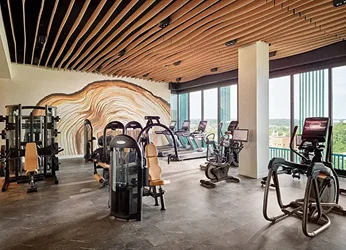
Officer and staff wellness rooms
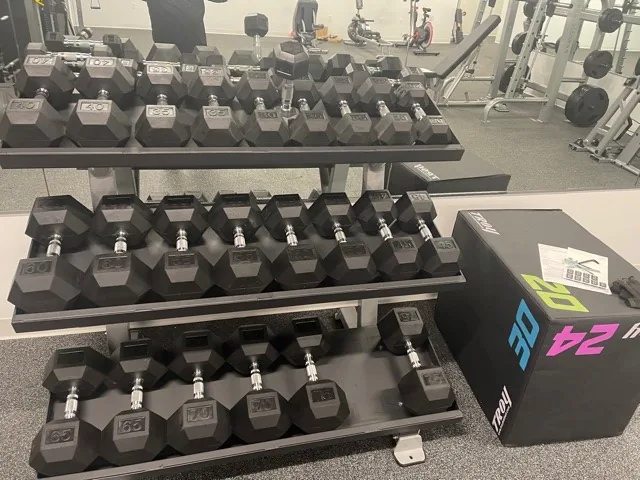
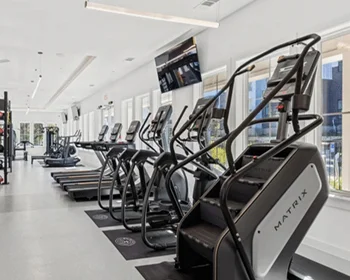
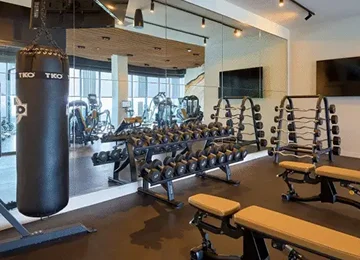
An officer wellness room is a public-safety gym with a harder shift pattern than most. It is used before, after and between shifts by a workforce whose job-task conditioning — carrying, restraining, climbing stairs under load — looks more like a fire station's than a health club's, and it runs on every shift with no recovery window. That points the specification at continuous-duty commercial frames, real free-weight and rack capacity, a treadmill and bike bank sized to the shift peak rather than headcount, and interlocking rubber flooring of 3/4 in or more under the free weights. Where the budget has to stretch, reconditioned commercial cardio from a club refresh outlasts light-commercial equipment bought new, and we say on the quote which is which — our sister company Discount Online Fitness supplies that pre-owned equipment to correctional facilities directly.

Inmate recreation, indoor and yard
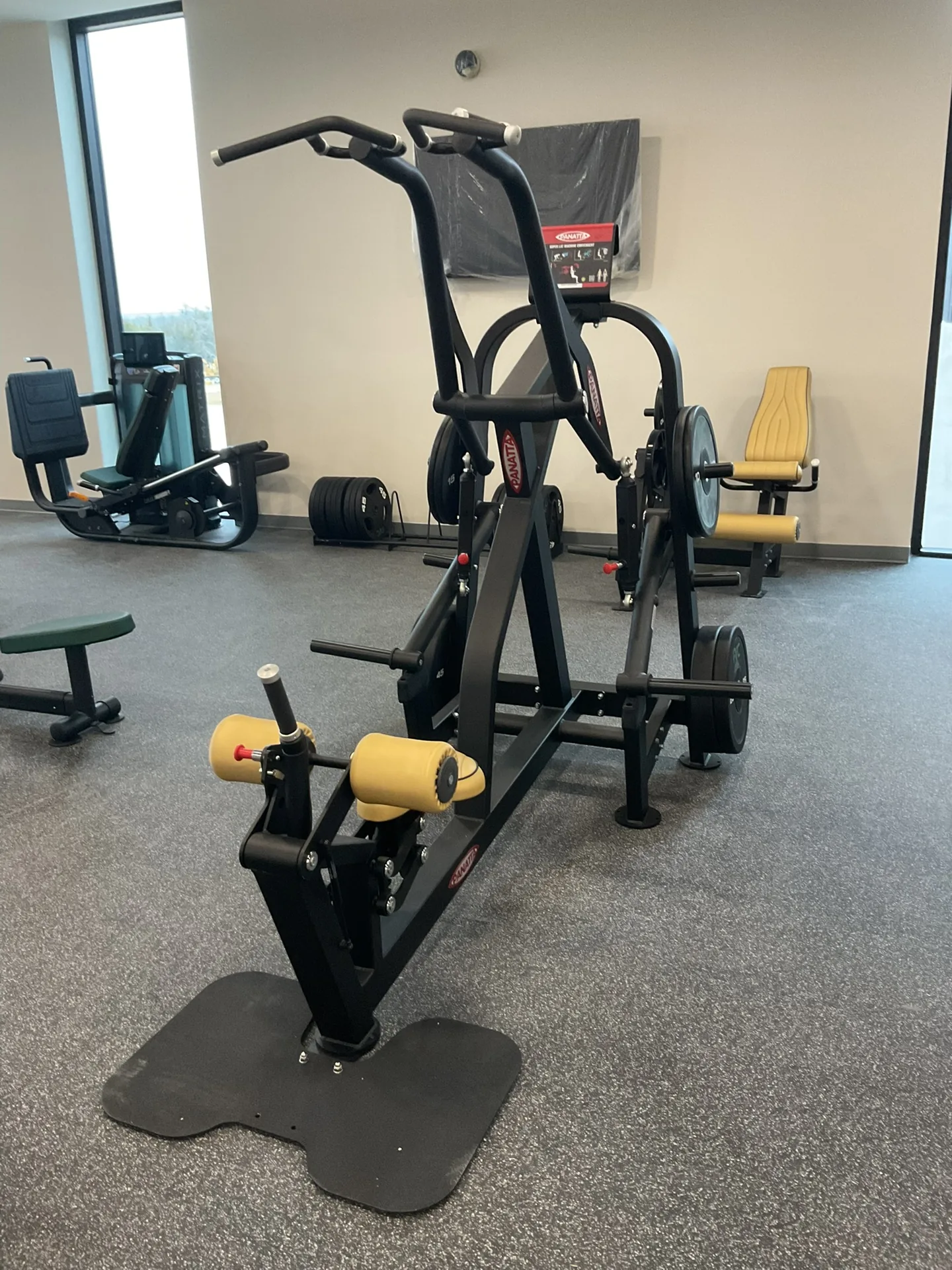
Inmate recreation is a security specification first and a fitness specification second. Nothing in a dayroom gym or an exercise yard can be loose, removable or sharp: no selectorized pins, no cables, no free plates or dumbbells, no adjustable benches. What works is fixed-frame equipment anchored through the slab — pull-up, dip, step-up and push-up stations, bodyweight and fixed-resistance units built with tamper-resistant hardware — laid out so an officer at the control point can see every station without walking the floor. Outdoor yards add weather, drainage and a security enclosure to the list. In Texas the minimum jail standards set the space: an exercise area of at least 800 sq ft for facilities under 100 inmates, otherwise 15 sq ft per person expected to use it at once and never less than 1,000 sq ft, with an alternate area for bad weather.

Purchasing, delivery and service inside the perimeter
Correctional purchasing has its own route and its own rules, and we work inside them: formal bids and RFPs, county and state cooperative contracts, itemized quotes that map onto how a commissioners court or an agency approves a purchase, and delivery scheduled around counts, escorts and tool control rather than a loading-dock window. Service and preventive maintenance inside the perimeter is performed by our own technicians in Texas and Arizona and coordinated through our partner network elsewhere, with a per-machine record after every visit — the document a facility needs after an incident, not before one. We supply Matrix, StairMaster, Star Trac, Hoist, Inflight Fitness, Body-Solid, TKO and Troy Barbell into these facilities, and fixed recreation equipment is specified to the facility's security level. Life Fitness, Precor and Cybex are not lines we carry new; where a specification calls for them we supply them pre-owned, and we say which is which on the quote.
In short
Fit Supply supplies, installs and services fitness equipment for correctional facilities nationwide — county jails, state and federal prisons, and publicly and privately operated detention centers — with our own crews and technicians in Texas and Arizona. Officer wellness rooms are specified as continuous-duty commercial gyms; inmate recreation areas are specified for security first, with fixed, anchored equipment and nothing loose or removable. Texas county jails must allow each inmate 1 hour of supervised exercise at least 3 days a week, in an exercise area of 15 sq ft per person and never less than 800 sq ft.
Frequently asked questions
What does Texas require a county jail to provide for inmate exercise?
One hour of supervised physical exercise or physical recreation at least 3 days a week for each inmate, under a written plan approved by the Texas Commission on Jail Standards, with documentation kept for Commission review (37 TAC §285.1). The construction standards set the space as well: an exercise area of at least 800 sq ft for a facility under 100 inmates by design capacity, otherwise 15 sq ft per inmate expected to use it at one time and not less than 1,000 sq ft, with an alternate area for inclement weather where the main area is outdoors (§259.132). The equipment has to make that hour usable inside those dimensions.
What fitness equipment is safe in an inmate recreation area?
Fixed-frame equipment anchored through the slab, with no removable parts: pull-up, dip, step-up, push-up and sit-up stations, and bodyweight or fixed-resistance units built with tamper-resistant hardware. Selectorized pins, cables, free plates, dumbbells and adjustable benches are all out, because anything that can be removed can be used as a weapon or hidden. Layout matters as much as the equipment: every station should be visible from the officer’s control point without walking the floor, and outdoor yards need a security enclosure, drainage and a surface that covers the fall zone around each unit.
How is a correctional officer wellness room different from the inmate gym?
It is a normal commercial gym with a harder duty cycle. Free weights, racks, cable machines and cardio are all appropriate, but the room runs on every shift with no recovery window, so it is specified in continuous-duty commercial frames rather than light-commercial equipment rated for intermittent use. Two building checks come first: IBC Table 1607.1 designs fitness areas for a 100 psf live load, which matters when the room is carved out of an existing administration building, and free-weight zones want interlocking rubber of 3/4 in or more so a dropped bar does not travel through the slab to the floor below.
Do you sell to privately operated detention centers as well as county and state facilities?
Yes. County sheriff’s offices, state departments of corrections, federal facilities and private operators are all on the customer list, and each buys differently: formal bids and RFPs, cooperative purchasing contracts, or a corporate purchase order against a facility budget. Quotes are itemized to match how the purchase will be approved, whether that is a commissioners court, an agency procurement office or an operator’s regional manager.
Can you install and service equipment inside a secure facility?
Yes. In Texas and Arizona our own crews install and our own technicians service the equipment; elsewhere both are coordinated through our nationwide partner network. Visits are scheduled around counts, escort availability and the facility’s tool-control rules rather than a standard delivery window, and every service visit leaves a per-machine record — the document a facility needs if a piece of equipment is ever questioned after an incident. Preventive maintenance can be quoted across every facility an agency or operator runs.
What are your payment terms?
Terms vary from deal to deal and are set out in your proposal. What does not vary: a 50% deposit is required on all orders before equipment is ordered. Finance options are available and are quoted alongside the equipment.
What does your installation include?
It starts with a site survey — we collect the measurements, access details and photographs before anything is quoted, so the install is priced against your actual building. Fit Supply installs essentially anywhere, including situations needing a crane or the temporary removal of railings, and that work is priced into the install rather than surfacing as a surprise. We also handle relocations, extractions, assembly and upholstery, and can provide storage for a fee.
How long is a quote good for?
Thirty days from the proposal date, unless it is executed sooner. Prices exclude sales and use tax, freight, and similar charges, and tax is determined as of the taxable event — delivery or installation — rather than the quote date. Equipment lead times move independently of the quote validity, so a quote accepted on day 29 does not hold the manufacturer pricing or the schedule that existed on day one. If a decision is going to take longer than a month, tell us and we will re-quote rather than let it lapse.
Who warrants the equipment — you or the manufacturer?
The manufacturer. New equipment carries the manufacturer’s own limited warranty, which we pass through to you, and the manufacturer’s published warranty controls over any summary shown on a proposal. What Fit Supply warrants directly is its own installation workmanship, for one year from completion. Used equipment is warranted only to the extent of its condition tier. Extended coverage may be available for purchase on some new and used products, and applies only if it is stated on your quote or in a separate warranty document.