

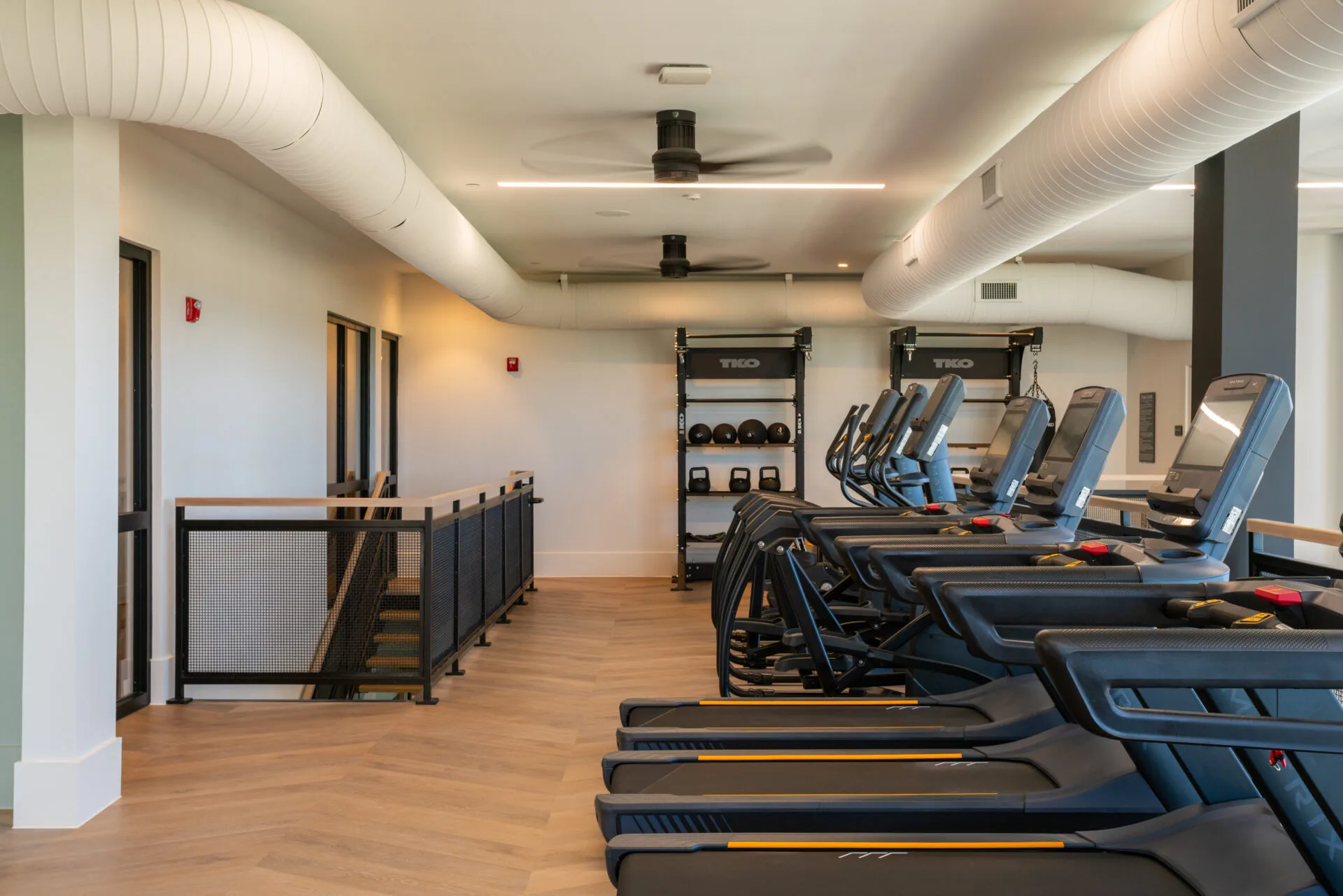
Our Work
Pennsylvania Fitness Centers
- 2007designing and equipping fitness facilities since
- 30,000+commercial orders delivered
- 500+cities served
- 50+manufacturer partners
Installed in Pennsylvania
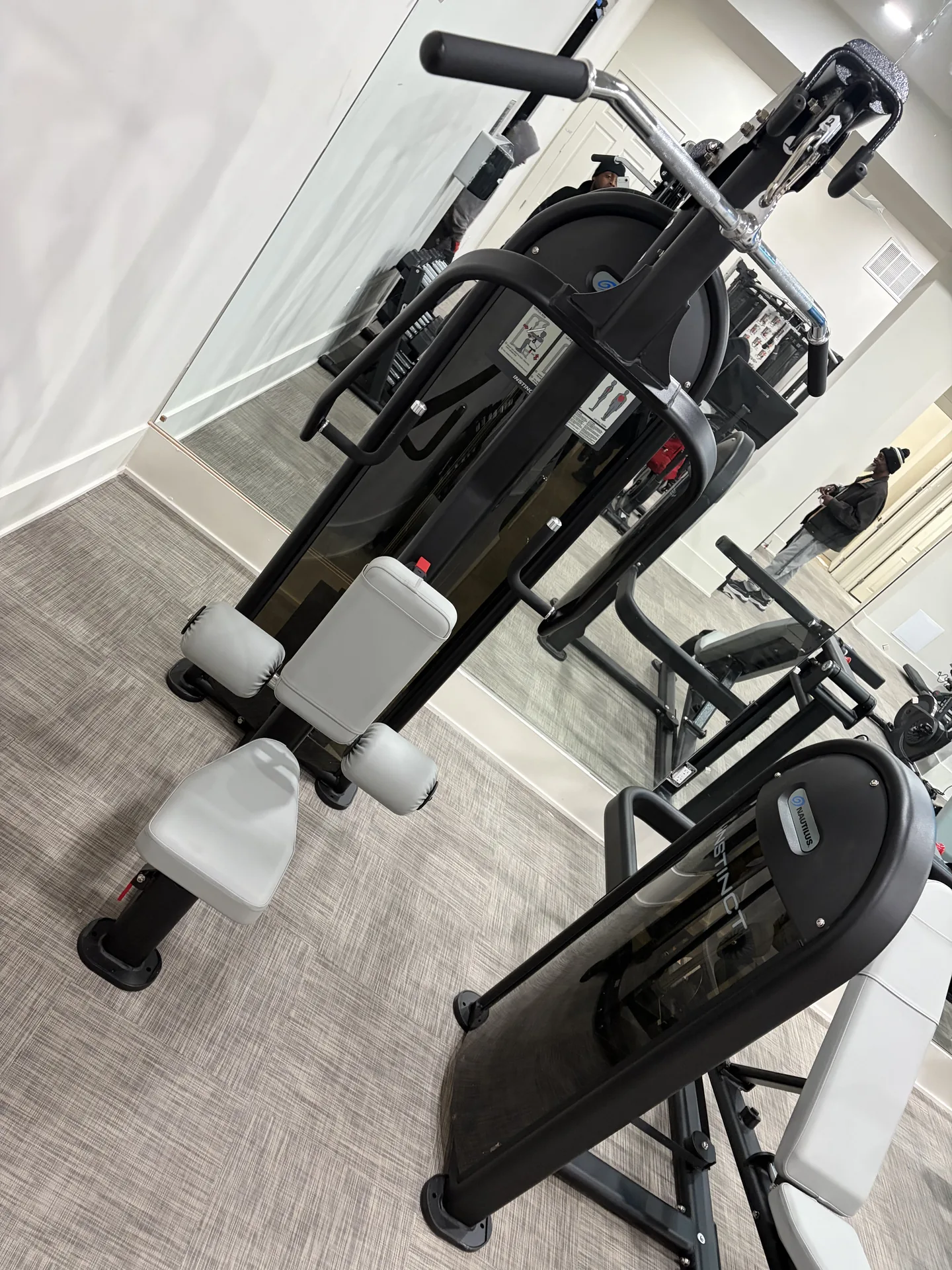
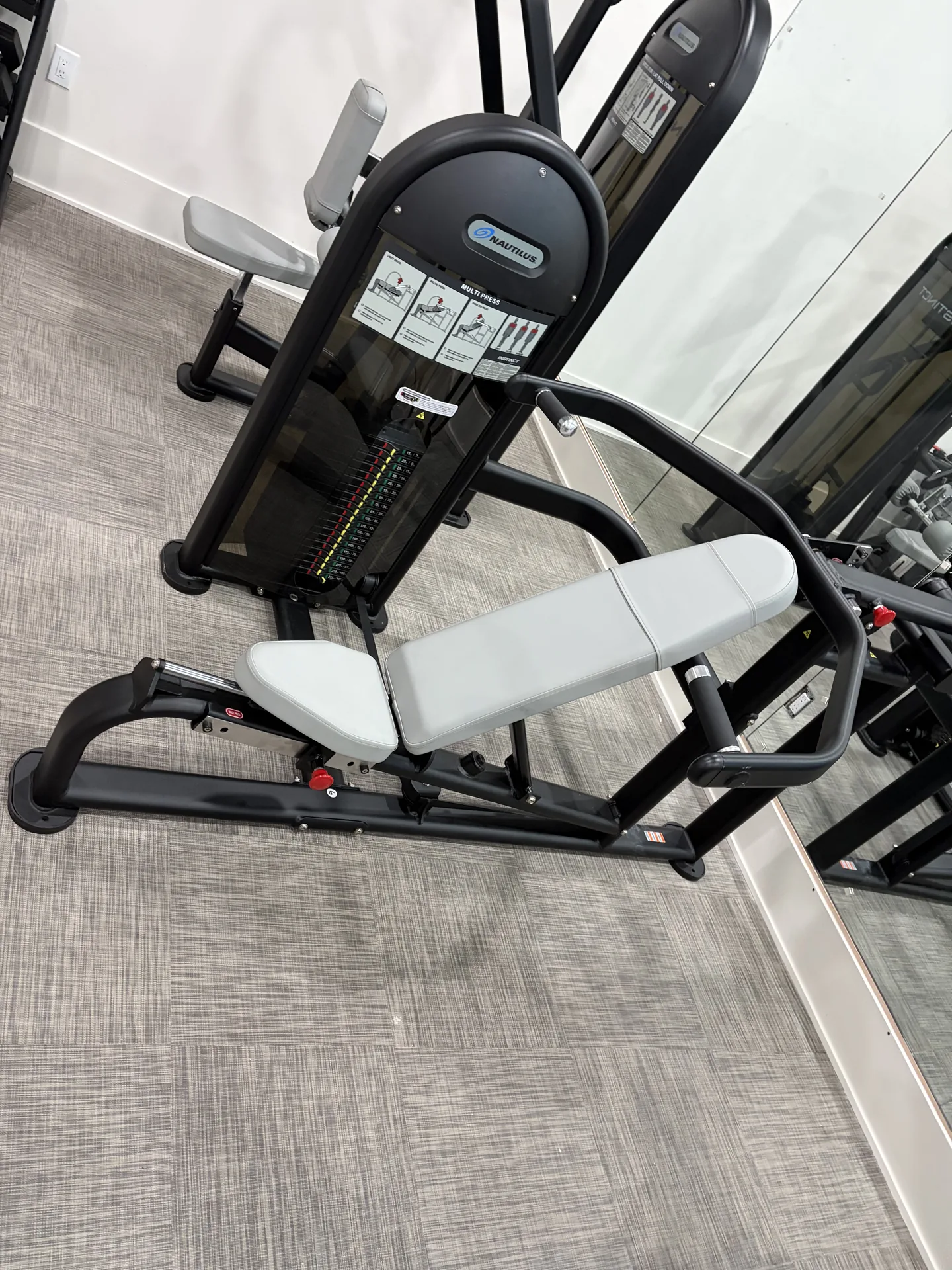
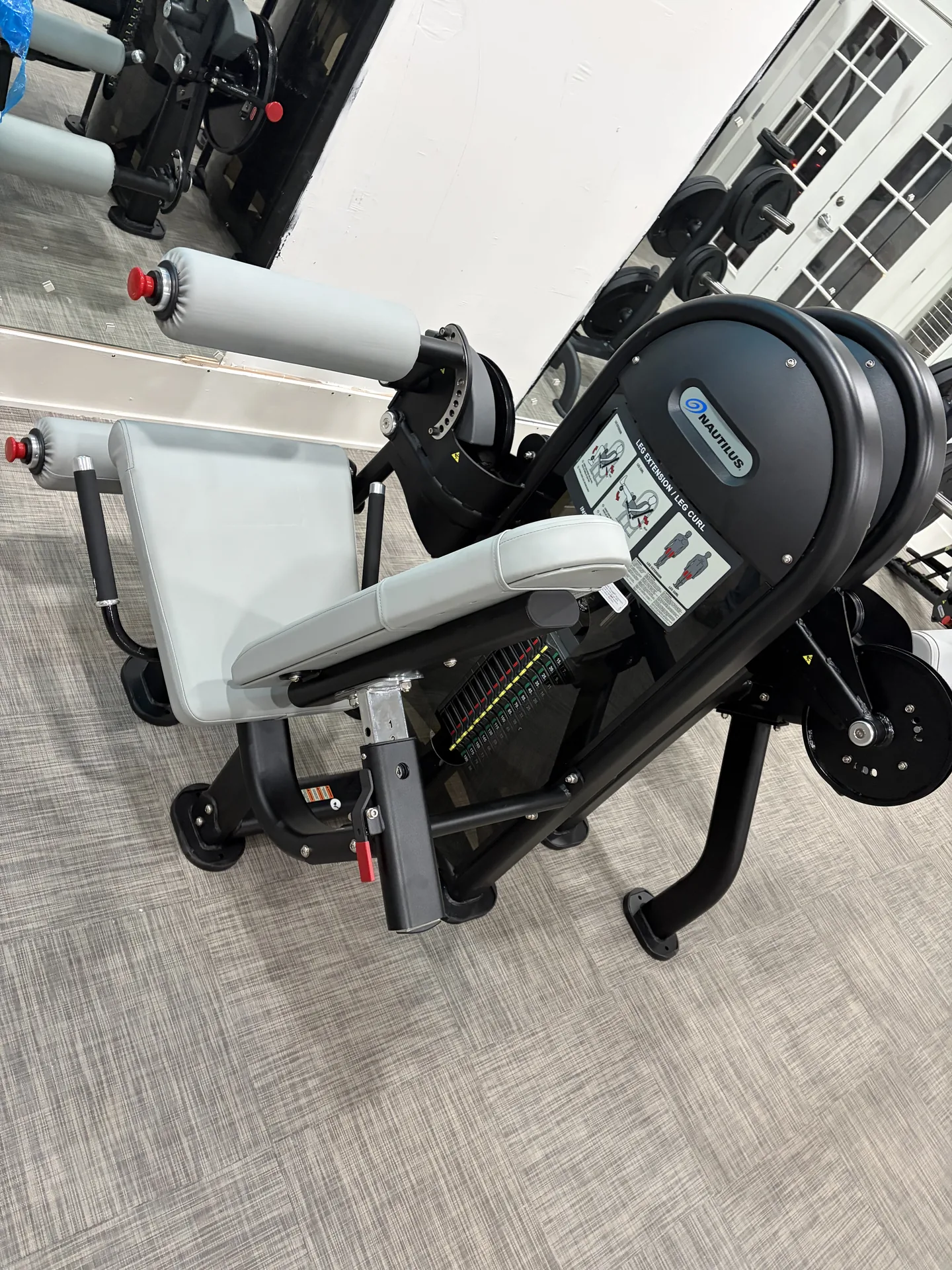
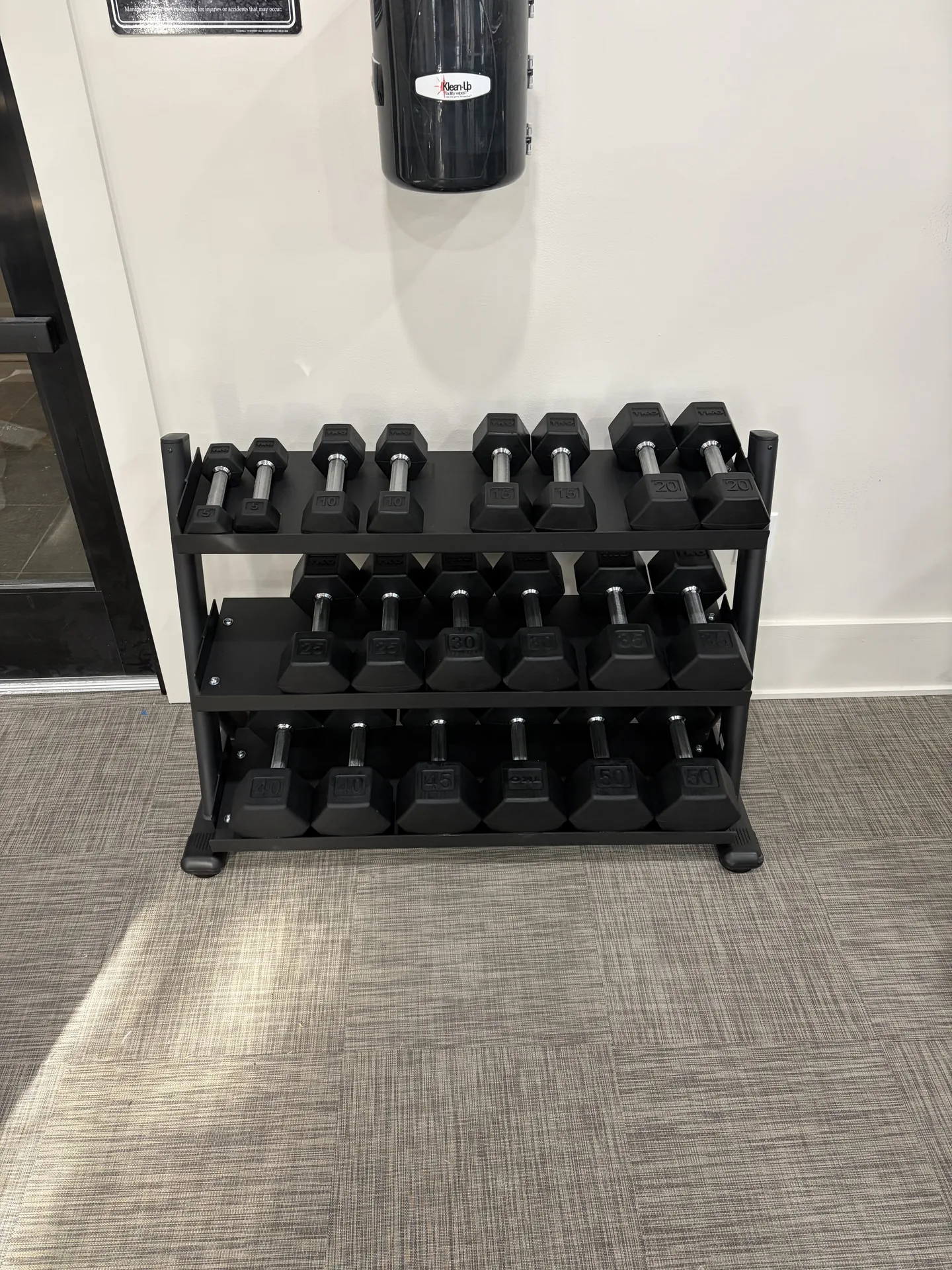
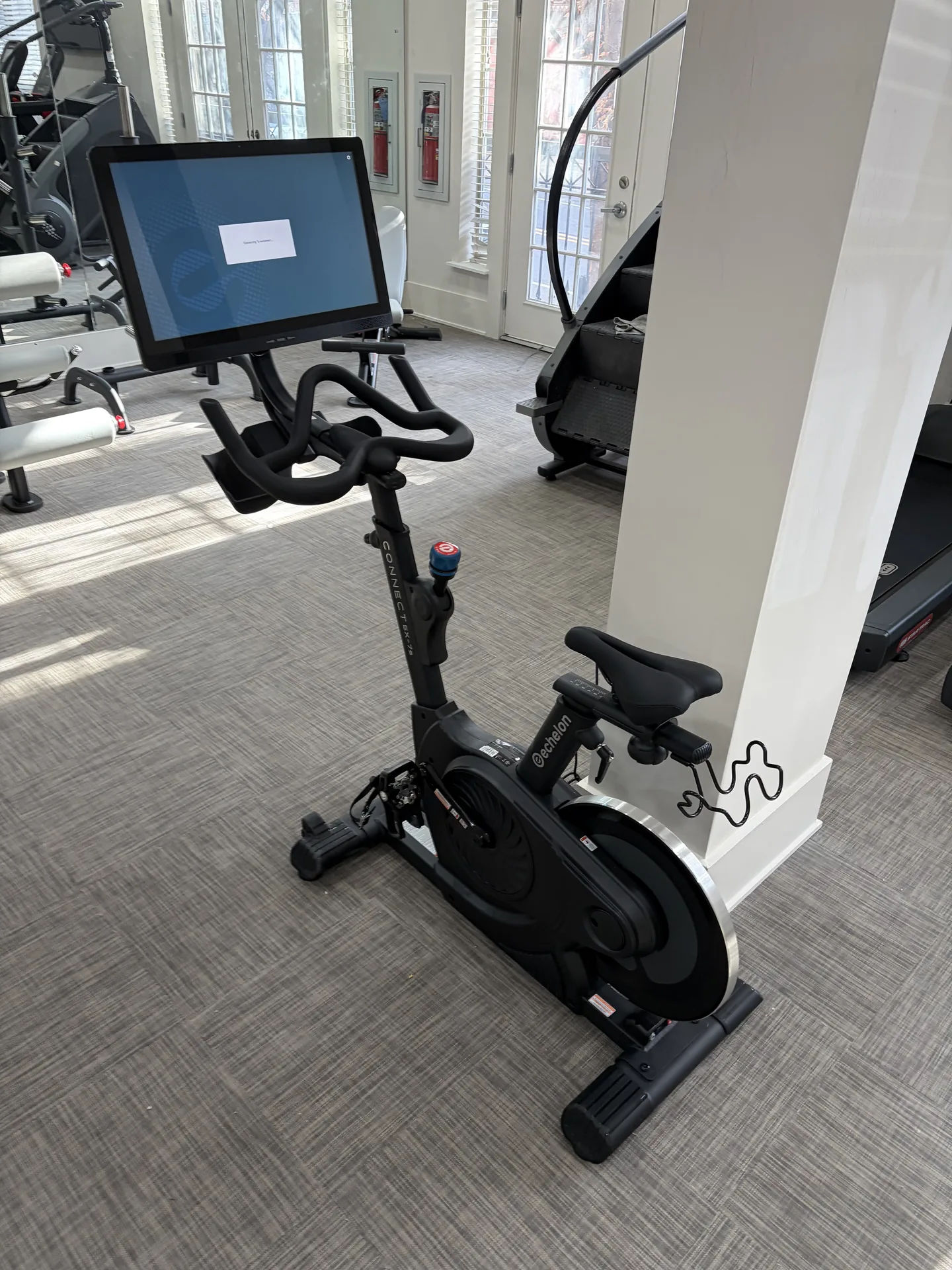
Commercial Fitness Facilities We Have Equipped in Pennsylvania
Projects here run the same way they do anywhere: the room is measured and drawn to scale first, the equipment list follows from the layout, and delivery and installation are managed rather than left as a freight drop-off. Coverage is confirmed per project, since some equipment lines carry territory arrangements.
Markets we have equipped in Pennsylvania
Philadelphia, Montoursville and Bristol. Facilities in the communities around them are served from the same projects, so it is worth asking even if your market is not named here.
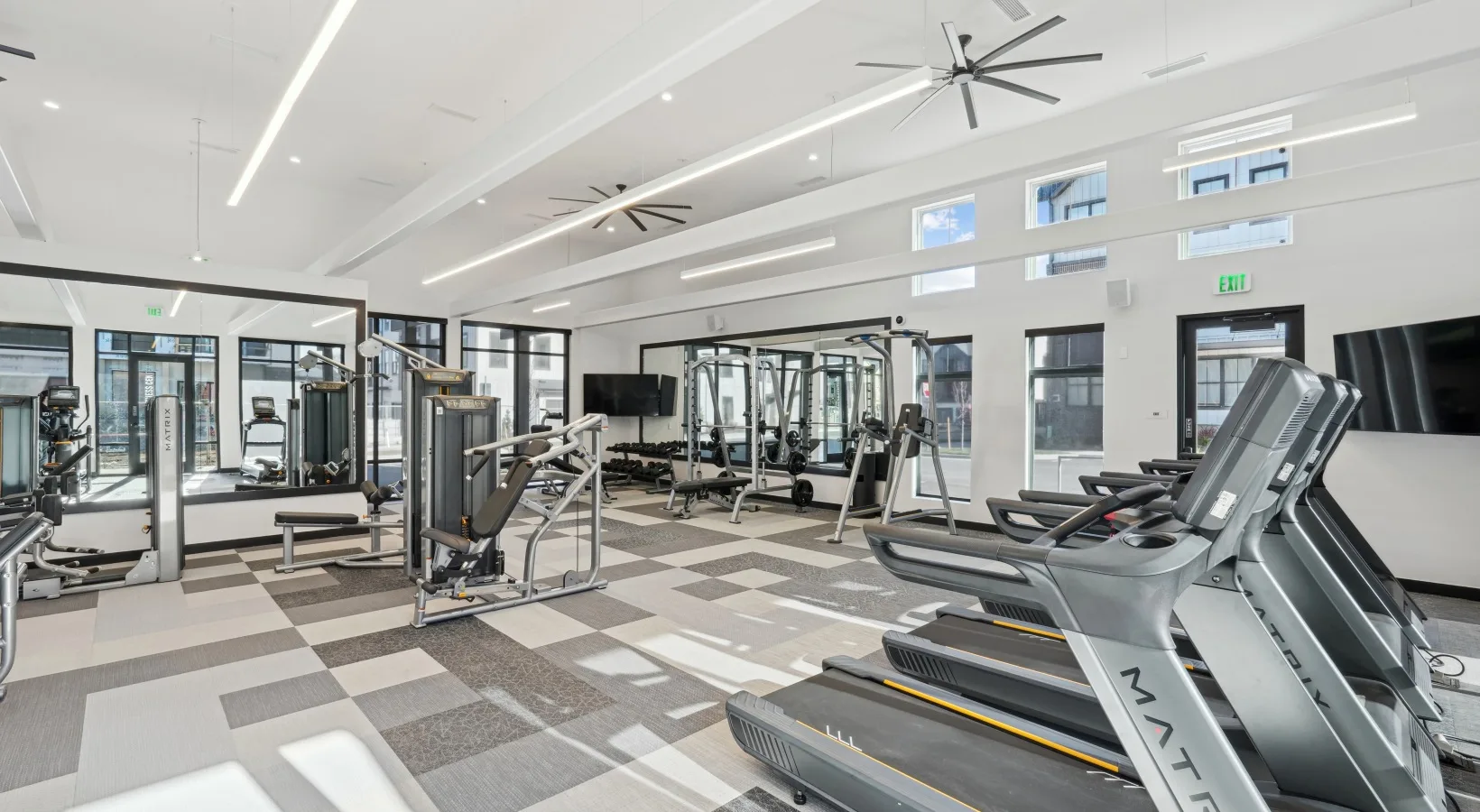
How a project runs, from drawing to installed room
-
The room is drawn before it is quoted
A layout to scale comes first, with ADA clearances, floor loading and power planned into it. Most of the work here is in police departments, apartment and condominium communities, and the equipment list follows from the room rather than the other way round.
-
One order, several manufacturers
Cardio, strength, flooring and accessories rarely come from one brand. We consolidate them into a single order and a single delivery date, so the room lands together.
-
Managed installation, wherever it is
Equipment is assembled, placed to the approved layout and function-tested on site by crews we manage or installers we work with — never a bare freight drop-off.
One scope, one team
Design, equipment and installation as one scope
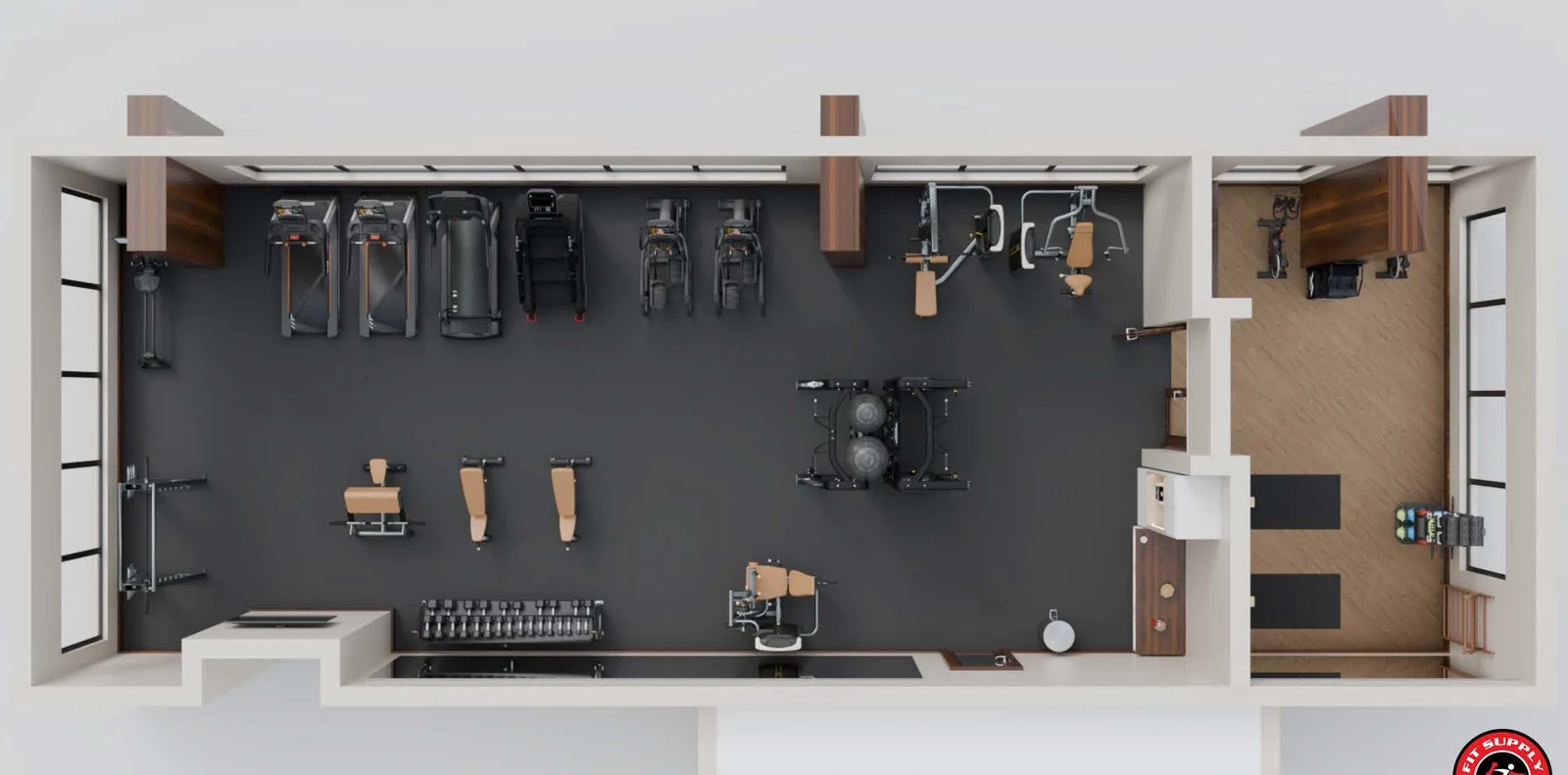
Design and layout
A layout drawn to scale before an equipment list exists, with ADA clearances, floor loading and power planned into it.
Equipment and flooring
Cardio, strength and functional equipment from several manufacturers, plus flooring and mirrors, consolidated into one order and one delivery date.
Installation and after
Delivery, installation and function testing, then finance options, extended warranties and maintenance once the room is open.
The facilities we equip in Pennsylvania
Police department fitness rooms
Rotating shifts mean the room is never closed and the equipment is never rested, so light-commercial gear rated for intermittent use wears out years early and gets replaced from a budget that did not expect it. Continuous-duty specification is the cheaper answer over the life of the room. Placement needs confirming too: IBC Table 1607.1 designs fitness areas for a 100 psf live load, and these rooms usually go into existing municipal buildings rather than purpose-built space. Where the department also runs a jail, the officer room and the inmate recreation area are two different specifications — see correctional facility fitness equipment. More on police department gym equipment.
Apartment and condominium amenity rooms
An unstaffed room open around the clock is a different specification from a supervised one, and treating it as the same is where liability creeps in. With nobody present to spot a lift, correct form or clear a jam, we favor equipment that is safe to use alone and hard to misuse, and we keep the clearances genuinely clear — ADA wants a 30 by 48 in clear floor space for at least one of each type of machine, reached by a 36 in accessible route. In a staffed club an obstruction gets moved within the hour; in a resident gym it stays there until somebody complains. More on equipping apartment and condo fitness centers.
The rest of what we equip there
Those two are what Pennsylvania orders most, not the limit of what we supply there. The same design, flooring, delivery and installation work covers every other facility type:
- student housing gyms
- HOA and property-managed gyms
- corporate fitness centers
- health clubs and training studios
- hotel and resort fitness rooms
- senior living fitness rooms
- medical and rehab training rooms
- schools and campus recreation
- correctional facility fitness rooms
- YMCA and nonprofit gyms
- home and private training rooms
What decides the room before the equipment list

Equipment anyone can use
Inclusive use is a specification decision rather than a category added at the end. ASTM F3021 is the standard specification for universal design of fitness equipment for inclusive use by people with functional limitations and impairments, and it governs the machines themselves — step-through access, grip points, seat height — where the ADA clearances govern the space around them. In an unstaffed room, which most amenity spaces are, that distinction matters more.

Accessibility is scoped per machine type, not per machine
The most common misreading of the ADA Standards on a fitness floor is that every unit has to be accessible. It does not: the scoping requires at least one of each TYPE of exercise machine to have a 30 by 48 in clear floor space served by an accessible route, rising to 36 by 48 in where that space is enclosed on three sides. The clear space may overlap the route and sit in the aisle behind the machine, which is exactly what makes a dense floor achievable — provided the layout is drawn before the equipment is ordered.

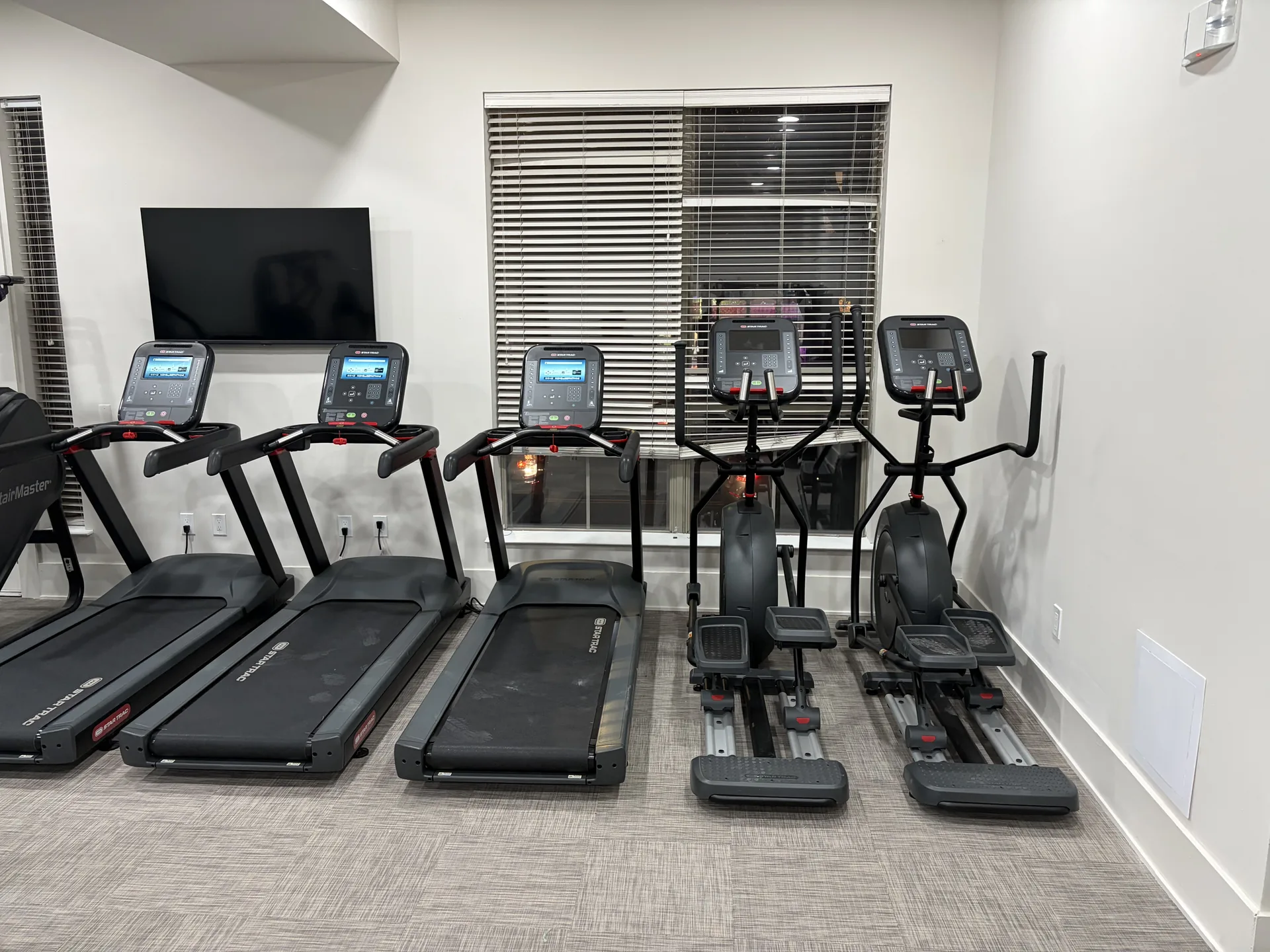
Circulation, and the space nobody budgets for
Rooms fail on circulation far more often than on equipment selection. ADA sets a 60 in diameter circular turning space and a 36 in minimum clear width on the accessible route, and in a room of 400 to 600 sq ft those two dimensions decide how many machines can face which way. Reserving them on the drawing costs nothing; recovering them after delivery usually means sending a piece back.
In short
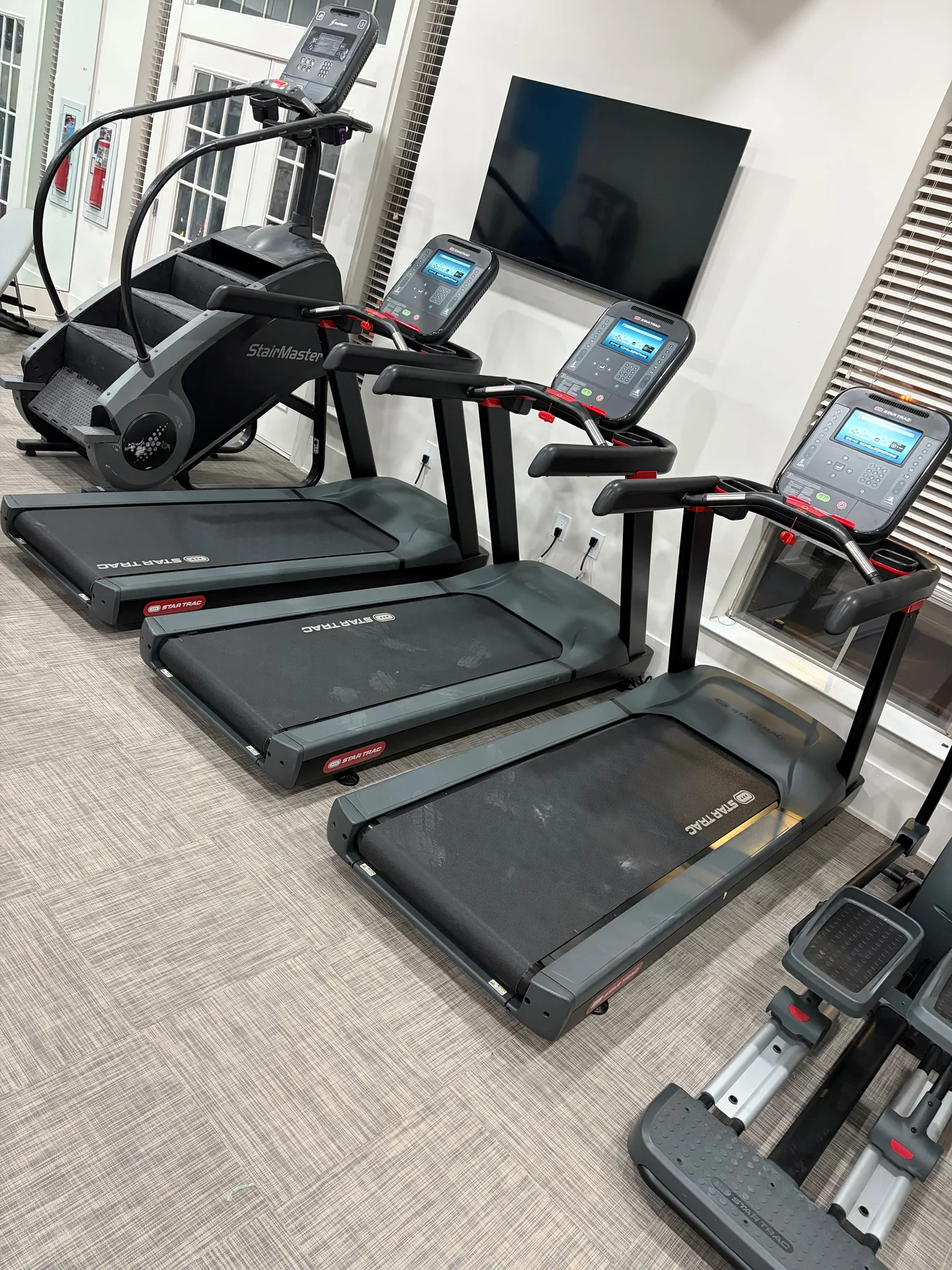
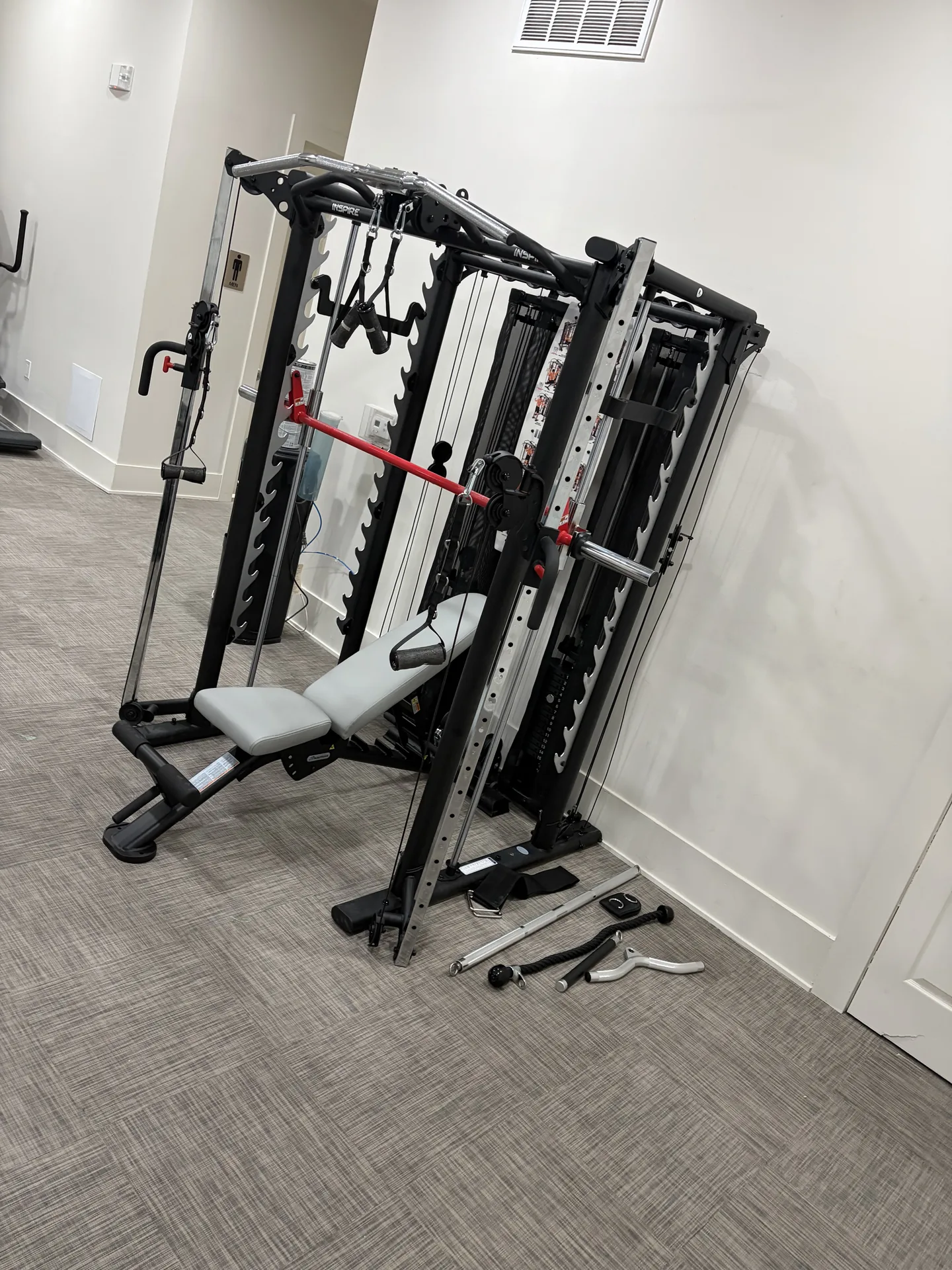
Fit Supply has designed, supplied and installed commercial fitness facilities in Pennsylvania including Philadelphia, Montoursville and Bristol. Work there runs to police departments, apartment and condominium communities, country clubs. The room is drawn to scale before any equipment is quoted, with the ADA clear floor space of 30 by 48 inches planned in rather than discovered.
Common questions about Pennsylvania projects
Does Fit Supply work in Pennsylvania?
Yes. We have supplied and installed commercial fitness facilities in Pennsylvania, including Philadelphia, Montoursville and Bristol. Facilities in surrounding communities are served from the same projects, so it is worth asking even if your market is not named. Coverage is confirmed per project, since some equipment lines carry territory arrangements.
What should a department consider before adding a fitness room?
Where it goes and how hard it will be used. IBC Table 1607.1 designs fitness areas for a 100 psf live load, so adding one to an existing municipal building is a change of use for the structural engineer. Rotating shifts also mean continuous use with no recovery window, which points to commercial rather than light-commercial equipment.
Why does our amenity room feel cramped with only a few machines?
Almost always circulation rather than piece count. ADA requires a 60 in diameter turning space and a 36 in minimum clear route width, and in a small room those consume more of the floor than people expect. A layout drawn to scale shows it immediately, which is why we draw before quoting.
What condition is your used equipment sold in?
In one of three clearly defined conditions. As-Is is sold with no service and no warranty, accepted in its present condition. Cleaned and Serviced means the moving and wear components have been inspected and lubricated, cleaned, calibrated or replaced as needed, cosmetics are not addressed, and it carries a 30-day parts-and-labor warranty. Remanufactured means returned to like-new working condition with a painted frame and replaced wear components, and carries a 90-day parts-and-labor warranty. Used sales are final, and stated model, age, hours and specifications are approximate.
Do you charge for gym layout and design?
It depends on the project, and it is confirmed in your quote rather than assumed. Fit Supply can consult on a design, produce the design itself, or do both — and where the equipment is purchased through us, design is frequently included. Ask when you request the quote and we will tell you exactly what applies to your project before you commit to anything.