

Our Work
Massachusetts Fitness Centers
- 2007designing and equipping fitness facilities since
- 30,000+commercial orders delivered
- 500+cities served
- 50+manufacturer partners
Installed in Massachusetts
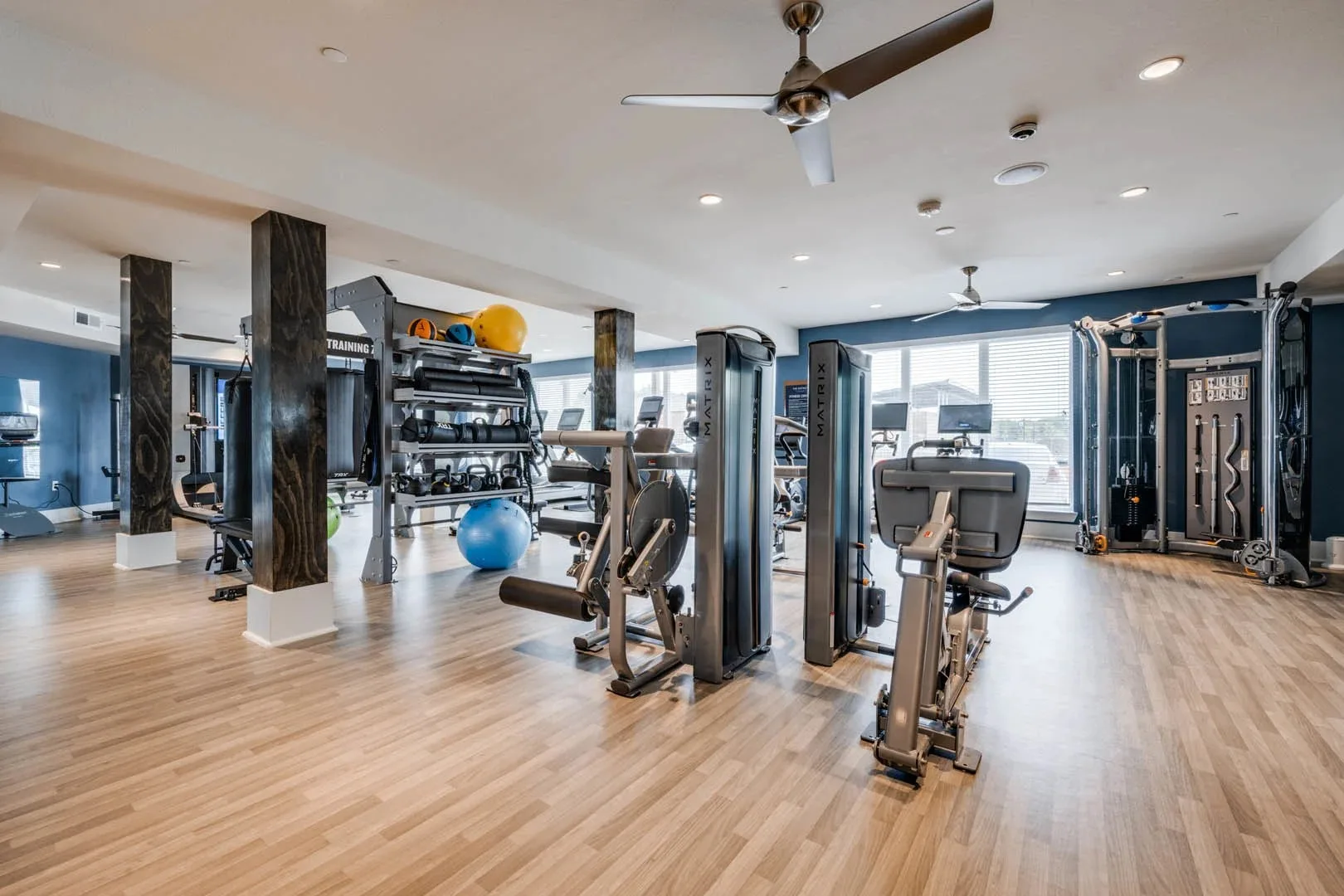
Commercial Fitness Facilities We Have Equipped in Massachusetts
Projects here run the same way they do anywhere: the room is measured and drawn to scale first, the equipment list follows from the layout, and delivery and installation are managed rather than left as a freight drop-off. Coverage is confirmed per project, since some equipment lines carry territory arrangements.
Markets we have equipped in Massachusetts
Waltham, Everett, Taunton and Malden. Facilities in the communities around them are served from the same projects, so it is worth asking even if your market is not named here.
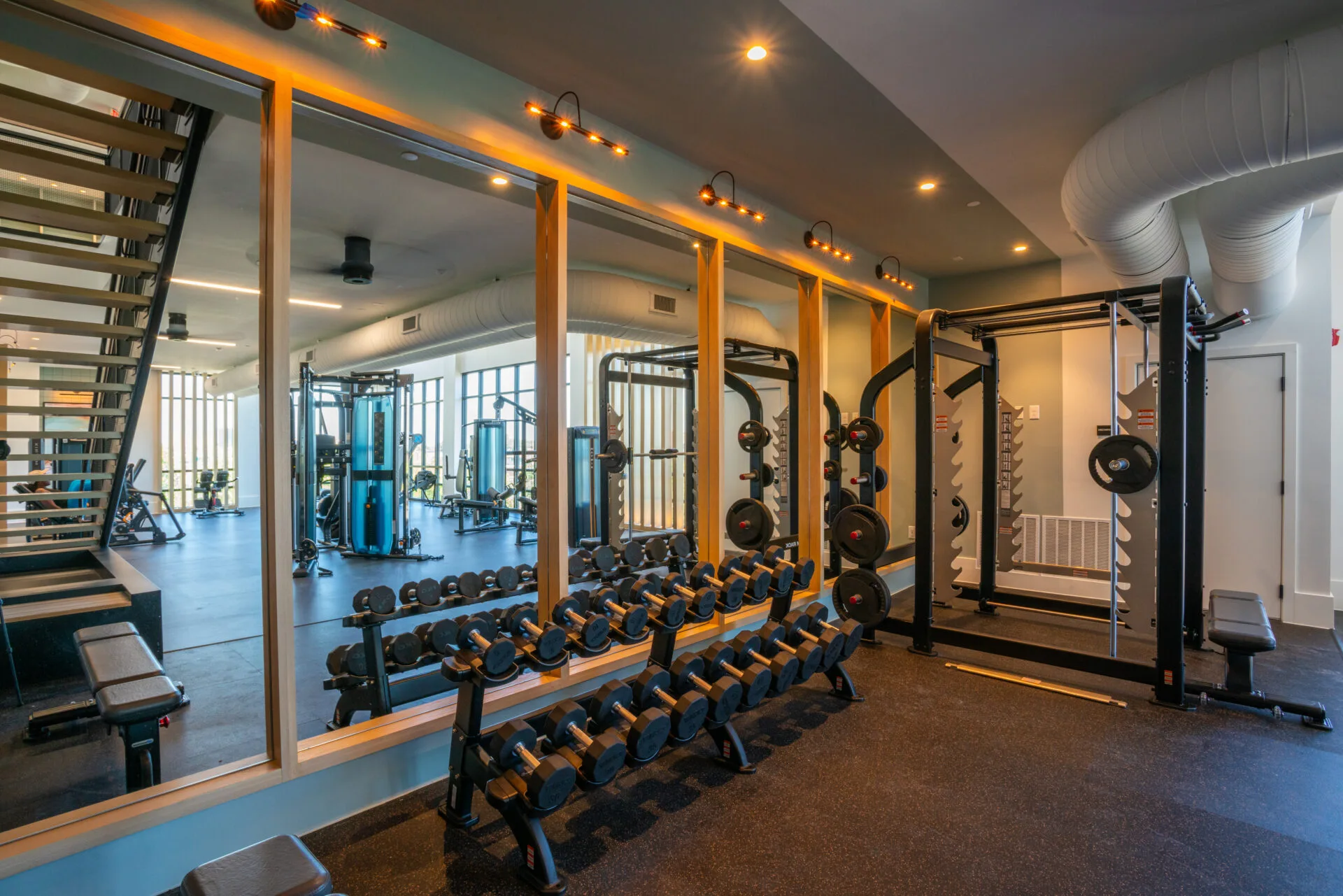
How a project runs, from drawing to installed room
-
The room is drawn before it is quoted
A layout to scale comes first, with ADA clearances, floor loading and power planned into it. Most of the work here is in apartment and condominium communities, and the equipment list follows from the room rather than the other way round.
-
One order, several manufacturers
Cardio, strength, flooring and accessories rarely come from one brand. We consolidate them into a single order and a single delivery date, so the room lands together.
-
Managed installation, wherever it is
Equipment is assembled, placed to the approved layout and function-tested on site by crews we manage or installers we work with — never a bare freight drop-off.
One scope, one team
Design, equipment and installation as one scope
Design and layout
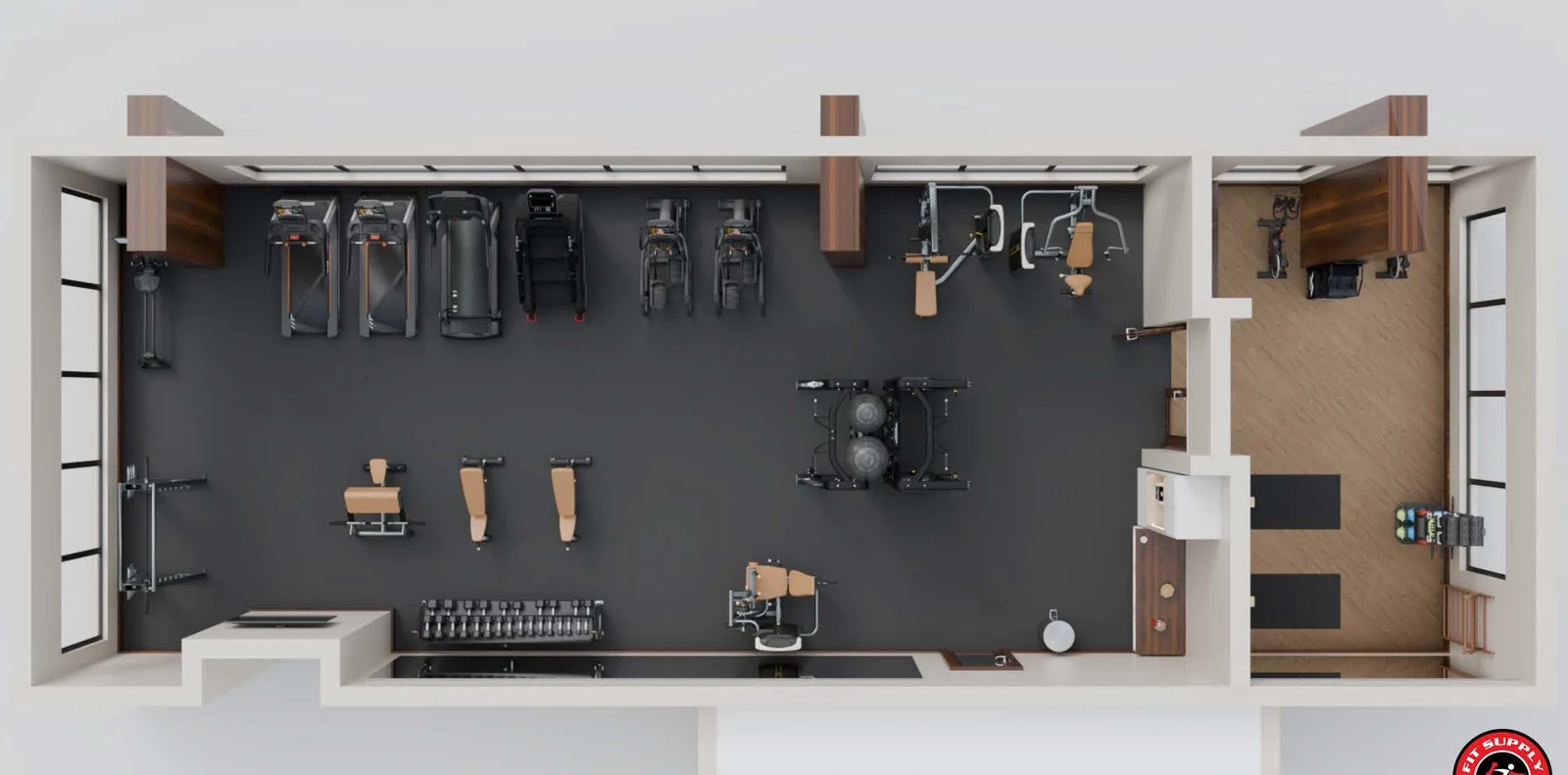
A layout drawn to scale before an equipment list exists, with ADA clearances, floor loading and power planned into it.
Equipment and flooring
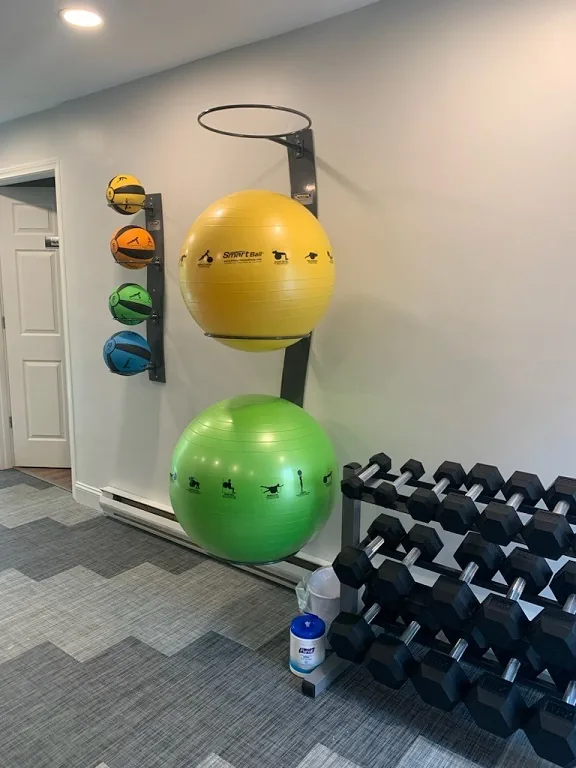
Cardio, strength and functional equipment from several manufacturers, plus flooring and mirrors, consolidated into one order and one delivery date.
Installation and after
Delivery, installation and function testing, then finance options, extended warranties and maintenance once the room is open.
The facilities we equip in Massachusetts
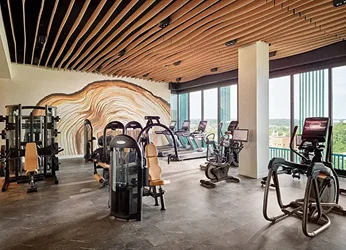
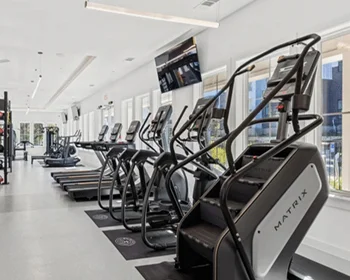
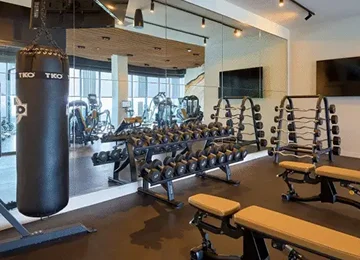
Apartment and condominium amenity rooms
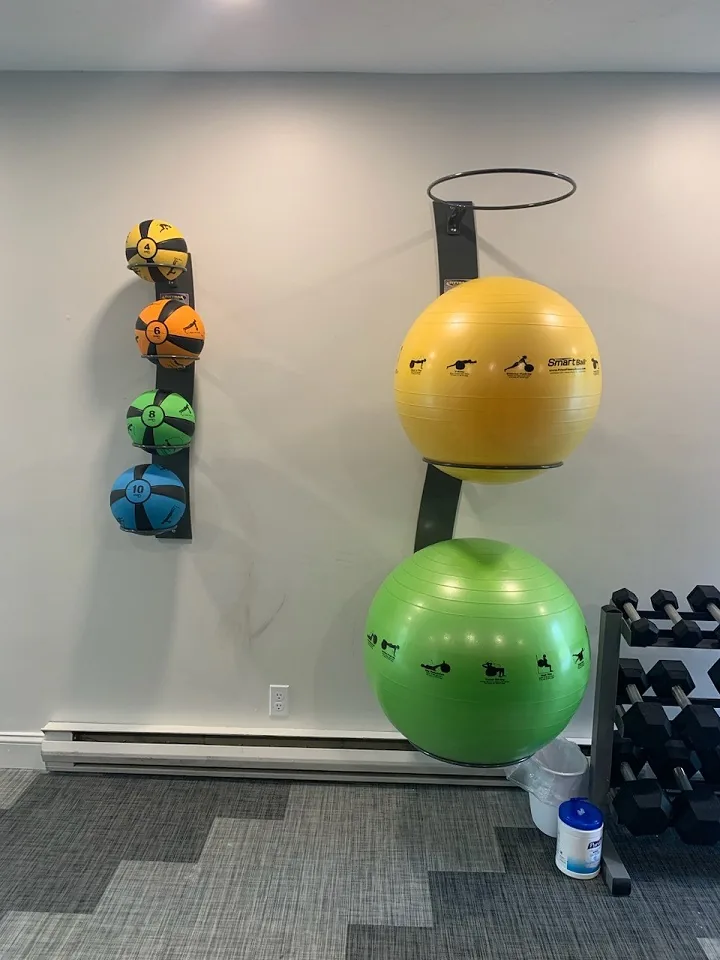
An amenity room tucked into an alcove or a clubhouse corner plays by different numbers, and the difference usually costs a machine. ADA requires a 30 by 48 in clear floor space for at least one of each TYPE of machine — but 36 by 48 in where that space is enclosed on three sides. With ACSM’s 25 to 50 sq ft per station already setting the overall count, that extra six inches in an enclosed bay is frequently what decides whether the last piece fits. Worth settling on the plan rather than on the delivery day. More on equipping apartment and condo fitness centers.
The rest of what we equip there
Those two are what Massachusetts orders most, not the limit of what we supply there. The same design, flooring, delivery and installation work covers every other facility type:
- schools and campus recreation
- fire, police and municipal gyms
- correctional facility fitness rooms
- YMCA and nonprofit gyms
- home and private training rooms
- student housing gyms
- HOA and property-managed gyms
- corporate fitness centers
- health clubs and training studios
- hotel and resort fitness rooms
- senior living fitness rooms
- medical and rehab training rooms
What decides the room before the equipment list

What the floor has to carry
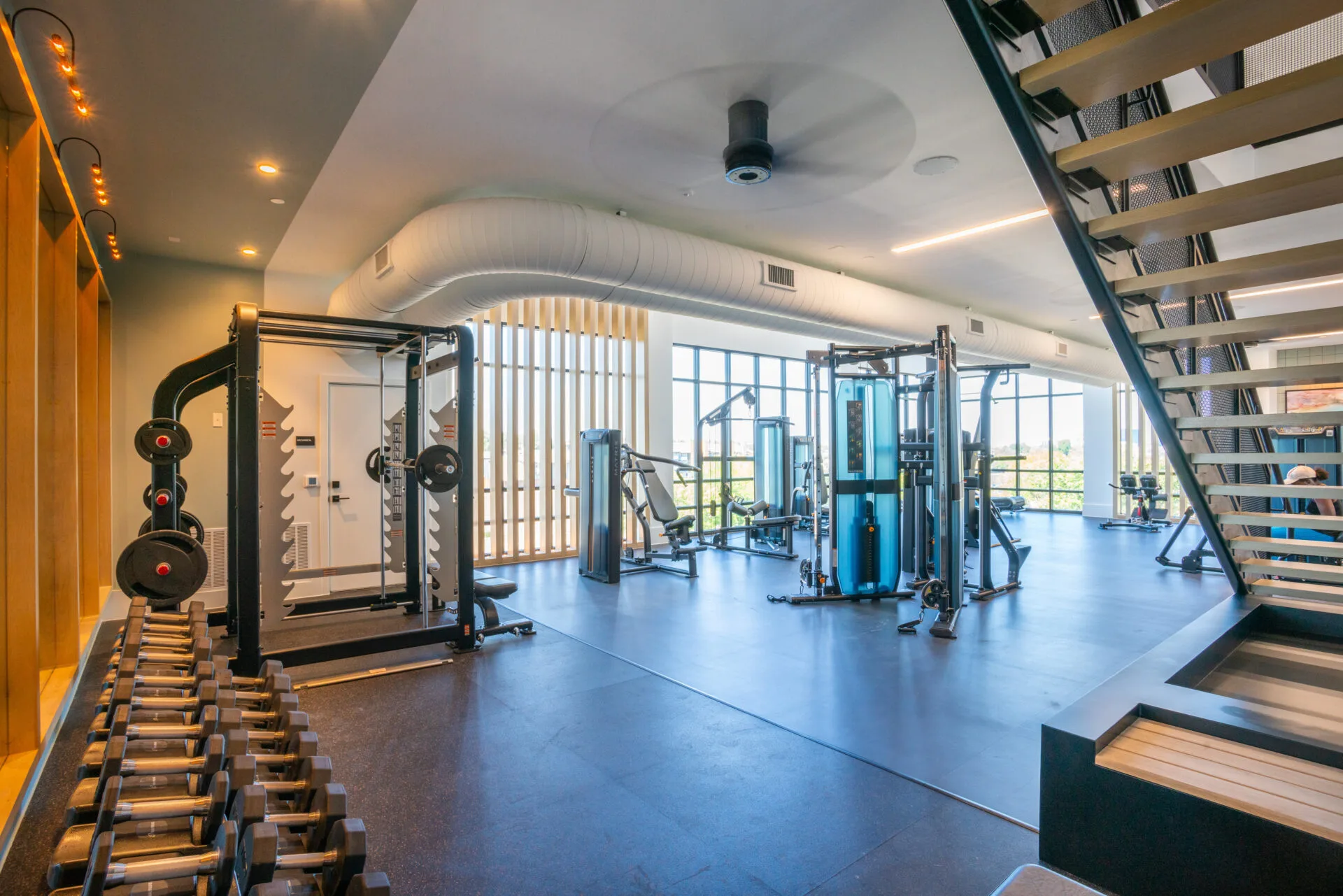
The structural question comes first on any conversion. IBC Table 1607.1 designs fitness areas for a 100 psf live load, against 40 psf for residential areas outside sleeping rooms and 30 psf for sleeping areas, and live loads over 100 psf may not be reduced. A room carved out of existing space is a change of use against that table — a question for the structural engineer rather than something to discover on delivery day.

Accessibility is scoped per machine type, not per machine
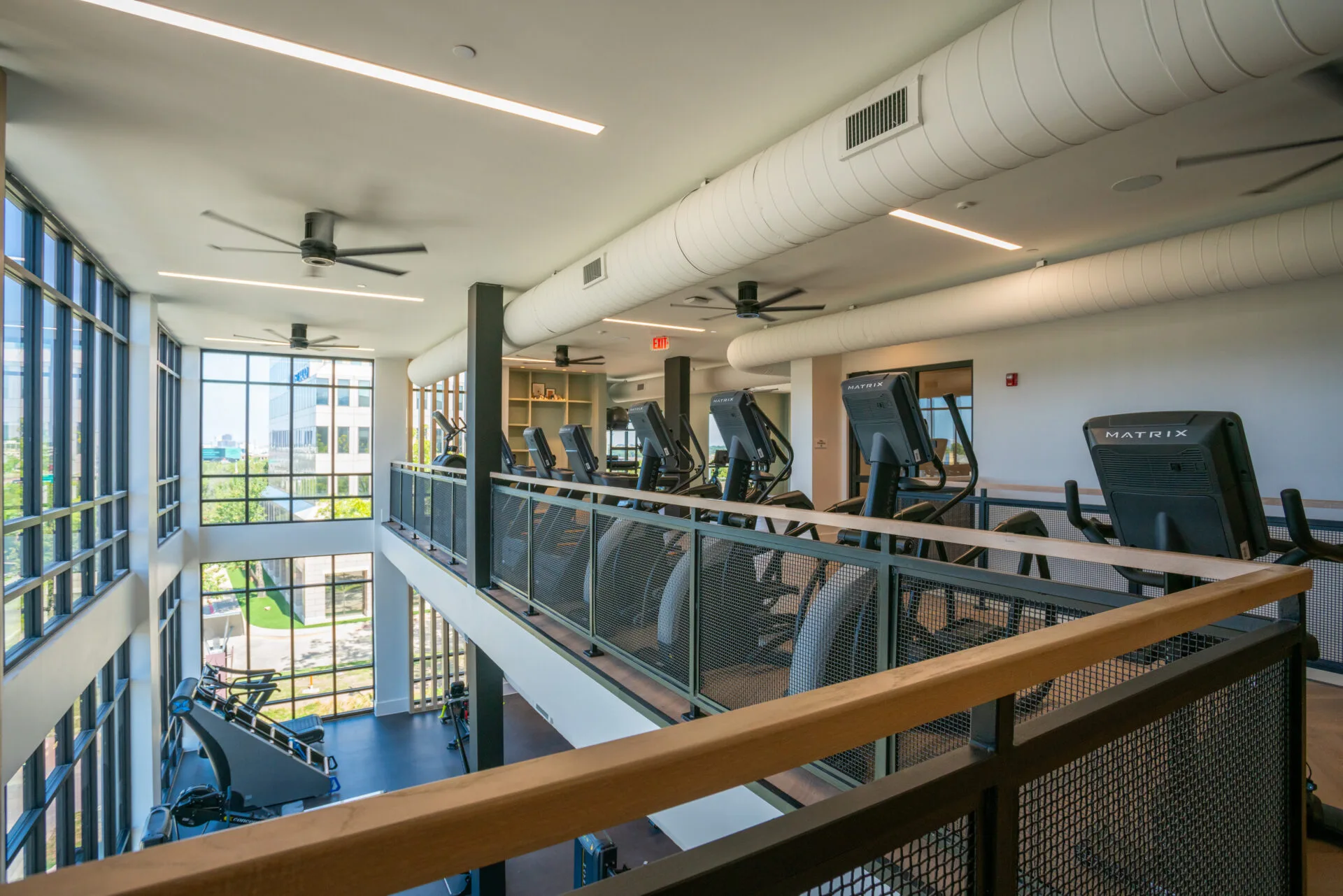
The most common misreading of the ADA Standards on a fitness floor is that every unit has to be accessible. It does not: the scoping requires at least one of each TYPE of exercise machine to have a 30 by 48 in clear floor space served by an accessible route, rising to 36 by 48 in where that space is enclosed on three sides. The clear space may overlap the route and sit in the aisle behind the machine, which is exactly what makes a dense floor achievable — provided the layout is drawn before the equipment is ordered.

New, refurbished and remanufactured
Used commercial equipment is sold in three conditions that are frequently conflated: as-is, cleaned and serviced, and fully remanufactured. Properly reconditioned commercial equipment routinely outlasts new light-commercial at a similar price, which lets a fixed budget cover more of the floor — and on a 100 psf fitness floor built for continuous duty, the frame matters more than the badge. Which condition suits a room depends on how hard it will be used and who is maintaining it; we will say which we would put in your room and why.
In short
Fit Supply has designed, supplied and installed commercial fitness facilities in Massachusetts including Waltham, Everett, Taunton and Malden. Work there runs to apartment and condominium communities. Delivery and installation are managed by us end to end rather than left as a freight drop-off, across 500+ cities.
Common questions about Massachusetts projects
Does Fit Supply work in Massachusetts?
Yes. We have supplied and installed commercial fitness facilities in Massachusetts, including Waltham, Everett, Taunton and Malden. Facilities in surrounding communities are served from the same projects, so it is worth asking even if your market is not named. Coverage is confirmed per project, since some equipment lines carry territory arrangements.
Does an alcove or recessed bay change the clearance we need?
Yes. ADA requires a 30 by 48 in clear floor space for at least one of each TYPE of machine, but where that space is enclosed on three sides it becomes 36 by 48 in. In an alcove layout that difference frequently decides whether the last piece fits, which is a reason to settle the plan before the order.
What if my space is not ready when the equipment arrives?
Tell us as early as you can and we will re-sequence rather than deliver into an unfinished room. Where product is held at your request more than ten days past the installation date, a storage fee applies; held beyond thirty days, a 25% restocking fee applies as well. Those are the contract terms, and they exist because held equipment occupies warehouse space and gets handled twice. A date moved a week ahead of time normally costs nothing; a truck turned away on the day does.
What are the lead times on commercial gym equipment?
Anywhere from in stock to roughly six months, depending entirely on what is ordered. Most cardio and most stock strength runs about two weeks. Accessories and HIIT products are typically one to two weeks. Custom strength is the long pole: custom colors, a different paint process or bespoke upholstery generally runs six to twelve weeks, and fully custom lines such as Atlantis, Gym80 or Panetta can reach six months. Lead time is the thing most likely to move your opening date, so it is worth settling early.
Can I cancel or return equipment after I order it?
It depends what it is. Custom and modified products cannot be cancelled, returned, rescheduled or refused, and they require full payment up front. Standard stock products can be returned only with our prior written authorization, in new and resalable condition in the original packaging, at your expense and risk, and are subject to a 25% restocking charge. After a proposal is executed, cancellation carries a 25% fee of the proposal total. This is why we would rather spend the extra day on the layout than have you order twice.