

Our Work
Maryland Fitness Centers
- 2007designing and equipping fitness facilities since
- 30,000+commercial orders delivered
- 500+cities served
- 50+manufacturer partners
Installed in Maryland
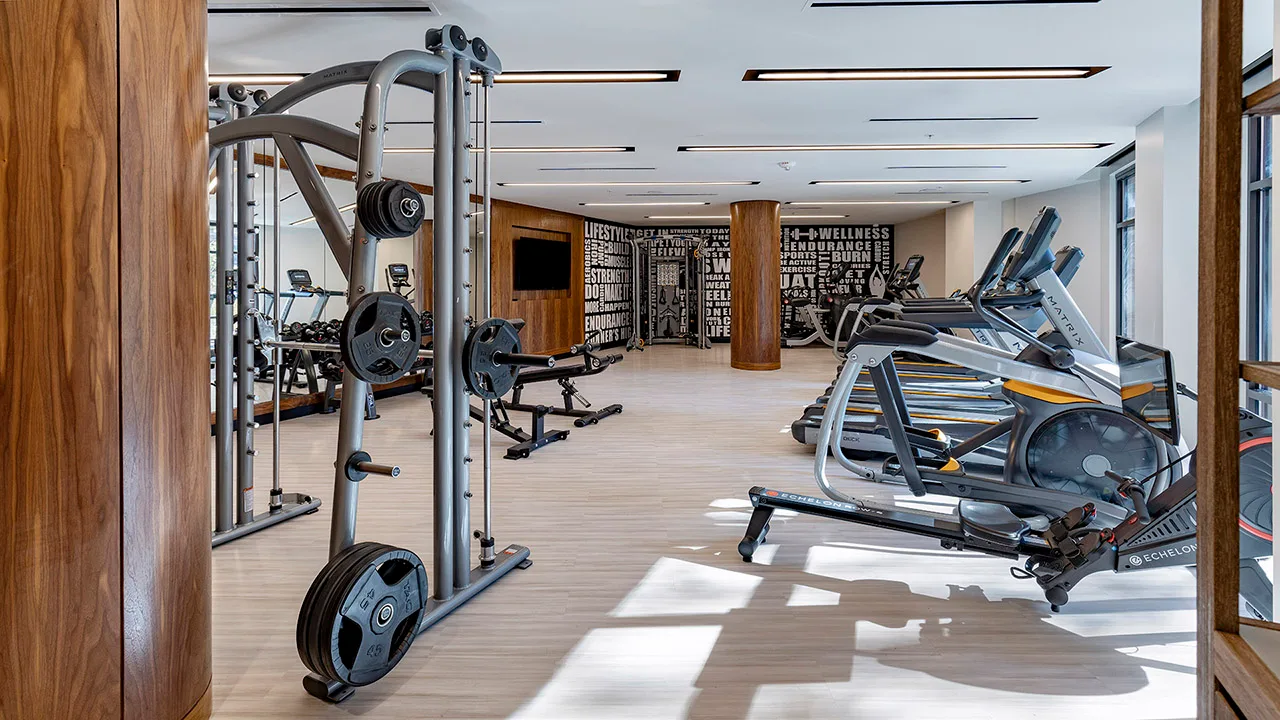
2 photos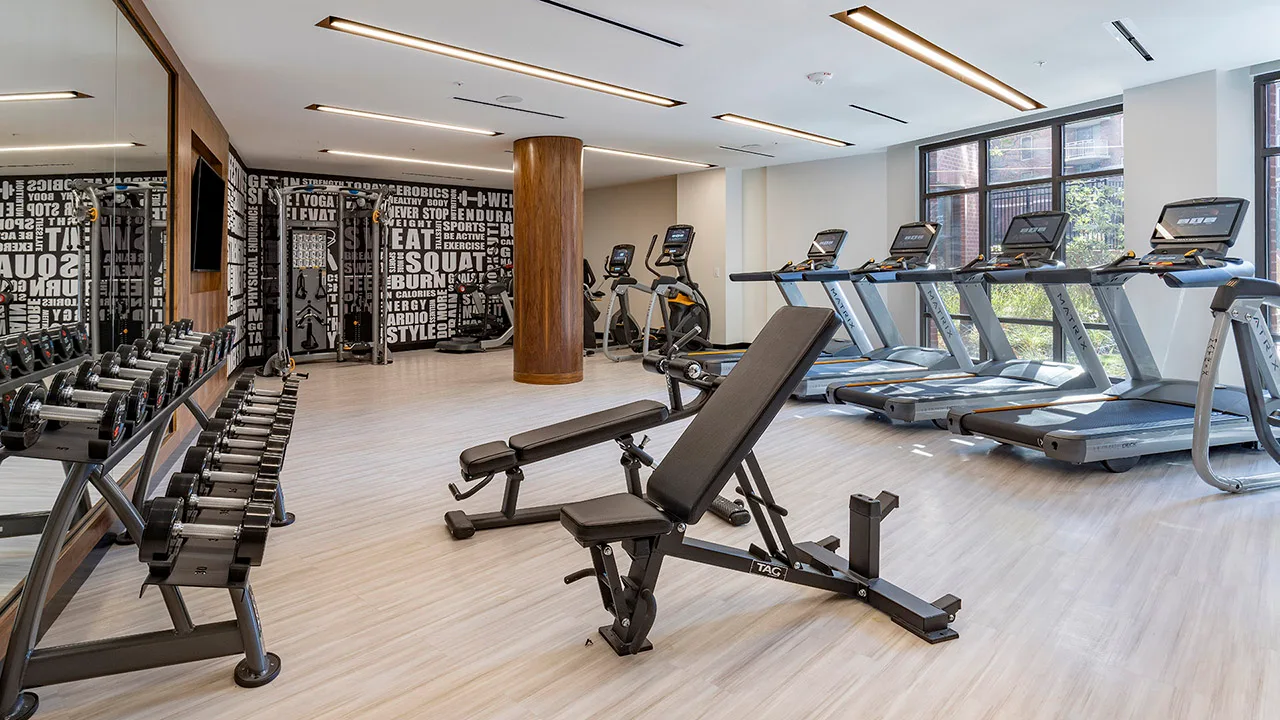
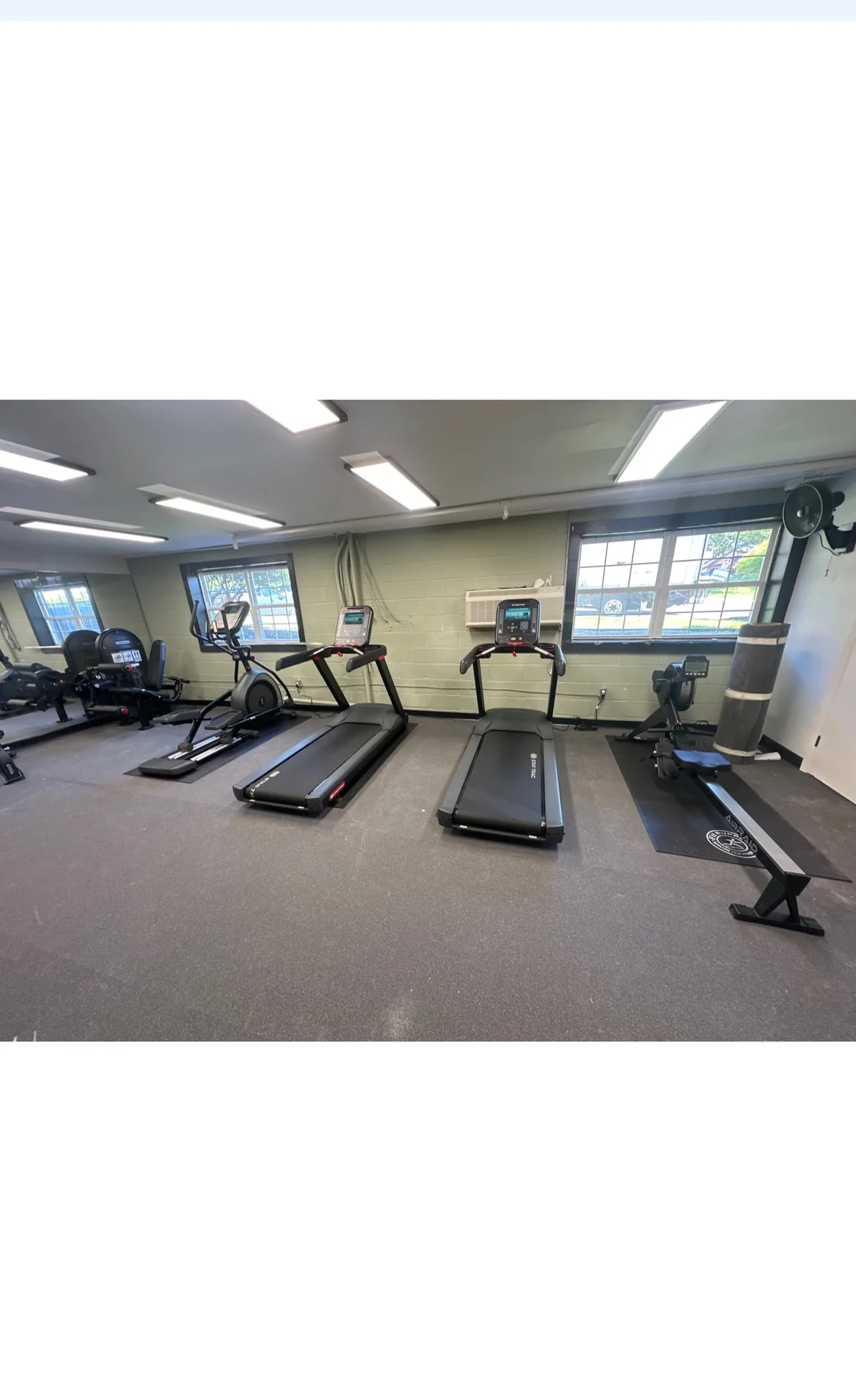 10 photos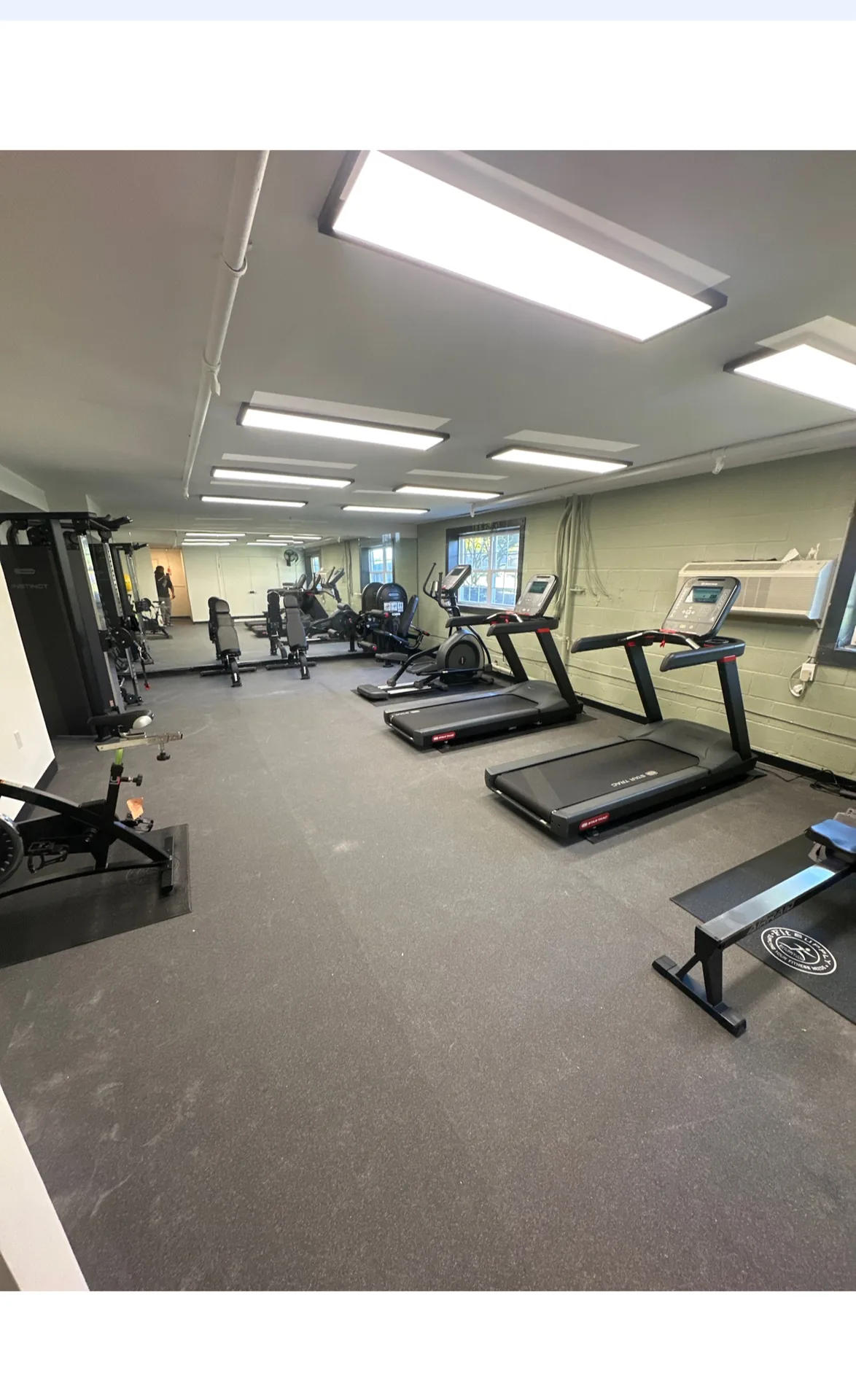
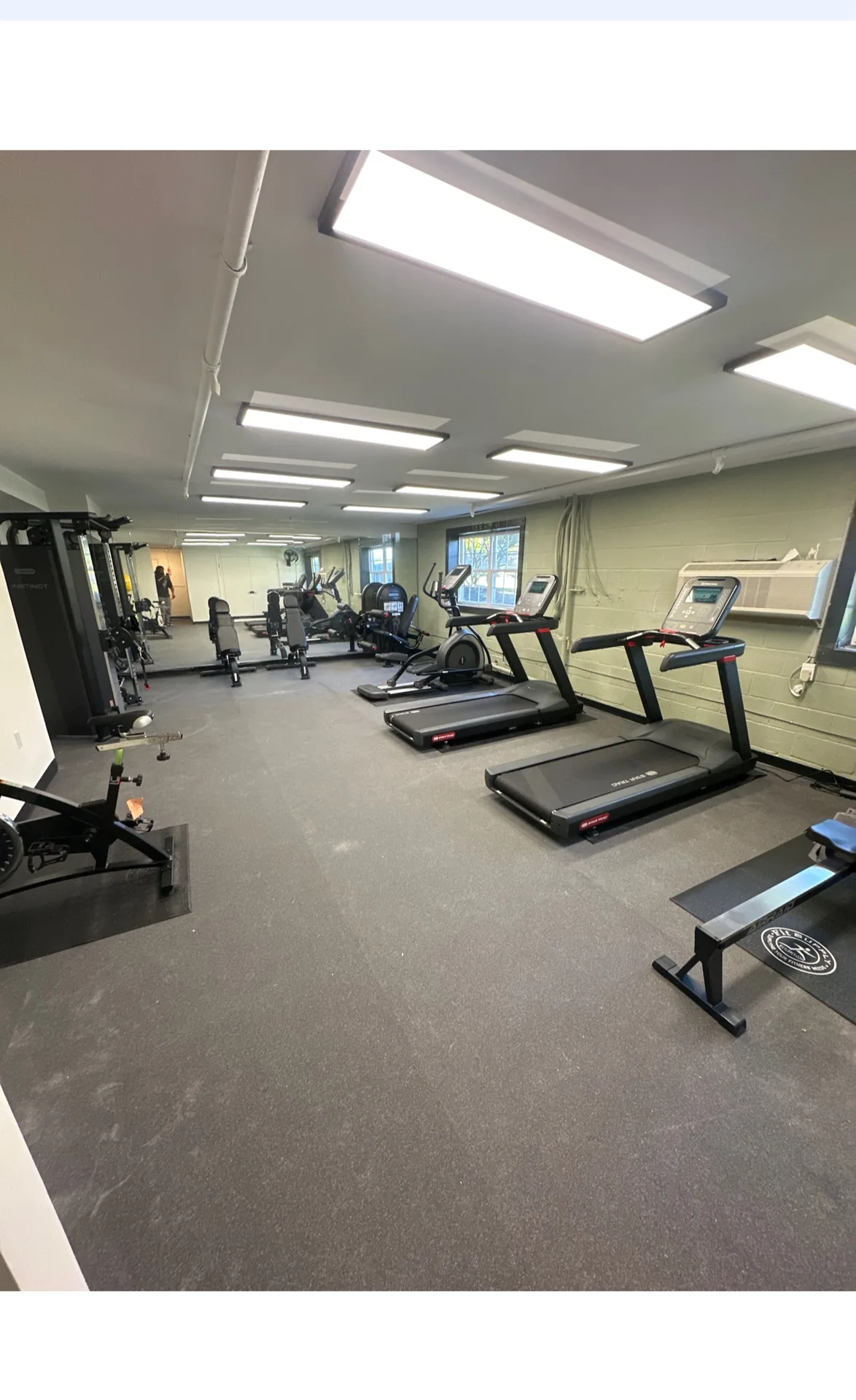
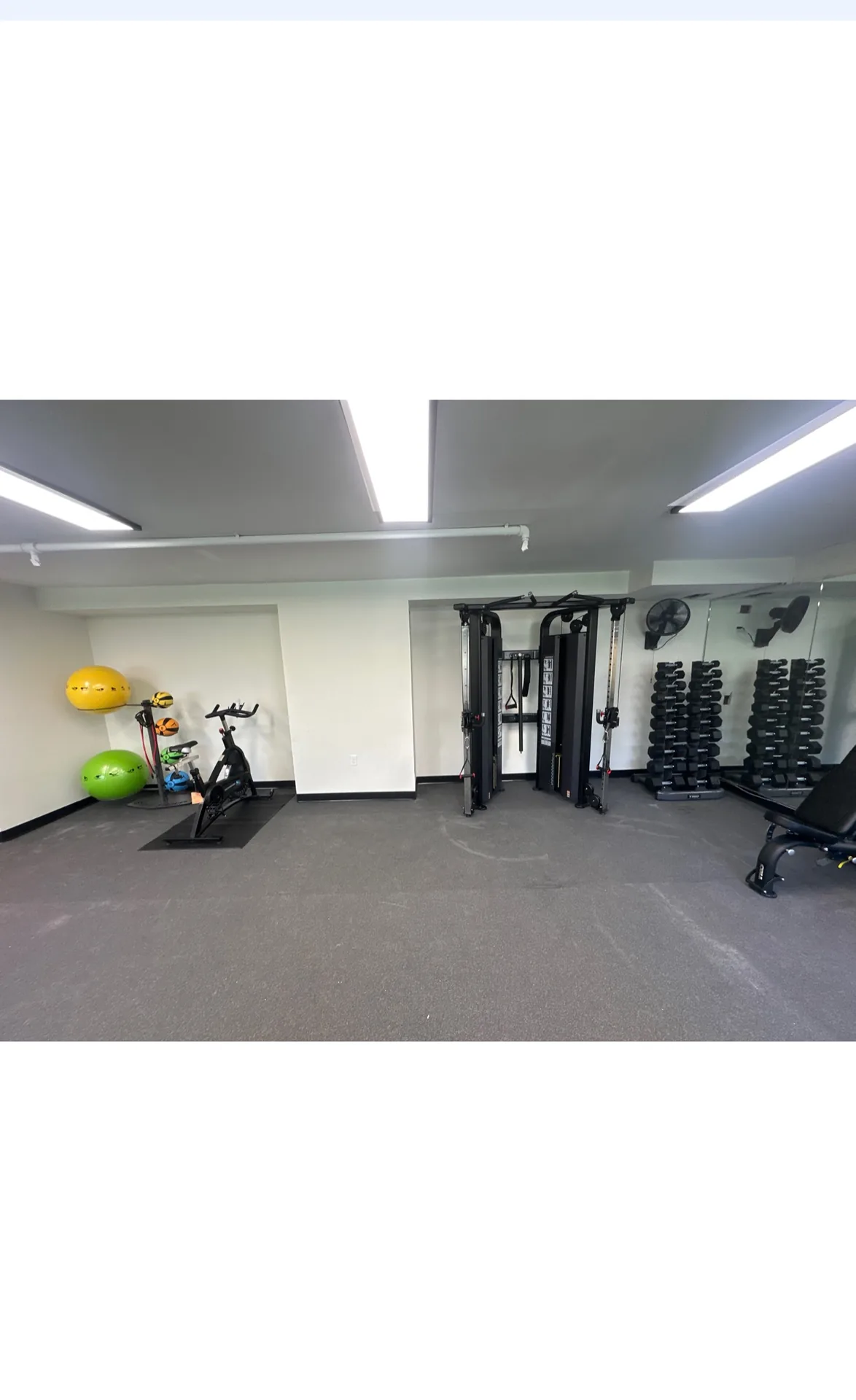
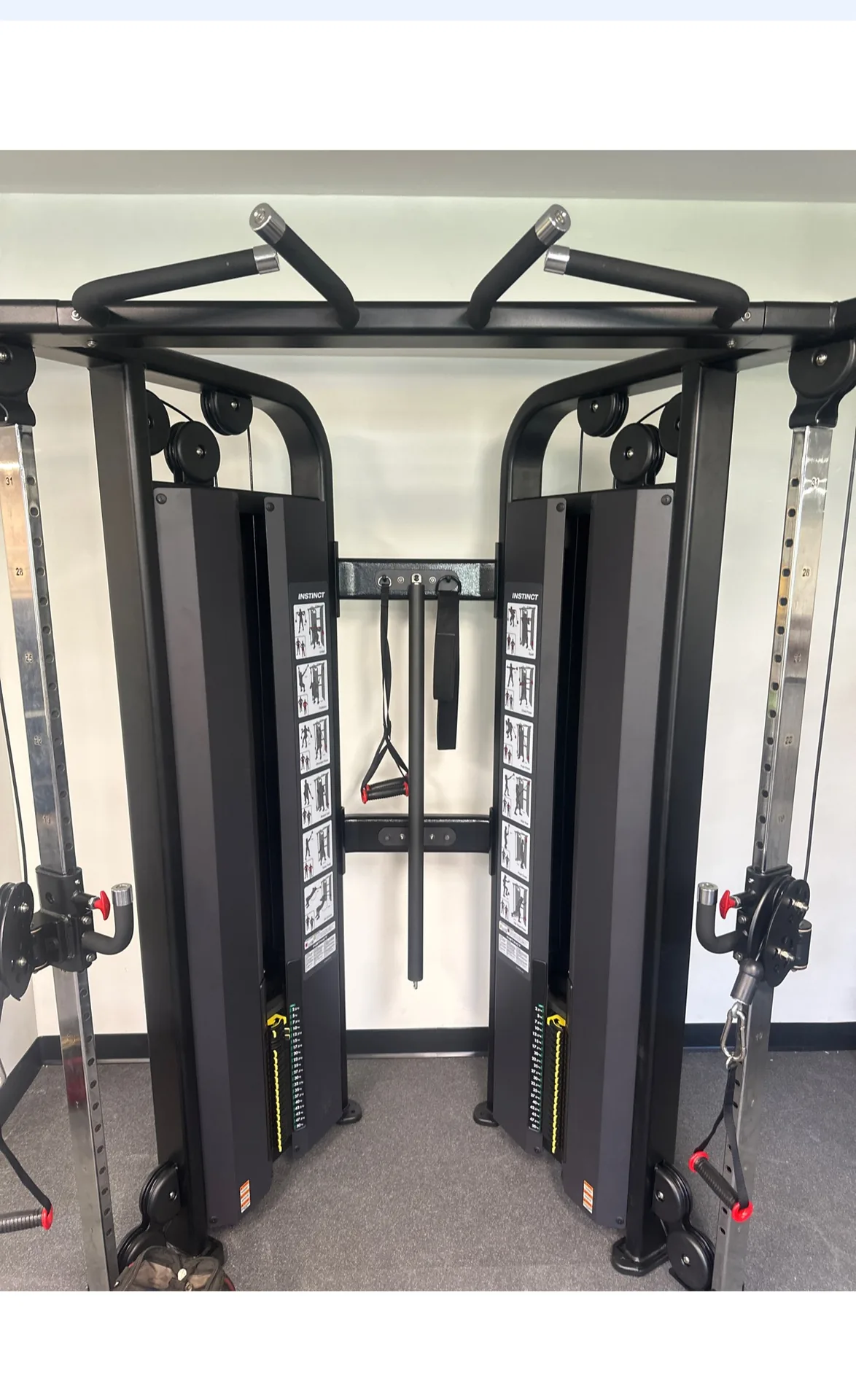
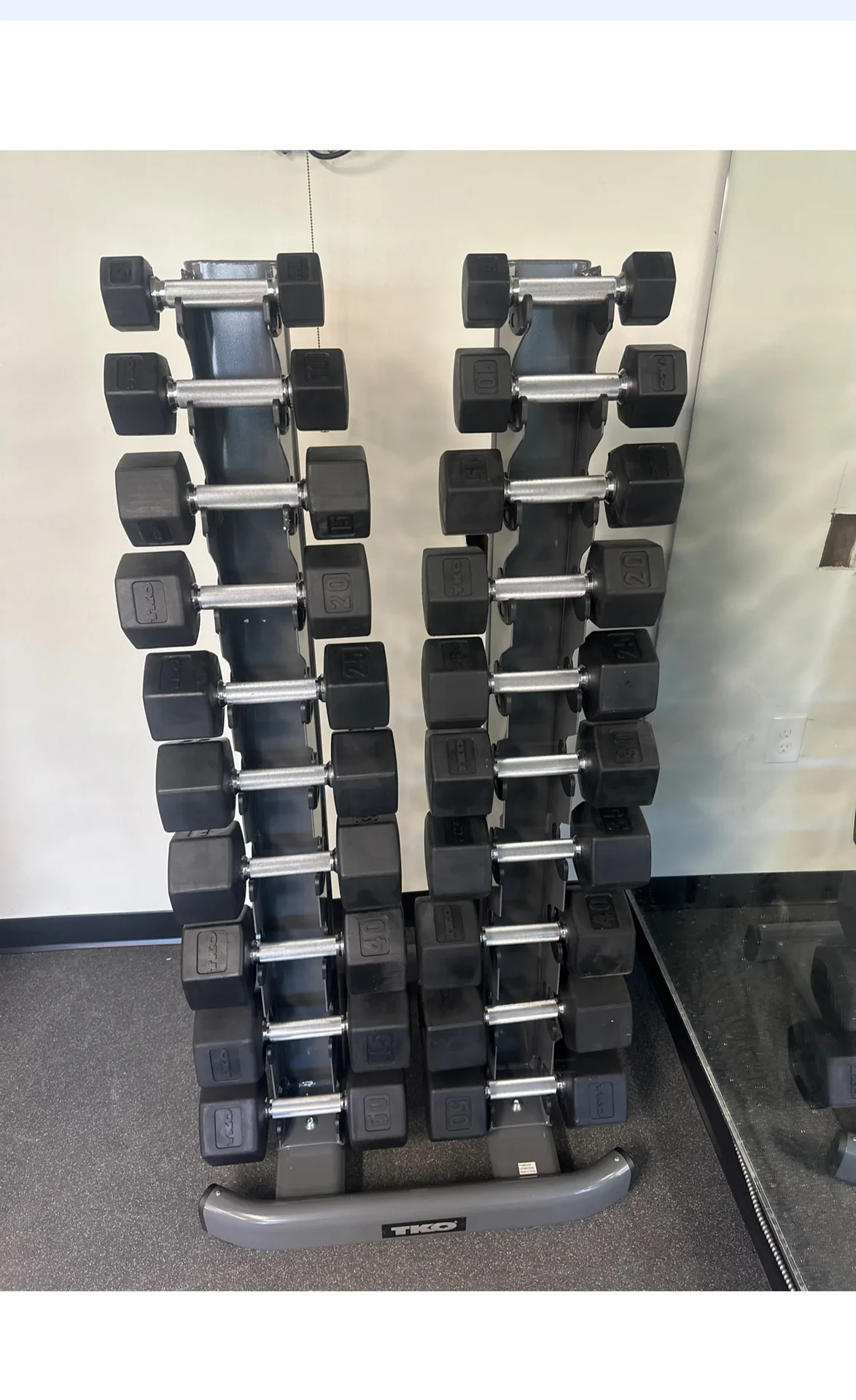
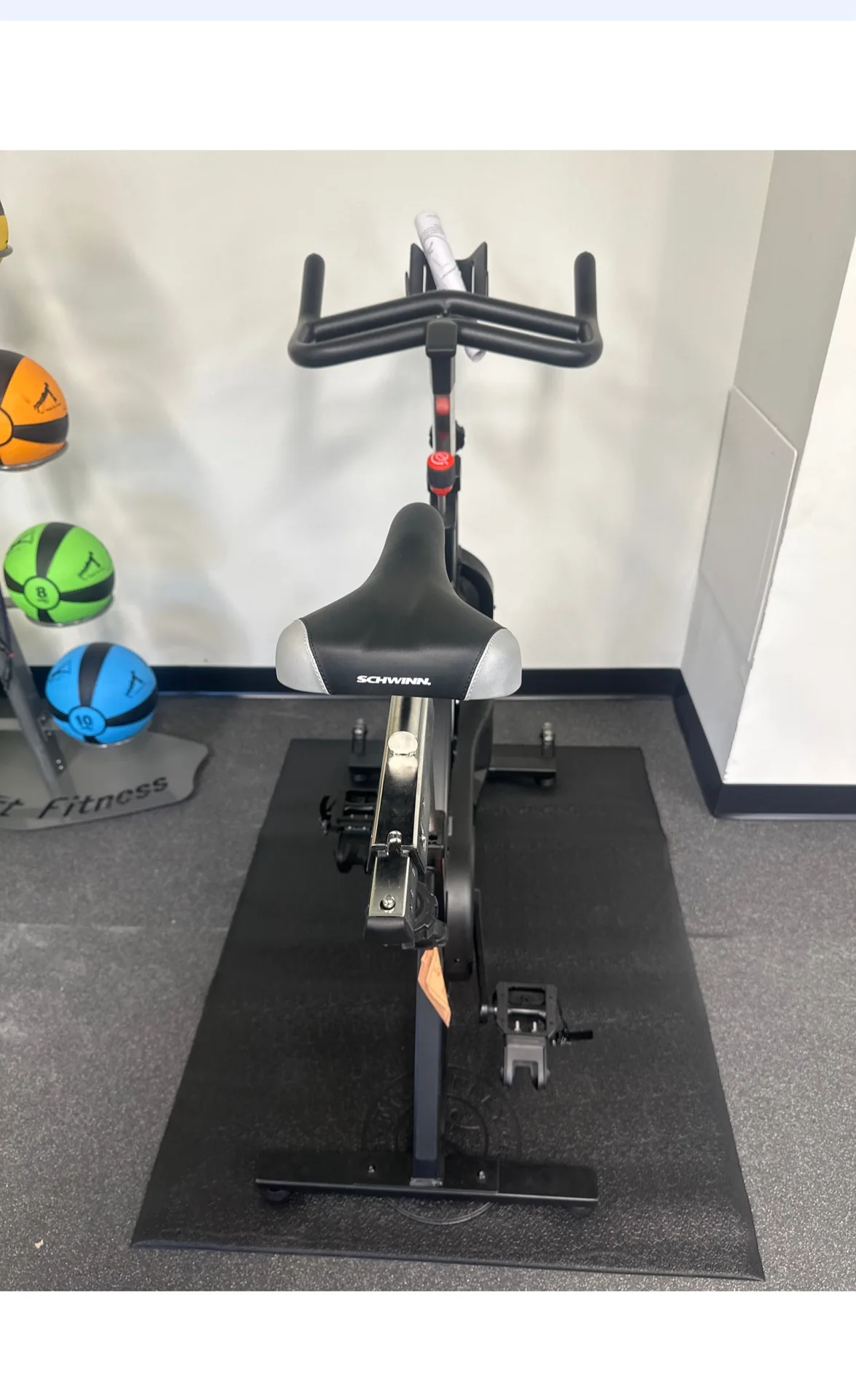
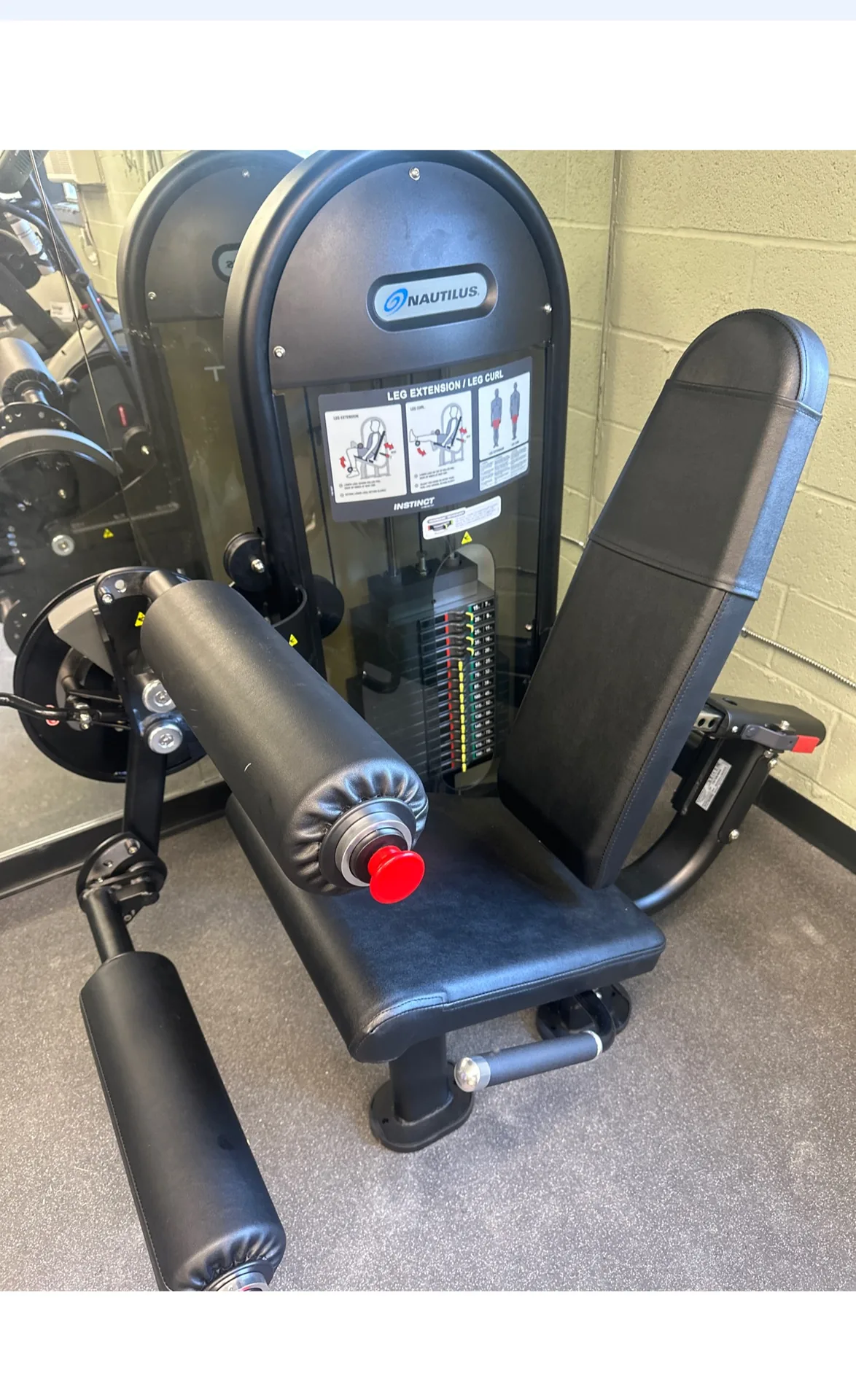
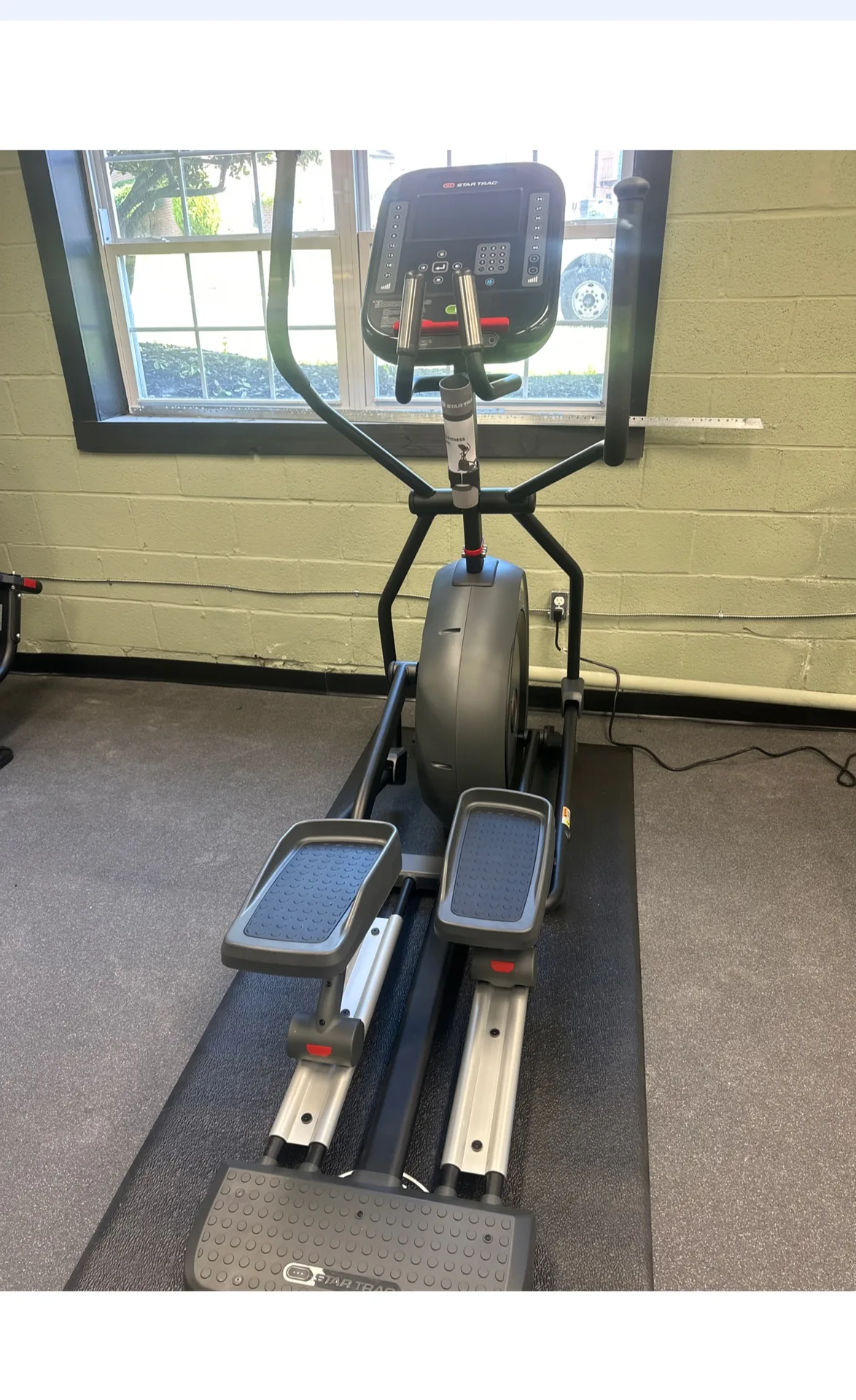
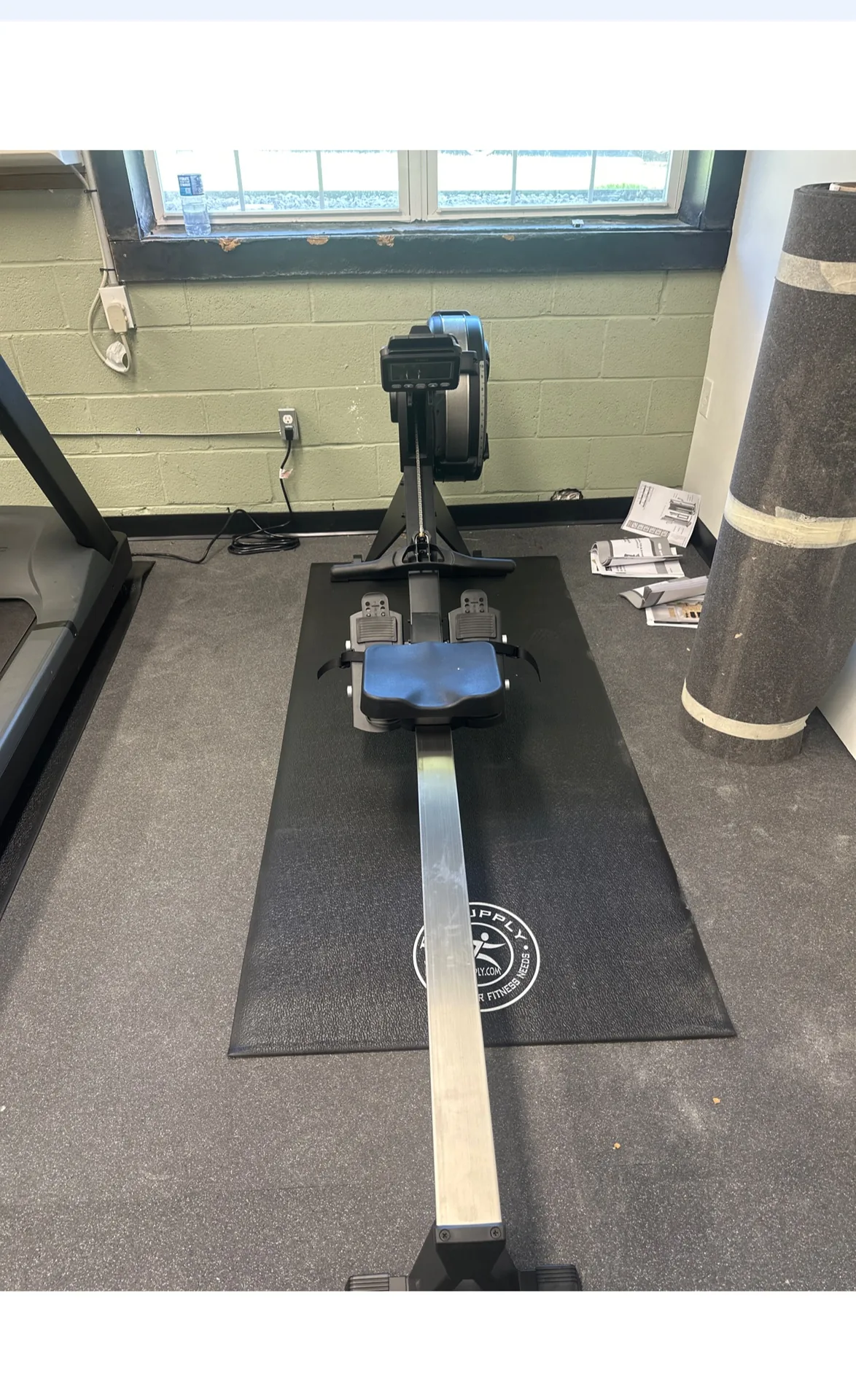
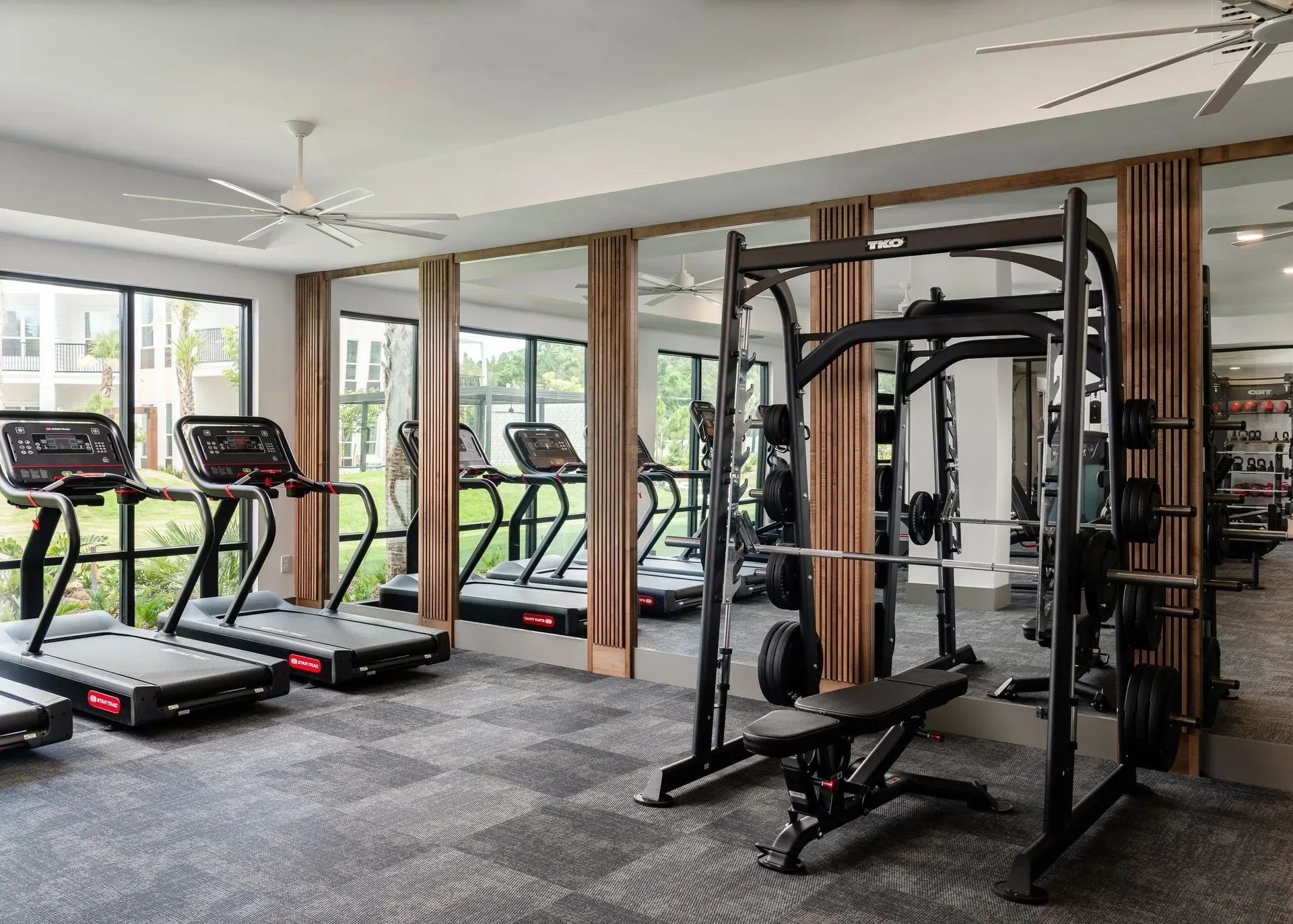
Commercial Fitness Facilities We Have Equipped in Maryland
Projects here run the same way they do anywhere: the room is measured and drawn to scale first, the equipment list follows from the layout, and delivery and installation are managed rather than left as a freight drop-off. Coverage is confirmed per project, since some equipment lines carry territory arrangements.
Markets we have equipped in Maryland
Baltimore, Ellicot, Bethesda, Nottingham, Owings Mills and Frederick. Facilities in the communities around them are served from the same projects, so it is worth asking even if your market is not named here.
How a project runs, from drawing to installed room
-
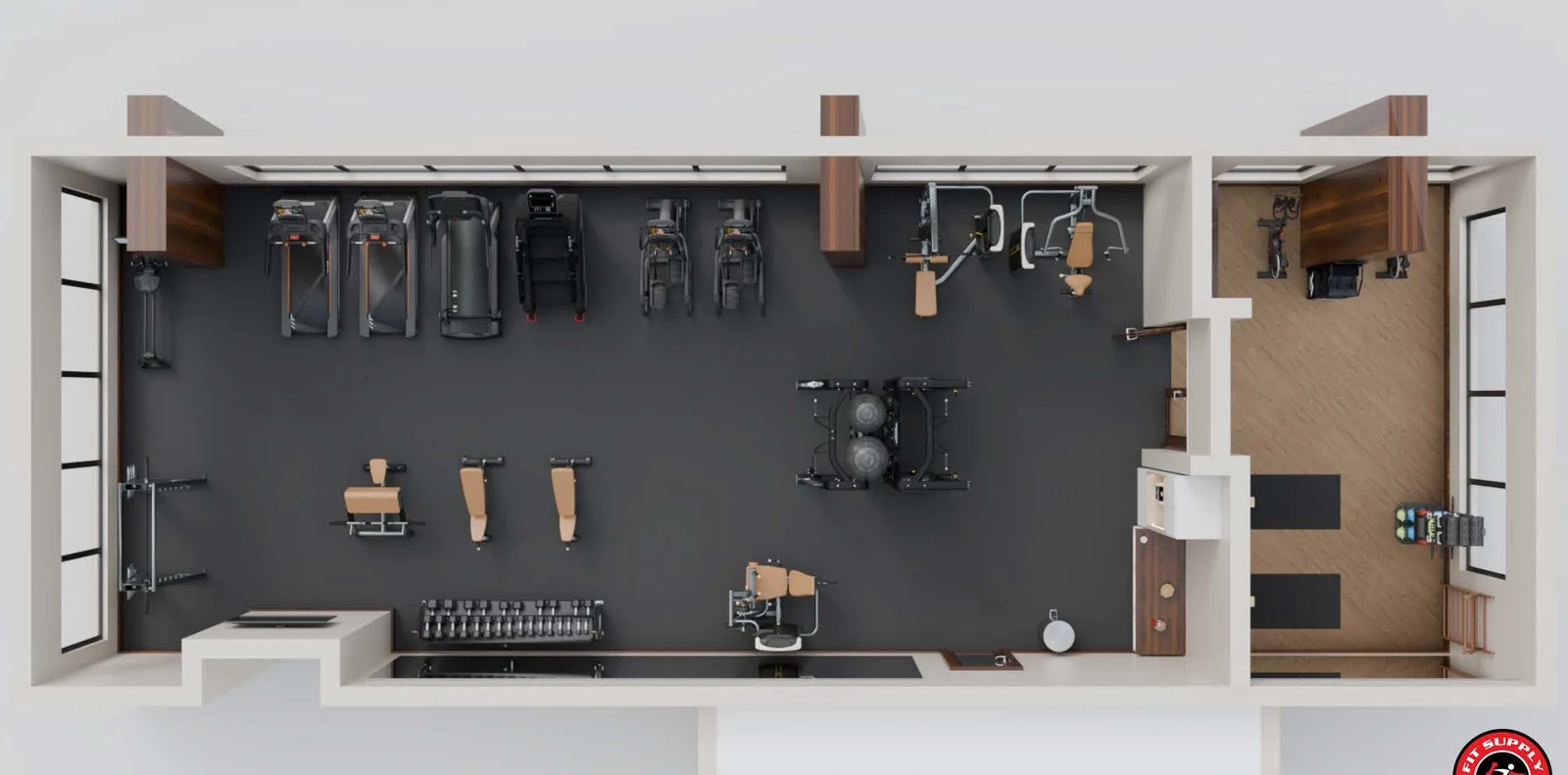
The room is drawn before it is quoted
A layout to scale comes first, with ADA clearances, floor loading and power planned into it. Most of the work here is in apartment and condominium communities, health clubs and gyms, and the equipment list follows from the room rather than the other way round.
-
One order, several manufacturers
Cardio, strength, flooring and accessories rarely come from one brand. We consolidate them into a single order and a single delivery date, so the room lands together.
-
Managed installation, wherever it is
Equipment is assembled, placed to the approved layout and function-tested on site by crews we manage or installers we work with — never a bare freight drop-off.
One scope, one team
Design, equipment and installation as one scope
Design and layout
A layout drawn to scale before an equipment list exists, with ADA clearances, floor loading and power planned into it.
Equipment and flooring
Cardio, strength and functional equipment from several manufacturers, plus flooring and mirrors, consolidated into one order and one delivery date.
Installation and after
Delivery, installation and function testing, then finance options, extended warranties and maintenance once the room is open.
The facilities we equip in Maryland
Apartment and condominium amenity rooms
Noise complaints from the apartments around the gym are the fastest way for an amenity to become a management problem, and the floor is where that is won or lost. ASTM F2772 treats force reduction, vertical deformation, ball bounce and surface friction as measured properties of an indoor sports floor, which means a free-weight corner and a cardio row can legitimately be built up differently. Zoning the floor that way is normally cheaper than running the heaviest specification wall to wall, and it is the decision that keeps the residents above from calling. More on equipping apartment and condo fitness centers.
Health clubs and training studios
A club floor that looks full on paper and feels congested at 6pm has usually been planned on total square footage instead of throughput. The number that governs is per station: ACSM allows 25 to 50 sq ft, and where a piece lands in that spread is the difference between a plate-loaded row needing access on both sides and a cardio piece against a wall. Circulation is a separate budget again, with ADA setting the accessible route at a 36 in minimum clear width. Members experience that arithmetic every visit, which is why we settle it on a drawing. More on health club equipment and design.
The rest of what we equip there
Those two are what Maryland orders most, not the limit of what we supply there. The same design, flooring, delivery and installation work covers every other facility type:
- senior living fitness rooms
- medical and rehab training rooms
- schools and campus recreation
- fire, police and municipal gyms
- correctional facility fitness rooms
- YMCA and nonprofit gyms
- home and private training rooms
- student housing gyms
- HOA and property-managed gyms
- corporate fitness centers
- hotel and resort fitness rooms
What decides the room before the equipment list

Access, doors and circulation
Getting equipment into a room is a survey item, not an assumption. ADA sets a 32 in minimum clear door opening, measured between the face of the door and the stop with the door open 90 degrees, rising to 36 in where the opening is deeper than 24 in, with a 36 in minimum clear route width and a 60 in diameter circular turning space. A nominal 3 ft leaf does not yield 36 in, which is the detail that catches renovations.

Accessibility is scoped per machine type, not per machine
The most common misreading of the ADA Standards on a fitness floor is that every unit has to be accessible. It does not: the scoping requires at least one of each TYPE of exercise machine to have a 30 by 48 in clear floor space served by an accessible route, rising to 36 by 48 in where that space is enclosed on three sides. The clear space may overlap the route and sit in the aisle behind the machine, which is exactly what makes a dense floor achievable — provided the layout is drawn before the equipment is ordered.

Designing for the peak, not the average
Usage is not evenly distributed, and the shape of the peak differs by facility type — a corporate room concentrates before work, at lunch and immediately after; student housing loads into a narrow evening window; a fire or police station is used across every shift and never really recovers. ACSM allows 25 to 50 sq ft per station, so the real decision is which pieces to duplicate rather than how many categories to cover. Breadth that sits idle is a poor trade against depth on whatever actually queues.
In short
We have equipped commercial fitness facilities across Maryland including Baltimore, Ellicot, Bethesda and Nottingham, from the layout drawing through to the installed room. Work there runs to apartment and condominium communities, health clubs and gyms. Cardio, strength and flooring are consolidated into one order from 50+ manufacturer partners, on a single delivery date.
Common questions about Maryland projects
Does Fit Supply work in Maryland?
Yes. We have supplied and installed commercial fitness facilities in Maryland, including Baltimore, Ellicot, Bethesda, Nottingham and Owings Mills. Facilities in surrounding communities are served from the same projects, so it is worth asking even if your market is not named. Coverage is confirmed per project, since some equipment lines carry territory arrangements.
How do we stop the gym disturbing the apartments around it?
Mostly through the floor build-up and where the free weights go. ASTM F2772 treats force reduction, vertical deformation, ball bounce and surface friction as measured properties, so the drop area can be specified differently from the rest of the room. Placing the heaviest use away from shared walls and bedrooms does the rest, which is a layout decision made early or not at all.
Should the whole gym have the same flooring?
Rarely. ASTM F2772 treats floor performance as measured properties — force reduction, vertical deformation, ball bounce and surface friction — and a free-weight drop zone, a turf lane and a group studio each need different values. We specify by zone, which usually costs less than taking the heaviest specification across the whole floor.
Do you keep title to the equipment until it is paid for?
Yes. Title remains with Fit Supply until we are paid in full, and our terms grant a purchase-money security interest under the Uniform Commercial Code in the products and their proceeds. In normal circumstances no buyer ever encounters this — it exists so that unpaid equipment does not simply become someone else’s asset, and it is a standard protection for a supplier who orders equipment against a deposit. It does not affect your use of the equipment once the invoice is settled.
Is there a minimum order?
No. Fit Supply will sell a single set of dumbbells, one treadmill, or an entire facility. There is no minimum order value and no requirement to buy a package.