

Texas
What a TAS Review Means for a Texas Fitness Build
The $50,000 Threshold, the RAS, and When to Register
Texas adds a layer that catches out-of-state teams, and it applies to a fitness build-out as much as to any other commercial work.
The threshold and the process
Texas has its own accessibility standards — the Texas Accessibility Standards, administered by TDLR — alongside the federal ADA requirements. For public and commercial projects with an estimated construction cost of $50,000 or more, the project must be registered with TDLR, the construction documents must be reviewed by a Registered Accessibility Specialist before construction, and the same RAS performs a final inspection once the work is complete.
Registration is due within 30 days of submitting for permit. Projects under the threshold still have to meet the standards; they simply skip the formal state review.
Confirm the current requirements with TDLR or your architect for your specific project — thresholds and procedures are set by the state, not by us, and this is a summary rather than a compliance opinion.
Why it matters on a fitness room specifically
Because a fitness room is unusually easy to get wrong in a way that a plan review will catch. The equipment clearances are not the same as ordinary circulation clearances, and they are frequently the last thing considered. At least one of each type of machine needs a 30-by-48-inch clear floor space on an accessible route; that space grows to 36 by 48 inches where it is enclosed on three sides; routes are 36 inches minimum and a turning circle is 60 inches.
A layout that hits its equipment count by consuming those clearances will fail a review, and by then the room is built and the equipment ordered.
What the reviewer is actually looking at
On a fitness room the review turns on a short list, and it is worth knowing it before the drawings go in. Is there an accessible route into and through the space, at least 36 inches wide? Is there a 60-inch turning circle where one is needed? Does at least one of each type of equipment have a 30-by-48-inch clear floor space connected to that route — 36 by 48 inches where the space is enclosed on three sides? Do the doors give a 32-inch clear opening measured with the door open 90 degrees, which a nominal 3-foot leaf does not?
Drinking fountains, restrooms, lockers, benches, mirrors and reception counters attached to the amenity are all in scope too, and are frequently forgotten because they are not equipment.
The practical sequence
- Establish early whether the project is over the threshold — the total cost, labor and materials, not just the accessibility-related portion.
- Get the equipment layout in front of the reviewing specialist as part of the drawings, not after.
- Plan the clearances into the layout rather than treating them as something to solve at the end.
- Budget the review and the final inspection as line items; they are not optional and they take time.
None of this is difficult when it is sequenced properly. All of it is expensive when it is discovered after the room is finished.
Published August 15, 2026 · 4 minutes read
More on fitness facility design and layout

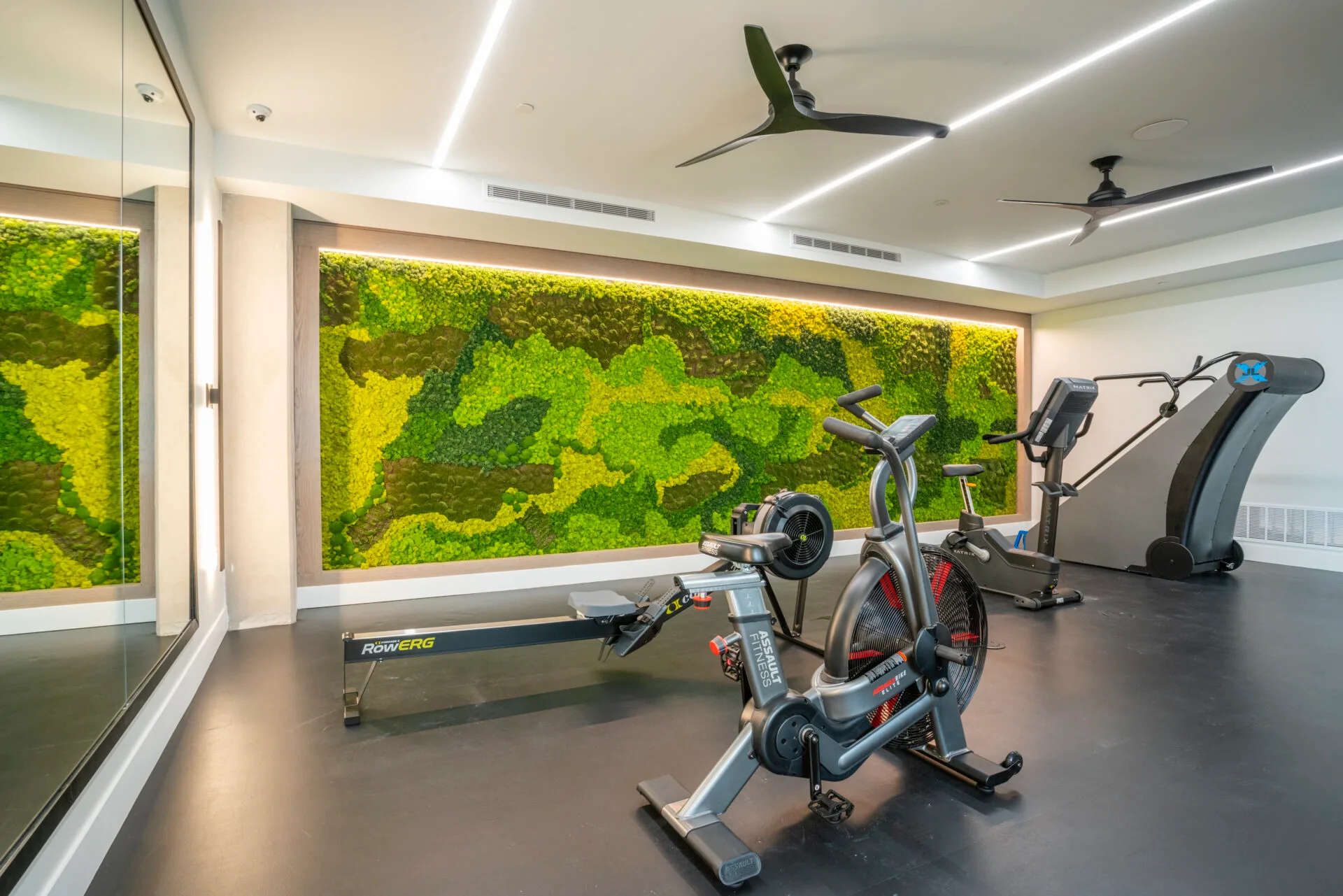
How Much Space Do You Need Per Piece of Gym Equipment?
ACSM allows 25 to 50 sq ft per station, and the 2010 ADA Standards require a 30-by-48-inch clear floor space at one of each machine type. How to use both. Read the post.

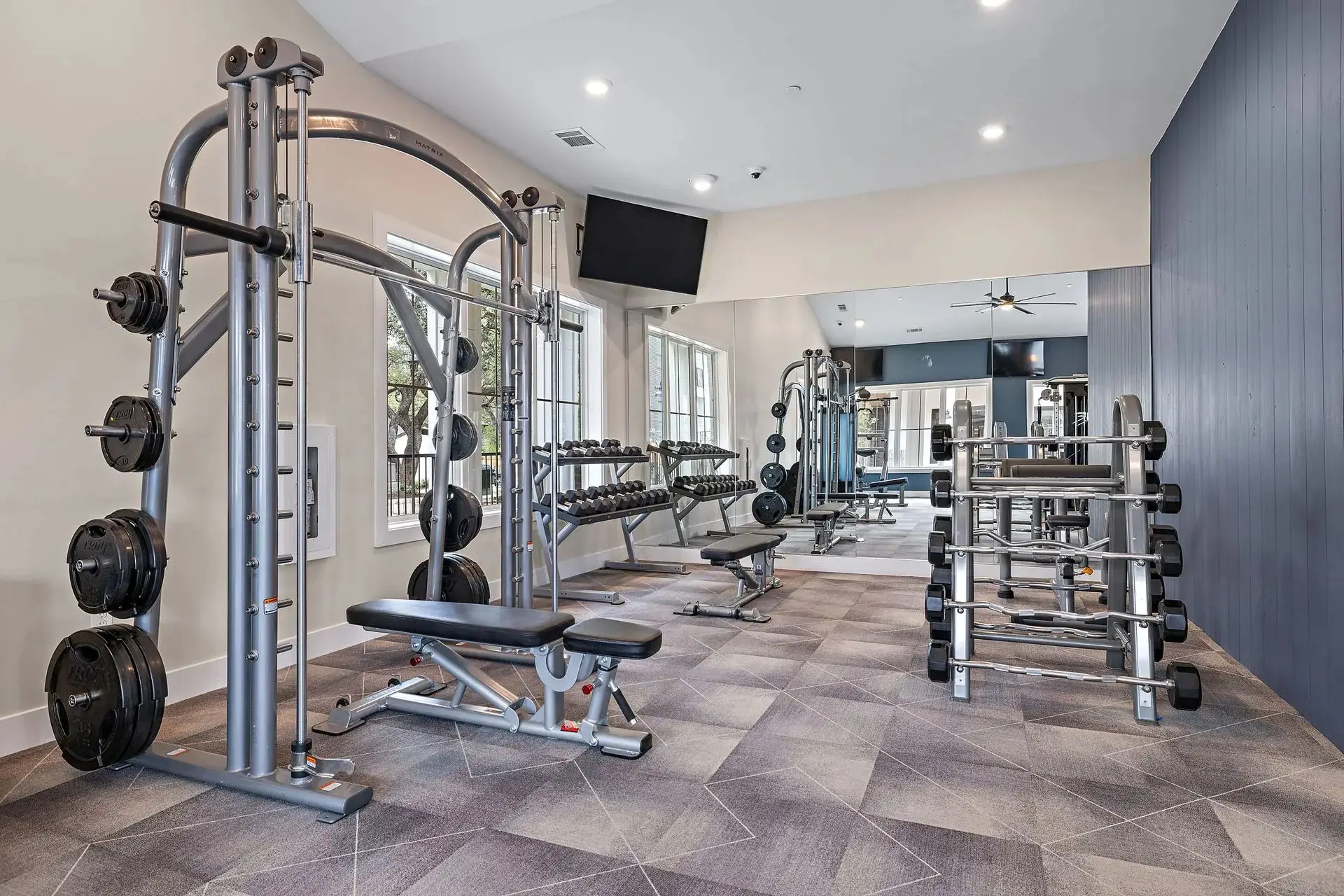
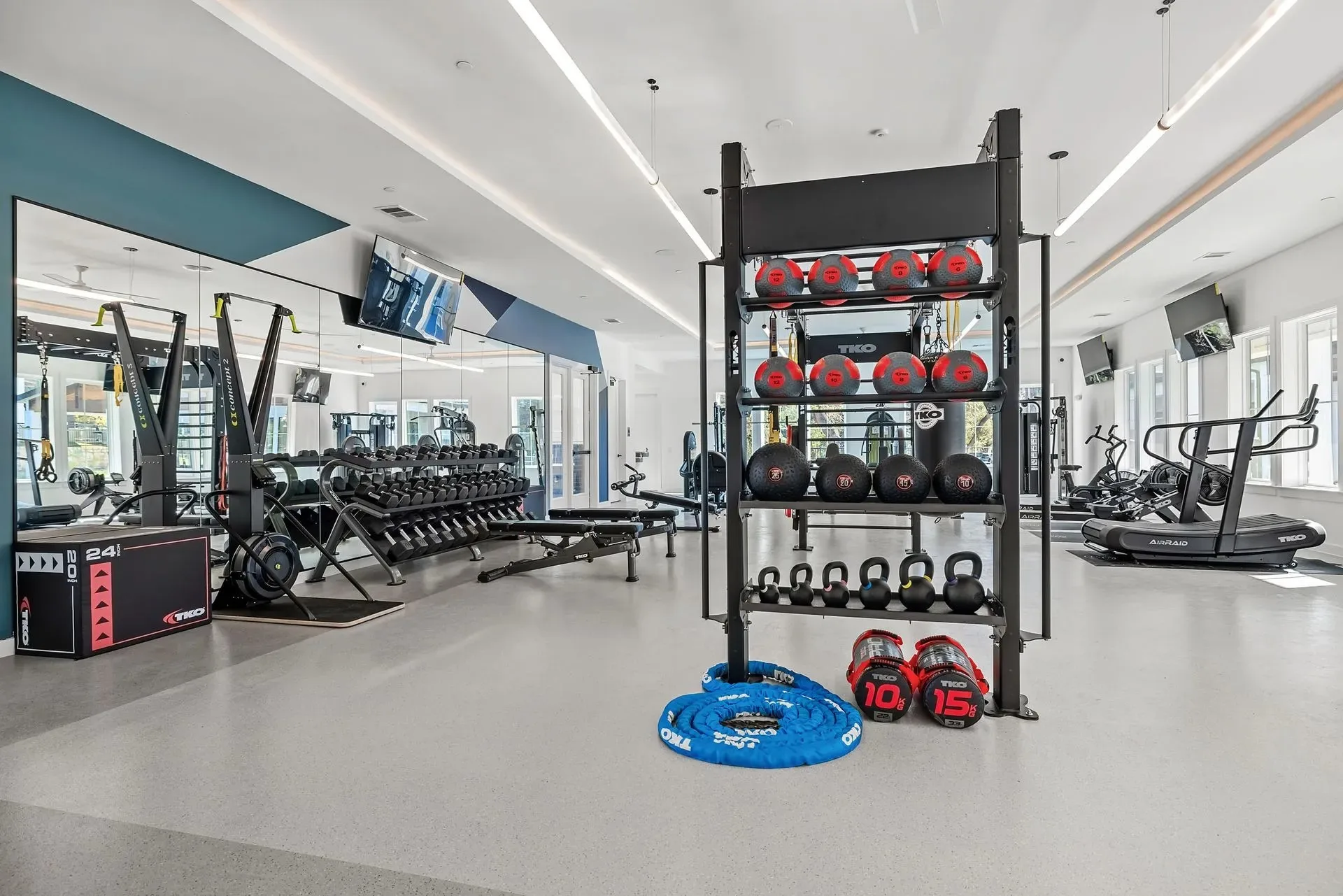
Cardio, Selectorized or Free Weights: Deciding the Mix
The equipment mix is decided by the room and the building as much as by preference. What space, structure, supervision and power each rule in or out. Read the post.

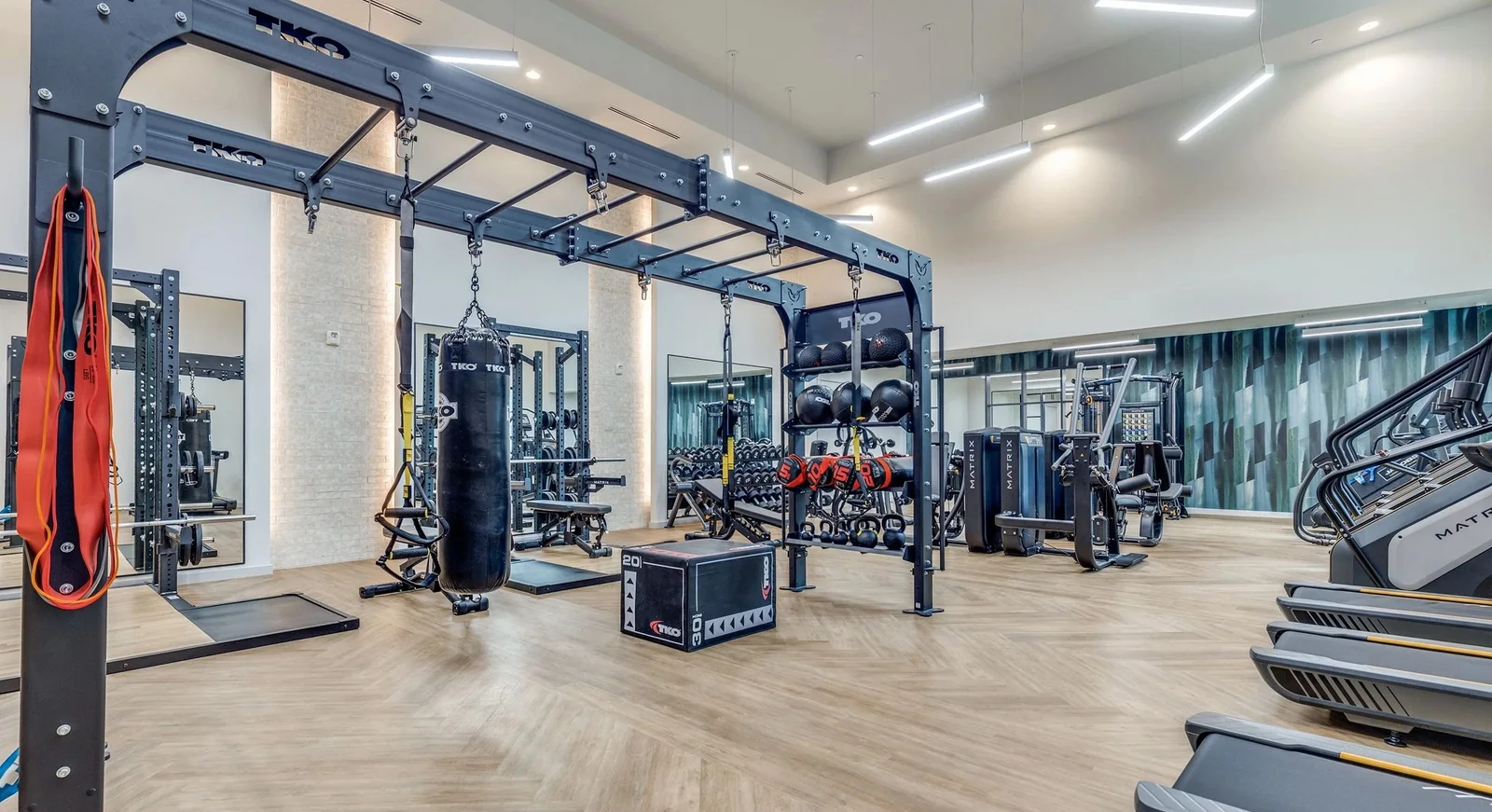
How to Read a Fitness Center Layout Before You Approve It
A fitness layout is approved by people who do not draw them. The eight things a to-scale plan must show, and the four omissions that turn up on install day. Read the post.
In short
In Texas, a commercial construction or renovation project with an estimated cost of $50,000 or more must be registered with the Texas Department of Licensing and Regulation and reviewed by a Registered Accessibility Specialist. Registration is due within 30 days of submitting for permit, and the same specialist who reviews the drawings performs the final inspection.
Part of what we do on fitness facility design and layout.

Common questions
When does a Texas project need a TAS review?
When the estimated construction cost is $50,000 or more. The project must be registered with the Texas Department of Licensing and Regulation and the construction documents reviewed by a Registered Accessibility Specialist before construction begins.
How long do I have to register the project with TDLR?
Registration is due within 30 days of submitting for permit. The same Registered Accessibility Specialist who reviews the drawings performs the final inspection once the work is complete.
What if the project is under $50,000?
It still has to meet the Texas Accessibility Standards. It simply skips the formal state registration and review process. Confirm the current requirements with TDLR or your architect for your specific project.
What does a reviewer look at on a fitness room?
Whether there is an accessible route at least 36 inches wide, a 60-inch turning circle where needed, a 30-by-48-inch clear floor space at one of each equipment type — 36 by 48 inches where enclosed on three sides — and 32-inch clear door openings.
Is a 3-foot door wide enough?
Not necessarily. The 2010 ADA Standards require a 32-inch minimum clear opening measured between the face of the door and the stop with the door open 90 degrees, so a nominal 3-foot leaf does not give you 36 inches of usable width.