

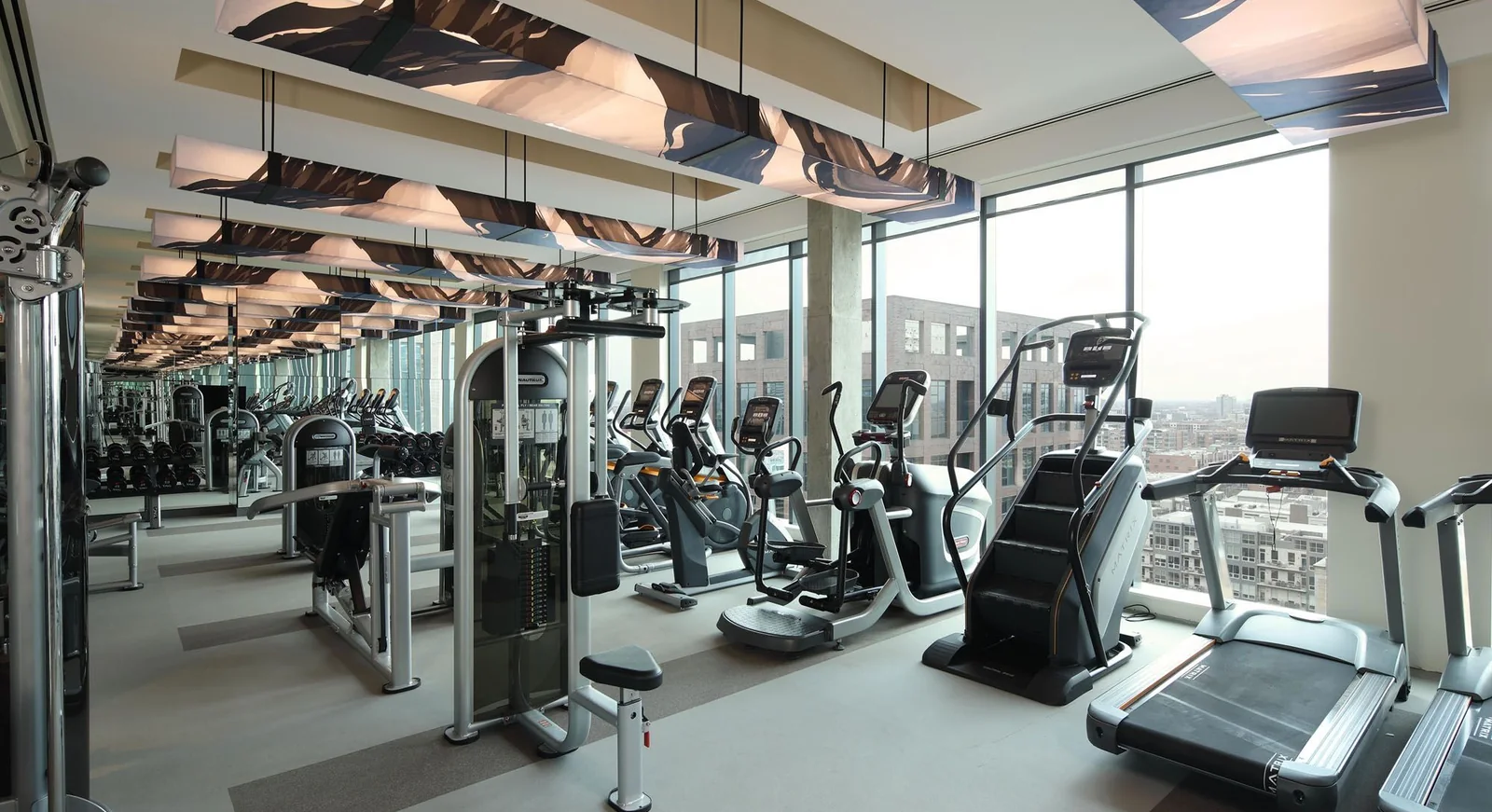
Arizona
Gym Equipment Service and Maintenance in Arizona
Heat, Dust, Seasonal Use and the HOA Room Nobody Staffs
Servicing a fitness floor in Arizona is the same trade it is anywhere, run against a different set of conditions. The conditions are not a talking point — each one changes what a schedule should look like.
Three conditions change what an Arizona schedule should look like
None of them changes the trade. Each of them changes the interval, the scope, or both — which is why an Arizona program that is a copy of a Texas one is usually wrong in the same three places.
Heat is a maintenance variable, not only a specification one
Consoles, drive motors and power supplies all dislike sustained heat, and Arizona amenity rooms are frequently adjacent to pool decks, ramadas and partially open areas that are not conditioned to the standard the equipment assumes. A room that is comfortable in March and 95 degrees in July is running its electronics in two different environments, and the second one is where failures cluster.
The practical consequence for a program is that electrical and diagnostic attention — motor brushes, amp draw, error codes, usage hours — earns its place here more clearly than it does in a fully conditioned building. Reading amp draw on a motor working harder than it was designed to is how you find the failure while it is still a service visit.
Dust is the second condition, and machines pull it in by design
Cardio equipment moves air through itself to stay cool, which means it also collects whatever is in the room. Internal cleaning and vacuuming is the item that addresses this, and it is the reason a floor here is generally better served above the entry level of a program: dust accumulates invisibly, inside the machine, in a room that nobody opens between service visits.
It shows up as heat before it shows up as failure — a machine that runs hot, then throws an error code, then stops. The order is predictable, which is exactly what makes it preventable.
A seasonal population makes the calendar the wrong clock
Communities that serve winter visitors do not have flat usage across the year, and a fixed quarterly visit either over-serves a quiet summer or under-serves a February that runs at three times the load. Setting the interval against hours of use handles that curve properly. Networked consoles report usage directly; where they do not, peak-hour patterns and headcount are a workable proxy.
The objective is unchanged: reach belts, decks, bearings and cables while the work is still adjustment and lubrication rather than replacement.
The HOA room is the Arizona case, and it has its own approval chain
Arizona carries a larger share of HOA-managed community fitness rooms than our Texas work does. Those rooms are small, unstaffed, open long hours, and answerable to a volunteer board on an annual budget rather than to a property manager with discretion. Two things follow.
First, nothing starts without an approved quote for that specific property — which in an HOA usually means a board meeting, so the useful thing we can give a manager is a written scope and a number they can take to it. Second, a preventive program is easier to get approved than a run of unbudgeted repairs, because it is one predictable line rather than a series of surprises. Preventive maintenance can be priced across a portfolio where a management company runs several communities; repairs, warranty jobs and diagnostic visits are quoted and invoiced per property.
What we need before quoting anything
An equipment list: make, model and serial number for each unit, plus its location, approximate install date and warranty status where you have it. Serial numbers do more work than they look like they do — parts frequently differ between production runs of the same model, and warranty status is often determined by serial. Where no register exists, building one is a reasonable first step and worth doing once rather than reconstructing it at every callout.
It is also worth being straight about the constraint that applies in every state: commercial fitness parts are not stocked, and most repairs are not finished on the first visit. The first visit identifies the exact part for the exact serial number so the right one is ordered. Scheduled attention is what moves that lead time inside a maintenance window instead of an outage.
Where we cover, and what is not on offer
The whole state, from Chandler. The work concentrates in the Phoenix metro — Phoenix, Scottsdale, Tempe, Mesa, Chandler, Gilbert, Glendale, Peoria and Surprise — with Tucson the second concentration, and the northern and rural markets covered by crews we manage, where the practical question is scheduling rather than whether we go.
And who does the work, stated rather than implied: preventive maintenance and service reach every other state through our network of 30+ certified partners, and Arizona is one of the two states where Fit Supply is that provider directly, running the program with our own crews. Equipment supply, design and installation are nationwide from either location too. What a program contains at each level is set out in the three levels of a preventive maintenance program, and the scheduling reasoning is on our service and maintenance page.
Published August 17, 2026 · Updated August 21, 2026 · 5 minutes read
More on equipment service and preventive maintenance

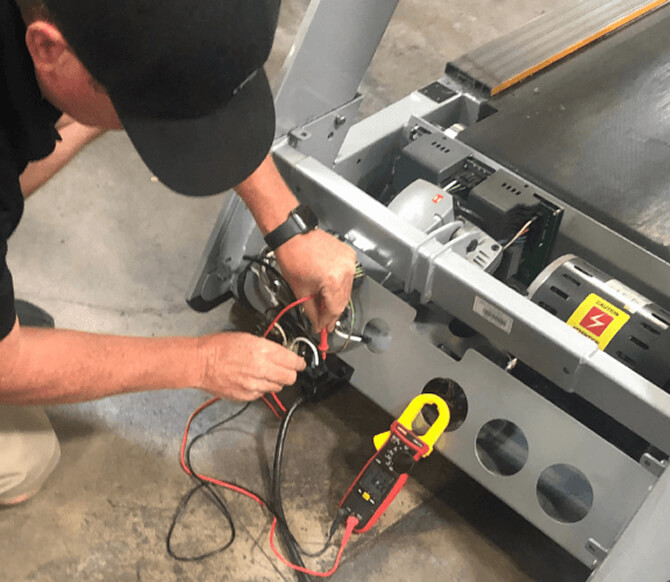
The Three Levels of a Preventive Maintenance Program
Silver inspects, adjusts and lubricates visible points. Gold adds full lubrication, internal cleaning and deck waxing. Platinum adds exterior and electrical. Read the post.

What Happens on a Service Call
A service call is a diagnosis before it is a repair. Parts are not stocked across this industry, so the first visit identifies the exact part for the exact build. Read the post.

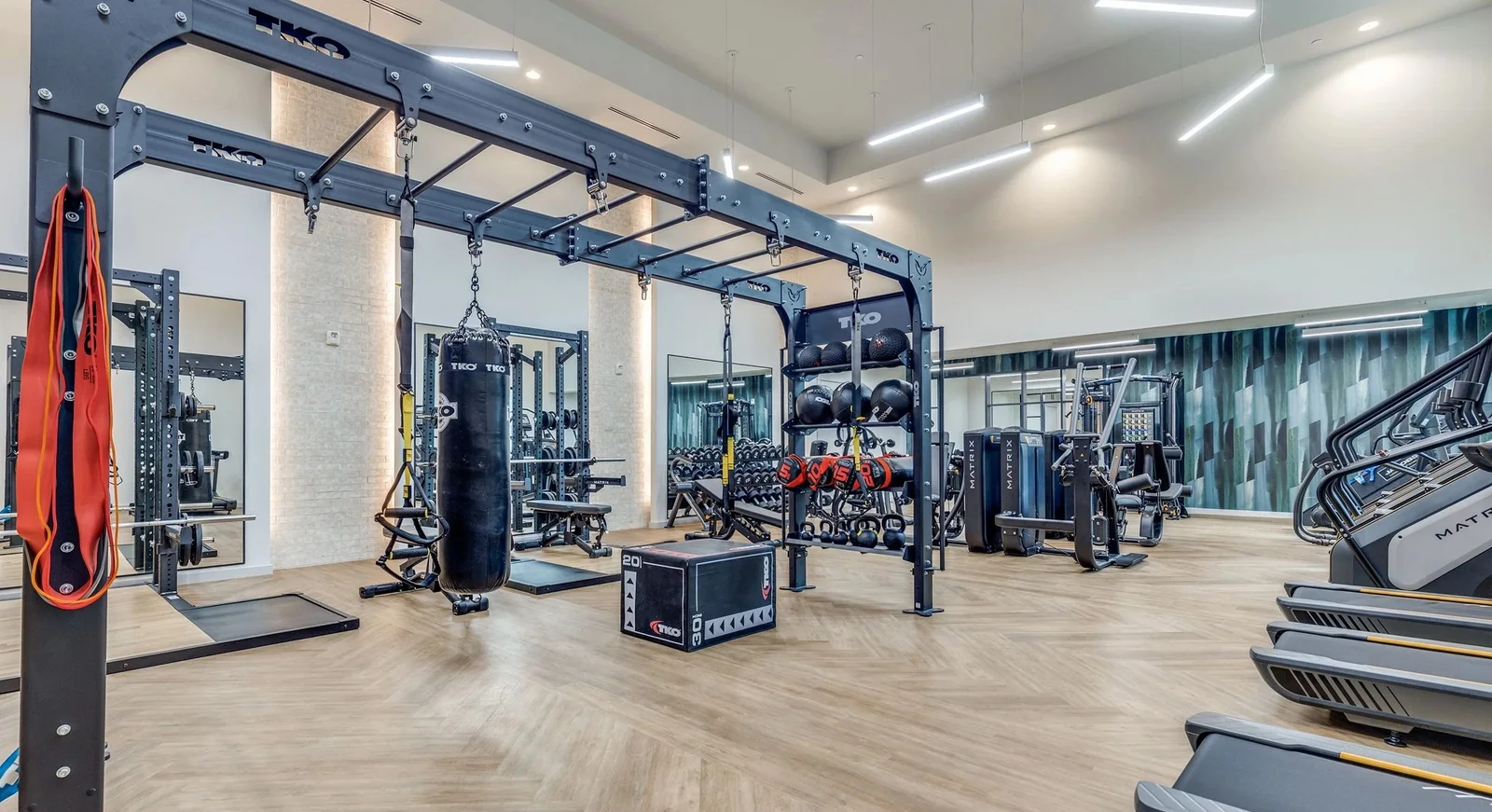
When to Repair a Machine and When to Replace It
Repair-or-replace turns on part availability, cost against replacement, failure pattern and how the room uses the machine — not on the age on the asset tag. Read the post.
In short
Fit Supply runs service and preventive maintenance directly across Arizona from our Chandler location in the southeast Phoenix metro — the same program reaches every other state through our network of 30+ certified partners, but Arizona is where we are that provider ourselves. Three things make an Arizona program different from a Texas one: sustained heat on rooms that are not fully conditioned, dust in machines that pull air through themselves, and a seasonal population that makes the calendar the wrong clock for scheduling. Fit Supply has equipped commercial facilities since 2007.
Part of what we do on equipment service and preventive maintenance.

Common questions
Does Fit Supply service gym equipment in Arizona?
Yes, directly, across the whole state, run from our Chandler location in the southeast Phoenix metro. The work concentrates in the Phoenix metro and Tucson, with northern and rural markets covered by crews we manage. Arizona is one of the two states — with Texas — where Fit Supply runs the preventive maintenance program with our own crews; every other state gets the same program through our network of 30+ certified partners.
How does Arizona heat affect gym equipment maintenance?
Consoles, drive motors and power supplies dislike sustained heat, and amenity rooms adjacent to pool decks or partially open areas are not conditioned to the standard the equipment assumes. Electrical and diagnostic attention — amp draw, motor brushes, error codes, usage hours — earns its place here, because a motor working harder than designed can be caught before it fails.
How often should equipment be serviced in a seasonal community?
Against hours of use rather than the calendar. Communities serving winter visitors do not have flat usage, so a fixed quarterly visit either over-serves a quiet summer or under-serves a busy February. Networked consoles report usage directly; otherwise peak-hour patterns and headcount give a workable estimate.
Can an HOA get a maintenance plan approved without a manager on site?
Yes, and the practical help is a written scope with a number that can be taken to a board meeting, since nothing starts without an approved quote for that specific property. A preventive program is usually easier to approve than unbudgeted repairs, because it is one predictable line rather than a series of surprises.
What do you need to quote service on equipment you did not supply?
The same asset detail we would need for our own: make, model and serial number for each unit, plus location, approximate install date and warranty status where known. Serial numbers matter because parts differ between production runs of the same model and warranty status is often determined by serial. Mixed floors are the normal case, not the exception.