

Our Work
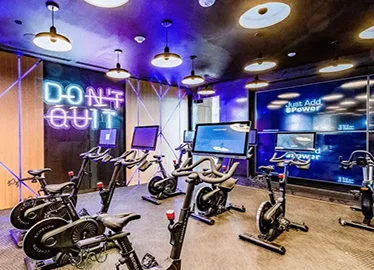
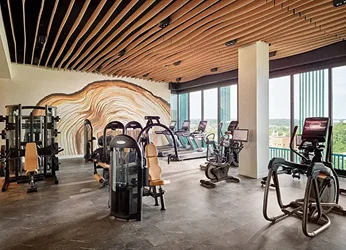
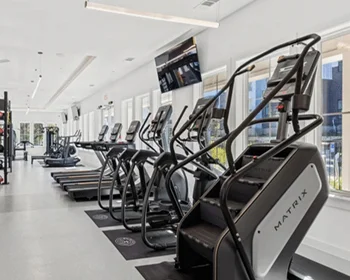
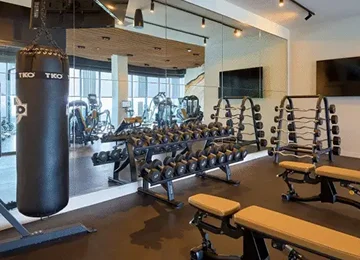
Wisconsin Fitness Centers
- 2007designing and equipping fitness facilities since
- 30,000+commercial orders delivered
- 500+cities served
- 50+manufacturer partners
Installed by Fit Supply
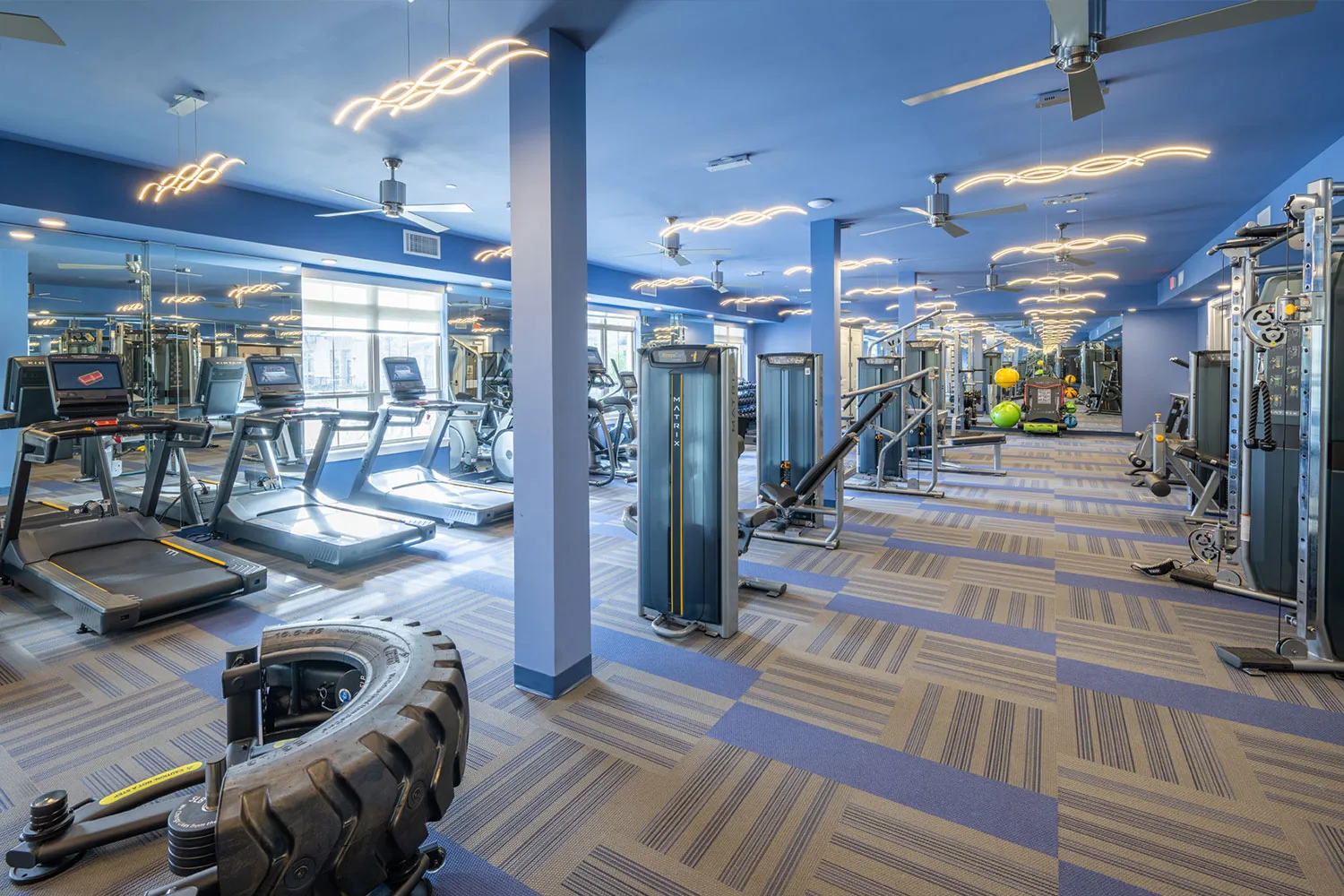
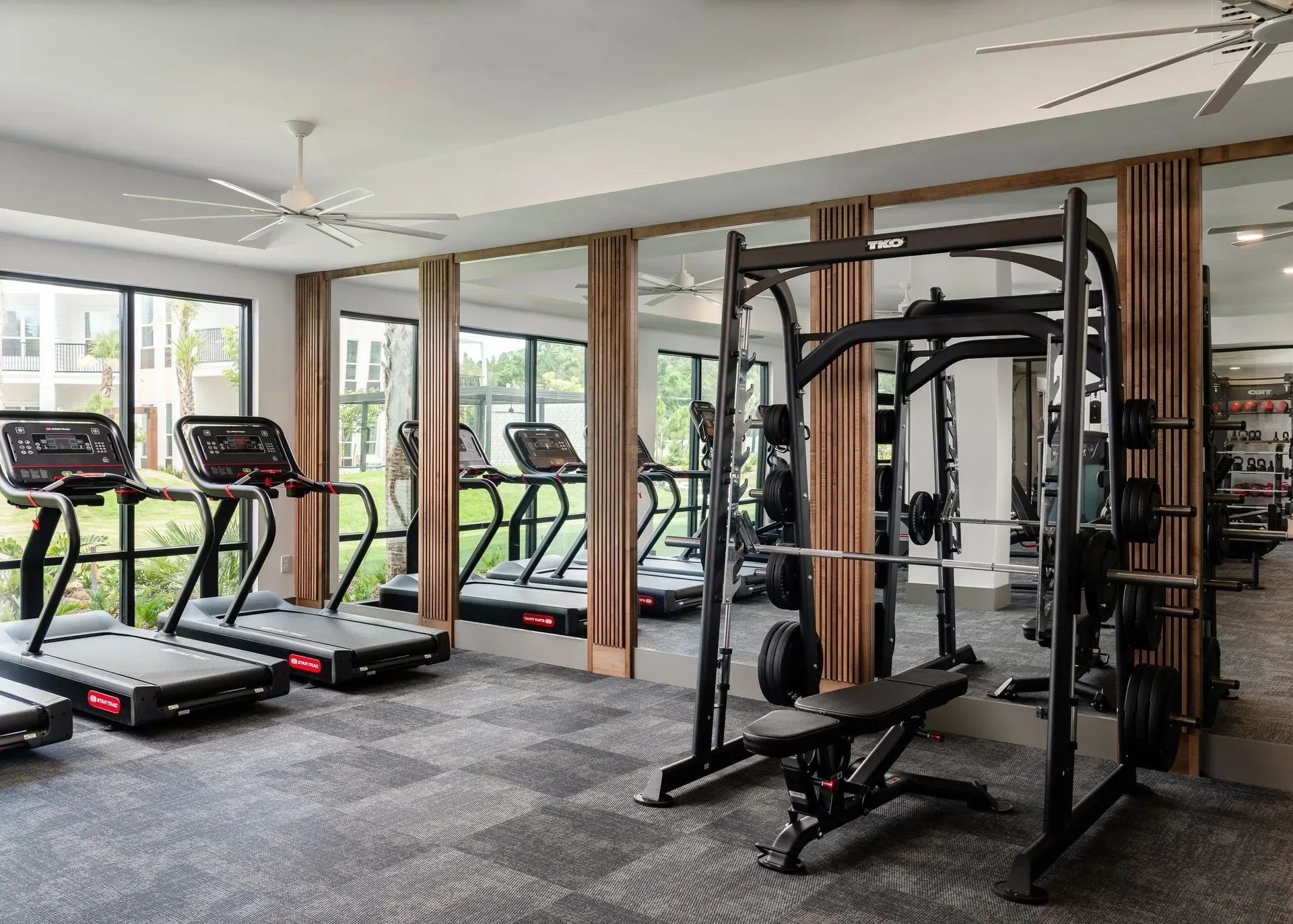
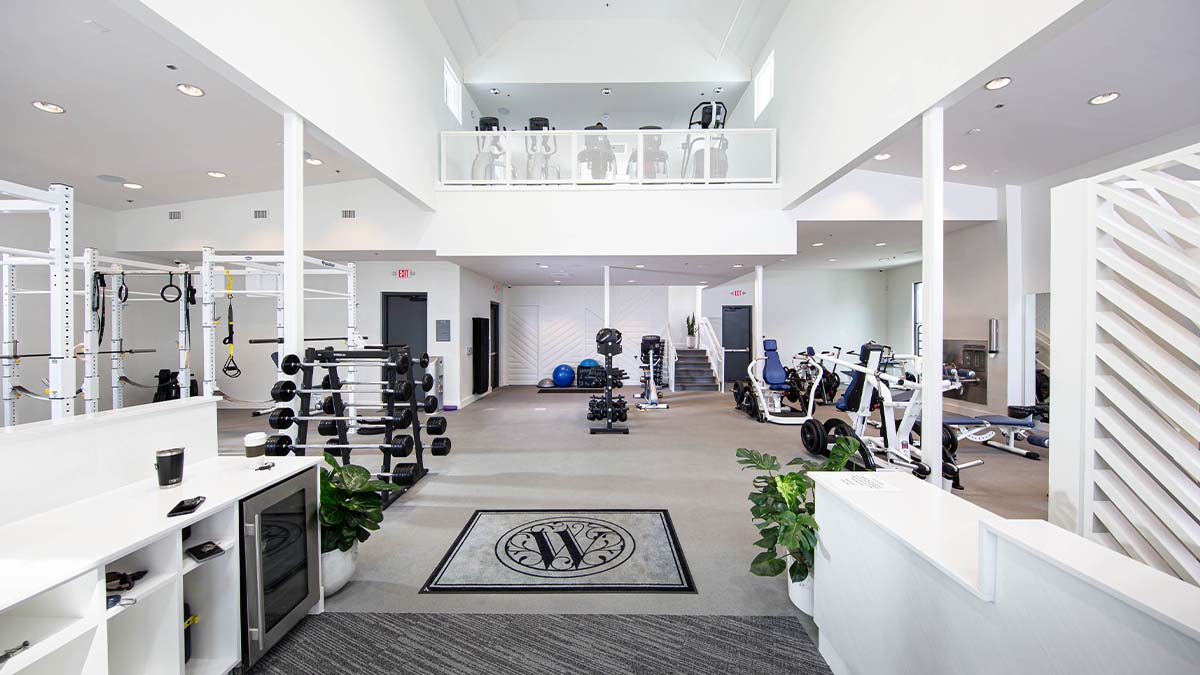

Commercial Fitness Facilities We Have Equipped in Wisconsin
Projects here run the same way they do anywhere: the room is measured and drawn to scale first, the equipment list follows from the layout, and delivery and installation are managed rather than left as a freight drop-off. Coverage is confirmed per project, since some equipment lines carry territory arrangements.
Markets we have equipped in Wisconsin
Cottage Grove. Facilities in the communities around them are served from the same projects, so it is worth asking even if your market is not named here.
How a project runs, from drawing to installed room
-
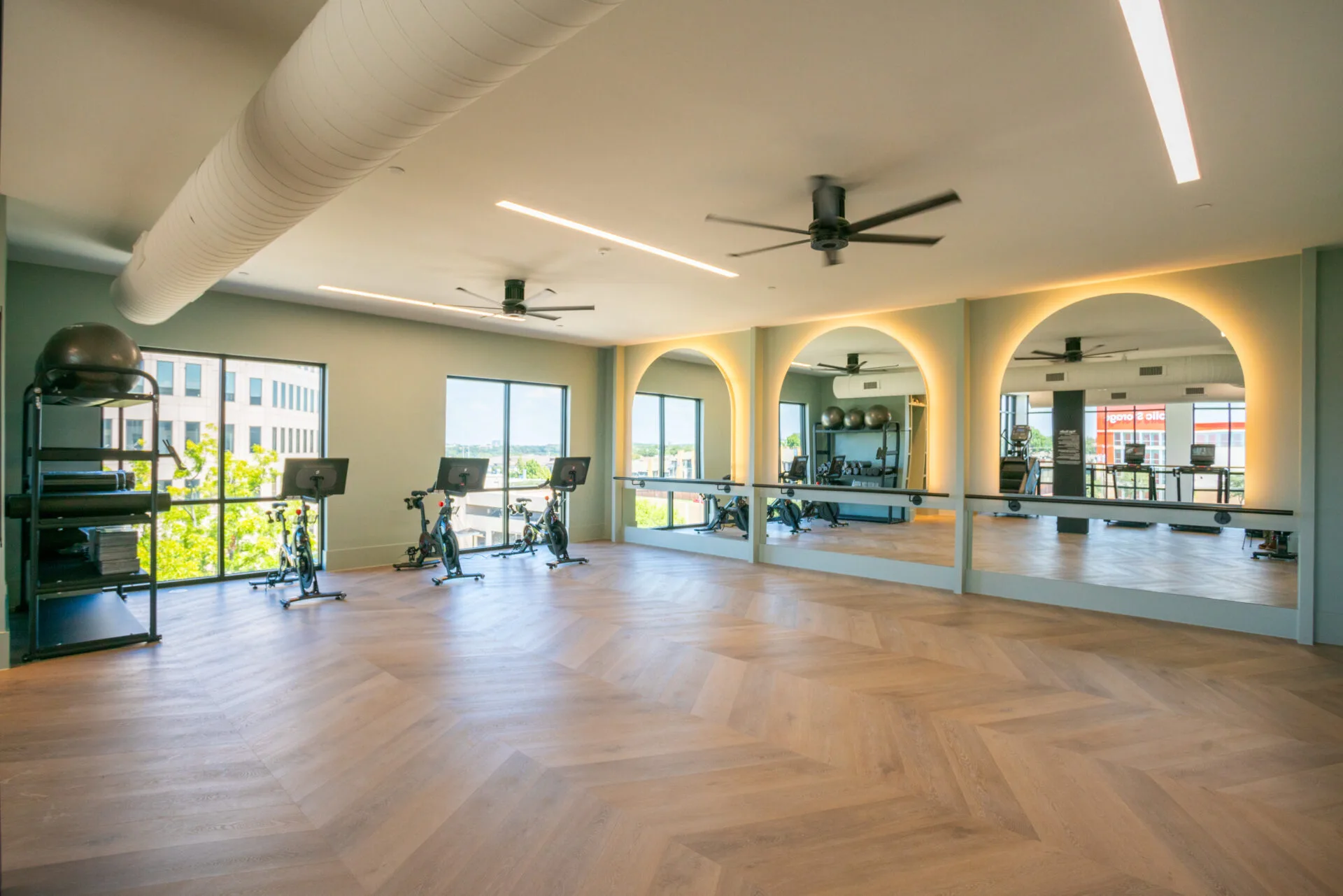
The room is drawn before it is quoted
A layout to scale comes first, with ADA clearances, floor loading and power planned into it. The equipment list follows from the room rather than the other way round.
-
One order, several manufacturers
Cardio, strength, flooring and accessories rarely come from one brand. We consolidate them into a single order and a single delivery date, so the room lands together.
-
Managed installation, wherever it is
Equipment is assembled, placed to the approved layout and function-tested on site by crews we manage or installers we work with — never a bare freight drop-off.
One scope, one team
Design, equipment and installation as one scope
Design and layout
A layout drawn to scale before an equipment list exists, with ADA clearances, floor loading and power planned into it.
Equipment and flooring
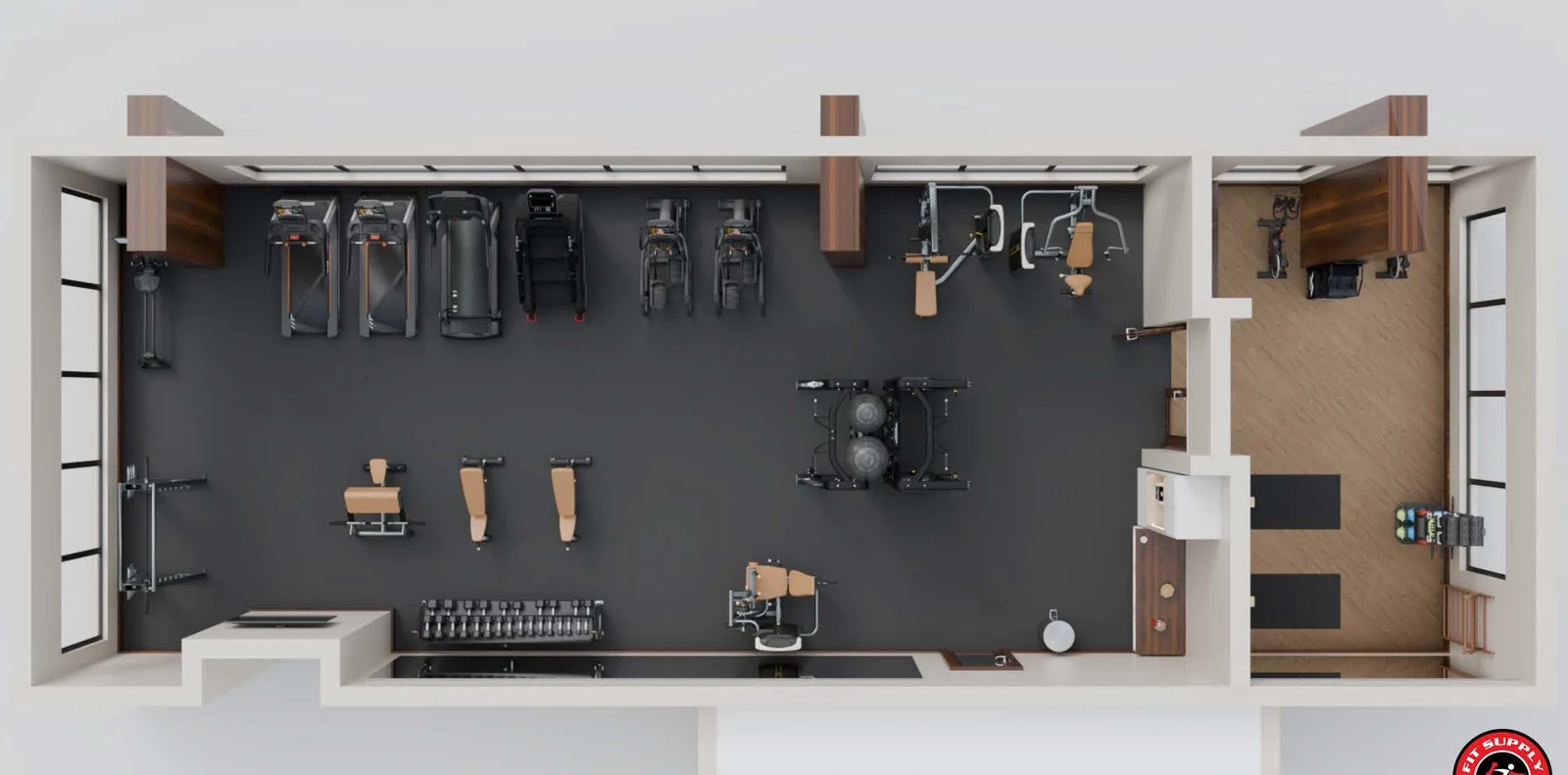
Cardio, strength and functional equipment from several manufacturers, plus flooring and mirrors, consolidated into one order and one delivery date.
Installation and after
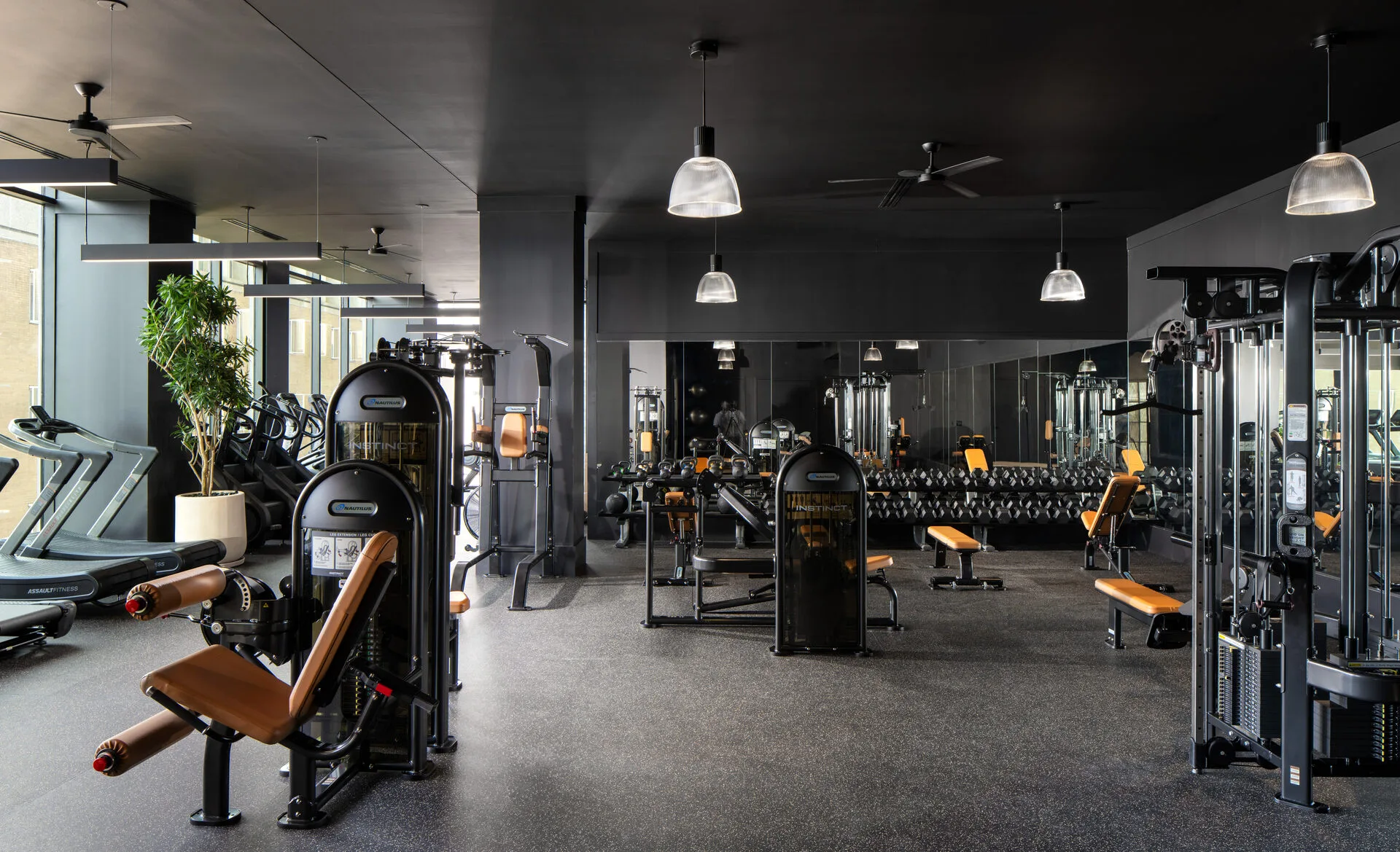
Delivery, installation and function testing, then finance options, extended warranties and maintenance once the room is open.
What decides the room before the equipment list

Flooring is a measured property, not a finish
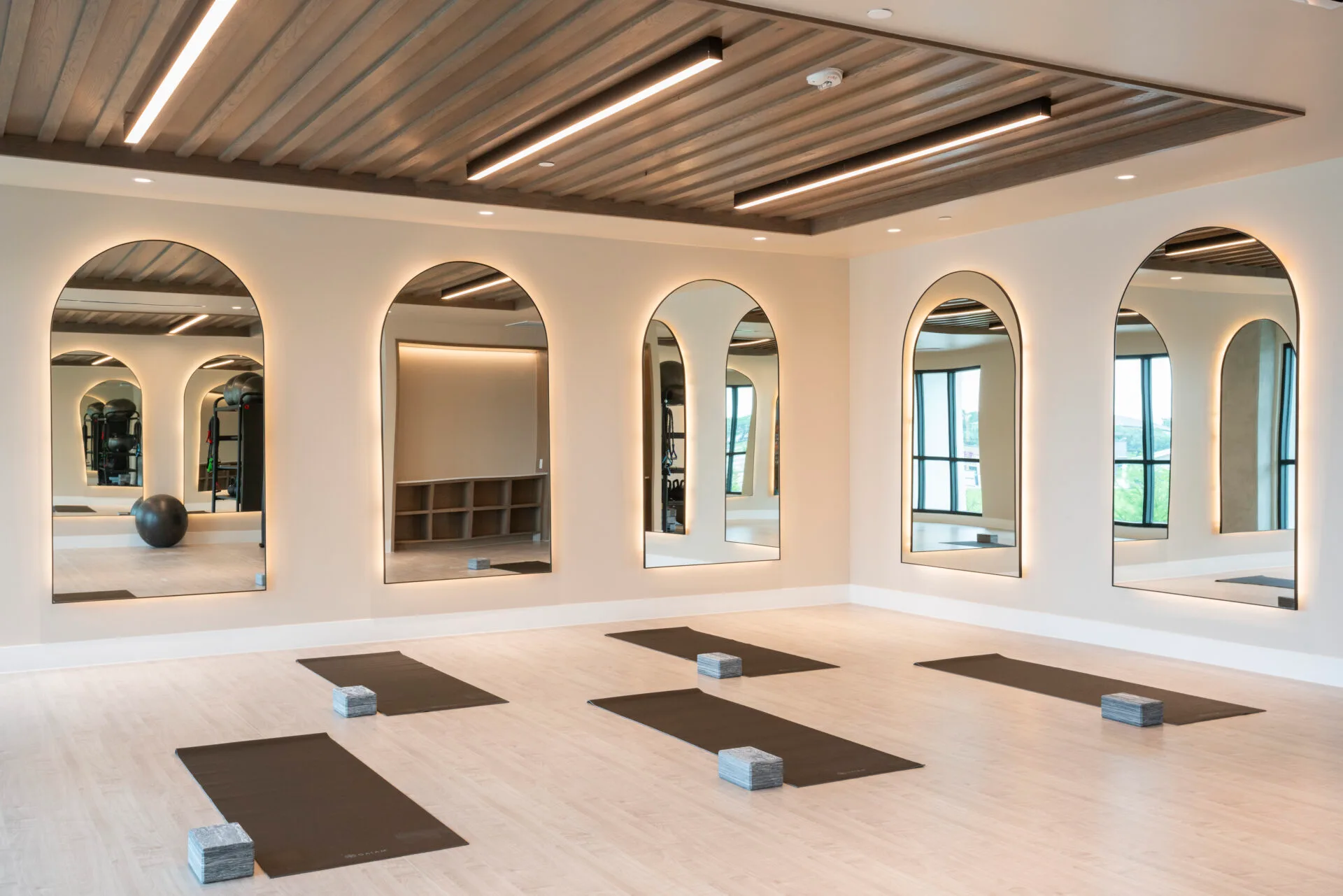
ASTM F2772 is the standard specification for the athletic performance properties of indoor sports floor systems, covering force reduction, vertical deformation, ball bounce and surface friction as MEASURED values. A free-weight drop area, a turf lane and a group studio ask different things of the build-up, so specifying by zone usually costs less than taking the heaviest specification across the whole room — and in multifamily and hospitality it is a noise decision as much as a durability one.

Access, doors and circulation
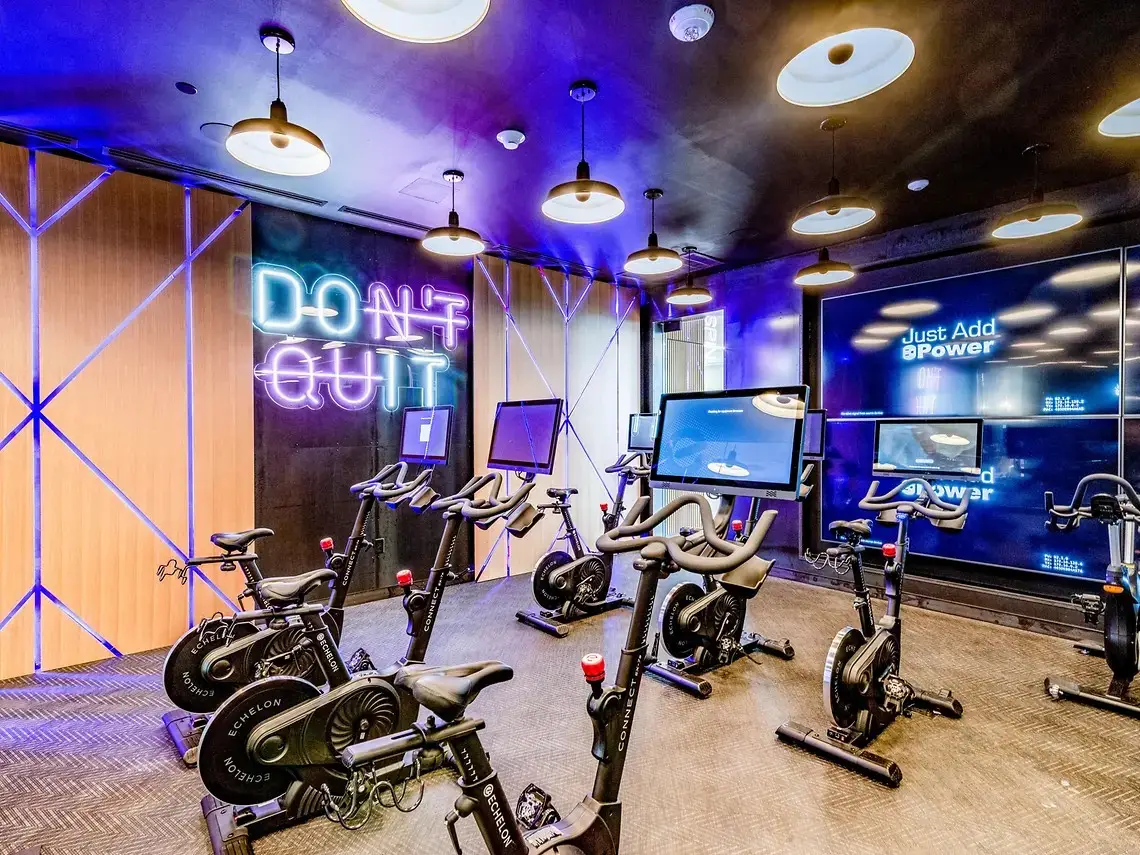
Getting equipment into a room is a survey item, not an assumption. ADA sets a 32 in minimum clear door opening, measured between the face of the door and the stop with the door open 90 degrees, rising to 36 in where the opening is deeper than 24 in, with a 36 in minimum clear route width and a 60 in diameter circular turning space. A nominal 3 ft leaf does not yield 36 in, which is the detail that catches renovations.

Power, planned with the layout
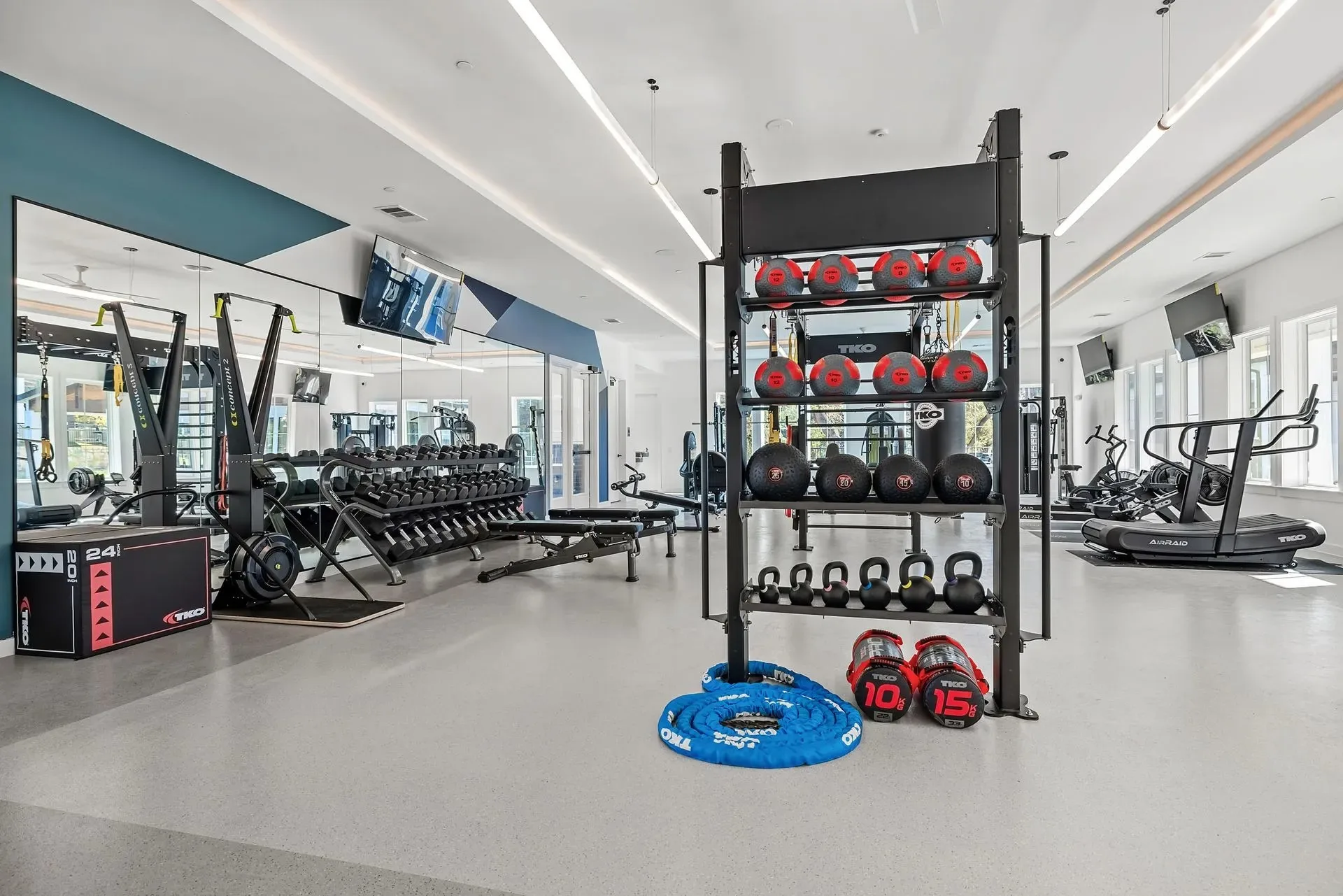
Electrical is the item most often missed on a conversion, because the room was not wired for it. Commercial treadmill manufacturers specify a dedicated 120V, 20-amp branch circuit per treadmill with a non-looped neutral and ground — eight treadmills is eight circuits and a panel schedule that has to accommodate them. Settling that during design is what lets a cardio bank sit where the sight lines want it rather than where the existing outlets happen to be.
New, refurbished and remanufactured
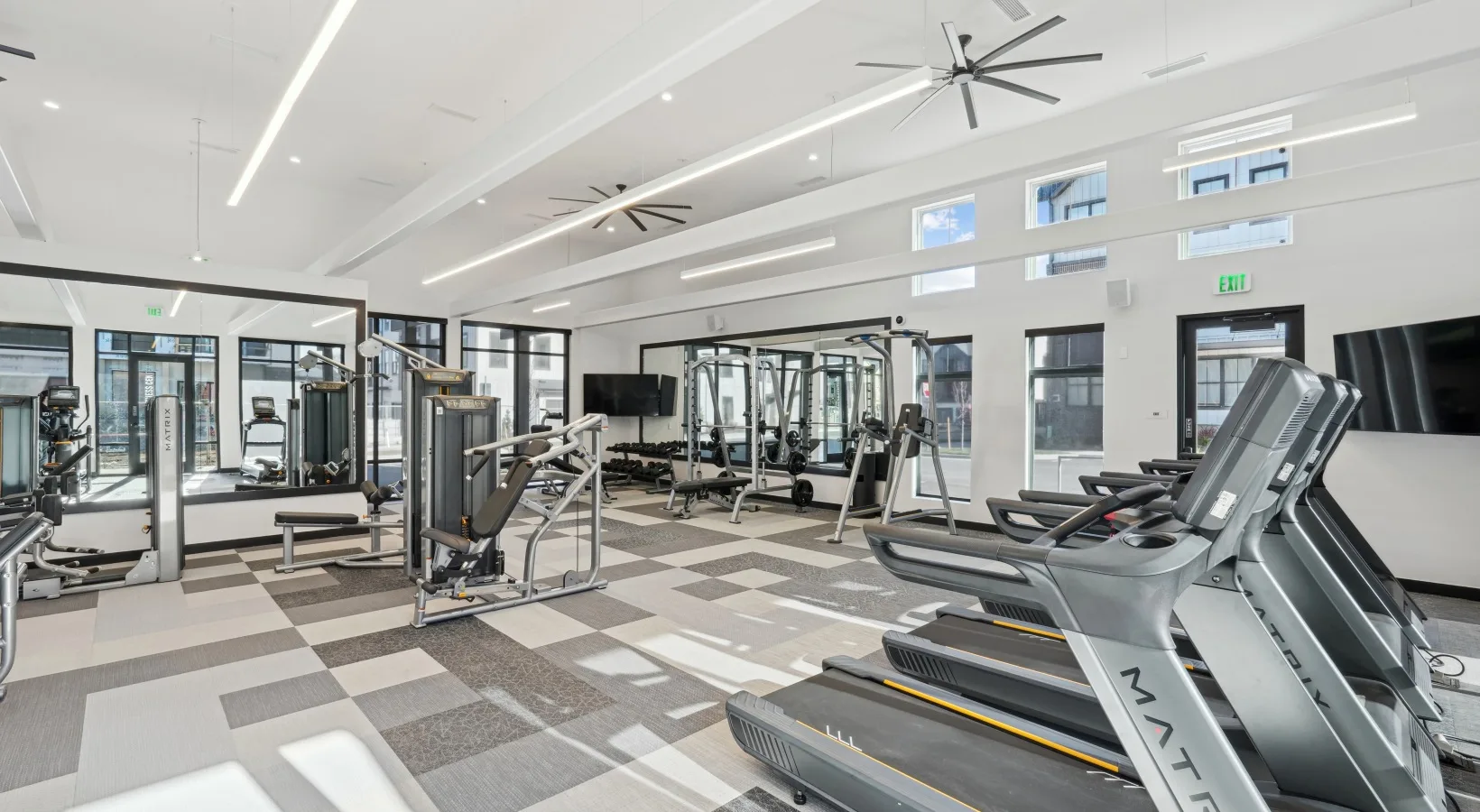
Used commercial equipment is sold in three conditions that are frequently conflated: as-is, cleaned and serviced, and fully remanufactured. Properly reconditioned commercial equipment routinely outlasts new light-commercial at a similar price, which lets a fixed budget cover more of the floor — and on a 100 psf fitness floor built for continuous duty, the frame matters more than the badge. Which condition suits a room depends on how hard it will be used and who is maintaining it; we will say which we would put in your room and why.
In short
We have equipped commercial fitness facilities across Wisconsin including Cottage Grove, from the layout drawing through to the installed room. Fitness areas are designed for a 100 psf live load under IBC Table 1607.1, against 40 psf for ordinary residential space — which decides what an upper floor can hold.
Common questions about Wisconsin projects
Does Fit Supply work in Wisconsin?
Yes. We have supplied and installed commercial fitness facilities in Wisconsin, including Cottage Grove. Facilities in surrounding communities are served from the same projects, so it is worth asking even if your market is not named. Coverage is confirmed per project, since some equipment lines carry territory arrangements.
What equipment brands do you carry?
Fit Supply carries a broad range of commercial equipment brands rather than any one house line. The mix on a project is matched to what that facility actually needs — budget, feature set and space — with particularly wide options in specialty categories like recovery. No manufacturer is favored over another; the room decides.
How long does installation take?
It varies enough by job that a site survey is the only honest answer. What drives it is access rather than piece count: door widths, elevator availability, stairs, tight or turning hallways, and whether equipment can come in assembled or has to be taken apart and rebuilt in the room. Two identical equipment lists in two different buildings can be a day apart. We assess it on the survey and tell you before the schedule is set.
What if my space is not ready when the equipment arrives?
Tell us as early as you can and we will re-sequence rather than deliver into an unfinished room. Where product is held at your request more than ten days past the installation date, a storage fee applies; held beyond thirty days, a 25% restocking fee applies as well. Those are the contract terms, and they exist because held equipment occupies warehouse space and gets handled twice. A date moved a week ahead of time normally costs nothing; a truck turned away on the day does.
What are the lead times on commercial gym equipment?
Anywhere from in stock to roughly six months, depending entirely on what is ordered. Most cardio and most stock strength runs about two weeks. Accessories and HIIT products are typically one to two weeks. Custom strength is the long pole: custom colors, a different paint process or bespoke upholstery generally runs six to twelve weeks, and fully custom lines such as Atlantis, Gym80 or Panetta can reach six months. Lead time is the thing most likely to move your opening date, so it is worth settling early.