

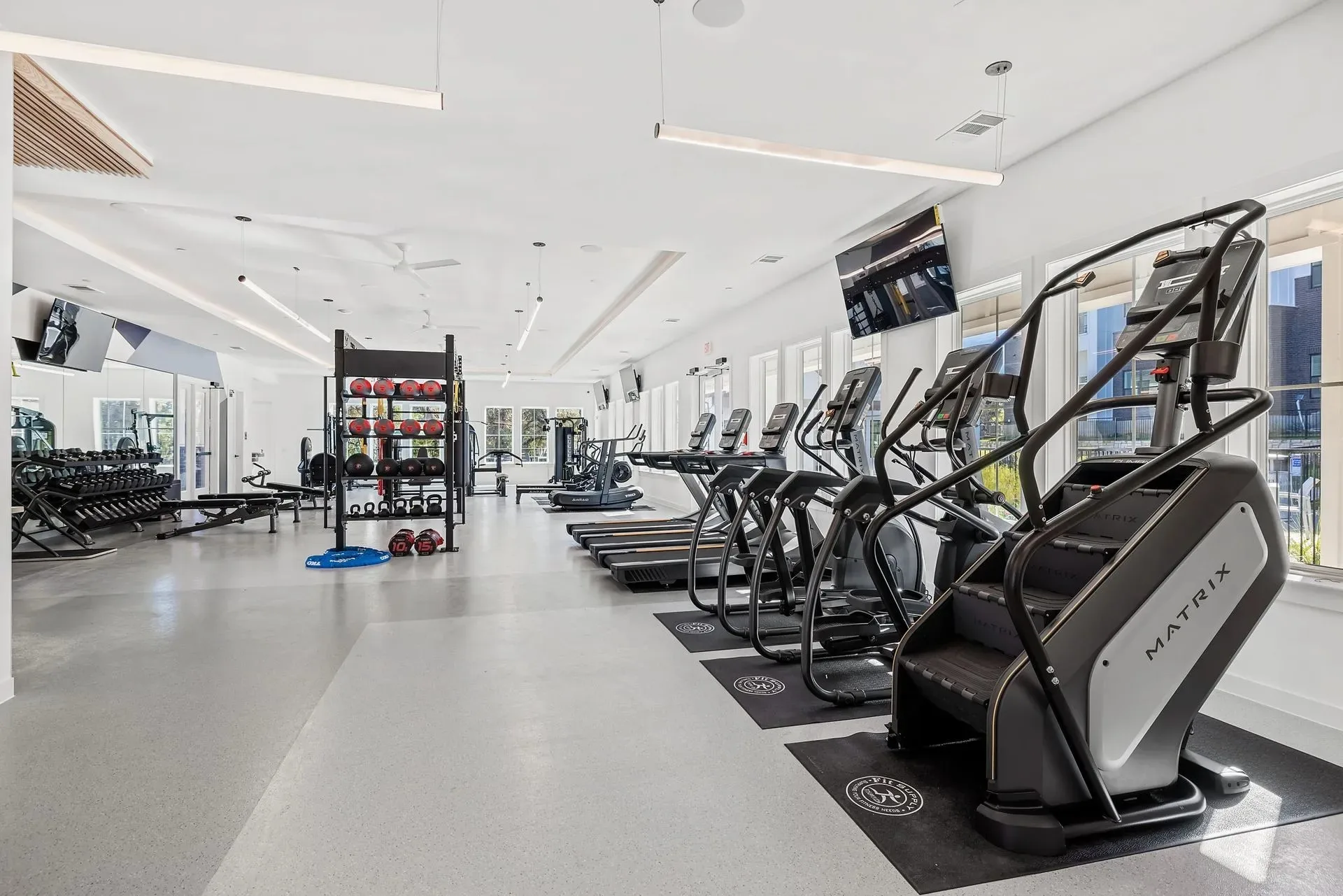
Texas
Equipping a Fitness Facility in Texas
What Is Different About Building One Here
Fit Supply is based in Irving, in the Dallas–Fort Worth metroplex, and covers the state end to end with delivery and installation crews we manage. What follows is what actually differs about a Texas project rather than a general description of one.
The accessibility review is a Texas-specific step
Texas administers its own accessibility standards through TDLR alongside the federal ADA requirements. A public or commercial project with an estimated construction cost of $50,000 or more must be registered with the state, reviewed by a Registered Accessibility Specialist before construction, and inspected by that same specialist at completion. Registration is due within 30 days of submitting for permit.
On a fitness room this matters more than it sounds, because the equipment clearances are the part most often left until last. At least one of each type of machine needs a 30-by-48-inch clear floor space on an accessible route, rising to 36 by 48 inches where enclosed on three sides, with 36-inch routes and a 60-inch turning circle. A layout that hits its equipment count by consuming those clearances will not survive the review.
Where the work actually is
Our Texas work concentrates in the four big metros — Dallas–Fort Worth, Houston, Austin and San Antonio — and spreads well beyond them into the suburbs and the secondary markets around each. We serve the state from Irving, and because crews we manage do the installs rather than a freight carrier, the practical question on a distant project is scheduling rather than coverage.
What Texas buildings ask for
The Texas mix is dominated by apartment and condominium communities, which is unsurprising in a state adding housing at this rate. Two other segments are disproportionately Texan in our work: fire stations, which are recurring work across dozens of cities, and corporate wellness rooms in the office markets around Dallas and Houston.
Each of those wants a different room. A multifamily amenity gym is unstaffed and open around the clock, so it is specified for unsupervised safety. A station gym is built for job-task conditioning by rotating shifts, usually upstairs over sleeping quarters. A corporate room is used in tight windows around the working day and judged on how it looks to a recruit.
Climate is a real specification input
Texas heat changes two things. Garage, breezeway and partially conditioned amenity spaces run hot, which is hard on electronics and consoles and argues against siting equipment where it will bake. And where an outdoor or semi-outdoor fitness area is wanted, the specification has to account for direct sun on surfaces and upholstery rather than treating it as an indoor room without walls.
Build-out timing
Equipment lands near the end of a construction program, which is exactly where slippage is most expensive. In a fast-moving market, the two things that most often compress a schedule are a late equipment decision and an electrical requirement discovered after the walls are closed — commercial treadmills each need a dedicated 120-volt, 20-amp branch circuit. Both are avoidable by starting the layout earlier than feels necessary.
Published August 15, 2026 · 5 minutes read
In short
Three things change a fitness build in Texas: a commercial project estimated at $50,000 or more must be registered with TDLR and reviewed by a Registered Accessibility Specialist; the work concentrates in Dallas–Fort Worth, Houston, Austin and San Antonio; and the mix here leans heavily to apartment and condominium communities, fire stations and corporate wellness rooms.
Common questions
Does a Texas gym build need a TAS review?
If the estimated construction cost is $50,000 or more, yes — the project must be registered with TDLR and reviewed by a Registered Accessibility Specialist before construction, with a final inspection by the same specialist. Registration is due within 30 days of submitting for permit. Projects under the threshold still have to meet the Texas Accessibility Standards.
Which Texas markets does Fit Supply cover?
The whole state, from our base in Irving in the Dallas–Fort Worth metroplex. The work concentrates in Dallas–Fort Worth, Houston, Austin and San Antonio and the suburbs around them, and we install with crews we manage rather than handing a project to a freight carrier.
What kinds of facilities do you equip in Texas?
Predominantly apartment and condominium communities, along with fire stations, corporate wellness rooms, health clubs, schools and campus recreation, YMCAs, senior living and medical or rehabilitation clinics. The single largest category by a wide margin is multifamily.
Does Texas heat affect equipment selection?
It affects placement more than selection. Garage, breezeway and partially conditioned amenity spaces run hot, which is hard on consoles and electronics, and any outdoor or semi-outdoor area needs specification for direct sun on surfaces and upholstery rather than being treated as an indoor room without walls.
How early should equipment be specified on a Texas build?
Earlier than feels necessary. Equipment lands near the end of a construction program where slippage is most expensive, and the two things that most often compress a schedule are a late equipment decision and an electrical requirement found after the walls are closed — each commercial treadmill needs a dedicated 120-volt, 20-amp circuit.