

Arizona
Equipping a Fitness Facility in Arizona
Desert Conditions, the Phoenix Metro and a Different Mix
Fit Supply operates in Arizona as its own business covering the state end to end, with delivery and installation it manages. The differences from a Texas project are real and worth planning around.
The mix here is genuinely different
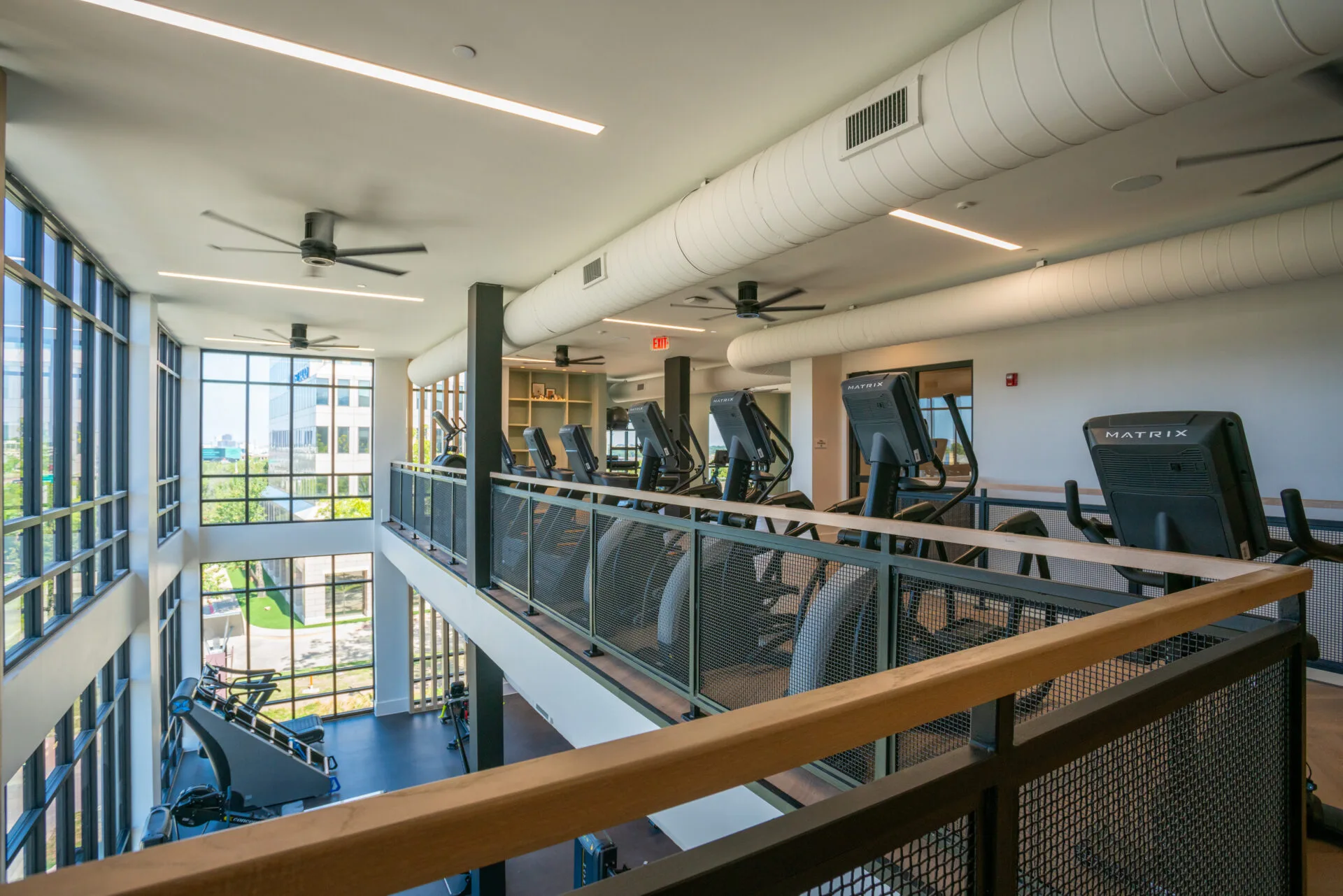
Apartment and condominium communities lead the work in Arizona as they do in Texas. After that the picture diverges: Arizona carries a noticeably larger share of big-box and boutique health clubs, college and campus recreation, and HOA-managed community fitness rooms than our Texas work does.
That changes the typical project. An HOA room is small, unstaffed, and answerable to a board rather than a manager. A campus recreation facility absorbs very high concurrent use in short peaks. A big-box club is specified around throughput and replacement cycles. These are different rooms, not the same room in a different place.
Heat and UV are specification inputs
Sustained summer heat is hard on equipment that is not in properly conditioned space, and it is common for amenity rooms in Arizona to be adjacent to pool decks, ramadas and partially open areas. Two consequences worth planning for: consoles and electronics dislike heat, so siting matters; and where any part of a fitness area sees direct sun, upholstery, plastics and surface finishes need to be chosen for UV exposure rather than assumed to behave as they would indoors.
Cooling load is the other half. A room full of cardio equipment and people generates heat of its own, and an amenity space carved out of a building without a matching HVAC allowance becomes unusable in July regardless of what is in it.
Where the work is
Most of it is in the Phoenix metro — Phoenix itself, Scottsdale, Tempe, Mesa, Chandler, Gilbert, Glendale, Peoria and Surprise — with Tucson the second concentration. We also cover the northern and rural markets, where the practical question on a project is scheduling rather than coverage, since crews we manage do the work.
Seasonal population changes the load
Parts of Arizona take a substantial seasonal population, and communities that serve winter visitors see fitness room usage that is not flat across the year. That is worth saying out loud during specification, because a room sized for the summer occupancy of a snowbird community will be inadequate in February — and because a maintenance schedule set against hours of use, rather than the calendar, handles a seasonal curve far better than a fixed quarterly visit does.
The standards do not change at the state line
The federal ADA requirements apply the same way: a 30-by-48-inch clear floor space at one of each type of machine, on a 36-inch accessible route, with a 60-inch turning circle. IBC Table 1607.1 still designs fitness areas for 100 psf against 40 psf for ordinary residential floors, so an upper-floor amenity room is still a structural question. What Arizona does not have is the Texas registration and Registered Accessibility Specialist step — confirm local permitting requirements with your architect or the authority having jurisdiction.
Published August 15, 2026 · 5 minutes read
In short
Arizona is served from our Chandler location in the southeast Phoenix metro, and the work here looks different from Texas. The federal rules do not change at the state line — a 30-by-48-inch clear floor space at one of each machine type, 36-inch routes, and 100 psf for a fitness floor against 40 psf for ordinary residential — but the mix does: alongside apartment communities, a much larger share is big-box and boutique health clubs, college recreation and HOA-managed community rooms. Desert heat and UV are genuine specification inputs rather than a talking point.
Common questions
Where does Fit Supply cover in Arizona?
The whole state, from our Chandler location in the southeast Phoenix metro. The work concentrates in the Phoenix metro — Phoenix, Scottsdale, Tempe, Mesa, Chandler, Gilbert, Glendale, Peoria and Surprise — with Tucson the second concentration, and we install with crews we manage.
How does Arizona heat affect gym equipment?
Consoles and electronics dislike sustained heat, so siting matters in any space that is not properly conditioned — which in Arizona often includes rooms adjacent to pool decks and partially open areas. Where a fitness area sees direct sun, upholstery, plastics and finishes should be chosen for UV exposure.
What kinds of facilities do you equip in Arizona?
Apartment and condominium communities lead, followed by a larger share than in Texas of big-box and boutique health clubs, college and campus recreation, and HOA-managed community fitness rooms, along with hotels, senior living and medical or rehabilitation clinics.
Does Arizona require an accessibility review like Texas?
Arizona does not have the Texas TDLR registration and Registered Accessibility Specialist step. The federal ADA requirements still apply in full, and local permitting requirements should be confirmed with your architect or the authority having jurisdiction for your specific project.
Does seasonal population affect how a room should be specified?
Yes, in communities that serve winter visitors. Usage is not flat across the year, so a room sized for summer occupancy can be inadequate in February. A maintenance schedule set against hours of use rather than the calendar also handles a seasonal curve far better than a fixed quarterly visit.